Riyadh Reiseführer: Das Herz des modernen Saudi-Arabien
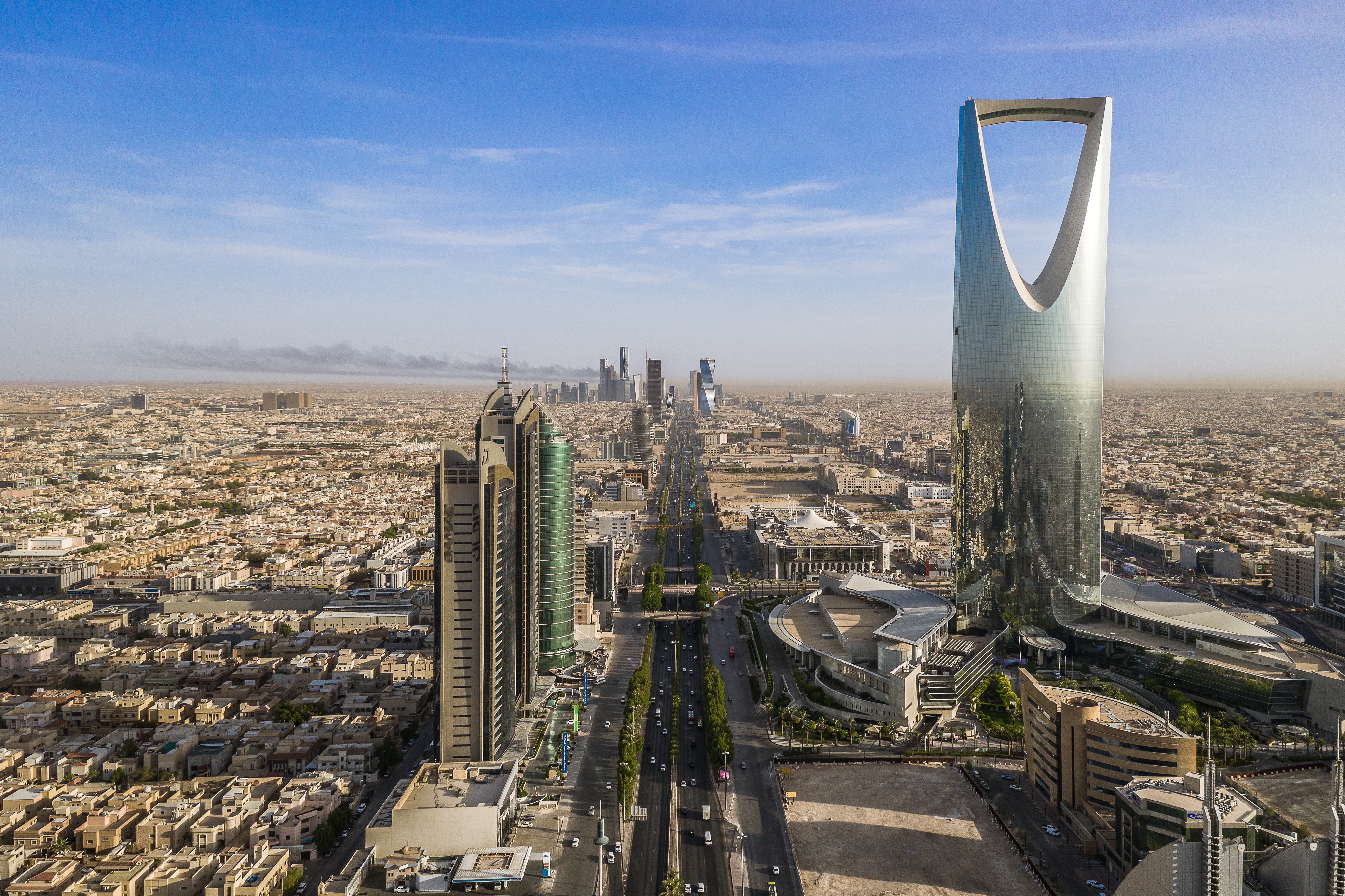
Entdecken Sie Riyadh: Saudi-Arabiens pulsierende Hauptstadt. Von Diriyah bis Edge of the World – Ihr kompletter Reiseführer für 2026 mit Hotels, Kultur & Tipps.
Das Wichtigste in Kürze
- Die besten Preis-Leistungs-Unterkünfte Riyadhs liegen in den Vierteln Al-Olaya und Al-Wuroud: 4-Sterne-Hotels kosten SAR 350–550/Nacht, während Budget-Reisende saubere Optionen nahe Al-Bathaa für SAR 120–200/Nacht finden.
- Das Nationalmuseum von Saudi-Arabien (Al-Murabba) erstreckt sich über 28,000 m² auf acht thematischen Hallen und kostet SAR 15 – planen Sie mindestens 3 Stunden ein; Audioguides auf Englisch sind am Eingang erhältlich.
- Der Edge of the World (Jebel Fihrayn), 90 km nordwestlich von Riyadh, bietet 300 Meter hohe Klippen über der Tuwaiq-Steilstufe — der Zugang erfordert einen 4WD und ist am besten von Oktober bis März; kein Eintritt, aber führen Sie zusätzliches Wasser und eine Papierkarte mit.
- Freitag ist der Haupt-Ruhetag; Einkaufszentren und Sehenswürdigkeiten öffnen in der Regel um 13:00 Uhr nach dem Freitagsgebet und schließen gegen Mitternacht – planen Sie entsprechend und vermeiden Sie internationale Abflüge am Freitagmorgen.
- Lizenzierte Taxis und Uber/Careem sind beide weit verbreitet; eine Fahrt vom Flughafen in die Stadt (King Khalid International nach Al-Olaya) kostet SAR 60–90 per App gegenüber SAR 100–150 mit Taxameter-Taxi.
Riyadh auf einen Blick
- Beste Reisezeit: Oktober–April (15–30 °C)
- Budget: SAR 300–600/Tag (Budget) · SAR 700–1,500 (Mittelklasse) · SAR 1,800+ (Luxus)
- Fortbewegung: Uber/Careem, Riyadh Metro, Mietwagen
- Muss man gesehen haben: Diriyah, Edge of the World, Kingdom Centre, Al-Zal Souq
- Visum: e-Visum verfügbar für Staatsbürger von 66 Ländern
- Währung: Saudi-Riyal (SAR) · 1 USD ≈ 3.75 SAR
Willkommen in Riyadh — dem pulsierenden Herzen Saudi-Arabiens und einer Stadt, in der uralte Traditionen mit kühner Moderne verschmelzen. Als Hauptstadt und größte Stadt des Königreichs deckt dieser Riyadh-Reiseführer alles ab, vom UNESCO-Kulturerbe bis zu futuristischen Wolkenkratzern, von belebten Souqs bis zu erstklassiger Gastronomie. Ob Sie 3 Tage oder eine ganze Woche haben, Riyadh belohnt jede Art von Reisenden.
Für Erstbesucher überrascht Riyadh oft. Die Stadt, die viele als streng erwarten, offenbart sich als warmherzig, gastfreundlich und endlos faszinierend. Von den Lehmziegelpalästen von Diriyah bis zum glänzenden Kingdom-Centre-Turm, von unterirdischen Speisesälen mit jahrhundertealten Rezepten bis zu spezialisierten Third-Wave-Kaffeeröstereien – die Aktivitäten in Riyadh umfassen Jahrtausende menschlicher Erfahrung, komprimiert in eine einzige, sich rasant entwickelnde Metropole.
Geschichte entdecken: Diriyah und das Nationalmuseum
Kein Riyadh-Reiseführer ist vollständig ohne Diriyah. Die UNESCO-Welterbestätte At-Turaif ist wohl die bedeutendste historische Sehenswürdigkeit Saudi-Arabiens – die Geburtsstätte des saudischen Staates und der ursprüngliche Sitz der Dynastie Al Saud.
Nur 20 Minuten nordwestlich vom Zentrum Riyadhs gelegen, wurde Diriyah durch die ambitionierte Diriyah-Gate-Entwicklung in ein Kulturziel von Weltklasse verwandelt. Wandeln Sie durch antike Lehmziegelgassen, bestaunen Sie die geometrische Präzision der traditionellen Najdi-Architektur und erkunden Sie interaktive Ausstellungen, die die Gründung des Königreichs erzählen. Planen Sie mindestens einen halben Tag ein; die Eintrittspreise liegen bei etwa SAR 100–150 (USD 27–40) für Erwachsene und decken mehrere Museen innerhalb der Stätte ab.
Das Nationalmuseum von Saudi-Arabien, im King Abdulaziz Historical Centre gelegen, ergänzt Diriyah perfekt. Seine acht Hallen zeichnen die Arabische Halbinsel von der Vorgeschichte über den Aufstieg des Islam bis zum modernen Staat nach – eine Reise durch geologische Zeitalter, antike Zivilisationen und die Geschichte der Einigung. Planen Sie 2–3 Stunden ein; der Eintritt kostet SAR 10–20 (USD 3–5). Der umliegende Komplex umfasst den Murabba-Palast und gestaltete Gärten, die Ihrer historischen Erkundung weitere Tiefe verleihen. Für Architekturbegeisterte bietet unser Riyadh Architekturführer einen tieferen Einblick in das Bauerbe der Stadt.
Riyadhs moderne Wunder: Wolkenkratzer, Souqs & Shopping
Unter den besten Aktivitäten in Riyadh ist das Erleben des Kontrasts zwischen Alt und Neu unverzichtbar. Die Skyline der Stadt wird von architektonischen Ikonen dominiert, die den Ehrgeiz des Königreichs verkörpern.
Die Skybridge des Kingdom Centre Tower (SAR 60–80 / USD 16–21) bietet Panoramablicke, die Riyadhs außergewöhnliche Ausdehnung greifbar machen – die Stadt erstreckt sich in jede Richtung bis zum Horizont. Das Globe-Restaurant des Faisaliah Tower bietet ein luxuriöses Speiseerlebnis in der Höhe. Beide Türme verankern große Einkaufskomplexe mit internationalen Luxusmarken.
Für ein völlig anderes Einkaufserlebnis begeben Sie sich zum Al-Zal Souq im historischen Deerah. Dieser traditionelle Markt ist eine Reizüberflutung – Gewürze, Gold, Parfüms, Teppiche und antike Dolche füllen enge Gassen, in denen Feilschen sowohl erwartet als auch genossen wird. In der Nähe lässt sich die wunderschön restaurierte Masmak-Festung – die Festung aus Ton und Lehmziegel, die zentral für die Einigung des Königreichs 1902 war – kostenlos besichtigen und in etwa 45 Minuten erkunden.
Jenseits der Stadt: Edge of the World & Wüstenabenteuer
Der atemberaubendste Tagesausflug von Riyadh – und eine der dramatischsten Aktivitäten in der Umgebung Riyadhs – ist der Edge of the World (Jabal Fihrayn). 90 km nordwestlich gelegen, fallen diese aufragenden Klippen steil in ein antikes Meeresbecken ab und schaffen Panoramablicke, die den Namen vollständig rechtfertigen.
Die Fahrt erfordert für das letzte Offroad-Stück einen 4x4. Geführte Touren (SAR 350–700 / USD 95–190 pro Person) beinhalten in der Regel den Transport und manchmal ein beduinisches Abendessen unter den Sternen – das Gebiet eignet sich zudem hervorragend zum Sternenbeobachten. Fahren Sie am späten Nachmittag für den Sonnenuntergang los. Einen vollständigen Leitfaden zu nahegelegenen Ausflügen finden Sie in unserem Guide zu Tagesausflügen von Riyadh.
Für tieferes Eintauchen in die Wüste bieten halbtägige Safaris (SAR 250–500 / USD 67–135) Dune-Bashing, Kamelreiten und Sandboarding. Die besten Wüsten-Sonnenuntergangsorte in der Nähe von Riyadh sind eine weitere lohnende Option für alle, die wenig Zeit haben.
Kulinarisches Riyadh: Najdi-Küche & Kaffeekultur
Riyadhs Food-Szene gehört zu den vielfältigsten im Nahen Osten – ein Spiegelbild ihrer kosmopolitischen Bevölkerung und tiefen kulinarischen Traditionen.
Um Riyadh wirklich zu schmecken, probieren Sie die Najdi-Küche: Kabsa (duftender gewürzter Reis mit langsam gegartem Fleisch), Mandi (unterirdisch geräuchertes Fleisch mit Reis) und Jareesh (Bulgur-Brei). Traditionelle Restaurants wie Najd Village bieten Bodensitzplätze in privaten Nischen für ein immersives Erlebnis – rechnen Sie mit SAR 70–150 (USD 19–40) pro Person für eine großzügige Mahlzeit.
Riyadhs Szene für Spezialitäten-Kaffee ist regelrecht explodiert. Von Single-Origin-Pour-overs aus Äthiopien bei unabhängigen Röstereien bis zu traditionellem Qahwa (arabischer Kaffee mit Kardamom) in historischem Ambiente – die Stadt bedient jede Kaffeevorliebe. Unser Guide zu Riyadhs besten Kaffeeröstereien deckt die wichtigsten Adressen ab. Die internationale Gastronomie reicht von gehobener französischer und japanischer Küche bis zu ungezwungenem Street Food – und digitale Zahlungen werden fast überall akzeptiert.
Praktisches für Ihren Riyadh-Besuch 2026
Unterkunft
Riyadh bietet ausgezeichnete Optionen für alle Budgets. Unser Guide, wo man in Riyadh übernachtet, schlüsselt die besten Viertel auf:
- Luxus (5 Sterne): SAR 800–2,000+ (USD 215–530+) pro Nacht — The Ritz-Carlton, Four Seasons, Mandarin Oriental.
- Mittelklasse (3–4 Sterne): SAR 300–800 (USD 80–215) — Novotel, Park Inn, Boutique-Hotels in Olaya.
- Budget: SAR 150–300 (USD 40–80) — saubere Hotels und Serviced Apartments.
Buchen Sie frühzeitig während der angenehmen Saison von Oktober bis April und rund um große Veranstaltungen wie die Riyadh Season. Für die Budgetplanung Ihrer gesamten Reise konsultieren Sie unseren Saudi-Arabien-Kostenführer.
Transport
Ride-Hailing-Apps (Uber, Careem) sind die bequemste Option – eine Fahrt quer durch die Stadt kostet in der Regel SAR 25–50 (USD 7–13). Die Riyadh Metro, mit allen sechs Linien in Betrieb seit Januar 2025, fügt eine moderne öffentliche Verkehrsebene hinzu, die wichtige Viertel verbindet. Ziehen Sie eine wiederaufladbare Chipkarte für die Metronutzung in Betracht. Mietwagen lohnen sich für den Edge of the World und andere Wüstenausflüge.
Kleiderordnung & kulturelle Normen
Saudi-Arabien hat viele Einschränkungen gelockert, doch bescheidene Kleidung bleibt empfehlenswert. Schultern und Knie bedeckt ist die allgemeine Regel. Für detaillierte Hinweise, einschließlich Packlisten, siehe unseren umfassenden Saudi-Arabien-Kleiderordnungsguide.
- Gebetszeiten: Viele Geschäfte schließen kurzzeitig während der fünf täglichen Gebete – planen Sie entsprechend.
- Fotografie: Bitten Sie um Erlaubnis, bevor Sie Menschen fotografieren; meiden Sie Regierungs- oder Militärgebäude.
- Begrüßung: "Assalamu Alaikum" wird immer geschätzt. Warten Sie, bis Frauen zuerst die Hand ausstrecken.
Sicherheit & Gesundheit
Riyadh ist eine sehr sichere Stadt mit niedriger Kriminalitätsrate. Wichtige Punkte:
- Flüssigkeitszufuhr: Führen Sie stets Wasser mit sich, besonders in wärmeren Monaten.
- Sonnenschutz: Sonnencreme mit hohem LSF, Hüte und Sonnenbrillen sind unerlässlich.
- Medizinisch: Exzellente Krankenhäuser und Kliniken. Stellen Sie sicher, dass Ihre Reiseversicherung Notfälle abdeckt.
- Notfallnummern: Polizei 999 · Krankenwagen 997 · Verkehr 993 · die einheitliche Rufnummer 911 ist ebenfalls in Riyadh aktiv.
5-Tage-Reiseplan für Riyadh 2026
Dieser Reiseplan des Riyadh-Reiseführers deckt die Highlights der Stadt in einem angenehmen Tempo ab:
- Tag 1: Historisches Riyadh
- Morgens: Diriyah At-Turaif (4–5 Stunden)
- Nachmittags: Nationalmuseum & King Abdulaziz Historical Centre (2–3 Stunden)
- Abends: Traditionelles Najdi-Abendessen im Najd Village
- Tag 2: Modernes Riyadh & Kultur
- Morgens: Kingdom Centre Skybridge für Panoramablicke
- Nachmittags: Einkaufen im Al-Zal Souq & Masmak-Festung
- Abends: Gehobene Küche im Diplomatenviertel
- Tag 3: Wüstenabenteuer
- Ganztägig: Ausflug zum Edge of the World (Aufbruch früher Nachmittag, Rückkehr nach Sonnenuntergang)
- Alternative: Wüstensafari am Morgen + Spaziergang durch das Wadi Hanifa am Nachmittag
- Tag 4: Kunst, Kaffee & Grünflächen
- Morgens: Spezialitäten-Kaffeetour durch unabhängige Röstereien
- Nachmittags: Boulevard Riyadh City Unterhaltungskomplex
- Abends: Erkunden Sie die lokale Kunstgalerie-Szene
- Tag 5: Architektur & Abreise
- Morgens: Architektur-Spaziergang — von Lehmziegeln zu Glastürmen
- Nachmittags: Last-Minute-Shopping im Riyadh Park oder Al Nakheel Mall
- Abends: Transfer zum Flughafen oder Weiterreise nach AlUla oder Jeddah
Jenseits von Riyadh: Ihre Saudi-Reise verbinden
Riyadh ist der natürliche Ausgangspunkt für eine umfassendere Erkundung Saudi-Arabiens. Von hier aus bieten sich an:
- Das Goldene Dreieck: Unser 5-Tage Golden Triangle Express verbindet Riyadh, AlUla und Jeddah — die drei essenziellen saudischen Reiseziele.
- Roadtrip Richtung Osten: Der Roadtrip von Riyadh nach Dammam durchquert Zentralarabien bis zur Ostprovinz.
- Wochenendausflüge: Tagesausflüge von Riyadh umfassen das Kulturerbedorf Ushaiqer, Qiddiya und Wüstensafaris.
- Erweiterter Reiseplan: Die 2-wöchige Grand Tour nutzt Riyadh als Ausgangspunkt.
- Familienreisen: Unser 10-Tage-Familienreiseplan beinhaltet familienfreundliche Aktivitäten in Riyadh für Kinder.
"Riyadh offenbart sich nicht auf den ersten Blick. Es belohnt Geduld – die Geduld, über die Autobahnen und Einkaufszentren hinaus in die Lehmziegel-Innenhöfe, die versteckten Kaffeeläden und die Wüstenhorizonte zu blicken, die es umgeben. Geben Sie ihm drei Tage, und es gibt Ihnen ein Leben voller Geschichten zurück." — Saudischer Reiseschriftsteller
Häufig gestellte Fragen
Was ist die beste Reisezeit?
Oktober bis März bietet das angenehmste Wetter. Die Temperaturen sind mild und ideal für Besichtigungen. Vermeiden Sie Juni bis August, es sei denn, Sie besuchen Küstengebiete.
Brauche ich ein Visum?
Bürger von 66 berechtigten Ländern können online ein Touristen-e-Visum für SAR 535 beantragen, Krankenversicherung inklusive. Der Prozess ist über das offizielle saudische Visaportal unkompliziert.
Ist Saudi-Arabien familienfreundlich?
Ja! Saudi-Arabien hat stark in Familienunterhaltung, Parks und kulturelle Erlebnisse für alle Altersgruppen investiert.
Was sollte ich anziehen?
Bescheidene Kleidung wird in der Öffentlichkeit erwartet. Leichte, atmungsaktive Stoffe eignen sich am besten. Frauen müssen keine Abaya mehr tragen, aber Schultern und Knie sollten bedeckt sein.
Planen Sie Ihr Saudi-Abenteuer
Bereit, das Königreich zu erleben? Unser KI-gestützter Trip Planner erstellt personalisierte Reiserouten basierend auf Ihren Interessen, Ihrem Budget und Ihren Reisedaten. Von Riyadhs Skyline bis zu den antiken Gräbern von AlUla – lassen Sie uns Ihnen helfen, Saudi-Arabien auf Ihre Weise zu entdecken.
Häufig gestellte Fragen
- What is the best time to visit Riyadh?
- The ideal time to visit Riyadh is from November to March when temperatures range from 15-25C, making outdoor exploration comfortable. Avoid summer months when heat reaches 45C+ and attractions close during midday.
- What are the main attractions in Riyadh?
- Top attractions include Kingdom Centre Tower for city views, Al Masmak Fortress for history, National Museum of Saudi Arabia, and Al Faisaliah Centre. Diriyah UNESCO site offers heritage architecture just outside the city.
- Is public transportation available in Riyadh?
- Riyadh has a metro system (opened 2024) covering the city efficiently, complemented by buses and taxis. Car rental remains popular as attractions are spread across the city.
- What cultural etiquette should I follow in Riyadh?
- Dress modestly, women should cover shoulders and knees, avoid public displays of affection, be respectful during prayer times. Alcohol is forbidden, conservative behavior expected in public.