Stargazing in Saudi Arabia: Desert Night Skies
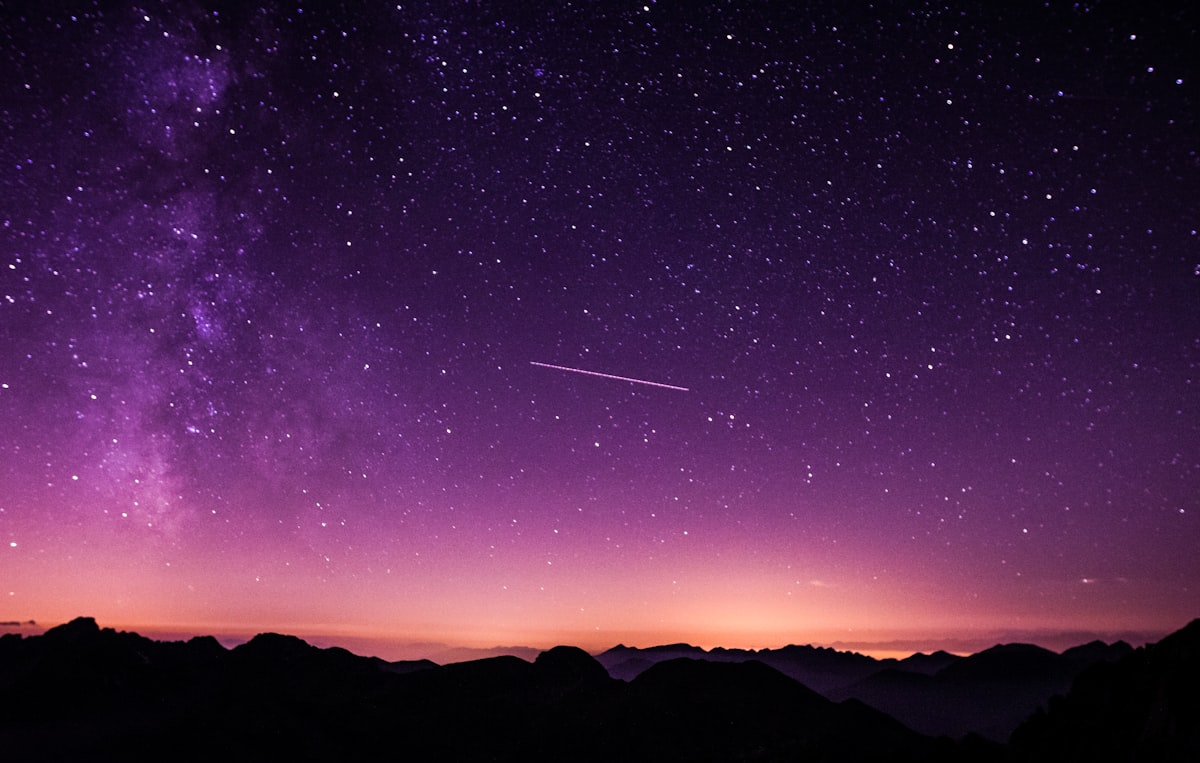
Best stargazing in Saudi Arabia: AlUla, Empty Quarter & Bedouin celestial navigation. Night photography tips & 2026 planning guide.
Key Takeaways
- The Empty Quarter and Nafud Desert have Bortle Class 1 skies — the darkest possible on the light pollution scale
- The Milky Way core is visible with naked eye from any desert camp more than 100 km from a major city
- Best stargazing months: April-September when the galactic core is highest in the sky
- AlUla has organized stargazing experiences with telescopes and astronomer guides at SAR 200-400
- Bring a red headlamp instead of white — it preserves night vision for 30 minutes of dark adaptation
Travel advisory note: this guide includes destinations in Saudi Arabia's far south — Najran, Sharurah, Jazan province and the Farasan Islands — close to the Yemeni border. As of 2026 the US State Department rates Saudi Arabia overall at Level 3 — Reconsider Travel (reissued 13 March 2026) and applies Level 4 — Do Not Travel to the area within 20 miles of the Yemen border; the UK and Canada take a comparable line. Check your own government's current guidance before planning travel to these areas, and note that travel insurance is usually void in do-not-travel zones. See our Saudi Arabia safety guide. The rest of the country is not covered by these border restrictions.
Celestial Experience at a Glance
- Best Season: October–April (cooler, drier, clearest skies)
- Top Locations: AlUla (Gharameel), Empty Quarter, Edge of the World, Harrat Khaybar
- Darkness Rating: Bortle Class 1–2 (among the darkest skies on Earth)
- Tour Cost: SAR 400–800 per person (guided) · SAR 5,000–15,000 (multi-day expedition)
- Best For: Astrophotography, Milky Way viewing, cultural astronomy experiences
- Moon Phase Tip: Plan around new moon for optimal Milky Way visibility
Imagine a canvas of velvety black, stretching infinitely above, adorned with a million pinpricks of light. This is not a dream — it is the reality awaiting you under the pristine night skies of Saudi Arabia. Far from light pollution and blessed with vast, arid landscapes, the Kingdom provides some of the clearest, darkest skies on Earth. Stargazing in the desert here is a celestial experience that connects you to the same constellations that guided Bedouin caravans across these sands for millennia.
From the ancient rock formations of AlUla to the untouched expanse of the Empty Quarter, Saudi Arabia is a stargazer's paradise. This comprehensive guide covers the best locations, essential night photography techniques, the cultural history of celestial navigation in Arabia, and everything you need to plan your 2026 stargazing adventure.
Why Saudi Arabia Offers the World's Best Stargazing
Saudi Arabia's unique geography and climate conspire to create ideal conditions for celestial observation. The vast majority of the country is desert, characterised by minimal human habitation and, consequently, very little light pollution. The dry, arid air — especially during the cooler months — means fewer atmospheric particles to obscure your view, leading to sharper, more vivid images of stars, planets, and distant galaxies.
On the Bortle Dark-Sky Scale (which measures sky darkness from 1 to 9), remote Saudi desert locations regularly score Class 1 or 2. For context, most European countryside locations score 4–5. At Bortle Class 1, the zodiacal light, gegenschein, and zodiacal band are all visible — phenomena invisible to the vast majority of humanity today.
Beyond the scientific advantages, there is a profound cultural dimension. For centuries, Arab astronomers and Bedouin navigators read the stars not merely as decoration but as a practical compass, calendar, and weather forecast. To stargaze in Saudi Arabia is to participate in a tradition that predates written history.
The Ancient Art of Celestial Navigation: Stars as Compass
Long before GPS, the Bedouin of the Arabian Peninsula were among the world's most skilled celestial navigators. Their knowledge system, known as 'Ilm al-Anwa' (the science of star-settings), was not abstract astronomy — it was survival technology.
How the Bedouin Read the Sky
The Bedouin divided the year into 28 manazil (lunar mansions) — segments of the sky through which the moon passes during its monthly cycle. Each mansion was associated with specific weather patterns, seasonal changes, and agricultural timings. When the Pleiades (al-Thurayya) rose before dawn in late spring, it signaled the arrival of intense summer heat. When Canopus (Suhayl) appeared on the southern horizon, cooler weather was approaching.
For navigation, Polaris (al-Jadi, literally "the kid goat") provided the fixed northern reference point. But Bedouin navigators went far beyond this single star. They used the rising and setting points of dozens of stars along the horizon to maintain precise bearings across featureless desert. A skilled navigator could hold a course through hundreds of kilometres of open sand by tracking the progression of stellar positions through the night.
Arabic Contributions to Global Astronomy
The Arabic origins of star names that persist in modern astronomy — Aldebaran (the follower), Betelgeuse (the hand of the giant), Rigel (the foot), Altair (the flying one) — are evidence of the Arab world's foundational role in astronomical science. During the Islamic Golden Age (8th–14th centuries), scholars in Baghdad, Damascus, and Cairo preserved Greek astronomical texts while making original discoveries in optics, celestial mechanics, and instrumentation. The astrolabe, refined by Arab scientists, remained the most sophisticated navigational instrument in the world for over 500 years.
When you stargaze in Saudi Arabia today, you are walking in the footsteps of Abd al-Rahman al-Sufi, the 10th-century Persian-Arab astronomer who created the first systematic catalogue of stars, including the first recorded observation of the Andromeda Galaxy — visible to the naked eye from these same deserts.
Top Stargazing Locations in Saudi Arabia for 2026
While almost any remote desert location in Saudi Arabia offers spectacular views, certain areas stand out for their accessibility, infrastructure, or sheer natural beauty.
AlUla: Ancient Skies Above Ancient Stones
AlUla is Saudi Arabia's flagship stargazing destination. The region's geological formations — towering sandstone pillars, natural arches, and the iconic Elephant Rock — provide a breathtaking foreground to the celestial display. Imagine the Milky Way arching over Hegra's Nabataean tombs or the stars rotating above the Gharameel rock pillars.
- Why it's great: Bortle Class 1–2 darkness, stunning geological foregrounds, growing tourism infrastructure, dedicated 'Falak' (astronomer) guides.
- Key spots: Gharameel (the premier dark sky site), Sharaan Nature Reserve, Harrat Uwayrid volcanic plateau, and luxury camps within the AlUla valley.
- Tours: Guided stargazing experiences from SAR 400–800 (USD 105–210) per person, often including telescopes, traditional Bedouin dinner, and expert astronomy narration.
- Photography tip: The Gharameel rock pillars create extraordinary silhouettes against the Milky Way — arrive 30 minutes before astronomical twilight to scout compositions.
The Empty Quarter (Rub' al Khali): Zero Light Pollution
The Rub' al Khali — the world's largest contiguous sand desert — offers perhaps the most pristine and darkest skies on Earth. This vast, uninhabited expanse stretching across southern Saudi Arabia is virtually devoid of any artificial light. The silence is absolute, and the stars feel close enough to touch.
- Why it's great: Bortle Class 1 darkness (the absolute minimum), unparalleled isolation, the feeling of being on another planet.
- Logistics: Accessing the Empty Quarter requires 4x4 vehicles, experienced guides, and careful planning. Multi-day expeditions depart from Riyadh or Sharurah.
- Tours: Multi-day all-inclusive desert expeditions range from SAR 5,000–15,000 (USD 1,330–4,000) depending on duration and luxury level.
- Photography tip: The unbroken horizon is ideal for capturing the zodiacal light — a faint, triangular glow that appears along the ecliptic before dawn or after dusk.
Edge of the World (Jabal Fihrayn): Riyadh's Dark Sky Escape
A popular excursion from Riyadh, the Edge of the World offers dramatic 300-metre cliffs plunging into an ancient seabed. While not as remote as the Empty Quarter, its elevation and distance from Riyadh's core light pollution make it excellent for accessible stargazing.
- Why it's great: Accessible from Riyadh (90 minutes), dramatic geological backdrop, excellent for overnight camping.
- Best timing: Weekdays for fewer visitors. Some light pollution from Riyadh may be visible on the southeastern horizon, but overhead views remain excellent.
- Access: 4x4 recommended due to unpaved roads. Many local operators offer sunset-to-stargazing trips from Riyadh.
Harrat Khaybar: Volcanic Landscapes Under the Stars
North of Medina, this volcanic field features ancient lava flows, cinder cones, and dormant volcanoes. The stark, alien landscape creates a dramatic stage for the stars — and the basalt rock retains warmth from the day, making cold desert nights more comfortable.
- Why it's great: Unique volcanic scenery, very low light pollution, Mars-like landscape for unique compositions.
- Exploration: Requires a 4x4 and good navigation or a guided tour. Camping is possible in designated areas.
Night Photography in the Saudi Desert: A Complete Guide
Saudi Arabia's dark skies offer extraordinary conditions for astrophotography. Whether you are shooting with a smartphone or a full-frame mirrorless camera, these techniques will help you capture the desert cosmos.
Essential Camera Settings for Milky Way Photography
- Aperture: As wide as your lens allows — f/1.4 to f/2.8 ideal, f/4 workable.
- ISO: Start at ISO 3200, adjust between 1600–6400 based on your camera's noise performance.
- Shutter Speed: Use the 500 Rule (500 ÷ focal length = max seconds before star trails appear). For a 14mm lens: 500 ÷ 14 = ~35 seconds. For a 24mm lens: ~20 seconds.
- Focus: Switch to manual focus. Use live view at maximum zoom on a bright star and adjust until it is a tight point. Do not trust the infinity mark on your lens.
- White Balance: Set to 3800–4200K for natural-looking night skies, or shoot RAW and adjust in post-processing.
Recommended Equipment
- Camera: Any camera with manual mode. Full-frame sensors (Sony A7 series, Canon R6/R5, Nikon Z6) offer the best high-ISO performance.
- Lens: Wide-angle fast lens — 14mm f/2.8 or 24mm f/1.4 are the gold standard for Milky Way photography.
- Tripod: Sturdy, wind-resistant. Carbon fibre tripods handle desert sand better than aluminium.
- Intervalometer: For time-lapse sequences of star rotation above rock formations.
- Red headlamp: White light destroys your night vision for 20–30 minutes. Red preserves it.
- Lens warmer: Prevents dew condensation during the coldest desert hours (2–5 AM).
Smartphone Astrophotography
Modern flagship smartphones (iPhone 16 Pro, Samsung Galaxy S25 Ultra, Google Pixel 9 Pro) include dedicated night/astro modes capable of capturing the Milky Way. Mount your phone on a small tripod, enable the longest exposure available (often 30–60 seconds in pro mode), and let the computational photography work. The results will not match a dedicated camera, but they are remarkable for social sharing and personal memories.
Composition Tips for Desert Starscapes
- Include foreground: A rock formation, tent, or lone tree adds scale and narrative. The best astrophotos tell a story of place, not just sky.
- Light painting: Use a brief flash of warm-toned light (2–3 seconds during the exposure) to illuminate a foreground rock. This creates the "golden sandstone under the Milky Way" look that defines Arabian astrophotography.
- Plan with apps: Use PhotoPills or Stellarium to predict the Milky Way's exact position at your chosen location. The galactic core is best positioned from March to October.
- Shoot in sequences: Capture 8–15 identical exposures and stack them in software (Sequator or Starry Landscape Stacker) to dramatically reduce noise without blurring stars.
Planning Your 2026 Stargazing Trip: Essential Tips
Best Time to Stargaze
The optimal window is October to April. During these months, temperatures are cooler (desert nights can drop to 5–10°C), humidity is lower, and atmospheric dust is reduced. Always check the lunar calendar — plan around the new moon phase for optimal Milky Way visibility. The Milky Way galactic core is best visible from late February through October, with peak positioning in June–August (though summer heat can be extreme).
What to Bring
- Layered clothing: Desert temperatures can swing 25°C between day and night. Pack thermal layers, a warm jacket, hat, and gloves for pre-dawn hours.
- Red-light headlamp: Essential for navigating without destroying night vision.
- Binoculars: 10x50 binoculars reveal Jupiter's moons, the Orion Nebula, and Andromeda Galaxy with stunning clarity.
- Star chart app: SkyView, Star Walk 2, or Stellarium Mobile help identify constellations in real time.
- Water and food: Minimum 2 litres per person for overnight trips. Few facilities exist in remote areas.
- Sand protection: Ziplock bags for camera gear. Fine desert sand infiltrates everything.
Guided Tours vs. Self-Exploration
For most travelers — especially first-timers — a guided tour is recommended. Expert guides provide telescopes, safety in remote areas, and cultural context that transforms stargazing from observation into understanding. If self-exploring, ensure you have a reliable 4x4, GPS with offline maps, satellite communication devices, and inform someone of your itinerary. For visa and logistics planning, see our Saudi Arabia visa guide.
Combining Stargazing with Saudi Adventures
A stargazing trip integrates naturally into broader Saudi itineraries. During the day, explore AlUla's ancient Hegra tombs, ride camels across dunes, hike wadis, or visit the Al-Balad heritage district in Jeddah. The 5-day Riyadh, AlUla and Jeddah route can be enhanced with a stargazing extension in AlUla.
Traditional Bedouin Evenings
Many stargazing tours incorporate authentic Bedouin hospitality: traditional Arabic coffee (qahwa) and dates, Mandi or Kabsa dinner cooked underground, and storytelling around the campfire. These cultural interactions — where your Bedouin host might explain the same constellations his grandfather used for navigation — deepen the experience immeasurably.
Sustainable Stargazing: Preserving the Dark Skies
Saudi Arabia's pristine night skies are a non-renewable resource that careful tourism can help protect. When stargazing in the desert:
- Leave no trace: Pack out everything you bring. Desert ecosystems are fragile.
- Minimise light: Use red-light headlamps only when necessary. Avoid vehicle headlights near stargazing groups.
- Stay on paths: In protected areas like AlUla's Sharaan Reserve, adhere to marked trails.
- Support local operators: Choose locally owned tour companies to ensure tourism benefits desert communities directly.
- Advocate for dark sky protection: AlUla's ongoing Dark Sky Park initiatives deserve visitor support and awareness.
"In the desert, you don't look up at the stars. You look into them. The sky has depth here — layers of light receding into infinity. And in that depth, you understand why the Bedouin never felt alone in the Empty Quarter." — Desert astronomy guide, AlUla
Plan Your Saudi Adventure
Ready to experience the Kingdom? Our AI-powered Trip Planner creates personalized itineraries based on your interests, budget, and travel dates. From Riyadh's skyline to AlUla's ancient tombs — let us help you discover Saudi Arabia your way.
Frequently Asked Questions
- Where are the best stargazing spots in Saudi Arabia?
- The Empty Quarter offers the darkest skies with minimal light pollution and unobstructed desert horizons, ideal for Milky Way photography. AlUla deserts and remote camping sites south of Riyadh also provide excellent stargazing with UNESCO heritage sites nearby.
- What is the best time of year for stargazing in Saudi Arabia?
- October through March offers ideal conditions with cooler temperatures, lower humidity, and clearer skies. New moon periods provide the darkest skies for the best viewing experience.
- Do I need special equipment for stargazing in the Saudi desert?
- The naked eye reveals the Milky Way, major constellations, and planets without equipment, making Saudi Arabia dark skies exceptional for everyone. A headlamp with red light and cameras with tripods enhance the experience but are not required.
- Are there organized stargazing tours available in Saudi Arabia?
- Yes, AlUla offers guided desert astronomy tours through major hotel resorts and tour operators. Empty Quarter camps also arrange stargazing experiences with local Bedouin guides who share centuries-old navigation methods using stars.