Saudi Arabia Safety Tips - Your Complete Security Guide
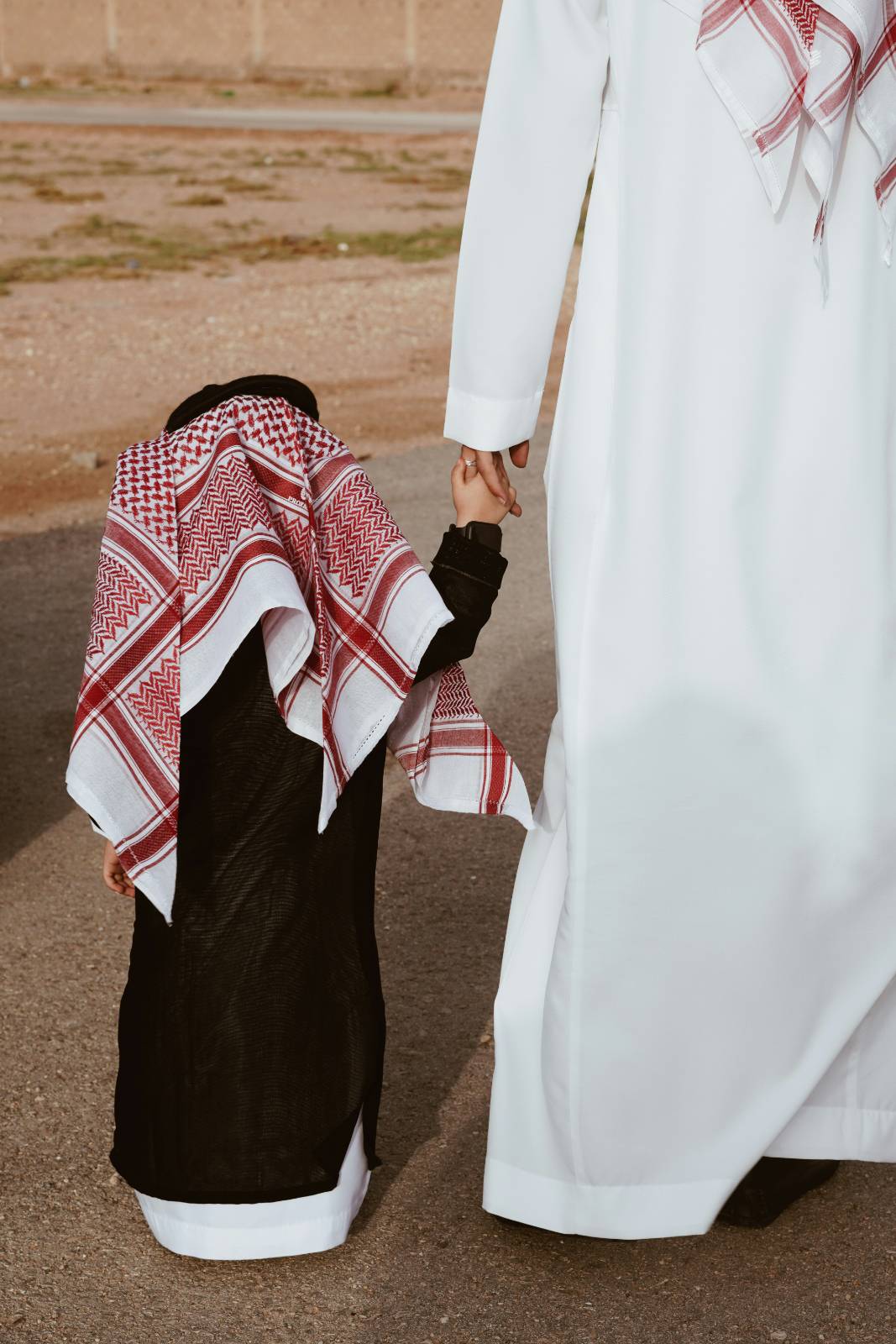
Is Saudi Arabia safe in 2026? Emergency contacts, health tips, scam prevention and regional safety advice for Riyadh, Jeddah & AlUla.
Key Takeaways
- Road traffic and summer heat are the two risks that catch most visitors off guard - plan around both rather than around crime.
- Emergency numbers: 999 for police works nationwide - dial it if in doubt. Ambulance 997, fire 998, traffic accidents 993. A regional 911 line exists in parts of the country, but since exact coverage isn't published consistently, 999 is the one to remember.
- Drive defensively, avoid rural roads after dark (camel collisions are a real cause of fatal accidents), and respect Saher speed cameras - or skip driving and use Uber/Careem.
- Heat is a genuine hazard May-September: drink 3-4 litres daily, use SPF 50, and schedule outdoor sightseeing before 11 AM or after 4 PM.
- Alcohol and drugs carry severe penalties; the abaya has not been mandatory since 2019 but modest dress is expected in public.
- Makkah is closed to non-Muslims entirely, enforced by checkpoints; Medina city is open to all except the central haram zone around the Prophet's Mosque.
Most safety questions about Saudi Arabia are really questions about three things: road traffic, summer heat, and rules that carry real penalties if you don't know them. This guide covers all three, plus emergency numbers, health advice and what actually deserves your attention in Riyadh, Jeddah and AlUla. For official guidance, always check your own government's current travel advisory before you go.
Emergency Numbers to Save Before You Land
- Police: 999
- Ambulance: 997
- Fire / Civil Defence: 998
- Traffic accidents: 993
- If in doubt, dial 999. Police on 999 works everywhere in the Kingdom. A unified 911 line also operates in several regions — Riyadh, the Makkah region and the Eastern Province among them — where one dispatcher routes your call to the right service. Because the exact list of 911 regions is not published consistently, 999 is the number to remember.
Operators who speak English are usually available. State your location first — sharing a live pin from Google Maps with a hotel receptionist or tour guide is often the fastest way to direct help.
Crime: The Risk Most Travellers Overrate
Pickpocketing and theft are rare enough that many residents leave phones on cafe tables without a second thought. That is no reason to abandon habits that serve you everywhere — keep valuables out of sight in crowds, use hotel safes, and prefer app-booked rides late at night — but there is no city district in Riyadh, Jeddah or the tourist regions that guidebooks warn you to avoid for crime.
The few scams that do surface are mild by global standards. Unmetered taxis may quote inflated fares at airports; using Uber or Careem removes the problem entirely. In souqs, opening prices for souvenirs run high and polite haggling is expected — that is commerce, not fraud. Ignore unsolicited online offers for visas or tours and book through official channels; the eVisa portal and licensed operators are straightforward to verify.
One geographic exception: government travel advisories recommend avoiding the immediate border area with Yemen in the far southwest. Every major tourist destination — Riyadh, Jeddah, AlUla, the Red Sea coast, Abha's highlands and the Eastern Province — lies far from it.
Roads: The Risk Most Travellers Underrate
Traffic is the most statistically significant danger in Saudi Arabia. Highways are modern and well lit, but speeds are high, lane discipline is loose and sudden braking is common. If you drive — see our car rental guide for the paperwork — a few rules cut most of the risk:
- Drive defensively and assume the car beside you will change lanes without indicating.
- Avoid rural roads after dark: camels on the carriageway are a genuine and recurring cause of fatal accidents.
- Respect speed cameras (Saher system) — they are everywhere and fines arrive automatically.
- Seatbelts for every seat, always. Traffic accidents go through 993, and you should not move the car until police arrive for anything beyond a scratch.
- In cities, ride-hailing is cheap enough (SAR 25-45 for a typical trip) that skipping driving altogether is a reasonable strategy — costs are broken down in our trip cost guide.
Heat and Health
From May to September, daytime temperatures of 40-48C are normal in Riyadh and Jeddah. Heatstroke is a real hazard, not a footnote:
- Drink 3-4 litres of water daily; bottled water costs SAR 2-5 and is sold everywhere.
- Schedule outdoor sightseeing before 11 AM or after 4 PM in summer; interiors, malls and museums fill the midday hours.
- Use SPF 50 sunscreen, sunglasses and a hat; the sun is strong even in winter.
- Warning signs — dizziness, headache, nausea, skin that stops sweating — mean stop, cool down, rehydrate and seek help if symptoms persist.
Healthcare in Saudi cities is modern, and pharmacies are plentiful and well stocked. Two preparation points matter. First, carry prescription medication in original packaging with a doctor's letter — some substances that are routine elsewhere (certain painkillers, sleeping tablets, CBD products) are controlled or banned; check with a Saudi embassy before flying. Second, arrange proper travel insurance. The eVisa includes basic medical cover, but a policy that adds evacuation, cancellation and adventure activities costs roughly SAR 150-400 for two weeks and spares you private hospital bills that escalate quickly. Tap water is treated, though most people drink bottled. For desert excursions, tell someone your route, carry extra water and fuel, and do not rely on mobile signal between towns — a local SIM helps everywhere else, see the connectivity guide.
Laws and Customs That Actually Affect Visitors
Saudi Arabia has relaxed many rules for tourists since 2019, but several remain strict and carry real penalties:
- Alcohol is prohibited — importing, buying and drinking it, anywhere in the country, for tourists without exception. Consequences can include fines and imprisonment (a judge sets the exact amount or length — there's no fixed published schedule) and, for foreign nationals, deportation typically after completion of any prison term. Media reports about tourist venues serving alcohol from 2026 were officially denied; do not arrive expecting a bar.
- Drug offences are prosecuted with severe penalties, including for quantities other countries treat as minor. Trafficking and dealing carry the death penalty and it is actively applied, including to foreign nationals; simple possession can still mean years in prison, a large fine and deportation. This is stated plainly by multiple governments' own travel advisories (UK FCDO, US State Department) as a "zero tolerance" policy, not an exceptional worst case.
- Dress: the abaya has not been mandatory for foreign women since 2019. Modest dress — shoulders and knees covered — is expected in public for everyone; details in what to wear in Saudi Arabia. Women cover their hair only when visiting mosques.
- Public behaviour: avoid public displays of affection. Unmarried couples can share hotel rooms — receptionists no longer ask — but discretion in public remains the norm.
- Photography: ask before photographing people, especially women, and avoid pointing cameras at government buildings, military sites and airports.
- Religion and politics: proselytising and public criticism of the state or religion are prosecutable. Treat both topics as off-limits in public settings, including social media posts made while in the country.
- Ramadan (18 February – 19 March 2026, confirmed by moon sighting): eating, drinking and smoking in public during daylight hours are prohibited. Hotels serve non-fasting guests discreetly — our Ramadan guide explains the rhythm of the month.
Restricted Places: Makkah and Central Medina
Non-Muslims cannot enter Makkah at all — the entire city is closed to them, and highway checkpoints enforce it, with signed bypass exits well before the boundary. Medina is different: the city itself is open to all visitors, but the central haram zone immediately around the Prophet's Mosque is reserved for Muslims. Non-Muslim travellers can still visit Medina's outer districts, hotels and sites such as the Hejaz Railway Museum. Attempting to enter Makkah as a non-Muslim is a criminal offence in Saudi Arabia; if your route planner suggests a road through Makkah, take the marked non-Muslim bypass.
Notes for Women Travelling Solo
Solo female travel in Saudi Arabia has become increasingly common since dress and mobility rules eased in 2019. Women drive, check into hotels independently and move around freely. Practical points from travellers on the ground: ride-hailing apps beat street taxis for accountability, family sections in restaurants offer quieter seating (singles sections are for men), and staring — while it happens — is rarely followed by approach. Harassment is both socially condemned and criminalised; report it to 999 or via Ministry of Interior channels.
City-Specific Notes
Riyadh
The capital's main hazard is traffic during rush hours (7-9 AM, 4-7 PM). The metro — all six lines running since January 2025 — is a calm, cheap alternative at SAR 4 for a two-hour pass. Business districts and malls are heavily staffed with security; walking after dark in central districts is unremarkable.
Jeddah
Al-Balad's alleys are walkable but uneven underfoot — wear proper shoes and carry water. On the corniche, swim only at designated beaches with lifeguards; Red Sea currents are stronger than the calm surface suggests. For diving and snorkelling, choose licensed operators with maintained equipment.
AlUla
The main risks are environmental: sun exposure at open archaeological sites and dehydration on hikes. Book Hegra through official tours (they include transport and shade), stick to marked trails in the Sharaan area, and expect cold desert nights from November to February — pack layers.
Practical Safety Checklist
- Passport valid six months beyond departure; visa sorted before flying (or eligible for visa on arrival).
- Digital and physical copies of passport, visa and insurance stored separately.
- Register your trip with your embassy and note its emergency line.
- Local SIM for maps, ride-hailing and emergency calls.
- Some cash in small notes; cards work almost everywhere.
- Insurance documents accessible offline.
Sensible preparation is what this destination asks. The combination of modern infrastructure and strict-but-predictable rules makes travel here largely a matter of respecting the road, the sun and the law — check official sources for anything that matters to your specific trip.
Note: This page is general information, not legal advice. Laws in Saudi Arabia — and how strictly they are enforced — can change. Before you travel, check current rules with official sources: your own government's travel advice and the relevant Saudi authorities. Last verified: 30 August 2026.
Sources and Verification
This guide was last checked on 30 August 2026 against the official sources below. Rules, penalties and advisories change; check your own government current travel advice before you travel, because it is written for your nationality.
- Communications, Space and Technology Commission — National Numbering Plan — the regulator that allocates Saudi short numbers. It lists 999 for Police, 998 Civil Defence, 997 Saudi Red Crescent, 993 Traffic and 937 for the Ministry of Health call centre. It lists 911 separately, as Ministry of Interior security reports.
- Saudi Ministry of Health — official health guidance and the national health facility directory.
- Visit Saudi — Saudi Tourism Authority, for official guidance on dress, conduct and destination access.
- UK Foreign, Commonwealth & Development Office — Saudi Arabia travel advice — an official government advisory, used here for the drug-penalty statement above, corroborated by the equivalent US State Department advisory.
Reviewed by the Explore Saudi Editorial Team, 30 August 2026.
Rules That Catch Visitors Out
- Saudi Arabia public decency rules — what the regulations actually say about dress, behaviour in public and photography.
- LGBTQ+ visitors and Saudi Arabia — the legal position, stated plainly, and what it means in practice.
Building your Saudi Arabia itinerary?
Our Trip Planner maps out routes and timing so you're not driving unfamiliar roads after dark, and our hotel guide covers well-located places to stay in Riyadh, Jeddah and AlUla.
If You Are Travelling in December
- MDLBeast Soundstorm 2026 — what a 16+ night festival on open ground north of Riyadh actually asks of you, from ID at the gate to the exit plan at 2am.
Frequently Asked Questions
- Is Saudi Arabia safe for tourists in 2026?
- Saudi Arabia has invested heavily in tourism infrastructure and security since opening to leisure visitors in 2019, and maintains a visible police presence in cities and at major sites. As in any destination, take standard precautions - stay aware in crowds, keep valuables out of sight, use hotel safes - and check your own government's current travel advisory before you travel.
- What is the emergency number in Saudi Arabia?
- Dial 999 for police anywhere in the Kingdom - it's the number to remember if in doubt. Ambulance is 997, fire is 998, and traffic accidents go through 993. A unified 911 line also operates in parts of the country, but since the exact list of regions isn't published consistently, 999 remains the reliable default.
- Is it safe for women to travel alone in Saudi Arabia?
- Solo female travel has become increasingly common since restrictions eased in 2019. Women can drive, check into hotels independently, and move around freely. The same precautions that apply anywhere apply here too: stay aware of your surroundings, share your itinerary with someone, and dress modestly out of cultural respect.
- Do I need travel insurance for Saudi Arabia?
- Travel insurance is strongly recommended and is sometimes required for visa approval. A policy should cover medical emergencies - hospital costs can be high for non-residents - plus trip cancellation and any adventure activities like desert excursions or Red Sea diving.
- Are there areas tourists should avoid in Saudi Arabia?
- Government travel advisories flag the border area with Yemen in the far southwest as higher-risk, due to occasional cross-border incidents, and recommend avoiding it. Every major tourist destination - Riyadh, Jeddah, AlUla, NEOM, the Red Sea coast, Abha's highlands and the Eastern Province - is far from that area. Check your own government's current travel advice before finalizing your route.
- Is tap water safe to drink in Saudi Arabia?
- Tap water in Saudi Arabia is desalinated and treated, though most residents and visitors prefer bottled water for taste. Bottled water is inexpensive (roughly SAR 1-2) and sold everywhere; hotels and restaurants typically serve filtered water.