LGBTQ+ Visitors and Saudi Arabia: Our First-Hand Guide
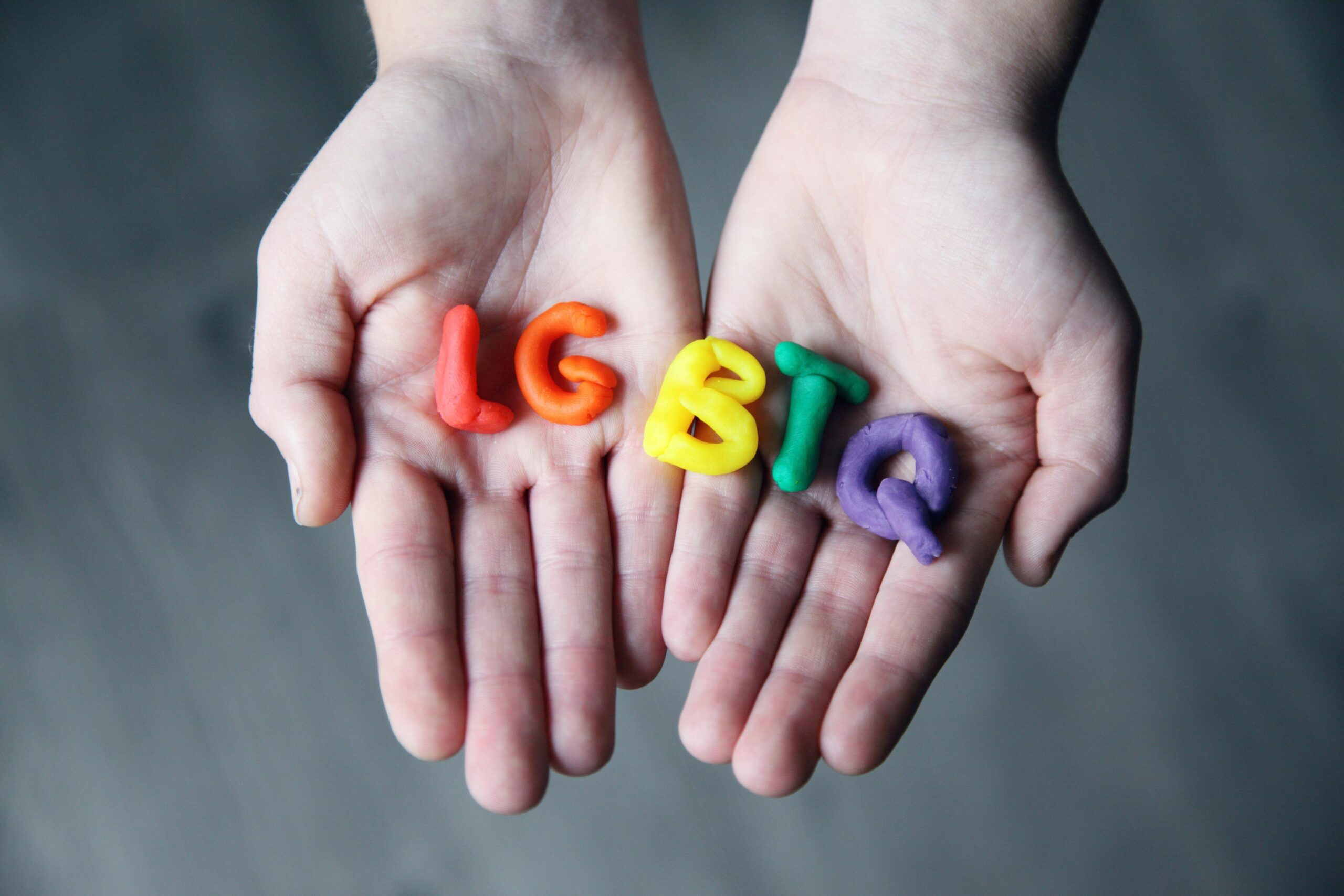
LGBTQ+ travel in Saudi Arabia: what to know about local laws, safety tips, and navigating the Kingdom respectfully as a queer traveler in 2026.
Key Takeaways
- Same-sex relations are illegal under Saudi law and can result in serious legal penalties — LGBTQ+ travellers should exercise significant caution and avoid any public display of affection.
- No registration of relationship status is required at hotel check-in for foreign tourists, but unmarried couples (same or opposite sex) sharing a room may face scrutiny in conservative areas.
- Public behaviour laws apply to everyone: dress modestly, avoid physical contact in public spaces, and be mindful that social norms vary significantly between Riyadh, Jeddah and tourist resort zones.
- Embassies of many Western countries have 24/7 emergency lines — save your country's Riyadh embassy number (+966-11 prefix) before travelling; consular assistance is your primary recourse.
- NEOM and Red Sea Project resort zones operate under slightly different social regulations, but Saudi national law still applies — do not assume the same freedoms as in international resort destinations.
LGBTQ+ travel in Saudi Arabia requires you to know exactly where the country’s public and private boundaries run. They differ significantly from Western norms, and the legal position is unambiguous: same-sex sexual activity is a criminal offence under Saudi law. At a glance: What LGBTQ+ travellers should know
General safety advice for visitors applies here as everywhere — but it does not cover legal risk. Respecting social norms reduces attention; it does not change the law.
Public displays of affection are discouraged for everyone, regardless of sexual orientation.
Private life is largely treated as private, especially in international hotels and tourist areas.
Understanding local boundaries — rather than visibility or identity — is essential, and explained in detail throughout this guide.
This at-a-glance overview is designed to help travellers understand LGBTQ+ travel in Saudi Arabia before arriving.
We get a lot of questions from LGBTQ+ travellers asking the same thing: “Is Saudi Arabia safe for LGBTQ travellers?”
The short answer is yes, but with a very Saudi-specific set of rules.
Saudi Arabia is not a destination where personal identity is discussed openly in public spaces. At the same time, it is not a place where tourists are scrutinised for who they are. What matters most is behaviour, not identity.
Travellers who understand local expectations and move with cultural awareness generally report calm, respectful, and trouble-free experiences.
Law vs. everyday reality
On paper, Saudi Arabia’s laws are conservative and rooted in religious and cultural frameworks that differ significantly from Western legal systems. These laws are often cited online without context, which can create unnecessary fear or confusion.
In everyday reality, the experience for international travellers is far more nuanced. Enforcement is not directed at tourists simply for who they are, but rather at behaviour in public spaces. Discretion, respect, and cultural awareness matter far more than personal identity.
For most visitors, especially those staying in international hotels or travelling for leisure, daily interactions are polite, professional, and uneventful.
This gap between written law and lived reality is where most misunderstandings about Saudi Arabia originate.
Things best avoided
To travel comfortably in Saudi Arabia, it’s best to avoid:
- Public displays of affection, regardless of orientation
- Political or activist symbols and statements
- Public discussions about sexuality with strangers
- Assuming Western social norms automatically apply
The Reality: Privacy Is Your Best Friend
Saudi Arabia draws a very clear line between private life and public behaviour. The Reward of Discretion: By respecting these boundaries, you’ll find that Saudis are incredibly hospitable and welcoming guests into their world. Don’t Ask, Don’t Tell: This is the unspoken rule.Authorities and locals generally do not pry into what happens behind closed doors or in private settings. Public Expression: Avoid any public displays of affection (PDA), regardless of your orientation. In public, you are simply “friends” or “travel companions.”
What we experienced at immigration and hotels
No one has ever asked us about sexual orientation, relationship status, or what happens behind closed doors.
At international hotels in Riyadh, the staff are focused on service details — pillow preferences, late checkout, restaurant reservations — not your personal life. Saudi tourism authorities have made one thing clear: tourists are welcome.
What the law says (and what actually matters)
Same-sex sexual activity is a criminal offence under Saudi law, and there is no legal recognition of LGBTQ+ relationships. This is not a formality: penalties are severe, and the Anti-Cyber Crime Law extends to online activity and material on personal devices.
In practice, LGBTQ+ travel in Saudi Arabia is shaped far more by public behaviour expectations than by private identity. Our golden rule:
> Keeping your private life strictly private is the single most important precaution you can take. It is a precaution, not a guarantee — the law applies regardless.
The social landscape in Saudi Arabia is evolving rapidly, particularly in major cities. While there are no designated “progressive” districts or venues, travelers will find a vibrant and welcoming atmosphere in the following types of spaces:
International Festivals: Large-scale music and cultural events are now common throughout the year. While these events are high-energy and international in feel, visitors should remember that the Public Decency Code still applies at all times. Upscale Specialty Cafes: In the northern districts of Riyadh and the coastal areas of Jeddah, you will find a thriving specialty coffee scene.These cafes are popular meeting points for expats, creatives, and modern-minded locals. They offer a cosmopolitan vibe where mixed-gender socializing is the norm. Creative Hubs and Concept Stores: Many modern districts now feature minimalist concept stores that combine art galleries with lounge spaces. These are excellent places to experience the Kingdom’s contemporary culture in a relaxed, low-profile environment.
Hotels: Can You Share a Room?
This is the number-one concern we hear.
Hotels in Saudi Arabia do not generally ask about the relationship between two adults sharing a room. That is common practice, not a legal safeguard — same-sex sexual activity remains a criminal offence, and discretion is a precaution rather than a guarantee.

What works best
- Stick to international hotel brands (Marriott, Hilton, Accor, Four Seasons).
- These hotels are accustomed to friends, colleagues, and international guests sharing rooms.
- They do not ask questions.
Twin beds are the most low-profile option, but king rooms are rarely questioned in major cities like Riyadh or Jeddah.
“ It is important to note that these regulations apply specifically to international tourists holding foreign passports. Saudi nationals and residents are still required to adhere to local family documentation laws when checking into shared accommodation.“
A note on rural stays
In very small, remote villages, local guesthouses might be more traditional. If you’re heading off the beaten path, stick to the larger towns for your overnight stays.
Digital Privacy and Cybersecurity
Maintaining a secure digital presence is essential for any traveler in the Middle East.
- VPN Usage: Many travelers choose to use a VPN (Virtual Private Network) to secure their personal data and maintain access to their usual communication apps while abroad. This is particularly useful when connecting to public Wi-Fi networks in hotels or airports to protect banking and private information.
- Social Media Responsibility: Under the Saudi Anti-Cyber Crime Law, producing or sharing material that “impinges on public morals or religious values” can lead to serious legal issues.
Be mindful of what you post online or send in messages while inside the country. Avoid sharing content that could be construed as political criticism or a violation of local decency standards.
Digital common sense
- Do not use dating apps in public places
- Avoid hotel lobbies and cafés
- Be sceptical of anyone who is overly eager or intrusive
Avoid in public:
- Hand-holding
- Hugging
- Kissing
For a more relaxed atmosphere, beach clubs in Jeddah feel noticeably looser — culturally closer to the Mediterranean — but the same rules still apply.
Transgender Travellers: Documentation Matters
Saudi society operates within a strict binary framework. This is a particularly important consideration for transgender travellers planning LGBTQ+ travel in Saudi Arabia.
Passport alignment
If your passport photo and gender marker match your appearance, entry is usually smooth.
The “X” marker warning
Passports with an “X” gender marker may face serious issues or denial of entry.
We strongly recommend contacting the Saudi embassy before booking flights.
H ealth and Medication (Transgender Travelers)
For travelers requiring Hormone Replacement Therapy (HRT) or other specific medications, navigating Saudi Customs requires careful preparation:
It must be in the traveler’s name and include the dosage and medical necessity.
Clear Red Lines to Respect
- No pride symbols (flags, pins, stickers)
- No public advocacy
- No photographing people without consent
Final Verdict: Should You Go?
Saudi Arabia is one of the most fascinating destinations on Earth right now.
The scale of the Nabataean tombs in AlUla is humbling.
The hospitality in Jeddah is among the warmest we’ve experienced anywhere.
If you’re comfortable with discretion and respect local norms, you can expect a safe, eye-opening, and genuinely memorable trip.
For many travellers, LGBTQ+ travel in Saudi Arabia is not about activism, but about awareness, discretion, and preparation.
LGBTQ \+ Travel Cheat Sheet — Saudi Arabia
- Hotels: International chains only
- Beds: Twin = zero friction
- Public: No PDA
- Passports: “X” marker = high risk
- Digital: Paid VPN, private use only
- Symbols: Leave pride gear at home
- Legal emergency: Contact your embassy immediately
- Tourism Police: 930
A realistic conclusion
Saudi Arabia is not a destination for activism or self-expression in the Western sense.
It is, however, a country in transition — and one that increasingly welcomes international visitors who travel with respect and understanding.
For LGBTQ+ travellers who are informed, discreet and culturally aware, Saudi Arabia is navigable. The legal risk does not disappear with good preparation, and no guide — including this one — can promise you will not encounter problems. The key is not visibility, but awareness of what the law actually says.
As with any destination, understanding general public conduct rules helps travellers navigate daily life more confidently. A practical overview of Saudi Arabia’s public decency rules is available here.
Important: Safety and Discretion Disclaimer
Notice for All Travelers: Homosexuality remains illegal in Saudi Arabia. While the Kingdom has significantly opened its doors to international tourism, the legal framework is governed by Sharia law and the Saudi Anti-Cyber Crime Law. This guide is provided strictly for safety and risk reduction purposes for travelers. It is not an endorsement of public activism or the expression of views that conflict with local religious and cultural values.Discretion is the most critical tool for a safe and respectful visit.
Plan Your Saudi Adventure
Ready to experience the Kingdom? Our AI-powered Trip Planner creates personalized itineraries based on your interests, budget, and travel dates. From Riyadh's skyline to AlUla's ancient tombs — let us help you discover Saudi Arabia your way.
Plan Your Saudi Adventure
Ready to experience the Kingdom? Our AI-powered Trip Planner creates personalized itineraries based on your interests, budget, and travel dates. From Riyadh's skyline to AlUla's ancient tombs — let us help you discover Saudi Arabia your way.
Note: This page is general information, not legal advice. Laws in Saudi Arabia — and how strictly they are enforced — can change. Before you travel, check current rules with official sources: your own government's travel advice and the relevant Saudi authorities. Last verified: 9 August 2026.
Frequently Asked Questions
- What are the laws regarding LGBTQ+ in Saudi Arabia?
- Saudi Arabia has strict laws regarding LGBTQ+ expression. Same-sex relationships are not legal, and public displays of affection between same-sex couples may attract attention. LGBTQ+ visitors should exercise caution and discretion regarding personal identity.
- Is it safe for LGBTQ+ visitors to travel to Saudi Arabia?
- Same-sex sexual activity is a criminal offence in Saudi Arabia and can carry severe penalties; there is no legal recognition of LGBTQ+ relationships and no anti-discrimination protection. Many LGBTQ+ travellers do visit without incident, and enforcement against foreign tourists who keep their private life private is not commonly reported — but that is a matter of practice, not of law, and it is not a guarantee. Anyone considering a trip should weigh that legal exposure deliberately, avoid public displays of affection, be aware that device searches and online activity fall under the Anti-Cyber Crime Law, and consult their own government's current travel advice.
- What should LGBTQ+ travelers know about Saudi customs?
- Saudi Arabia is a conservative Islamic society where public displays of affection (regardless of gender) are uncommon. LGBTQ+ travelers should dress modestly, avoid PDA, and be respectful of local religious and cultural norms.
- Are there LGBTQ+-friendly areas or communities in Saudi Arabia?
- While Saudi Arabia lacks openly LGBTQ+-friendly establishments, some cosmopolitan areas in Riyadh, Jeddah, and Dammam are more tolerant. Private social circles and online communities exist, but public expression remains limited due to cultural and legal constraints.