Saudi Arabia for Families
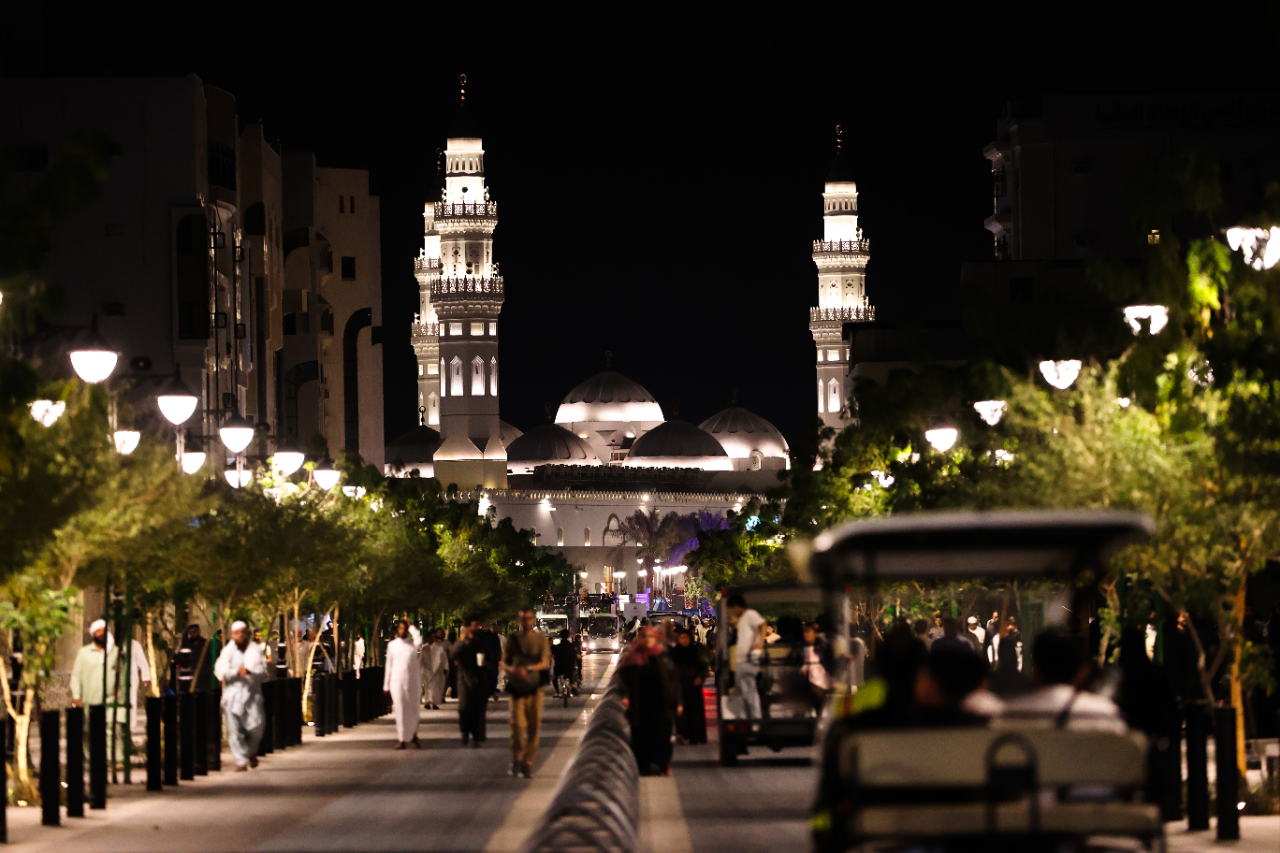
Family travel in Saudi Arabia: October-April is the workable window, the eVisa costs SAR 535 per person, and Makkah stays closed to non-Muslims.
Key Takeaways
- October to April is the workable window for families: Riyadh, Jeddah and AlUla sit at roughly 20-32C, while May to September regularly passes 40C inland.
- Every family member needs their own passport and visa. The eVisa costs SAR 535 for citizens of 66 countries including medical insurance, or about SAR 480 on arrival at Riyadh, Jeddah and Dammam; one year, multiple entry, 90 days per stay.
- Six Flags Qiddiya City opened on 31 December 2025 southwest of Riyadh with 28 attractions - the first Six Flags park outside North America. Height limits apply on the big rides.
- Makkah is closed to non-Muslims - the whole city, not just the mosque. Non-Muslims may visit Madinah city but not the central precinct around the Prophet's Mosque.
- Family costs are low once you are there: Riyadh Metro SAR 4 for two hours, National Museum about SAR 10, Diriyah Pass SAR 50-100 with under-12s free, Hegra tours from SAR 95, mid-range city hotels SAR 300-800 a night.
- Modest dress applies to adults, not small children: an abaya has not been required for foreign women since 2019, but covered shoulders and knees are expected, more strictly in Madinah.
Travelling in Saudi Arabia with children is mostly a question of heat, distance and timing. The country is large, the summer is punishing, and the sights are far apart — but the practical side is easier than most families expect: clean tap-friendly cities, modern hospitals, ride-hailing everywhere, and children who are welcome almost anywhere adults are. This guide covers what a family actually needs to decide before booking: when to go, what it costs, which places have rules you must know in advance, and how to string it all into a route that small legs can manage.
Before You Book: Visas, Money, Weather
Visas. Citizens of 66 countries can apply for the Saudi tourist eVisa at the official portal, visa.visitsaudi.com. It costs SAR 535 including the mandatory medical insurance, and it is valid for one year, multiple entry, with stays of up to 90 days per visit. The same nationalities can instead take a visa on arrival for about SAR 480 at Riyadh, Jeddah and Dammam airports. Every traveller needs their own passport and their own visa, children included — budget for that when you count heads.
Money. The riyal has been pegged at SAR 3.75 to the US dollar since 1986, so the exchange rate holds no surprises. Cards and phone payments work almost everywhere, including metro gates and most souq stalls. Family-relevant prices are low: the Riyadh Metro charges SAR 4 for a two-hour pass, the National Museum costs about SAR 10, and the Diriyah Pass runs roughly SAR 50–100 (free from 1 May to 30 September) with under-12s free. Our budget guide has the full cost picture.
Weather. October to April is the window that makes family travel workable, with daytime highs of roughly 20–32°C in Riyadh, Jeddah and AlUla. From May to September, inland temperatures regularly pass 40°C, which means outdoor plans shrink to early mornings and evenings. The mountain southwest around Abha stays mild all year at over 2,000 metres. The month-by-month guide compares the trade-offs.
What to wear. An abaya has not been required for foreign women since 2019. The expectation for adults is modest clothing — shoulders and knees covered — with stricter norms in Madinah and at heritage sites. Young children are not held to it. Swimwear is normal at hotel pools and resort beaches, not on public ones. Details in our dress code guide.
Riyadh With Children
The capital is the easiest first stop because everything is close to a metro station. Six lines and 85 stations opened to the public in phases through 2025, a two-hour pass costs SAR 4, and the gates accept contactless bank cards directly — no ticket queue with a pushchair.
The big new draw for families is Six Flags Qiddiya City, which opened on 31 December 2025 southwest of Riyadh. It is the first Six Flags park built outside North America, with 28 attractions including Falcon's Flight, and it changes the calculation for anyone travelling with older children or teenagers. Height restrictions apply on the larger coasters, so check them before you promise anything.
For younger children the city works better in smaller pieces: King Abdullah Park has open lawns, playgrounds and an evening fountain show with free entry; the National Museum tells the story of Arabia through models and reconstructions that hold attention better than a text panel would; and Al Masmak Fort, the mud-brick citadel in the old centre, is free and takes about an hour. Diriyah, the restored mud-brick district on the city's northwestern edge, is the single best half-day: wide car-free lanes, plenty of shade and food at the Bujairi Terrace next door. If your dates fall between October and March, Boulevard City runs as part of Riyadh Season with rides and shows. More in the Riyadh travel guide.
Jeddah and the Red Sea
Jeddah suits families who want water and a slower pace. The Corniche runs for kilometres along the sea with playgrounds, cycle paths and King Fahd's Fountain, which fires seawater high over the harbour after dark — free, and the easiest evening in the country with children. Al-Balad, the coral-stone old town on the UNESCO list since 2014, is worth a morning; the lanes are narrow and the walking adds up, so plan a juice stop rather than a full loop with under-fives.
The Red Sea itself is the reason many families come. Reef snorkelling trips leave from the marinas north of the city at roughly SAR 250–600 per person depending on the boat, and most operators set a minimum age. Resort beaches south and north of Jeddah handle small children better than boat trips do. Our Jeddah guide maps the practical options.
AlUla: What Works With Kids and What Doesn't
AlUla is spectacular and hot, in that order. Hegra, Saudi Arabia's first UNESCO World Heritage Site, is visited only on guided tours booked in advance through Experience AlUla, from about SAR 95 — there is no ticket desk at the site, so this cannot be a spur-of-the-moment decision. The tour runs by coach between tomb clusters, which is a real advantage with children: the walking comes in short bursts.
Elephant Rock is free, takes twenty minutes, and is at its best in the hour before sunset — the reliable family win in AlUla. The oasis walking paths through the date palms are shaded and flat. The adventure activities marketed for AlUla — zip lines, buggies, balloon flights — nearly all carry age and height minimums, so verify them before you build a day around one. Book AlUla accommodation early: town hotels and guesthouses generally run SAR 400–800 a night, while the resort tier starts far higher.
Makkah and Madinah: The Rule Families Ask About Most
This is the one thing you cannot improvise. Makkah is closed to non-Muslims — the entire city, not only the mosque. Checkpoints on the approach roads enforce it, and there are no exceptions for children or accompanying family members.
Madinah is different: non-Muslims may visit the city, but not the central precinct immediately around Al-Masjid an-Nabawi, the Prophet's Mosque. Signage marks the boundary. Muslim families travelling to either city are on a different trip entirely and should plan around prayer times and pilgrimage seasons.
The Haramain high-speed train matters here too. It links Madinah, Jeddah and Makkah in about two hours end to end, with economy fares from around SAR 150. Non-Muslim travellers simply get off at Jeddah.
Where Families Sleep
City hotels in Riyadh and Jeddah typically run SAR 300–800 a night at the mid-range level, and most international chains sell connecting rooms or family rooms at the upper end of that. Serviced apartments are usually the better answer for a stay longer than three nights: a kitchenette, a washing machine and a separate bedroom solve more problems than a hotel pool does. Supermarkets — Panda, Danube, Tamimi, Carrefour — stock formula, nappies and familiar brands in every major city, so there is no need to overpack consumables.
In AlUla, town guesthouses beat resorts on value and on sanity with small children; in the Asir highlands, mountain hotels are simple but cool. Our hotel guide filters by city and property type.
Getting Around, and Health
Uber and Careem operate in every major city and are the default with children; bring your own car seats or confirm availability in advance, because supply is inconsistent. Domestic flights on Saudia, flynas and flyadeal cover the long hops — Riyadh to Jeddah, Abha or AlUla in about 90 minutes to two hours — and are worth the money when the alternative is a full driving day. A rental car makes sense in AlUla and the southwest, where fuel is cheap and distances are the point.
On health: medical facilities in the major cities are modern, and 999 works nationwide as the emergency number (a unified 911 line also serves Riyadh, Makkah, Madinah and the Eastern Province). Vaccination requirements are set for pilgrims and for arrivals from countries with yellow fever risk; ordinary tourist visits normally have none, but confirm the current rules for your passport country and speak to a travel clinic four to six weeks ahead. Comprehensive travel insurance covering all family members is the sensible baseline — the eVisa's included policy is basic. Heat and sun are the practical risks worth planning for: hats, high-SPF sunscreen, and more water than you think.
Two more things that shape a day. Some shops and attractions pause briefly around prayer times five times daily, so build meals and shopping around them rather than into them. And alcohol is illegal throughout the country for everyone, which quietly removes a whole category of venue — and cost — from a family trip. Broader context in our etiquette guide.
Two Routes That Work With Children
Seven days, city and desert. Three nights Riyadh (metro, Diriyah, National Museum, Qiddiya for older kids), fly to AlUla for three nights (Hegra tour, Elephant Rock at sunset, oasis walk), fly home from AlUla via Riyadh. Short flights, two bases, no long drives.
Ten days, coast and heritage. Three nights Jeddah (Corniche, Al-Balad in the morning, a beach day), three nights AlUla, then back to Jeddah for the Red Sea and a final city day — or continue to the Asir highlands if the heat is a concern. The 10-day family itinerary sets it out day by day.
Either way, plan fewer stops than the map tempts you to. The distances in Saudi Arabia are the thing that catches families out, not the culture.
Turning this into an actual family route?
Ages, nap times and flight legs decide a Saudi itinerary more than the sights do. The Trip Planner lets you set the pace and length of each stop, and the hotel guide filters for family rooms, apartments and pools by city.
Frequently Asked Questions
- What is the best time of year to visit Saudi Arabia with children?
- October to April. Daytime highs across Riyadh, Jeddah and AlUla sit at roughly 20-32C in that window. Between May and September inland temperatures regularly pass 40C, which pushes anything outdoors into the early morning or after dark. The Asir highlands around Abha stay mild all year at over 2,000 metres and are the usual summer alternative.
- Do children need their own visa for Saudi Arabia?
- Yes. Every traveller needs their own passport and their own visa, regardless of age. Citizens of the 66 eligible countries pay SAR 535 for the tourist eVisa at visa.visitsaudi.com, medical insurance included, or about SAR 480 for a visa on arrival at Riyadh, Jeddah and Dammam airports. Both are valid one year, multiple entry, with stays of up to 90 days per visit.
- Can our family visit Makkah and Madinah?
- Makkah is closed to non-Muslims - the entire city, not only the mosque, and checkpoints enforce it. There are no exceptions for children. Madinah is different: non-Muslims may visit the city but not the central precinct immediately around Al-Masjid an-Nabawi, the Prophet's Mosque. The Haramain high-speed train serves all three cities; non-Muslim travellers exit at Jeddah.
- Are there theme parks and family attractions in Saudi Arabia?
- Six Flags Qiddiya City opened on 31 December 2025 southwest of Riyadh with 28 attractions, including the Falcon's Flight coaster; height restrictions apply on the larger rides. Riyadh also runs Boulevard City as part of Riyadh Season between roughly October and March. For younger children, King Abdullah Park in Riyadh and the Jeddah Corniche playgrounds are free and easier.
- What do families need to wear in Saudi Arabia?
- An abaya has not been required for foreign women since 2019. Adults are expected to dress modestly, with shoulders and knees covered, and the expectation is stricter in Madinah and at heritage sites. Young children are not held to it. Swimwear is normal at hotel pools and resort beaches, but not on public beaches.
- What should we know about health and emergencies with children?
- Medical facilities in the major cities are modern and 999 works nationwide as the emergency number. Vaccination requirements exist for pilgrims and for arrivals from countries with yellow fever risk; a normal tourist trip usually has none, but check the current rules for your passport country and see a travel clinic four to six weeks before departure. Take travel insurance that covers every family member - the policy bundled with the eVisa is basic.