Best Desert Sunset Spots near Riyadh: 2026 Edition
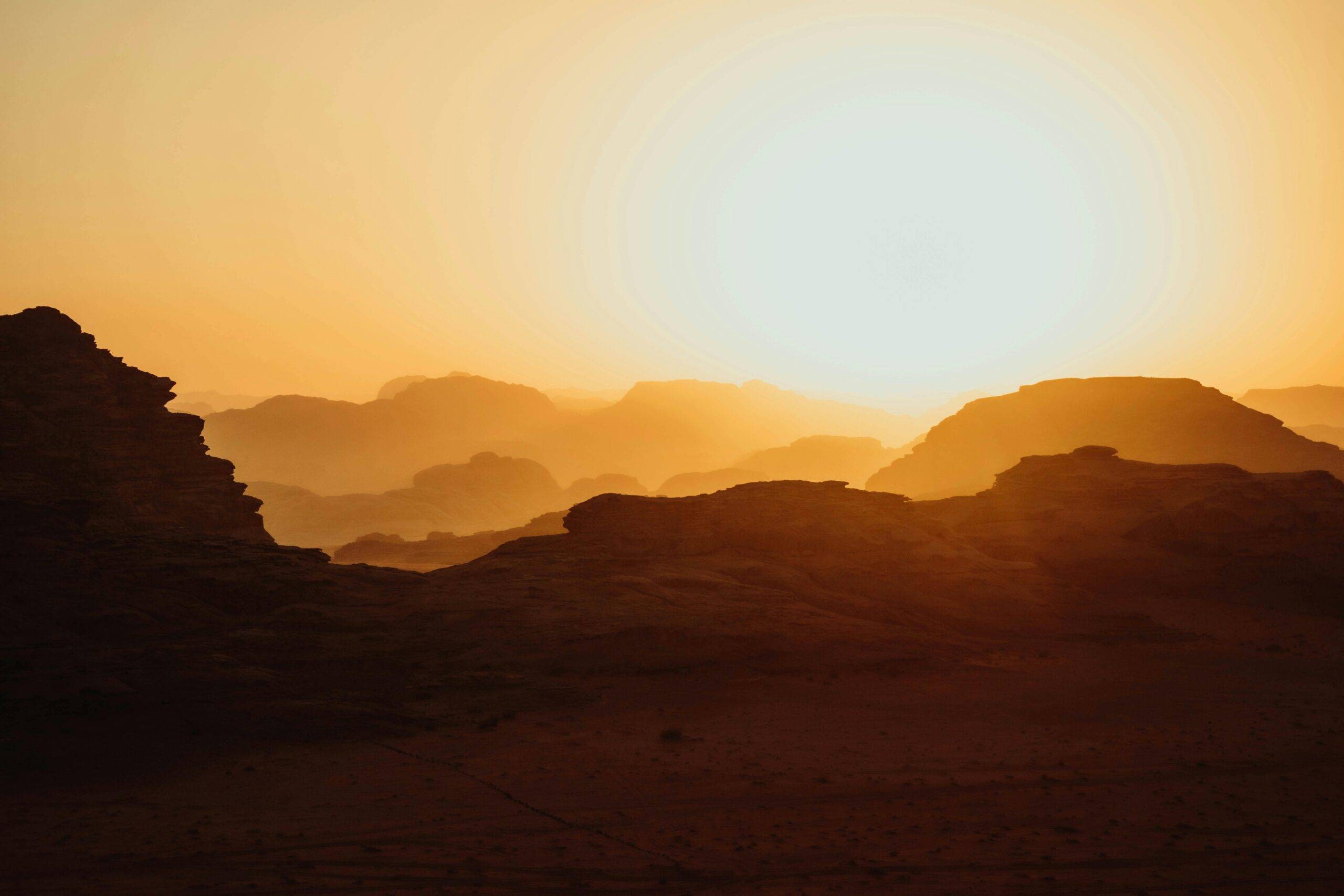
Best desert sunset spots near Riyadh 2026: Edge of World, Thumamah Park, Wadi Hanifah & Empty Quarter camps. Golden hour photography guide.
Key Takeaways
- Edge of the World (Jebel Fihrayn) is 90–100 km northwest of Riyadh — the last 15–20 km are rough track, so a 4x4 or tour (SAR 350–600 pp) is essential; winter sunset falls around 17:30.
- The Red Sand Dunes near Muzahimiyah, about 50 km southwest on the Makkah highway, are the closest true dunes to Riyadh — any car reaches the roadside sand, and quad rentals run SAR 100–200/hour.
- Wadi Hanifah is the no-4x4 option: 15–45 minutes from central Riyadh, free, fully paved, and the easiest sunset spot with small children.
- Kharrarah National Park's seasonal 'Secret Lake' (80–100 km southwest) only holds water after winter rain, typically late winter to spring — check conditions before driving out.
- Desert temperatures drop sharply after sunset — from around 32 °C at dusk to under 20 °C within an hour in winter; always pack warm layers.
- Golden hour peaks about 40 minutes before official sunset and the strongest afterglow comes 15–20 minutes after — prayer-time apps list Riyadh's exact sunset minute.
Best Desert Sunset Spots near Riyadh: 2026 Edition
Riyadh sits on a plateau ringed by three different kinds of desert: the cliffs of the Tuwaiq escarpment to the northwest, red dune fields to the southwest, and open acacia plains to the northeast. Each produces a completely different sunset. This guide covers the five most reliable spots for 2026 — what each one costs, what car you need, and when to arrive — so you can match the drive to the evening you want.
Quick Facts for Desert Sunsets around Riyadh
- Best months: October to April. Summer heat makes late-afternoon desert trips genuinely risky.
- Sunset window: roughly 17:00–17:45 in winter, 18:30–19:00 in summer. Prayer-time apps show the exact minute for Riyadh.
- Currency: Saudi Riyal (SAR); 1 USD ≈ 3.75 SAR.
- Vehicle: two of the five spots need a 4x4; two are fine in any car.
- Photography: bring a tripod — the best colour arrives 20 minutes after the sun drops.
- Signal: mobile coverage is patchy beyond the paved roads; download offline maps.
1. Edge of the World (Jebel Fihrayn): the Cliffside Classic
The most famous sunset in central Saudi Arabia happens at the Edge of the World, where the Tuwaiq escarpment drops around 300 metres to an ancient seabed that runs flat to the horizon. Late light rakes across the cliff faces and the plain below holds haze that turns orange, then violet. Camel caravans once crossed this plain on trade routes, and you can still trace old tracks from the viewpoints.
The site is open and heavily toured in 2026, but the approach has not been tamed: the final 15–20 km are unpaved, rocky track. Take a 4x4 or book a tour — sedans do not make it. Groups typically set up folding chairs and thermoses of Arabic coffee an hour before sunset; if you want the rim viewpoints to yourself, arrive two hours early and walk further along the escarpment than the first parking area.
Edge of the World logistics
- Distance: 90–100 km northwest of Riyadh; 1.5–2 hours each way.
- Vehicle: 4x4 only. Travel in convoy or with an operator — recovery from soft patches is routine.
- Tours: group trips generally cost SAR 350–600 per person including transfer, snacks and a guide; book ahead for winter weekends.
- Bring: water, warm layers, a headlamp, a charged power bank and sturdy shoes.
- Safety: there are no barriers on the cliff edge. Keep children well back and leave before full darkness unless your driver knows the track.
2. Red Sand Dunes near Muzahimiyah: Colour and Activity
The red dune belt off the Riyadh–Makkah highway near Muzahimiyah — often just called the Red Sands — is the closest classic dune scenery to the capital, about 50 km southwest of the city centre. The sand here carries a genuinely red-orange tint that deepens as the sun falls, and the dune crests give clean sight lines to the west. It is also the busiest activity spot in the region: quad bikes and dune buggies are rented along the roadside, and families spread carpets on the lower slopes every winter weekend.
You can park a normal car at the roadside staging areas and walk onto the sand; driving up the dunes themselves is strictly 4x4 territory with lowered tyre pressure. If you want quiet dunes rather than engine noise, walk 15 minutes away from the rental strip — the crowd thins fast.
Red Sands logistics
- Distance: about 50 km southwest on Highway 40; 45 minutes to an hour from central Riyadh.
- Vehicle: any car reaches the roadside sand; 4x4 needed on the dunes.
- Activities: quad bike rental typically SAR 100–200 per hour — negotiate, and check brakes and helmets before paying.
- Arrive: two hours before sunset if you want to ride first, then watch from a crest.
- Bring: sunglasses and a scarf — blowing sand is constant when the wind is up.
3. Wadi Hanifah: the No-Effort Option inside the City
Not every sunset needs an expedition. Wadi Hanifah, the rehabilitated valley that runs 80 km through and past Riyadh, delivers palm groves, water channels and west-facing rock walls within 20–30 minutes of most of the city. The landscaped sections south of Diriyah have paved parking, walking paths and picnic spots, and the low evening light through the palms is a photographer's standby when there is no time for the desert proper.
It is free, works in any car, and pairs well with dinner afterwards in Diriyah's Bujairi Terrace or a stop at one of the city's specialty coffee roasters on the way home. For a full evening route through the valley, our Riyadh weekend adventure guide maps the best sections.
Wadi Hanifah logistics
- Distance: 10–30 km from central Riyadh depending on the section; 15–45 minutes.
- Vehicle: any car — access is fully paved.
- Cost: free.
- Arrive: an hour before sunset is enough.
- Family notes: playgrounds, flat paths and no drops — the easiest option with small children.
4. Kharrarah National Park and the "Secret Lake"
Southwest of Riyadh, past the Red Sands, Kharrarah National Park mixes soft dune fields with a gravel plain that floods after winter rain. When the seasonal water is present — typically late winter through spring — the shallow lake mirrors the sky at dusk, and the combination of red dunes and reflected colour is the most photogenic scene in the region. In dry months the dunes alone still justify the drive for anyone wanting solitude; weekday evenings here are close to empty.
Kharrarah logistics
- Distance: 80–100 km southwest; 1.5–2 hours.
- Vehicle: 4x4 strongly recommended — the sandy approach tracks bog down 2WD cars.
- Cost: park access is free; guided trips run roughly SAR 400–750.
- Check first: the lake is rain-dependent — ask recent visitors or local guides whether water is standing before you commit to the drive.
- Bring: a wide-angle lens; the reflections reward it.
5. Thumamah: Open Plains and Bedouin-Style Camps
North and northeast of the city, the Thumamah area offers a different desert: flat, open plains dotted with acacia trees, where the sun sets into a clean, uninterrupted horizon. Crowds are thinner than at the Red Sands, and this is the classic zone for evening desert camps — operators run Bedouin-style setups with carpets, firepits, barbecue dinners and stargazing after dark. Escarpment views, camel herds and complete silence between the highway and the camps.
Thumamah logistics
- Distance: 50–80 km north/northeast; 1–1.5 hours.
- Vehicle: 2WD reaches the perimeter roads and most camps; 4x4 for open-desert driving.
- Cost: open desert access is free; organised camp evenings with dinner typically cost SAR 500–1,000 per person.
- Arrive: 90 minutes before sunset to settle in before the light show.
- Stay on: this is the best of the five spots for stargazing — the city glow sits low on the southern horizon.
Planning Essentials
Convoy rule: for Edge of the World and Kharrarah, never drive alone. Two vehicles minimum, or a licensed operator. Tell someone your route and expected return.
Vehicle prep: full tank, spare tyre checked, tyre pressure lowered on sand (reinflate at the highway petrol stations afterwards). Carry more water than seems reasonable — 4 litres per person is a sensible floor even in winter.
Temperature swing: a 32 °C afternoon can become a sub-20 °C evening within an hour of sunset in winter. Bring an actual jacket, not a hopeful hoodie.
Timing: golden hour peaks about 40 minutes before the listed sunset time, and the strongest colour often comes 15–20 minutes after the sun disappears. Plan to stay for the afterglow, then drive out with headlights checked.
Leave no trace: pack out everything, keep off vegetation patches, and give camel herds a wide berth on the tracks.
Booking a tour instead
If you would rather not drive, licensed operators in Riyadh run all five locations. Group tours cost roughly SAR 350–800 per person depending on distance and dinner; private 4x4 tours for two to four people run SAR 1,000–2,500. Confirm what is included (transfer, entry arrangements, food), the vehicle type, and the cancellation terms before paying — and for photography-focused trips, tell the operator you want to stay through the afterglow, or they will pack up at sunset.
After Dark: Stargazing and Camping
The desert around Riyadh does its second show after the light goes. On moonless winter nights, Thumamah and Kharrarah both offer real darkness within 90 minutes of the capital, and most sunset camp packages roll straight into stargazing with Arabic coffee and dates by the fire. Overnight camping is common and legal in the open desert; glamping operators around Thumamah offer heated tents in winter if sleeping bags are not your style.
For more ideas within striking distance of the capital — including day trips that combine sunset spots with heritage sites — see our Riyadh day-trip guide and the full Riyadh travel guide.
Which sunset fits your Riyadh evenings?
Tell our Trip Planner how many nights you have in the capital and it will slot Edge of the World, the Red Sands or a Thumamah camp around the rest of your itinerary — and if you are still choosing a base, our hotel guide compares Riyadh stays by district and budget.
Frequently Asked Questions
- Where can I watch the sunset in the desert near Riyadh?
- The five most reliable spots are Edge of the World (90–100 km northwest, 4x4 needed), the Red Sand Dunes near Muzahimiyah (about 50 km southwest, any car), Wadi Hanifah inside the city, Kharrarah National Park with its seasonal lake (80–100 km southwest), and the Thumamah plains north of the city, where most Bedouin-style evening camps operate.
- What is the best time of year for a desert sunset near Riyadh?
- October to April, when late afternoons are warm rather than dangerous and sunset falls between roughly 17:00 and 17:45. Arrive 1.5–2 hours before sunset at the remote spots. Summer trips are risky: daytime heat regularly passes 43 °C and the light show is shorter.
- Can I camp overnight in the desert around Riyadh?
- Yes — open-desert camping is common and legal, and the Thumamah area is the classic zone for it. Operators run Bedouin-style camps with dinner and stargazing for roughly SAR 500–1,000 per person, and winter glamping setups offer heated tents. Independent campers should travel in convoy and expect near-freezing winter nights.
- Do I need a guide or tour to visit these spots?
- Not legally, but for Edge of the World and Kharrarah you should either join a tour or drive in a convoy of at least two 4x4s — soft sand recoveries are routine and mobile signal is patchy. Wadi Hanifah and the roadside Red Sands are safe to visit independently in any car.
- Do I need a 4x4 for the Riyadh desert?
- For Edge of the World and Kharrarah, yes. For the Red Sands you only need one if you want to drive on the dunes themselves — parking and walking on is fine in a sedan. Wadi Hanifah and the Thumamah perimeter are fully accessible in any car.