Cash or Card in Saudi Arabia: Payment Guide for Tourists
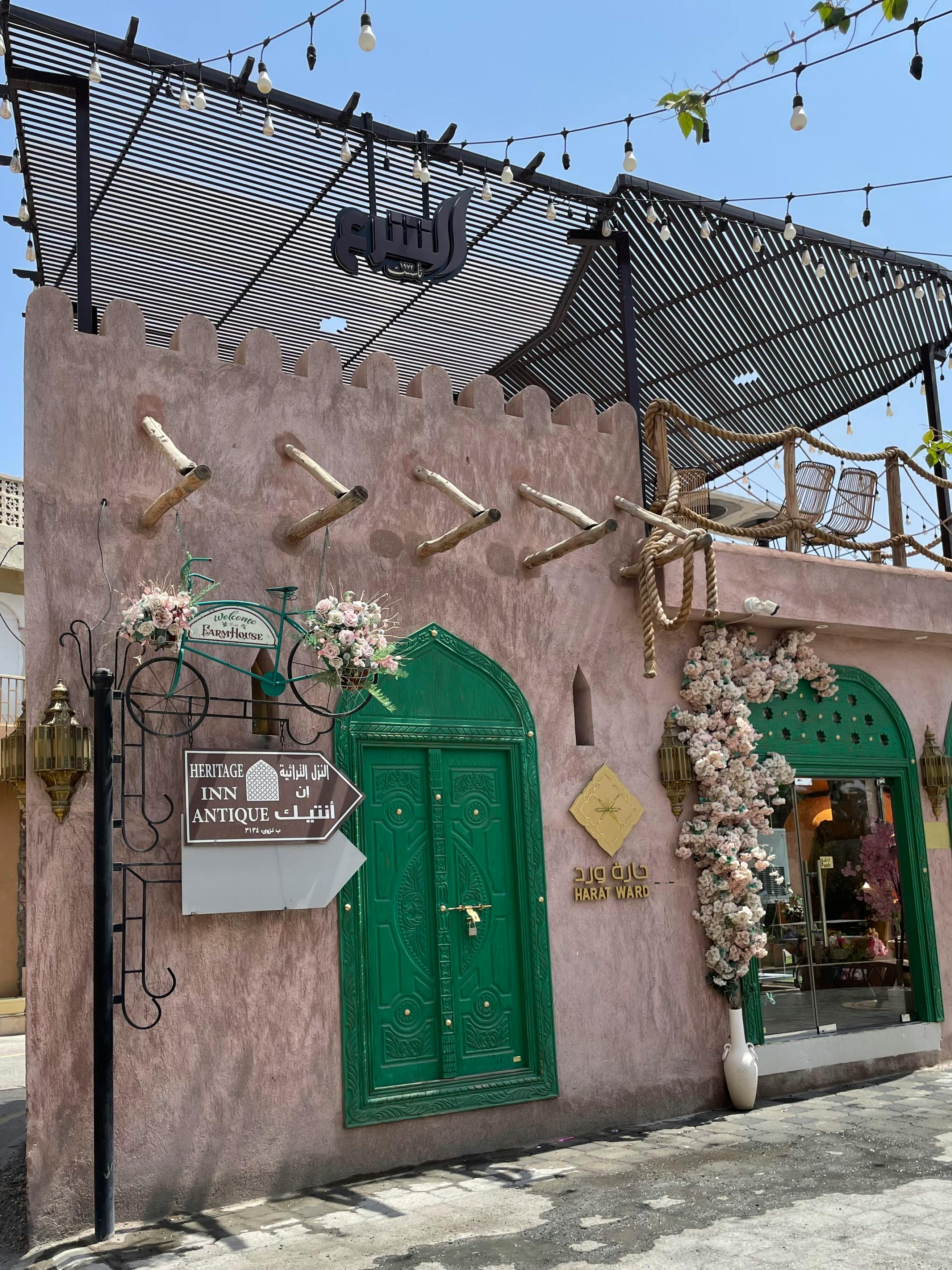
Saudi Arabia is nearly cashless - cards and mada work almost everywhere. Keep SAR 200-300 cash for taxis, souqs and tips. 2026 payment guide for tourists.
Key Takeaways
- Cards dominate in cities — Riyadh, Jeddah, and AlUla tourist sites accept Visa/Mastercard widely, but rural villages, desert camps, and small-town souqs are cash-only.
- Keep SAR 200–300 in cash at all times: entry fees to heritage sites (e.g., Hegra costs SAR 95 per adult), tip for hotel porters (SAR 10–20), and local taxis outside Uber coverage zones.
- Dynamic currency conversion (DCC) at Saudi terminals adds 3–5% — always choose to pay in SAR, not your home currency, when the terminal prompts you.
- Al-Rajhi, Riyad Bank, and SNB ATMs are widely used for local withdrawals — local fees are typically low, though foreign bank surcharges may still apply, so withdraw larger amounts (SAR 500+) to minimize per-transaction costs.
- During Hajj and Umrah seasons, Makkah and Madinah vendors are overwhelmingly cash-based due to high pilgrim volumes — carry SAR 500–1,000 in small notes if visiting religious sites.
Saudi Arabia runs on cards. Visa, Mastercard and the local mada network are accepted at nearly every hotel, restaurant and shopping mall, and Apple Pay/Google Pay work at most modern point-of-sale terminals. Keep roughly SAR 200-300 in cash for taxis, small vendors and traditional souqs, and you're covered for the rest of the trip.
Quick Facts for Your 2026 Trip
- Currency: Saudi Riyal (SAR), pegged at approximately 1 USD = 3.75 SAR.
- Card acceptance: Widespread in cities, hotels and modern retail; patchy in traditional souqs, small shops and rural areas.
- ATMs: Common in cities — look for Al Rajhi Bank, Saudi National Bank (SNB), Riyad Bank or Alinma Bank.
- Digital wallets: Apple Pay, Google Pay and mada Pay are widely accepted at NFC terminals.
- Tipping: Not obligatory; 10-15% is appreciated in restaurants, SAR 5-10 for porters.
- Visa: Travelers from 66 eligible countries can get an e-Visa online for SAR 535; see our visa guide.
- Best practice: Carry two cards from different networks plus SAR 200-300 cash.
Where Cards Work
Hotels, malls, chain restaurants and cafes in Riyadh, Jeddah and AlUla take cards without issue, and contactless payment is standard. This is part of the Kingdom's Vision 2030 push toward a cashless economy, and coverage keeps expanding. American Express is accepted at larger hotels and upscale restaurants, though less universally than Visa or Mastercard.
The exception is smaller or more traditional businesses: a tea stall in a historic quarter, a vendor inside a souq, or a shop in a smaller town may prefer — or require — cash, even if the business next door takes cards.
Where You'll Need Cash
Traditional souqs, independent street food stalls and small bakeries are frequently cash-only. Budget on carrying small notes (5, 10, 20, 50 SAR) for a bottle of water (SAR 2-3), a coffee (SAR 5-10) or a souvenir, and for taxis hailed on the street rather than booked through Uber or Careem. Outside the main tourist cities, card infrastructure thins out further.
ATMs and Currency Exchange
ATMs are common at bank branches, malls, supermarkets and airports. Most international debit and credit cards work, but expect a foreign-transaction fee from your home bank plus a possible local charge — check with your bank before you fly, and withdraw larger amounts less often to cut per-transaction costs.
- Tell your bank you're travelling, to avoid a fraud block on your card.
- Use ATMs in banks or malls, not standalone street machines.
- Decline dynamic currency conversion — always choose to be charged in SAR, not your home currency; your bank's own rate is usually better.
Currency exchange offices ("sarraf") operate at airports, hotels and city centers, but their rates are typically less favorable than a bank ATM withdrawal for larger sums.
Typical Costs (2026)
- Budget hotel: SAR 150-300/night (~$40-80)
- Mid-range hotel: SAR 300-750/night (~$80-200)
- Local meal (shawarma, falafel): SAR 15-30 (~$4-8)
- Mid-range restaurant meal: SAR 50-150/person (~$13-40)
- Taxi/ride-share, short trip: SAR 20-50 (~$5-13)
- Museum entry: SAR 20-100 (~$5-27)
See our full trip cost guide for a day-by-day budget breakdown.
By Scenario
Hotels
All but the smallest guesthouses take major cards. Keep some cash for porters and housekeeping tips.
Restaurants and cafes
Chains and modern cafes take cards and digital wallets; small local eateries are more likely cash-only. Asking "Hal yumkin al-dafa bil-bitaqa?" (can I pay by card?) works if you're unsure.
Souqs and shopping
Malls and international stores are fully card-enabled. Souqs are predominantly cash-based — bring notes if you're planning to buy spices, textiles or souvenirs.
Transport
Uber and Careem are card-linked and widely used in cities. Street taxis often prefer cash. Intercity buses (SAPTCO) can usually be booked online or at the station by card.
Digital Wallets and Mobile Payments
Apple Pay, Google Pay and the domestic mada Pay are accepted anywhere that takes contactless card payments — increasingly the default at supermarkets, cafes and retail chains. If your card is already linked to a digital wallet before you travel, using it in Saudi Arabia is usually seamless. Digital wallets carry the same acceptance limits as physical cards, though: don't expect to pay for a camel ride or a small souq purchase with your phone. Keep a physical card and some cash as backup.
Common Payment Mistakes to Avoid
- Accepting dynamic currency conversion: when a terminal asks whether to charge in SAR or your home currency, choose SAR — the "convenience" of seeing your home currency usually comes with a worse exchange rate.
- Assuming small towns match city coverage: card acceptance drops fast outside Riyadh, Jeddah and the main tourist circuit — carry more cash than you think you'll need once you leave the big cities.
- Not telling your bank you're traveling: a card flagged for suspicious activity can lock you out mid-trip with no easy local fix.
- Carrying only one card: a lost, blocked or demagnetized card with no backup is one of the most common money problems travelers report.
Sample Daily Budget
A realistic day for a mid-range traveler: SAR 400-600 for a hotel room, SAR 100-150 for two restaurant meals plus a coffee, SAR 60-100 for local transport, and SAR 50-150 for a museum or attraction entry — roughly SAR 650-950 (~$175-255) per person per day before flights and tours. Budget travelers using cheaper hotels, local eateries and public transport can bring this closer to SAR 250-400 (~$65-105); luxury travelers in five-star hotels with private guides should expect SAR 1,500+ (~$400+).
Tipping in Cash or by Card
Tipping isn't mandatory, but 10-15% for good restaurant service is standard, and many bills now add a service charge automatically — check before tipping twice. Card payments don't usually include a tip line the way US terminals do, so keep small notes handy if you want to tip a driver, porter or tour guide directly.
Regional Differences
Card coverage is close to universal in Riyadh, Jeddah and AlUla's main tourist areas. It thins out in smaller towns and rural areas, and during Hajj and Umrah seasons, vendors around Makkah and Madinah handle very high pilgrim volumes and lean heavily cash-based — carry SAR 500-1,000 in small notes if you're visiting during those periods.
Exchanging Money Before You Arrive
Saudi Riyals are not always easy to find at exchange counters outside the Gulf region, so most travelers arrive with USD, EUR or GBP and exchange or withdraw after landing rather than pre-buying SAR at home. Airport ATMs and exchange counters at King Khalid International (Riyadh), King Abdulaziz International (Jeddah) and Prince Mohammad bin Abdulaziz International (Madinah) are reliable first stops, though rates are typically a little better once you're in the city.
If You Run Out of Cash
Hotel front desks can sometimes exchange small amounts for guests, and every mall has at least one ATM or currency exchange counter. Western Union and similar services operate in most cities if you need an emergency transfer from home. Keep your bank's international phone number saved separately from your phone, in case you need to unblock a card while abroad.
Tracking Expenses for Business Trips
If you're claiming expenses, ask for an itemized receipt ("fatura") at restaurants and hotels — most POS terminals print one automatically, though souq vendors may only offer a handwritten note. Corporate cards work the same way personal cards do; the acceptance gaps in souqs and small towns apply regardless of card type.
Money-Safety Basics
- Carry at least two cards from different networks in case one is lost or blocked.
- Keep a small emergency cash reserve (around $100-200) somewhere separate from your main wallet.
- Decline dynamic currency conversion at the terminal — pay in SAR.
- Keep valuables out of sight in crowded souqs, the same precaution that applies in any busy market worldwide.
Budgeting the rest of your trip?
Our Trip Planner builds a day-by-day itinerary with cost estimates, and our hotel guide breaks down what a room actually costs by city and star rating.
Frequently Asked Questions
- Should tourists carry cash or use cards in Saudi Arabia?
- A combination of both is recommended. Cards are accepted in cities and tourist areas, but carry SAR cash for small vendors, taxis, and traditional markets. ATMs are widely available, so withdrawing cash as needed minimizes currency exchange fees.
- Are there places where only cash is accepted in Saudi Arabia?
- Yes, traditional souks, small street food vendors, and independent shops often operate cash-only. Bedouin camps and remote desert locations may also prefer cash. Always have SAR on hand when venturing outside major city centers.
- What should I do if an ATM declines my card in Saudi Arabia?
- Try a different ATM from another bank—many foreign cards work with certain banks but not others. Visit a major bank branch during business hours and withdraw over the counter with your passport. Contact your home bank to ensure your card is activated for international use.
- Is tipping expected when paying with cash vs. card in Saudi Arabia?
- Tipping is not mandatory but is appreciated at 10-15% for good service in restaurants. Many establishments now add a service charge automatically on bills. Round-up tips are acceptable for casual dining and taxis, whether paying with cash or card.