Climate and Weather in Saudi Arabia
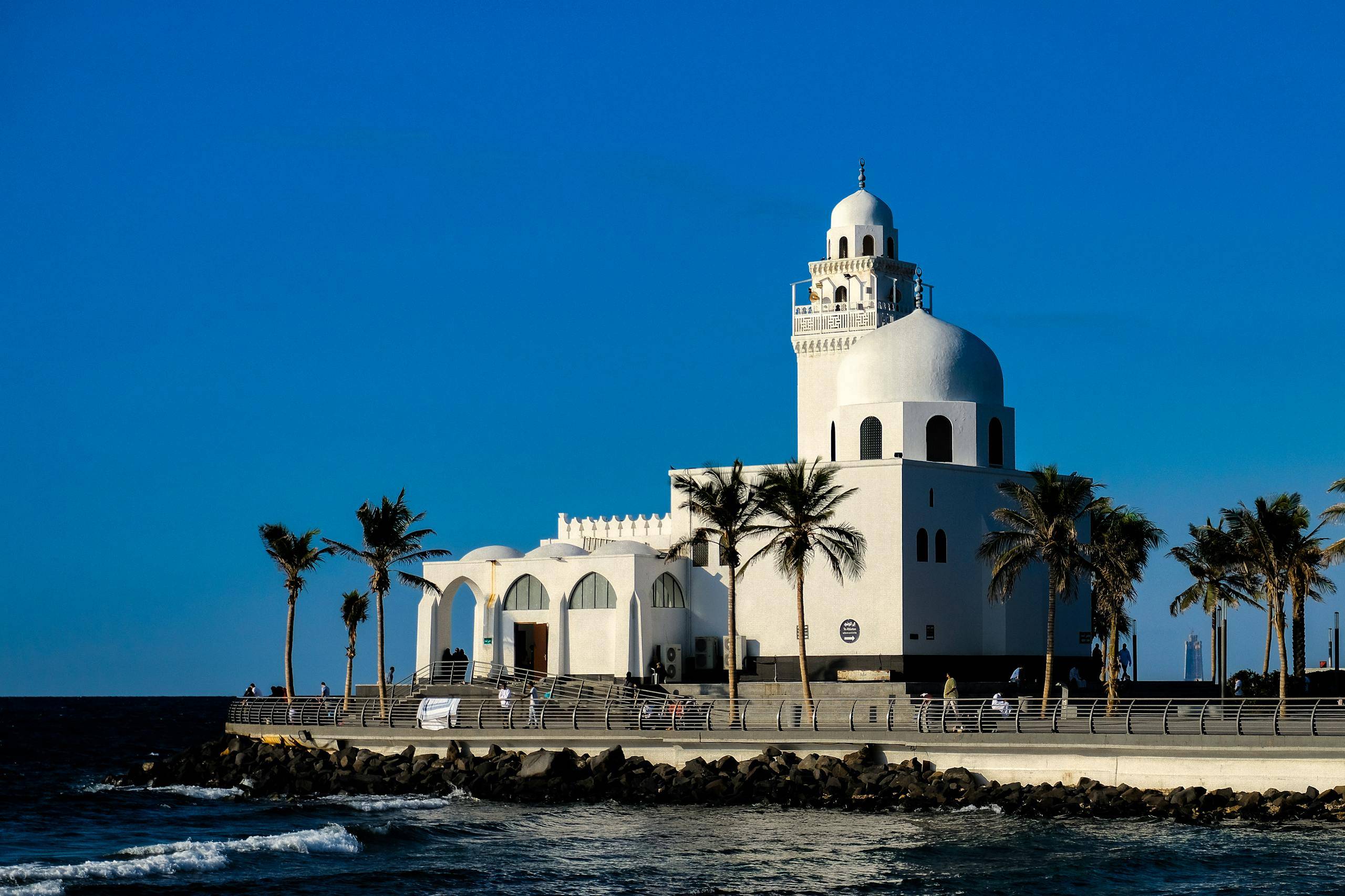
Saudi Arabia climate guide: monthly temperatures for Riyadh, Jeddah, Abha & AlUla. Season-by-season packing lists, desert night chill vs coastal humidity tips.
Key Takeaways
- Best overall travel window: October to March, when Riyadh sees 18-28°C days and AlUla 20-27°C - also peak season, so book 6-8 weeks ahead.
- Riyadh summers (June-August) hit 45°C+; schedule outdoor plans before 9 AM or after 5 PM and never leave water or electronics in a parked car.
- Jeddah's humidity makes 30°C feel like 38°C - pack moisture-wicking synthetics, not cotton, for the Red Sea coast.
- Desert regions swing 15-20°C between day and night; AlUla and Tabuk nights drop to 5°C or below in winter, so bring warm layers for stargazing and camps.
- Abha (about 2,200 m) is the summer refuge at 27-28°C with July-August monsoon rain; Taif is also far cooler than the coast.
- Shamal sandstorm season is March-May: keep a dust mask and eye drops handy in central regions, and pull over if visibility collapses while driving.
Climate in Saudi Arabia is not experienced as an exception, but as a constant. Light, heat, and seasonal shifts form the environmental backdrop against which everyday life unfolds. Understanding the Kingdom's diverse weather patterns — from scorching desert interiors to humid Red Sea coasts and cool highland retreats — is essential for planning your trip. This guide gives you monthly numbers for the four most-visited regions, the two climate traps that catch first-time visitors, and packing lists by season; for a decision-ready summary, see our guide to the best time to visit Saudi Arabia.
2026 Seasonal Travel Windows: When to Visit Each Region
Planning a trip requires understanding not just average conditions but the micro-seasons that define each region. Here is our guidance by quarter:
January–March: The Golden Window
This remains the premium travel season. Riyadh enjoys 18–25°C days with clear skies. AlUla's winter cultural season fills these months with events and heritage programming. The Asir Highlands see occasional frost at elevations above 2,500 m around Jabal Sawda — cold mornings, extraordinary light for photography. Pro tip: Book accommodations 6–8 weeks ahead; this window sells out across all regions.
April–May: The Shoulder Season Opportunity
Temperatures climb to 32–36°C in Riyadh and Jeddah but remain pleasant in the highlands (22–26°C). The Asir receives its spring rains, turning hillsides green — the only time of year Saudi Arabia looks almost temperate. AlUla stays workable through April (highs around 32°C) but becomes hard going in May. Budget tip: Hotel rates are often 25–40% lower than in peak season.
June–September: The Specialist Season
Interior temperatures regularly exceed 45°C. This season still has real advantages: Jeddah diving peaks with warm water and excellent visibility, the Asir Highlands remain the Kingdom's cool refuge (24–28°C) with summer festival programming around Abha and Soudah, and Riyadh's malls and indoor attractions run extended evening hours. Essential: Plan outdoor activities before 9am or after 5pm.
October–December: The Return to Comfort
October marks the rapid temperature descent — Riyadh drops from 36°C to 28°C within weeks. This is AlUla's opening season for winter cultural programming, and Riyadh Season — the capital's biggest entertainment period — typically launches in October with concerts and themed zones. November brings flash flood risk on the Red Sea coast; check weather alerts before Jeddah coastal excursions.
Monthly Temperature by Region
Saudi Arabia spans four distinct climate zones. This month-by-month breakdown covers the four most-visited regions, helping you choose the right time for your destination.
Riyadh (Central Desert)
| Month | High °C | Low °C | Rain mm | Rating |
|---|---|---|---|---|
| January | 20 | 8 | 11 | ⭐ Ideal |
| February | 23 | 10 | 7 | ⭐ Ideal |
| March | 28 | 14 | 22 | ✅ Good |
| April | 34 | 20 | 17 | ✅ Good |
| May | 40 | 25 | 4 | ⚠️ Hot |
| June | 43 | 28 | 0 | 🔥 Extreme |
| July | 45 | 30 | 0 | 🔥 Extreme |
| August | 45 | 29 | 0 | 🔥 Extreme |
| September | 42 | 26 | 0 | ⚠️ Hot |
| October | 36 | 21 | 3 | ✅ Good |
| November | 28 | 15 | 10 | ⭐ Ideal |
| December | 22 | 9 | 9 | ⭐ Ideal |
Key insight: Riyadh's desert climate creates dramatic day-night swings of 15–20°C. A January afternoon at 20°C drops to 8°C after sunset—layering is essential. Summer months (June–August) regularly exceed 45°C, making outdoor exploration inadvisable between 10am and 4pm.
Jeddah (Red Sea Coast)
| Month | High °C | Low °C | Rain mm | Humidity % |
|---|---|---|---|---|
| January | 29 | 19 | 11 | 58 |
| February | 29 | 19 | 3 | 56 |
| March | 31 | 21 | 3 | 55 |
| April | 34 | 23 | 3 | 54 |
| May | 37 | 26 | 1 | 52 |
| June | 39 | 27 | 0 | 48 |
| July | 40 | 29 | 0 | 46 |
| August | 39 | 29 | 1 | 52 |
| September | 38 | 28 | 1 | 58 |
| October | 36 | 26 | 3 | 59 |
| November | 33 | 23 | 29 | 61 |
| December | 30 | 21 | 14 | 60 |
Key insight: Jeddah never gets cold—lows rarely drop below 19°C. The challenge is humidity, which stays above 55% from October to March and makes 30°C feel like 38°C. Moisture-wicking fabrics are non-negotiable here. November is the wettest month with flash-flood risks.
Abha (Asir Highlands)
| Month | High °C | Low °C | Rain mm | Rating |
|---|---|---|---|---|
| January | 20 | 6 | 5 | ✅ Cool & dry |
| February | 21 | 7 | 10 | ✅ Cool & dry |
| March | 23 | 9 | 25 | ⭐ Ideal |
| April | 24 | 11 | 40 | ⭐ Green season |
| May | 26 | 13 | 30 | ⭐ Ideal |
| June | 28 | 15 | 8 | ⭐ Ideal |
| July | 27 | 15 | 55 | 🌧️ Monsoon |
| August | 27 | 15 | 65 | 🌧️ Monsoon |
| September | 26 | 13 | 20 | ⭐ Ideal |
| October | 24 | 10 | 10 | ⭐ Ideal |
| November | 22 | 7 | 15 | ✅ Cool |
| December | 20 | 5 | 5 | ✅ Cool & dry |
Key insight: Abha is Saudi Arabia's mountain escape—summer highs barely reach 28°C when Riyadh bakes at 45°C. The Indian Ocean monsoon brings July–August rains, creating lush green landscapes rare in the Arabian Peninsula. Winter nights drop to 5°C, so pack a proper jacket.
AlUla (Northern Desert)
| Month | High °C | Low °C | Rain mm | Rating |
|---|---|---|---|---|
| January | 20 | 5 | 5 | ⭐ Ideal |
| February | 23 | 8 | 3 | ⭐ Ideal |
| March | 27 | 12 | 6 | ⭐ Ideal |
| April | 32 | 17 | 5 | ✅ Good |
| May | 37 | 22 | 2 | ⚠️ Getting hot |
| June | 41 | 25 | 0 | 🔥 Extreme |
| July | 42 | 27 | 1 | 🔥 Extreme |
| August | 42 | 27 | 2 | 🔥 Extreme |
| September | 39 | 24 | 0 | ⚠️ Hot |
| October | 34 | 18 | 2 | ⭐ Ideal |
| November | 27 | 12 | 5 | ⭐ Ideal |
| December | 21 | 6 | 6 | ⭐ Ideal |
Key insight: AlUla's desert canyon location creates the most extreme day-night temperature swings in Saudi Arabia—up to 20°C difference. January nights can drop to 5°C or below, with occasional frost. The October–March heritage season aligns perfectly with comfortable exploring weather and the best golden-hour photography light.
Desert Night Chill vs. Coastal Humidity: The Two Climate Traps
First-time visitors consistently make the same two mistakes: underestimating desert cold and underestimating coastal humidity.
The Desert Night Chill (Riyadh, AlUla, Tabuk)
Desert regions lose heat rapidly after sunset due to low humidity and clear skies. The temperature can drop 15–20°C in just two hours after sunset. A comfortable 25°C afternoon in March becomes a shivering 8°C by 9pm in AlUla.
- Physics: Sand and rock radiate heat quickly without cloud cover or moisture to trap warmth
- Danger zone: December–February nights regularly hit 3–8°C in AlUla and northern Tabuk
- Practical impact: Evening desert excursions, stargazing tours, and open-air dining require warm layers
The Coastal Humidity Trap (Jeddah, Dammam, Yanbu)
Coastal cities rarely drop below 19°C, but humidity above 60% makes 30°C feel like 40°C. The "feels like" temperature is the real metric here, not the thermometer reading.
- Physics: The Red Sea and Arabian Gulf act as heat reservoirs, preventing nighttime cooling
- Danger zone: June–September in Jeddah combines 39°C heat with 50%+ humidity
- Practical impact: Cotton becomes heavy and soggy; synthetic moisture-wicking fabrics are essential
What to Pack: Season-by-Season Guide
Winter Season (November–February)
For Desert Regions (Riyadh, AlUla, Tabuk):
- Lightweight down jacket or fleece for evenings (temperatures drop to 5–10°C)
- Long trousers and closed shoes for daytime
- Warm scarf or shawl—doubles as prayer cover and wind protection
- Beanie/warm hat for AlUla stargazing nights
- Sunglasses and SPF 30+ (winter sun is still strong at this latitude)
For Coastal Regions (Jeddah, Dammam):
- Breathable cotton or linen layers—daytime highs still reach 28–30°C
- Light rain jacket (November–December sees occasional flash rains)
- Moisture-wicking base layer for humidity management
- Comfortable walking sandals with grip (wet marble floors in malls/mosques)
Spring Season (March–April)
Spring is the sweet spot—warm but not extreme across all regions. The key challenge is temperature variability within a single day.
- Convertible clothing: zip-off trousers, roll-sleeve shirts
- Light cardigan or windbreaker for desert evenings
- Comfortable hiking shoes for heritage sites (Hegra, Diriyah, Edge of the World)
- Wide-brim hat and high-SPF sunscreen
- Dust mask or buff for occasional spring sandstorms (shamal winds peak in March–April)
- Antihistamines if allergic—wildflower blooms in Asir highlands
Summer Season (May–September)
Summer travel is possible but requires deliberate preparation. Focus on indoor attractions, malls, and evening activities.
- Fabric rule: Synthetic moisture-wicking only—avoid cotton, which traps sweat
- Electrolyte packets (dehydration risk is real above 42°C)
- Portable fan or cooling towel
- Loose-fitting, light-colored clothing covering shoulders and knees
- Insulated water bottle (water heats to uncomfortable temperatures within 30 minutes outdoors)
- UV-blocking sunglasses (Category 3 or 4 lenses)
Exception—Abha: Summer highs only reach 27–28°C in the highlands. Pack for spring weather with a rain jacket for July–August monsoon showers.
Autumn Season (October)
October is the transition month—temperatures drop quickly but summer heat lingers in southern coastal areas.
- Layering system: t-shirt + light fleece + windbreaker
- Comfortable shoes for extended walking (heritage season opens in AlUla)
- Camera gear with UV filters (exceptional golden-hour light for photography)
- Light scarf for mosque visits and respectful coverage
Sandstorm Season & Preparation
Sandstorms (shamal) occur primarily from March to May, with a secondary window in September. They're most common in central and northern Saudi Arabia.
- Duration: Most storms last 2–6 hours; major storms can persist for 1–2 days
- Visibility: Can drop below 100 meters during severe storms
- Preparation: Keep a dust mask/buff, sealed bag for electronics, and eye drops in your day bag
- Driving: Pull over during severe storms. Rental car insurance typically excludes sandstorm damage to windshields
Regional Climate Comparison at a Glance
| Factor | Riyadh | Jeddah | Abha | AlUla |
|---|---|---|---|---|
| Summer High | 45°C | 40°C | 28°C | 42°C |
| Winter Low | 8°C | 19°C | 5°C | 5°C |
| Annual Rain | 83mm | 68mm | 278mm | 35mm |
| Humidity | Low | High | Moderate | Very Low |
| Day-Night Swing | 15°C | 8°C | 12°C | 18°C |
| Main Challenge | Extreme heat | Humidity | Monsoon rain | Night cold |
| Best Months | Nov–Feb | Oct–Apr | Year-round | Oct–Mar |
Practical Climate Tips
- Hydration: Drink 3–4 liters daily in summer, 2 liters in winter. Dehydration symptoms (headache, fatigue) appear before you feel thirsty
- Sun protection: UV index reaches 11+ (extreme) year-round. Reapply SPF 50 every 2 hours
- Prayer times: Some outdoor attractions close during midday prayer (12:00–12:30). Use this as your own rest period during hot months
- Air conditioning: Indoor spaces are aggressively cooled to 18–20°C. Carry a light layer for malls, restaurants, and museums
- Vehicle preparation: Keep water, a phone charger, and sunshade in your rental car. Steering wheels reach 60°C+ in direct summer sun
Traveling During Ramadan (Next: February–March 2027)
Ramadan shifts about 11 days earlier each year. Ramadan 2026 ended on March 19; the next Ramadan is expected to run from about February 8 to March 8, 2027, with final dates confirmed by moon sighting shortly beforehand. That places it once again in Saudi Arabia's most pleasant weather window — culturally rich and climatically comfortable.
Weather During Ramadan 2027
- Riyadh: Daytime highs of 21–26°C, cool nights around 9–13°C. Clear skies for most of the month.
- Jeddah & Makkah region: Warm and pleasant at 28–31°C with moderate humidity. Note that the holy city of Makkah itself is open to Muslims only; non-Muslim travelers can experience Ramadan atmosphere in Jeddah and across the rest of the country.
- AlUla & Tabuk: Cool and crisp at 20–25°C daytime, dropping toward 5–8°C at night. Pack layers for evening desert excursions.
- Abha & Asir Highlands: Mild 20–22°C with possible light rain — the greenest time of year in the highlands.
Cultural Etiquette for Visitors
Saudi Arabia welcomes non-Muslim visitors during Ramadan. Understanding local customs will significantly improve your experience:
- Eating and drinking: Refrain from eating, drinking, or smoking in public between sunrise and sunset. Hotels and some restaurants provide screened dining areas for non-fasting guests.
- Dress code: Dress more conservatively than usual—shoulders and knees covered for both men and women.
- Music and noise: Keep music volume low in public. The overall atmosphere is more contemplative and serene.
- Greetings: "Ramadan Kareem" (Generous Ramadan) is the standard greeting and always appreciated.
- Photography: Ask permission before photographing people praying or breaking their fast.
Opening Hours & Practical Adjustments
Daily life shifts significantly during Ramadan. Plan your itinerary around these adjusted schedules:
- Government offices: Typically shortened hours, around 10:00 AM – 3:00 PM
- Shopping malls: Open late, usually until 1:00 AM or later; busiest after evening prayers from about 9:30 PM
- Tourist attractions: Most sites keep regular hours but may close 30–60 minutes before sunset (Iftar)
- Restaurants: Many close during daylight and reopen for Iftar (sunset) and Suhoor (pre-dawn); international hotel restaurants usually serve non-fasting guests behind screens all day
- Transportation: Ride-hailing runs 24/7, but traffic peaks sharply in the 30 minutes before Iftar
The Iftar Experience: A Must for Visitors
Breaking the fast at sunset—Iftar—is one of the most memorable experiences Saudi Arabia offers. Many hotels and restaurants host generous Iftar buffets (typically SAR 150–400 per person) featuring dishes like harees (slow-cooked wheat and lamb), sambousek (savory pastries), and qatayef (stuffed pancakes). Community Iftar tents near major mosques offer free meals to all—an expression of Ramadan generosity that visitors are welcome to join.
Book Iftar restaurant reservations at least one week ahead—popular venues sell out quickly. Quieter arrival windows are the first week of Ramadan or the middle of the month. Around Eid al-Fitr (the holiday ending Ramadan), domestic travel surges and hotel prices rise sharply—book well ahead or avoid those dates.
Sources and Verification
This guide was last checked on 21 August 2026 against the official sources below. Seasonal figures describe long-run patterns, not forecasts — check the current forecast before you travel.
- National Center for Meteorology — the Saudi meteorological authority: official forecasts for all thirteen regions, marine forecasts, seasonal and quarterly climate outlooks, climate statistics and active weather alerts.
- Visit Saudi — Saudi Tourism Authority, for seasonal events and destination access.
Reviewed by the Explore Saudi Editorial Team, 21 August 2026.
Picked your season? Build the trip around it.
Tell the free Trip Planner when you can travel and it will plan routes and activities that fit the weather in each region — and our hotel guide shows where rates drop outside the peak months.
Month by Month
- Saudi Arabia in December — what these averages mean in practice for the country''s peak travel month, and where the 16-degree day-to-night swing actually bites.
Frequently Asked Questions
- What is the hottest month in Saudi Arabia?
- July is the hottest month across most of the country. Riyadh regularly reaches 45-48°C and Jeddah about 40°C with high humidity. Abha in the Asir Highlands is the exception, staying around 27°C.
- Does it snow in Saudi Arabia?
- Occasionally, yes. The Tabuk region and parts of the northern mountains can see light snow in December-January at higher elevations; Jabal al-Lawz is the best-known spot. Snow is rare and short-lived elsewhere.
- What should I wear in Saudi Arabia in winter?
- In desert regions like Riyadh and AlUla, bring a warm jacket for evenings - temperatures drop to 5-10°C after sunset. In coastal Jeddah, light breathable clothing is enough, as winter lows stay around 19°C. In public, cover shoulders and knees.
- When is sandstorm season in Saudi Arabia?
- The main shamal season runs March to May, with a secondary window in September, mostly affecting central and northern regions. Storms usually last a few hours; carry a dust mask, keep electronics sealed, and avoid driving in poor visibility.
- Is Abha really cooler than the rest of Saudi Arabia?
- Yes, significantly. At about 2,200 m elevation, Abha's summer highs reach only 27-28°C while Riyadh sits at 45°C. July-August monsoon showers turn the Asir Highlands green - unique on the Arabian Peninsula.
- What is the best month to visit AlUla?
- October through March. Daytime temperatures of 20-27°C make Hegra and the heritage sites comfortable to explore, and AlUla's winter cultural season adds events. Nights can drop to around 5°C, so pack layers.