رحلة جدة إلى المدينة المنورة البرية: أفضل التوقفات لعام 2026
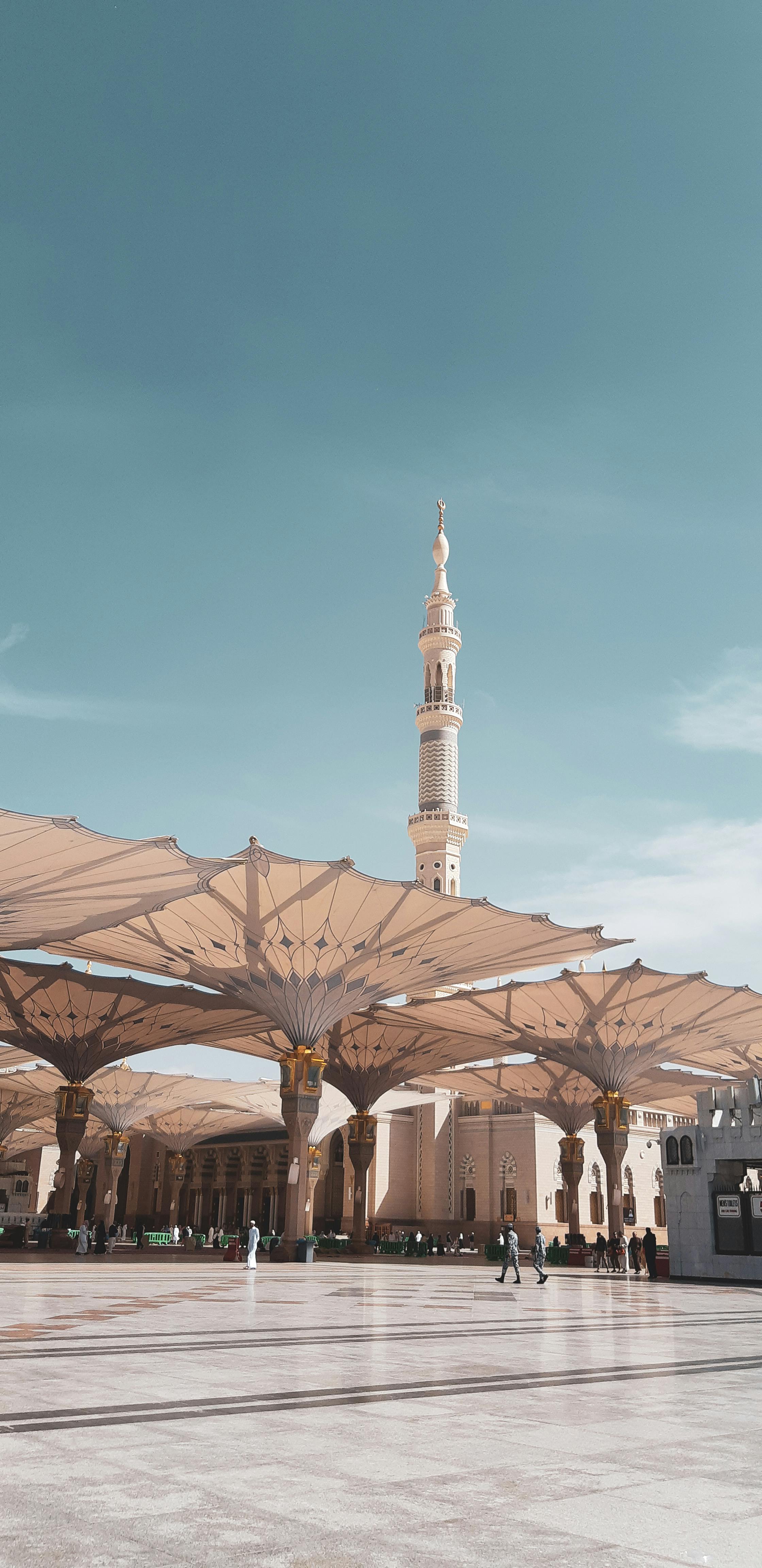
اكتشف أفضل المحطات على الطريق السريع 15 بين جدة والمدينة المنورة في 2026، بما في ذلك مدينة الملك عبدالله الاقتصادية ومستورة وبدر.
أبرز النقاط
- تمتد رحلة جدة-المدينة المنورة نحو 420 كم في 4.5-5 ساعات: الطريق الساحلي رقم 5 مرورًا بمدينة الملك عبدالله الاقتصادية ورابغ ومستورة، ثم داخليًا عبر بدر - يومان هي الوتيرة المريحة
- ترتيب التوقفات من جدة: مدينة الملك عبدالله الاقتصادية عند كم 100 (مرسى وغولف وحديقة جمان)، رابغ عند كم 150 (وقود وكورنيش)، مستورة عند كم 205 (غداء سمك)، بدر على بُعد نحو 150 كم قبل المدينة المنورة
- مستورة هي معلم الطريق الراسخ: هامور أو سيادية طازجة من البحر الأحمر مقابل SAR 60-120 للشخص، محسوبة حسب الوزن
- تحافظ بدر على موقع غزوة بدر (624م) ومقبرة الشهداء - ارتدِ ملابس محتشمة والتزم هدوءًا يليق بالمكان
- يبلغ سعر البنزين SAR 2.18/لتر (أوكتان 91) في 2026؛ املأ الخزان في رابغ أو مستورة لأن المحطات تقل في الداخل، وتجنب القيادة ليلاً (خطر الإبل)
- مدينة المدينة المنورة مفتوحة لغير المسلمين، لكن منطقة الحرم المركزية حول المسجد النبوي محجوزة للمسلمين - لافتات الحدود واضحة
تمتد الرحلة البرية من جدة إلى المدينة المنورة نحو 420 كيلومترًا، وتستغرق من 4.5 إلى 5 ساعات دون توقف: شمالًا عبر الطريق السريع الساحلي لطريق البحر الأحمر (الطريق رقم 5) مرورًا بمدينة الملك عبدالله الاقتصادية ورابغ ومستورة، ثم داخليًا عبر سفوح جبال الحجاز وصولًا إلى مدينة النبي ﷺ. إذا قُطعت الرحلة دفعة واحدة، فهي نصف يوم يسير. أما إذا خُطط لها كرحلة برية حقيقية مع التوقفات أدناه، فتتحول إلى واحدة من أفضل المسارات القصيرة في غرب المملكة العربية السعودية — مدينة مرسى حديثة، ومطاعم أسماك أسطورية، وأحد أهم المواقع التاريخية في صدر الإسلام، كل ذلك على طريق واحد.
قبل الانطلاق، رفيقان مفيدان: دليلنا دليل السفر إلى جدة لنقطة الانطلاق، ودليل استئجار السيارات إذا كنت لا تزال بحاجة إلى وسيلة تنقل.
نظرة سريعة على المسار
- المسافة: نحو 420 كم (260 ميلًا)
- مدة القيادة دون توقف: 4.5-5 ساعات
- المدة الموصى بها: يومان (المبيت في مدينة الملك عبدالله الاقتصادية أو منطقة مستورة)
- المسار: الطريق السريع الساحلي رقم 5 شمالًا، مع الانعطاف داخليًا بعد مستورة باتجاه بدر والمدينة المنورة
- التوقفات بالترتيب: مدينة الملك عبدالله الاقتصادية (كم 100) ← رابغ (كم 150) ← مستورة (كم 205) ← بدر (نحو 150 كم قبل المدينة المنورة) ← المدينة المنورة
- أسعار الوقود لعام 2026: SAR 2.18/لتر لأوكتان 91، و SAR 2.33 لأوكتان 95
- أفضل الأشهر: من أكتوبر إلى أبريل؛ وفي الصيف، انطلق قبل الساعة 7 صباحًا
- جودة الطريق: طريق مزدوج ممتاز على الساحل؛ طرق معبّدة جيدة في الداخل
التوقف 1 — مدينة الملك عبدالله الاقتصادية (KAEC)، كم 100
على بُعد ساعة شمال جدة، تنهض مدينة الملك عبدالله الاقتصادية حول ميناء الملك عبدالله — جادات واسعة، ومرسى، وبعض أفضل المساحات الخضراء المعتنى بها في المنطقة. تنجح كتوقف في الرحلة لأن كل شيء فيها قريب بعضه من بعض: قهوة على الواجهة البحرية، ونزهة في حديقة جمان، والعودة إلى الطريق السريع خلال ساعتين إذا كان هذا كل الوقت المتاح لديك.
- حديقة جمان: ممرات على الواجهة البحرية، وملاعب أطفال، وإطلالات على البحر الأحمر — فرصة جيدة لتمديد الساقين للعائلات.
- نادي رويال جرينز للغولف والرياضة: الملعب البطولي الذي يستضيف بطولات احترافية؛ تتراوح رسوم الزوار عادة بين SAR 700-1,200.
- فندق ومرسى باي لا صن: الخيار الواضح للمبيت، بغرف تبدأ من نحو SAR 800 ومطاعم على الماء.
- الطعام: تتقاضى المقاهي والمطاعم متوسطة المستوى حول المرسى بين SAR 70-150 للشخص.
معلومة إضافية للرحلة: جنوب مدينة الملك عبدالله الاقتصادية مباشرة تقع ثول، موطن جامعة الملك عبدالله للعلوم والتقنية (كاوست)، الجامعة البحثية للدراسات العليا التي غيّرت ملامح هذا الجزء من الساحل.
التوقف 2 — رابغ، كم 150
رابغ مدينة عاملة — ميناء ومصفاة وصناعة — أكثر منها معلمًا سياحيًا بحد ذاته، لكنها تستحق مكانها في المسار لسببين عمليين. أولًا، الوقود: املأ الخزان هنا أو في مستورة، لأن المحطات تقل في المسار الداخلي نحو بدر. ثانيًا، الكورنيش: امتداد هادئ من ساحل البحر الأحمر يصلح لنزهة أو توقف عند الغروب بعيدًا عن ازدحام واجهة جدة البحرية.
لرابغ أيضًا تاريخ عميق: فهي تقع قرب نقطة الميقات القديمة "الجحفة"، حيث يُحرم الحجاج القادمون من الشمال منذ قرون. وإذا كنت تنظّم أوقات الصلاة، فمساجد الطريق السريع في المدينة قريبة ومناسبة.
التوقف 3 — مستورة، كم 205: غداء السمك
اسأل أي مسافر سعودي بالسيارة عن طريق جدة-المدينة، وستبدأ الإجابة بالسمك في مستورة. تشتهر هذه المدينة الساحلية الصغيرة، الواقعة تقريبًا في منتصف الطريق، بشيء واحد بالضبط: مطاعم بسيطة ينتقل فيها صيد البحر الأحمر اليومي مباشرة من الثلج إلى الشواية.
الروتين المعتاد: اختر سمكتك من العرض — الهامور، أو النجل (سمك المرجان)، أو الشعري، أو الكنعد — ثم اختر طريقة التحضير وانتظر. مشوي بالتوابل، أو مقلي، أو مطبوخ على طريقة السيادية، طبق الأرز والسمك الحجازي. تأتي الأطباق مع الأرز والخبز والسلطة والصلصات.
- التكلفة: SAR 60-120 للشخص مقابل وجبة سخية، محسوبة حسب وزن السمك.
- التوقيت: احضر قبل الساعة 1 ظهرًا أو بعد الساعة 3 عصرًا لتفادي زحمة الغداء.
- الدفع: معظم الأماكن تقبل البطاقات الآن، لكن حمل بعض النقد بفئات صغيرة لا يضر أبدًا.
- اختيار المكان: تتجمع مطاعم السمك على طول الطريق الرئيسي؛ وأكثر المواقف ازدحامًا هو تصويت السكان المحليين على الثقة.
بعد مستورة بقليل، يغادر طريق المدينة المنورة الساحل ويصعد تدريجيًا نحو الداخل — يتحول المشهد من السهل الساحلي إلى حقول البازلت الأسود والتلال الجرانيتية.
التوقف 4 — بدر: حيث انعطف تاريخ الإسلام المبكر
على بُعد نحو 150 كيلومترًا بالطريق قبل المدينة المنورة، تحيط بلدة بدر الصغيرة بموقع غزوة بدر (624م / 2هـ)، أول معركة كبرى في صدر الإسلام ونقطة تحول في تاريخه. بالنسبة للمسافرين المسلمين، هذا موقع ذو دلالة عميقة؛ وبالنسبة للجميع، هو موقع هادئ ومؤثر يستحق قراءة تاريخه قبل الوصول.
- منطقة ساحة المعركة موسومة بلوحات تفسيرية بالعربية والإنجليزية.
- مقبرة الشهداء (شهداء بدر) تضم قبور أربعة عشر صحابيًا استشهدوا في المعركة — موقع بسيط ومسوّر يليق بوقاره.
- السلوك: ارتدِ ملابس محتشمة، واخفض صوتك، والتقط الصور باحترام.
- الخدمات: تضم بدر محطات وقود ومطاعم ومحلات صغيرة؛ تصلح كتوقف في وقت متأخر من بعد الظهر قبل الـ90 دقيقة الأخيرة إلى المدينة المنورة.
بين مستورة وبدر، تمر عبر أراضي الوادي على طريق الحج والتجارة القديم — في موسمه، تصطف مزارع النخيل على أجزاء من وادي الصفراء، وتبيع الأكشاك على جانب الطريق التمور والعسل من المزارع المحلية.
الوصول إلى المدينة المنورة
ينحدر المسار الأخير إلى حوض واحة المدينة المنورة، ثاني أقدس مدينة في الإسلام. ملاحظة عملية مهمة للمجموعات المختلطة: مدينة المدينة المنورة مفتوحة للزوار غير المسلمين، لكن المنطقة الحرام المركزية المحيطة مباشرة بالمسجد النبوي محجوزة للمسلمين فقط. اللافتات تُبيّن الحدود بوضوح. (أما مكة المكرمة، في المقابل، فمغلقة تمامًا أمام غير المسلمين — وهي ليست على هذا المسار، لكن من المفيد معرفة ذلك إذا واصلت رحلتك.)
أبرز المعالم عند وصولك:
- المسجد النبوي: مسجد النبي ﷺ وقبته الخضراء، القلب الروحي للمدينة (للمسلمين فقط داخل المنطقة المركزية).
- مسجد قباء: أول مسجد في الإسلام، أُعيد بناؤه بلون أبيض ناصع على الطرف الجنوبي للمدينة.
- جبل أُحد وساحة معركة أُحد: شمال المركز، بإطلالات على الواحة.
- متحف سكة حديد الحجاز: المحطة العثمانية المُرمَّمة، مفتوحة لجميع الزوار.
خطط لوقتك في المدينة عبر دليل السفر إلى المدينة المنورة أو برنامج 48 ساعة في المدينة المنورة المركّز. أسعار الفنادق القريبة من المسجد ترتفع خلال رمضان وموسم الحج — احجز مسبقًا بوقت كافٍ في تلك الفترات.
تكلفة الرحلة
هذه واحدة من أرخص الرحلات البرية في المملكة العربية السعودية لكل كيلومتر. يبلغ وقود الرحلة الكاملة البالغة 420 كم نحو SAR 70-90 لسيارة دفع رباعي نموذجية بأسعار المحطات لعام 2026 — أقل من وجبة واحدة في مطعم لشخصين. يضيف الإيجار ليومين SAR 300-700 حسب فئة السيارة. خصص SAR 60-120 للشخص لغداء السمك في مستورة، و SAR 30-60 للقهوة والوجبات الخفيفة على الطريق. أكبر متغير هو المبيت: باي لا صن في مدينة الملك عبدالله الاقتصادية من نحو SAR 800، أو فنادق بسيطة في رابغ من SAR 150-250. إجمالًا، يمكن لشخصين إتمام الرحلة بارتياح مقابل SAR 700-2,000 باستثناء فندق المدينة المنورة.
التخطيط العملي
السيارة والطريق
- افحص الإطارات والفرامل ونظام التكييف قبل مغادرة جدة؛ فحرارة الصيف لا ترحم السيارات المهملة.
- حافظ على مستوى الخزان فوق النصف بعد رابغ؛ واملأه مجددًا في بدر لمرونة أكبر قرب المدينة المنورة.
- تعمل خرائط جوجل وويز بشكل جيد؛ نزّل الخرائط دون اتصال للمسار الداخلي، حيث قد تنقطع الإشارة بين البلدات.
- احترس من الإبل قرب الطريق بعد الغسق في القسم الداخلي — خطر حقيقي، وهو سبب التخطيط للقيادة في ضوء النهار.
- تعمل كاميرات الرصد (ساهر) على كامل المسار؛ والحدود المسموحة عادة 120-140 كم/س على الطريق السريع.
- أرقام الطوارئ: 999 الشرطة، 997 الإسعاف، 993 حوادث المرور (يعمل 911 أيضًا كخط موحّد في منطقتي جدة/مكة والمدينة المنورة). المزيد في دليل السلامة.
ماذا تحمل معك
- الماء — أكثر مما تتصور — بالإضافة إلى واقي الشمس والنظارات الشمسية وقبعة.
- ملابس محتشمة؛ وللنساء غطاء رأس لزيارات المسجد (العباءة ليست إلزامية للسائحات، لكن كثيرًا من النساء يجدنها عملية في المدينة المنورة).
- وجبات خفيفة، وبطارية محمولة، وحقيبة إسعافات أولية أساسية.
التوقيت
- يوفر موسم أكتوبر إلى أبريل أجواء قيادة بين 20-30 درجة مئوية؛ ويتطلب الصيف انطلاقًا قبل الفجر وفترات راحة في منتصف اليوم.
- صباحات الجمعة هادئة على الطريق لكن المطاعم تفتح متأخرًا؛ وتمتلئ محال السمك في مستورة بعد صلاة الجمعة.
- خلال رمضان، خيارات تناول الطعام النهارية بين المدن محدودة جدًا — خطط حول موعد الإفطار.
قراءات ذات صلة
- رحلة ساحل البحر الأحمر البرية: برنامج سعودي لمدة 14 يومًا
- رحلة البحر الأحمر البرية لمدة 5 أيام
- 48 ساعة في المدينة المنورة: البرنامج الروحي والثقافي لعام 2026
هل تقود من جدة إلى المدينة المنورة؟
استخدم مخطط الرحلات لدمج هذا المسار ضمن برنامج حجازي أطول، أو راجع دليل الفنادق لأماكن الإقامة في مدينة الملك عبدالله الاقتصادية أو رابغ أو المدينة المنورة على طول الطريق.
الأسئلة الشائعة
- What is the best route from Jeddah to Medina?
- Take the Route 5 coastal expressway north past King Abdullah Economic City, Rabigh and Masturah, then follow the signed Medina highway inland via Badr. The drive covers about 420 km and takes 4.5-5 hours non-stop on excellent dual carriageway.
- What are the best stops between Jeddah and Medina?
- Four stops define the route: KAEC at km 100 for the marina and waterfront, Rabigh at km 150 for fuel and a quiet corniche, Masturah at km 205 for its famous fish restaurants, and Badr - site of the 624 CE battle and the Martyrs' Cemetery - about 150 km before Medina.
- What is the best time to drive from Jeddah to Medina?
- October through April offers comfortable 20-30C conditions. In summer, when temperatures exceed 40C, start before 7 AM and rest at midday. Avoid driving the inland section after dark - camels near the road are a real hazard.
- Are there fuel stations and rest areas on the route?
- The coastal stretch has fuel stations with mosques and mini-markets at regular intervals. After the road turns inland beyond Masturah, stations become sparser - fill up in Rabigh or Masturah. Petrol costs SAR 2.18/litre for 91 octane in 2026.
- Can non-Muslims drive to Medina?
- Yes. Medina city is open to non-Muslim visitors, including hotels, the Hejaz Railway Museum and the outer districts. Only the central haram zone immediately around the Prophet's Mosque is reserved for Muslims, with clear boundary signage. Makkah, however, is entirely closed to non-Muslims.