Jeddah Travel Guide 2026

Complete Jeddah travel guide for 2026. Al-Balad UNESCO heritage, Red Sea Corniche, top hotels, restaurants and cultural experiences in Saudi Arabia.

Key Takeaways

  • Jeddah's new e-visa on arrival is available at King Abdulaziz International Airport (KAIA) for the 66 eVisa-eligible nationalities; the online eVisa costs SAR 535 (about USD 143) including mandatory medical insurance and allows stays of up to 90 days within a one-year multiple-entry window.
  • KAFD Jeddah and the upcoming waterfront development along the Northern Corniche will add 15+ new dining and leisure venues by late 2026 — check current access before visiting.
  • The Corniche stretches 30 km from Al-Hamra in the south to Al-Shati in the north; cycling the full length takes ~2 hours on the dedicated bike lane.
  • Budget hotels in Al-Balad start at SAR 180/night; beachfront 5-star hotels on the North Corniche average SAR 900–1,400/night in peak season (October–March).
  • Friday noon prayers close most malls and souqs for 30–60 minutes — plan around the 12:30 PM prayer window to avoid locked doors.

Why Jeddah in 2026? The City's Dazzling Renaissance

For centuries, Jeddah has been the grand gateway to Mecca, a bustling port city where pilgrims, merchants, and sailors from across the globe converged. This history has woven a unique cultural tapestry, creating a city that is at once deeply Saudi and strikingly cosmopolitan. But the Jeddah of 2026 is not just a city of history; it is a city in the thrilling midst of a renaissance.

As Saudi Arabia continues its ambitious Vision 2030 transformation, Jeddah is emerging as its cultural and recreational heart, a place where ancient souqs stand in the shadow of gleaming skyscrapers and the timeless allure of the Red Sea meets a forward-thinking artistic verve. This is a city that confidently embraces its future without forgetting its soulful past.

What makes a visit in 2026 so compelling is the palpable energy of this evolution. The Jeddah Central Project, an urban regeneration plan of breathtaking scale, is beginning to reshape the city's core, with new marinas, public beaches, and cultural venues starting to take form. The annual Red Sea International Film Festival has cemented its place as a major event on the global cinema calendar, and the city's art scene, nurtured by galleries like Athr and Hafez, is more vibrant than ever.

This isn't just about new buildings; it's about a new mindset. Jeddah is opening its arms to the world, inviting travelers to dive into its turquoise waters, get lost in its labyrinthine old town, and taste the incredible diversity of its cuisine. A trip to Jeddah in 2026 is a chance to witness a historic city dynamically reinventing itself for a new era.

This guide is your key to unlocking the very best of modern Jeddah. We'll take you from the UNESCO-listed alleyways of Al-Balad to the chic waterfront restaurants, from world-class dive sites to the most luxurious hotels. Whether you're a history buff, a scuba enthusiast, an art lover, or a foodie, Jeddah offers a rich and rewarding journey. It’s a city of contrasts and surprises, where the call to prayer echoes over the buzz of a trendy café and traditional dhow boats bob in a marina filled with superyachts. Prepare to be enchanted by the Bride of the Red Sea as she steps into her most exciting chapter yet.

Jeddah Quick Facts & Essential Information

Before you pack your bags, here’s a snapshot of the essential information you'll need for your trip to Jeddah. Understanding these basics will help you navigate the city with ease and make the most of your time in this captivating destination. Jeddah operates on a rhythm that blends deep-rooted tradition with the fast pace of a modern metropolis, and knowing what to expect is the first step to a seamless adventure.

The city's location on the Red Sea coast defines its climate and character. Expect warm winters and hot, humid summers. The local currency is the Saudi Riyal (SAR), which is pegged to the US Dollar at a rate of approximately 3.75 SAR to 1 USD.

While credit and debit cards are widely accepted in hotels, restaurants, and larger shops, it's always wise to carry some cash for smaller purchases, especially in the traditional souqs of Al-Balad. Arabic is the official language, but English is extensively spoken in business and tourism sectors, so communication is rarely an issue for international visitors. The weekend in Saudi Arabia is Friday and Saturday, with Friday being the primary day of rest and prayer; many businesses have reduced hours or close for a few hours in the afternoon.

  • Official Language: Arabic (English is widely spoken in tourist areas)
  • Currency: Saudi Riyal (SAR). 1 USD ≈ 3.75 SAR
  • Time Zone: Arabian Standard Time (AST), which is UTC+3
  • Electricity: 230V, 50Hz. The standard plug is Type G (the three-pronged UK plug).
  • Calling Code: +966
  • Weekend: Friday and Saturday
  • Water: It is recommended to drink bottled water, which is readily and cheaply available.

Jeddah is served by the King Abdulaziz International Airport (KAIA), one of the busiest airports in the Middle East and a major hub for the national carrier, Saudia. The airport's state-of-the-art Terminal 1 is a destination in itself. Upon arrival, you can easily find pre-booked taxis, ride-hailing services like Uber and Careem, or rental car agencies. Getting into the city center typically takes 30-45 minutes, depending on traffic, and will cost approximately 80-120 SAR ($21-$32).

Planning Your Trip: Visas, Best Time to Visit, and Getting Around

Planning is key to a successful journey, and a trip to Jeddah in 2026 is more accessible than ever before. The most crucial first step is securing your visa. Saudi Arabia offers a tourist e-Visa for citizens of 66 countries, including the US, UK, Canada, Australia, and most of the EU. The process is straightforward and can be completed online in minutes.

As of late 2025, the cost is approximately 535 SAR (around $142), which includes mandatory health insurance for your trip. The visa is typically valid for one year and allows for multiple entries, with a maximum stay of 90 days per visit. Be sure to check the official Visit Saudi portal for the most up-to-date list of eligible countries and application requirements before you book your flights.

The best time to visit Jeddah is between November and March. During these months, the oppressive humidity of the summer subsides, giving way to pleasantly warm days and cool evenings. Temperatures typically range from 20°C to 30°C (68°F to 86°F), perfect for exploring Al-Balad on foot or enjoying an al fresco dinner by the sea. This is also the peak tourist season, so it's advisable to book flights and accommodation well in advance.

The shoulder months of October and April can also be pleasant, though with warmer temperatures. The summer, from May to September, is characterized by intense heat and high humidity, making daytime outdoor activities challenging for those not accustomed to the climate. However, if you can brave the heat, you may find lower hotel rates and fewer crowds.

Once you're in Jeddah, getting around is relatively easy. Ride-hailing apps like Careem (the regional leader) and Uber are the most convenient and popular way to travel. They are reliable, affordable, and eliminate any need for haggling. A typical 15-20 minute ride across a significant part of the city will cost between 30-50 SAR ($8-$13). For solo female travelers, both apps offer extra security features.

Renting a car is also a viable option, especially if you plan on taking day trips outside the city. Major international and local rental agencies are available at the airport and throughout the city. Roads in Jeddah are modern, but traffic can be heavy, particularly during rush hour. For a more local experience, you can use the white public taxis, but be sure to agree on a fare before you start your journey or insist on using the meter. Our interactive Trip Planner can help you map out your daily movements and estimate travel times between key attractions.

Al-Balad: Stepping into Jeddah's Historic Heart

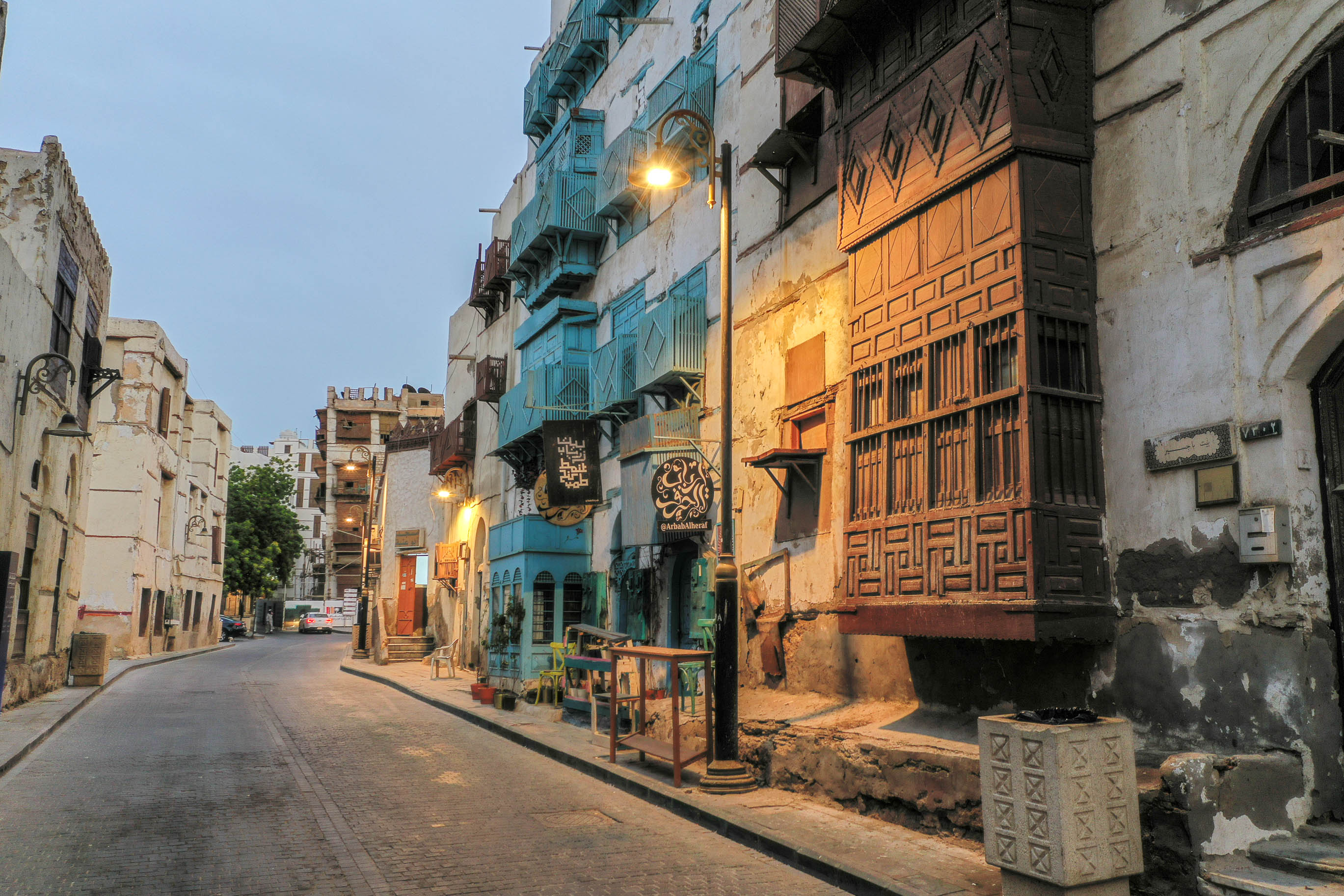
No visit to Jeddah is complete without immersing yourself in Al-Balad, the city's enchanting historic district and a designated UNESCO World Heritage site. Founded in the 7th century, Al-Balad (which simply means "The Town") was once the beating heart of Jeddah, a walled city that served as the main port for those making the pilgrimage to Mecca. Today, it stands as a living museum, a labyrinth of narrow alleyways, bustling souqs, and beautifully preserved coral-stone buildings.

The most distinctive feature of Al-Balad's architecture is the rawashin, intricate wooden latticework balconies that adorn the facades of the old merchant houses. These were not merely decorative; they provided shade, ventilation, and privacy, allowing the sea breeze to cool the interiors while shielding the inhabitants from public view.

Wandering through Al-Balad is a sensory experience. The air is thick with the scent of spices, incense, and freshly baked bread. The sounds of vendors calling out their wares mingle with the hum of conversation from small coffee shops. As you explore, you'll stumble upon hidden courtyards, ancient mosques, and beautifully restored buildings that now house art galleries, boutique hotels, and cultural centers. A must-see is the Naseef House, one of the district's most famous structures, which once hosted King Abdulaziz Ibn Saud, the founder of modern Saudi Arabia. An excellent way to get your bearings and understand the history is by taking a guided Al-Balad architectural walk, which will illuminate the stories behind these incredible buildings.

The Saudi Ministry of Culture has invested heavily in the careful restoration of Al-Balad, and by 2026, the results are truly stunning. Many of the once-crumbling heritage houses have been meticulously brought back to life, preserving their unique Hejazi architectural style. The area is best explored on foot in the late afternoon and evening when the temperature cools and the district comes alive. Start your exploration near the Bab Jadid (New Gate) and allow yourself to get lost in the maze.

Don't be afraid to peek into open doorways or accept an invitation for tea from a friendly shopkeeper. It is in these unscripted moments that the true spirit of Al-Balad reveals itself. Be sure to wear comfortable shoes, as you will be doing a lot of walking on uneven surfaces.

The Corniche and the Red Sea: Jeddah's Waterfront Soul

Jeddah's identity is inextricably linked to the Red Sea, and the city's magnificent waterfront, known as the Corniche, is where this connection is most vibrantly expressed. Stretching for over 30 kilometers, the Jeddah Corniche is a sprawling public space that acts as the city's communal living room. It's a place where families gather for picnics, friends jog along the palm-lined paths, and everyone pauses to watch the sun dip below the horizon in a blaze of orange and pink. The area underwent a massive redevelopment project years ago, and by 2026, it is a world-class destination with lush landscaping, modern sculptures, children's play areas, and numerous cafes and restaurants.

The focal point of the Corniche is the iconic King Fahd's Fountain. Shooting a plume of saltwater over 300 meters into the air—higher than the Eiffel Tower—it is the tallest fountain of its kind in the world. It is best viewed at night when it is illuminated by hundreds of spotlights, creating a mesmerizing spectacle against the dark sky.

Further north along the waterfront, you'll find the Al-Rahmah Mosque, often called the "Floating Mosque." Built on stilts over the water, its brilliant white dome and minaret appear to hover above the turquoise sea at high tide, creating a serene and photogenic scene, especially at sunrise or sunset. This area is a testament to how Jeddah blends grand ambition with spiritual tranquility.

The northern section of the Corniche has evolved into the Jeddah Art Promenade, a chic district buzzing with energy. Here you'll find pop-up installations, high-end dining, and a marina that is part of the burgeoning Jeddah Yacht Club. This area is particularly lively during the Jeddah Season festival and the Formula 1 Saudi Arabian Grand Prix. For those seeking a more traditional beach experience, Jeddah offers a variety of options.

While the main Corniche is more for strolling, there are numerous private and public beaches where you can swim and relax. Many hotels have their own private beaches, but there are also beach clubs like Oia Beach or Indigo Beach Resort which offer day passes (expect to pay 300-500 SAR / $80-$133) for access to their pristine sands, pools, and restaurants. These clubs offer some of the best beaches in the immediate vicinity, providing a perfect escape from the city's hustle.

Diving and Water Sports: Exploring the Underwater Kingdom

The Red Sea is one of the world's premier diving and snorkeling destinations, and Jeddah is the perfect gateway to its underwater treasures. The sea here is renowned for its exceptional visibility, warm waters year-round, and vibrant, resilient coral reefs teeming with marine life. Unlike many other global dive hotspots, the reefs off the coast of Saudi Arabia are relatively untouched, offering a glimpse into a pristine aquatic ecosystem. Divers can expect to encounter dazzling coral gardens, dramatic drop-offs, and a rich biodiversity that includes everything from colorful clownfish and majestic sea turtles to graceful reef sharks and migrating whale sharks in season.

By 2026, Jeddah's diving infrastructure is well-established and highly professional. Numerous PADI-certified dive centers are located in the city and along the coast, offering everything from introductory "Discover Scuba" dives for beginners to advanced technical diving courses and liveaboard trips. A typical two-tank boat dive trip for a certified diver will cost between 450-650 SAR ($120-$173), including equipment rental and lunch. Popular dive sites near Jeddah include the Boiler Wreck, a fascinating shipwreck that has become an artificial reef, and the Ann Ann Wreck, a larger, more challenging wreck for advanced divers. The "Cable" or "Chicken" wreck is another favorite, known for the incredible density of fish that swarm its structure.

You don't need to be a certified diver to enjoy the Red Sea's beauty. Snorkeling trips are widely available and offer a fantastic way to see the shallow reefs. Many boat trips combine diving and snorkeling, making them perfect for groups with mixed interests. Beyond diving, Jeddah is a hub for a wide array of water sports.

You can try your hand at jet skiing, paddleboarding, kayaking, and kitesurfing, with rental outfits and schools dotted along the Obhur Creek, a northern inlet that serves as the city's primary water sports hub. For a more relaxed experience, consider chartering a private boat for the day to cruise along the coast, swim in secluded coves, and enjoy a barbecue on board as the sun sets. This is an unforgettable way to experience the magic of the Red Sea.

"The silence underwater is a different kind of silence. Off the coast of Jeddah, it's filled with the color and life of coral that feels ancient and untouched. It's a world away from the energy of the city, yet only a short boat ride from the shore."

Art, Culture, and Modern Jeddah: Beyond the Old Town

While Al-Balad represents Jeddah's past, the rest of the city pulses with a contemporary cultural energy that is driving Saudi Arabia's artistic future. Jeddah has long been considered the Kingdom's most artistically inclined city, and this reputation has only grown stronger. The city is home to a flourishing ecosystem of art galleries, creative spaces, and public art installations. A key player in this scene is the Saudi Art Council, which hosts the annual 21,39 Jeddah Arts, a non-profit initiative that showcases the best of Saudi and international contemporary art through exhibitions, workshops, and talks. By 2026, this event is a cornerstone of the Middle Eastern art calendar.

At the forefront of the gallery scene is Athr Gallery, located in the Serafi Mega Mall. For years, Athr has been instrumental in nurturing Saudi talent and introducing it to a global audience. The gallery represents some of the most important artists in the region and hosts thought-provoking exhibitions that often challenge and explore contemporary Saudi society. Another essential stop is Hafez Gallery, which champions a diverse range of artists and mediums.

These spaces are not just commercial galleries; they are cultural hubs where artists, collectors, and the public can engage in dialogue. Exploring these galleries provides a fascinating insight into the creative pulse of the nation. You can discover a wide range of curated Jeddah experiences, including guided art tours, on our platform.

Public art is also an integral part of Jeddah's urban landscape. The Jeddah Sculpture Museum, located on the Corniche, is an open-air gallery featuring a remarkable collection of works by world-renowned artists like Henry Moore, Joan Miró, and Alexander Calder. These sculptures were brought to the city in the 1970s and have been beautifully restored, creating a surreal and inspiring juxtaposition against the Red Sea backdrop.

Furthermore, the city's forward momentum is visible in its modern architecture and ambitious urban projects. The Jeddah Central Project, with its plans for an opera house, museums, and sports stadiums, is set to further cement the city's status as a cultural powerhouse. This blend of grassroots artistic energy and grand-scale government investment makes Jeddah an incredibly exciting place for anyone interested in the intersection of art, culture, and urban development.

Where to Stay: From Historic Guesthouses to Seaside Luxury

Jeddah's accommodation landscape is as diverse as the city itself, offering a wide spectrum of options to suit every taste and budget. From opulent five-star resorts lining the Red Sea to charming, restored guesthouses in the heart of Al-Balad, finding the perfect place to rest your head is an integral part of the travel experience. For those seeking ultimate luxury and impeccable service, the city's grand dame hotels deliver in spades.

The Ritz-Carlton, Jeddah, with its palatial design and stunning seaside location, offers an unparalleled level of opulence. Similarly, the Shangri-La Jeddah, one of the city's newer landmarks, boasts breathtaking views from its sleek tower, exquisite dining options, and a world-class spa. Expect rates for these top-tier properties to start from 1,800 SAR ($480) per night, rising significantly for premium suites.

For travelers who prefer to be closer to the water and the city's recreational hub, the northern Corniche and Al-Shati districts are ideal. Here you'll find modern properties like the Waldorf Astoria Jeddah - Qasr Al Sharq, an incredibly lavish all-suite hotel, and the Park Hyatt Jeddah, renowned for its tranquil setting, beautiful grounds, and excellent spa facilities. These hotels often feature their own private beaches or marina access, making them perfect for a resort-style vacation.

A comprehensive list of the very best hotels in Jeddah can help you compare amenities and locations to find your ideal match. Mid-range options are also plentiful, with reliable international brands like Hilton, Marriott, and Radisson Blu offering comfortable stays and excellent facilities at prices typically ranging from 600-1,000 SAR ($160-$267) per night.

Perhaps the most unique and atmospheric accommodation experience can be found within the historic lanes of Al-Balad. A growing number of heritage buildings have been exquisitely restored and converted into boutique hotels and guesthouses. Properties like Beit Al-Balad or Beit Jokhdar offer a chance to sleep within the ancient city walls, surrounded by the intricate details of Hejazi architecture. These guesthouses provide an intimate and authentic experience, often centered around a beautiful internal courtyard where breakfast is served.

While they may not have the sprawling facilities of the large resorts, they offer unparalleled charm and direct access to the soul of old Jeddah. Staying here allows you to experience the district in the quiet early mornings and late nights, long after the day-trippers have departed. Rates are often more moderate, typically from 450-800 SAR ($120-$213), offering great value for such a memorable stay.

A Culinary Journey: Jeddah's Best Restaurants and Seafood Feasts

Jeddah is a food lover's paradise. Its history as a cosmopolitan port has created a culinary scene that is a delicious melting pot of Hejazi, Yemeni, Levantine, Indian, and North African flavors. The city's proximity to the Red Sea also means it is unrivaled in Saudi Arabia for its fresh seafood. A trip to Jeddah is a journey for the palate, from humble street food stalls to glamorous fine-dining restaurants.

To truly understand the local cuisine, you must start with the classics. No visit is complete without trying Sayadiyah, a signature Hejazi dish of spiced rice cooked in a rich fish broth, often topped with a perfectly pan-fried fillet of Najil (coral trout). Another local favorite is Matafi, a spicy fish stew with tomatoes and tamarind. For a comprehensive introduction to the Kingdom's diverse dishes, our Saudi food guide is an essential read.

For an authentic and unforgettable seafood experience, head to the Central Fish Market. Here, you can witness the morning's catch being auctioned off in a lively, chaotic spectacle. The best part is that you can buy your own fish—from red snapper and grouper to shrimp and calamari—and take it to one of the adjacent restaurants.

You simply hand over your purchase, specify how you'd like it cooked (grilled, fried, or in a stew), and they will prepare a magnificent feast for you, served with rice, bread, and tahini. It's a rustic, hands-on experience that delivers the freshest seafood imaginable. For a more refined seafood dinner with a view, restaurants like Twina Seafood or Al Nakheel offer beautiful settings where you can enjoy grilled fish while listening to the waves of the Red Sea.

Beyond seafood, Jeddah's dining scene is incredibly diverse. For traditional Saudi food in an atmospheric setting, Abu Zaid is a local institution famous for its foul (fava bean stew) and tamees (flatbread). For a more upscale take on national cuisine, Suffra at the Park Hyatt offers elevated versions of Saudi classics. The city also excels at international cuisine.

The chic Al-Shati district is home to many of the city's top fine-dining spots. By 2026, you'll find world-renowned brands like Zuma for contemporary Japanese and Entrecôte Café de Paris for a classic steak-frites experience. There's also a thriving café culture, with specialty coffee shops like Brew92 and % Arabica serving expertly crafted brews in stylish settings. Whether you're craving a simple, delicious falafel sandwich or a multi-course tasting menu, Jeddah's culinary landscape will not disappoint.

Shopping in Jeddah: Souqs, Malls, and Designer Boutiques

Shopping in Jeddah is an experience of delightful contrasts, mirroring the city's blend of ancient tradition and modern luxury. You can spend one afternoon haggling for perfumes in a centuries-old souq and the next browsing the latest collections from international designers in a futuristic, air-conditioned mall. The heart of traditional commerce is, of course, Al-Balad.

The Souq Al Alawi, the largest market in the district, is a vibrant maze of alleyways packed with shops selling everything imaginable. Here, you can find fragrant spices, glittering gold jewelry, traditional clothing, handmade leather sandals, and an incredible array of dates and local honey. It's the perfect place to hunt for authentic souvenirs, such as a bottle of oud (agarwood perfume) or an ornate dallah (Arabic coffee pot).

A specific and fascinating part of the Al-Balad shopping experience is the Gabel Street Souq, known for its textiles and clothing. This is where you can find everything from simple cotton thobes to elaborately embroidered abayas. Even if you don't plan to buy, the sheer variety of fabrics and designs is a feast for the eyes. Remember that haggling is part of the culture in the souqs. It's a friendly, expected interaction, so start with an offer lower than the asking price and work your way to a mutually agreeable figure. It's all part of the fun. Don't forget to also look for frankincense and myrrh, aromatic resins that have been traded in this region for millennia.

At the other end of the spectrum are Jeddah's glamorous and expansive shopping malls. These are more than just retail centers; they are social hubs where people come to shop, dine, and be entertained. The Red Sea Mall is one of the largest and most popular, featuring a vast selection of international high-street and luxury brands, a cinema, and a massive food court.

For the ultimate luxury experience, Boulevard Jeddah is an exclusive, open-air promenade featuring the world's most prestigious fashion houses, from Gucci to Prada, alongside high-end jewelry stores and chic cafes. Another key destination is the Mall of Arabia, known for its sheer size and comprehensive range of stores. These malls provide a cool respite from the city's heat and offer a glimpse into the modern, consumer-savvy side of Jeddah life.

Day Trips and Beyond: Exploring the Hejaz Region

While Jeddah itself offers more than enough to fill a week-long itinerary, its strategic location in the Hejaz region makes it an excellent base for exploring further afield. The landscapes and historical sites surrounding the city are diverse and deeply rewarding, offering a glimpse into the broader story of western Saudi Arabia. One of the most popular and accessible day trips is a journey to Taif.

Located about two hours east of Jeddah by car, Taif is a mountain city known as Saudi Arabia's "summer capital." Thanks to its higher altitude, it offers a cool escape from the coastal heat. The drive itself is spectacular, as the road winds its way up the Sarawat Mountains, offering breathtaking views of the valleys below. Taif is famous for its fragrant roses, and if you visit during the spring blooming season (typically April), you can visit rose farms and distilleries to see how the precious rose oil and water are made.

For those with more time, Jeddah is the perfect starting point for one of the world's great road trips: the journey north to AlUla. This ancient oasis, home to the UNESCO World Heritage site of Hegra, is a bucket-list destination of monumental importance. While you can fly, the drive itself is an adventure.

The classic Jeddah to AlUla road trip takes you along the Red Sea coast before turning inland through dramatic desert landscapes and historic towns. You can break the journey in places like King Abdullah Economic City (KAEC), a hyper-modern metropolis rising from the desert sand, or the coastal town of Yanbu, another hub for diving. This expedition allows you to witness the incredible diversity of Saudi Arabia's geography and the scale of its ambition.

Closer to Jeddah, for a shorter excursion, consider a trip to Moon Valley (Wadi Al-Qamar). Just a short drive from the city, this area features unique and dramatic rock formations that have been sculpted by wind and time, creating a landscape that feels otherworldly, especially at sunset. It's a popular spot for a desert barbecue or an evening of stargazing away from the city lights.

Another option is a visit to Thuwal, a coastal town north of Jeddah, to see the King Abdullah University of Science and Technology (KAUST). While access to the main campus is restricted, the surrounding area offers beautiful, quiet beaches and a glimpse at one of the world's most advanced research universities. These excursions enrich any visit to Jeddah, adding layers of adventure, history, and natural beauty to your trip.

Practical Advice for a Smooth Trip

A little local knowledge goes a long way in ensuring your trip to Jeddah is as smooth and enjoyable as possible. While Saudi Arabia has undergone rapid social changes, it remains a conservative country, and respecting local customs is important. For tourists, the dress code is more relaxed than in the past. Women are no longer required to wear an abaya (the long black cloak) or headscarf.

However, modesty is still the key. It is advisable for both men and women to wear loose-fitting clothing that covers the shoulders and knees when in public places. On private beaches and in hotel pools, regular swimwear is perfectly acceptable. For women, carrying a light scarf is a good idea, as it can be useful for covering your head if you choose to enter a mosque.

Understanding social etiquette is also helpful. It's polite to use your right hand for greeting, eating, and handling objects. Public displays of affection are generally frowned upon, though the rules are more relaxed for married couples. Our guide to couples travel offers more specific advice on this topic. Photography is generally welcomed, but it is crucial to be respectful. Always ask for permission before taking a picture of a person, especially women. Avoid photographing sensitive locations like government buildings or military installations. During prayer times, which occur five times a day, music in shops and restaurants will be turned off, and some smaller stores may close for 15-20 minutes. Plan your shopping trips around these brief pauses.

Finally, a few health and safety tips. The sun in Jeddah is incredibly strong, even in winter. Always wear sunscreen, a hat, and sunglasses when outdoors for extended periods. Stay hydrated by drinking plenty of bottled water. The tap water is generally not recommended for drinking.

Jeddah is a very safe city with a low crime rate, but it's always wise to take standard precautions, such as keeping your valuables secure. The work week runs from Sunday to Thursday, with Friday and Saturday as the weekend. Be aware that traffic can be extremely heavy on Thursday evenings as people begin their weekend. By keeping these simple tips in mind, you can navigate Jeddah with confidence and focus on soaking in the incredible culture, history, and beauty of this Red Sea jewel.

Itinerary Ideas: 3, 5, and 7 Days in Jeddah

Jeddah's wealth of attractions can be tailored to fit any trip length. Whether you have a long weekend or a full week, you can craft an itinerary that captures the city's essence. Here are a few suggestions to help you structure your time and make the most of your visit to the Bride of the Red Sea.

A 3-Day Cultural Snapshot

With a long weekend, focus on the highlights. On Day 1, dedicate the late afternoon and evening to Al-Balad. Get lost in its alleyways, visit the Naseef House, and enjoy a traditional Hejazi dinner. On Day 2, explore modern Jeddah. Start your morning at a specialty coffee shop, visit the Athr Gallery to see contemporary Saudi art, and then spend the afternoon strolling along the Corniche.

End the day with a seafood dinner overlooking King Fahd's Fountain. On Day 3, it's all about the Red Sea. Book a half-day snorkeling or diving trip to experience the incredible marine life. In the evening, enjoy a final meal at one of the chic restaurants in the Al-Shati district before heading to the airport.

A 5-Day Immersive Experience

Five days allows for a deeper dive into the city's culture and leisure. Follow the 3-day itinerary, but add a full day dedicated to art and shopping on Day 4. Visit the Jeddah Sculpture Museum on the Corniche, explore more galleries, and then choose between the traditional Souq Al Alawi or the luxurious Red Sea Mall for some retail therapy. On Day 5, take a day trip. The most popular choice is the scenic drive up to the mountain city of Taif to experience its cooler climate and famous rose farms. This contrast between the coastal heat of Jeddah and the mountain air of Taif provides a wonderful perspective on the region's diverse geography.

A 7-Day Ultimate Jeddah & Hejaz Adventure

A full week gives you the luxury of time to explore at a relaxed pace and venture further. Use the 5-day itinerary as your base. On Day 6, dedicate the entire day to relaxation and water sports. Book a day pass at a private beach club, try jet skiing or paddleboarding in Obhur Creek, or charter a private boat for a sunset cruise.

For your final day, Day 7, consider a more adventurous excursion. Take a guided 4x4 trip to Moon Valley for some desert exploration and a traditional barbecue under the stars. This week-long journey allows you to experience every facet of Jeddah: its ancient soul, its modern ambition, its stunning natural beauty, and the warm hospitality of its people. You can use our Jeddah to AlUla road trip guide for inspiration on even longer journeys starting from the city.

Frequently Asked Questions

What new developments should I know about 2026?
Jeddah is rapidly evolving with new waterfront resorts, expanded shopping, enhanced museums, and improved infrastructure. It continues positioning as a global gateway.
What visa requirements apply in 2026?
Most visitors can obtain a Saudi Tourist Visa online via evisa.visitsaudi.com, valid for 90 days with multiple entries. The streamlined digital process is convenient.
What is the best way to get around?
Taxis and ride-sharing apps (Uber, Careem) are readily available and affordable. Rental cars provide flexibility; buses and metro connections serve budget travelers.
What are top dining and cultural experiences?
Enjoy world-class dining from Hijazi to international cuisine in Corniche and Tahlia Street areas. Cultural experiences include the Waterfront Project, galleries, live music, and festivals.