Madinah Travel Guide
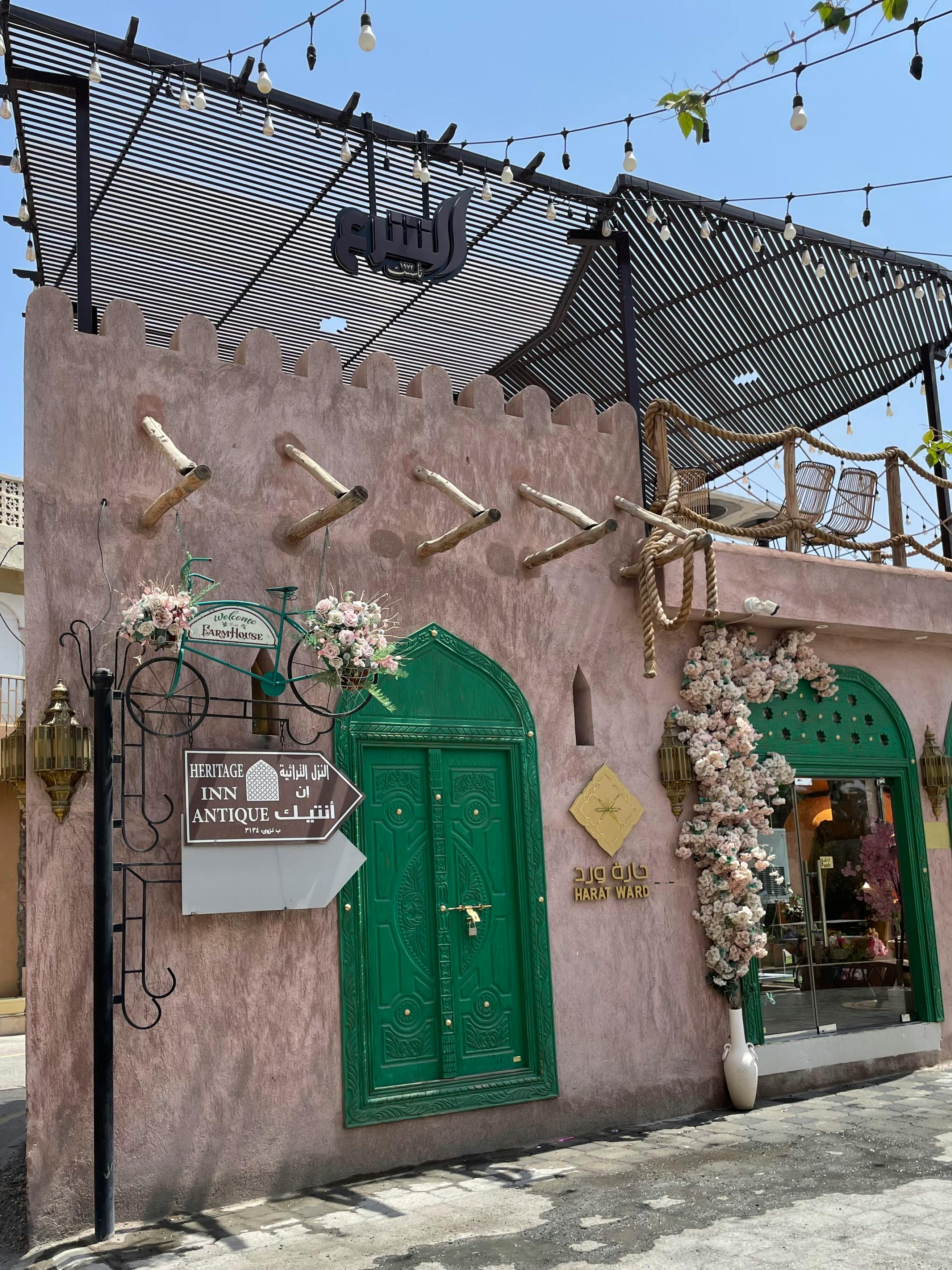
Madinah travel guide 2026: visitor rules, Rawdah booking via Nusuk, Haramain trains, Ziyarat sites, dates, hotels and etiquette — with checked SAR prices.
Key Takeaways
- Non-Muslim travellers have been able to visit Madinah city since 2021 — hotels, museums and sites like Mount Uhud are open to all — but Al-Masjid an-Nabawi and the fenced central plaza remain reserved for Muslims.
- Praying in the Rawdah inside the Prophet's Mosque requires a free timed booking through the official Nusuk app; there is no walk-up queue, and slots around Ramadan and Hajj fill days in advance.
- The Haramain High-Speed Railway connects Madinah with Jeddah in about two hours and Makkah in about two and a half; economy fares from Jeddah start around SAR 150 — book early in peak season.
- At the central date market, standard date varieties start around SAR 25/kg while premium Madinah Ajwa costs several times more — vendors expect you to taste before buying.
- Hotels in the Markaziya zone within walking distance of the mosque start around SAR 350/night off-peak and exceed SAR 1,200 during Ramadan and Hajj — book well ahead.
- Visit between October and March for 20–30°C days; May to September regularly exceeds 40°C.
Madinah in 2026: What to Know Before You Go
Madinah — Al-Madinah Al-Munawwarah, "the Luminous City" — is the second holiest city in Islam. It is where the Prophet Muhammad (PBUH) settled after the migration from Makkah, where he built his mosque, and where he is buried beneath the Green Dome of Al-Masjid an-Nabawi. For Muslims it is a place of prayer and pilgrimage; since 2021 it has also been open to non-Muslim travellers in a way that often surprises people.
Who can visit: Non-Muslims may travel to Madinah city itself — hotels, restaurants, museums, the markets and sites such as Mount Uhud are open to everyone. What remains reserved for Muslims is Al-Masjid an-Nabawi and the fenced central plaza immediately around it; the boundary is clearly marked and checked. This is different from Makkah, which non-Muslims may not enter at all — our Makkah travel guide explains those rules.
Essential Facts
- Language: Arabic. English is widely understood in hotels and larger shops; "As-salamu alaykum" (peace be upon you) and "Shukran" (thank you) go a long way.
- Currency: Saudi Riyal (SAR), pegged at 3.75 to the US dollar. Cards are accepted almost everywhere; keep cash for taxis and market stalls.
- Visa: The Saudi tourist eVisa (66 eligible countries, SAR 535 online, one year, multiple entries, 90 days per visit) covers Umrah but not Hajj. Current details are in our visa updates guide.
- Time zone: Arabian Standard Time, UTC+3, no daylight saving.
- Electricity: 230V, 60 Hz, UK-style Type G sockets.
- Connectivity: SIM cards and eSIMs from STC, Mobily or Zain are sold at the airport; hotel Wi-Fi is standard.
- Emergency number: 999 (police) works everywhere in the Kingdom — dial it if you are unsure. A unified 911 line also operates in several regions.
Getting to Madinah
Prince Mohammad bin Abdulaziz International Airport (MED) sits about 15–20 km from the central area and handles direct flights from across the Middle East, Asia, Africa and Europe, with Saudia and flynas the busiest carriers. Airport taxis charge a broadly fixed SAR 60–80 to hotels near the mosque; Uber and Careem run slightly cheaper. The drive takes 20–30 minutes.
The other main route in is the Haramain High-Speed Railway, which links Madinah with Jeddah in about two hours and with Makkah in about two and a half, at speeds of up to 300 km/h. Economy fares from Jeddah start around SAR 150. The station is on the eastern edge of the city, a short taxi ride from the centre. Book on the Haramain website or app ahead of time — trains fill early around Ramadan, Hajj and school holidays.
Al-Masjid an-Nabawi: The Prophet's Mosque
The mosque anchors the city and never closes. Its courtyards are shaded by the famous folding umbrellas that open each morning, and the complex holds hundreds of thousands of worshippers at prayer times. Entry is for Muslims; women have designated gates and prayer areas, and it is worth noting your gate number, because after prayers the crowds make it easy to lose your bearings. Zamzam water dispensers stand throughout the building, floors are marble, and a small bag for carrying your shoes is one of the most useful things you can pack.
The most sought-after space is the Rawdah, the small area between the Prophet's tomb and his original minbar, described in hadith as a garden from the gardens of Paradise. Access is by free timed booking through the official Nusuk app — there is no walk-up queue — and slots around Ramadan and Hajj season are taken days in advance, so book as soon as your dates are fixed. Prayers there are short by design; patience and calm are part of the visit.
The quietest hours are late at night and before dawn, which is also when the building is at its most striking. Photography in the outer courtyards is generally tolerated; inside the prayer halls and near the tomb it is restricted, and it is respectful to keep phones down during prayers.
Ziyarat: Quba, Qiblatayn and the Seven Mosques
Quba Mosque, on the southern edge of the city, is the first mosque of Islam — the Prophet laid its foundation on arriving in Madinah. According to hadith, praying two rak'ahs there carries the reward of an Umrah, and visiting on a Saturday follows the Prophet's own practice. It is about 4 km from the Prophet's Mosque: a landscaped pedestrian route links the two, a comfortable 45-minute walk in the cooler months, or a SAR 10–15 taxi ride.
Masjid al-Qiblatayn, "the Mosque of the Two Qiblas," marks the spot where revelation changed the direction of prayer from Jerusalem to the Kaaba in Makkah — the renovated building preserves the story of its two prayer niches. Nearby, the Sab'u Masajid ("Seven Mosques") cluster around positions from the Battle of the Trench. A half-day taxi tour of the main Ziyarat sites typically costs SAR 200–300, and hotels arrange group buses for less.
Jannat al-Baqi and Mount Uhud
Jannat al-Baqi, the historic cemetery beside the mosque's eastern side, holds an estimated ten thousand of the Prophet's companions and members of his family. The graves are deliberately plain and unmarked, reflecting the Islamic principle of simplicity in death. Entry is for men only, in the hours after Fajr and Asr prayers; photography is prohibited, and visitors offer greetings and quiet supplications rather than lingering.
Mount Uhud rises a few kilometres north of the centre, site of the battle of 625 CE. The small Archers' Hill (Jabal al-Rumah) in front of it is where fifty archers were posted with orders not to move — the turning point of the battle when most descended too soon. You can climb the hill for a view over the battlefield and the martyrs' cemetery, where the Prophet's uncle Hamza ibn Abd al-Muttalib is buried. Early morning is the sensible time in the warmer months.
Museums and Modern Madinah
Dar Al Madinah Museum tells the story of the Hijrah, the building of the mosque and the city's early years through detailed models and multimedia — a genuinely useful stop before you tour the sites themselves. The Hejaz Railway Museum, in the restored Ottoman-era station, covers the ambitious line that once aimed to link Damascus with the holy cities. For downtime, King Fahd Central Park fills with families in the cooler evening hours, and a young café scene has grown up between the malls and the university districts.
Dates, Food and Where to Eat
Madinah is date country. The Ajwa variety, praised by the Prophet, is the city's signature and its classic gift; at the central date market, standard varieties start around SAR 25 per kilo while good Ajwa costs several times that. Vendors expect you to taste before buying.
For meals, look for Madini rice — fragrant, slow-cooked with lamb or chicken — alongside mandi, mutabbaq (a stuffed folded pastry) and the breakfast pairing of foul with fresh tamees bread. Small local restaurants outside the immediate hotel zone serve filling meals for SAR 30–50, while the five-star buffets overlooking the mosque run SAR 250–400 per person. Our Saudi food guide covers the dishes in more detail.
Where to Stay
Proximity is everything in Madinah. The Markaziya zone around the mosque means you can walk to every prayer and rest between them; hotels there start around SAR 350 per night outside peak periods and climb past SAR 1,200 during Ramadan and Hajj. The Oberoi Madinah and Dar Al Taqwa are the established luxury names closest to the courtyards, with Anwar Al Madinah Mövenpick, Pullman Zamzam and Shaza Al Madina strong in the four- to five-star bracket. A 10–15 minute walk further out, serviced apartments offer real savings and kitchen space for families. Non-Muslim guests can stay in central hotels; the restricted zone is the mosque complex and its fenced plaza, not the hotel district. Booking well ahead is the rule for any pilgrimage season — our Madinah hotels guide compares options by budget and distance.
Getting Around
The central area is built for walking, with most hotels, shops and the mosque within a 1–2 km radius. For Ziyarat sites, green city taxis take short hops for SAR 20–30 (agree the fare first), while Uber and Careem show fixed prices upfront. The Madinah Bus network, including a tourist route linking the mosque with the main historic sites and malls, costs just a few riyals per ride.
Etiquette and Dress
Modesty is the baseline. Men should skip shorts around religious sites and wear long trousers in mosques. For women, the abaya has not been legally required in public since 2019, but in Madinah most women wear one and it remains the practical, respectful choice near the mosque; inside mosque areas, loose full-length clothing and a headscarf are required. Photography is fine in most public places, but not inside the prayer halls or Jannat al-Baqi, and always ask before photographing people. Queues, prayer areas and some facilities are separated by gender, and public displays of affection are out of place. If you visit during the fasting month, eating and drinking in public during daylight are prohibited — our Ramadan guide and Saudi culture guide cover what changes and how to plan around it.
Most visitors pair Madinah with Makkah (for Muslim pilgrims) via the Haramain railway, or fold it into a longer route through the Hejaz. You can map days, sites and hotels with the Trip Planner.
Related Reading
- 48 hours in Medina — a tighter two-day version.
- Hajj and Umrah planning guide — permits, timing and what the pilgrimage adds.
Frequently Asked Questions
- Can non-Muslims visit Madinah?
- Yes. Since 2021, non-Muslims may visit Madinah city — hotels, restaurants, museums, markets and sites such as Mount Uhud are open to everyone. Only Al-Masjid an-Nabawi and the fenced central plaza around it are reserved for Muslims, with the boundary clearly marked. Makkah, by contrast, is closed to non-Muslims entirely.
- What is the best time to visit Madinah?
- October to March, when daytime temperatures range from about 20°C to 30°C and evening walks are comfortable. May to September regularly exceeds 40°C. Ramadan is a special but intense time: the atmosphere is unique, yet hotels are at their most expensive and daytime eating in public is prohibited.
- How many days do I need in Madinah?
- Two to three days cover the Prophet's Mosque, Quba, the main Ziyarat sites and Mount Uhud at a comfortable pace. Pilgrims often stay three to five days to settle into the rhythm of praying at Al-Masjid an-Nabawi.
- What should I wear in Madinah?
- Modest clothing for everyone: long trousers for men at religious sites, loose garments that cover shoulders and knees generally. The abaya is no longer legally required in public, but most women in Madinah wear one and it is the practical choice near the mosque; inside mosque areas, women need loose full-length clothing and a headscarf. Comfortable shoes and a small bag for carrying them matter more than most packing decisions.
- How do I get from Madinah to Makkah?
- The Haramain High-Speed Railway is the fastest option, taking about two and a half hours with several departures daily — book via the Haramain app or website. By road the journey is roughly 450 km, around four and a half hours. Note that entry to Makkah is restricted to Muslims.
- Is Madinah safe for tourists?
- Yes. Madinah has low crime rates, a visible police presence and well-monitored public areas around the mosque. For emergencies dial 999 (police), which works everywhere in the Kingdom; a unified 911 line also operates in several regions. Standard travel precautions are enough.