Hajj and Umrah Planning Guide: Everything You Need to Know
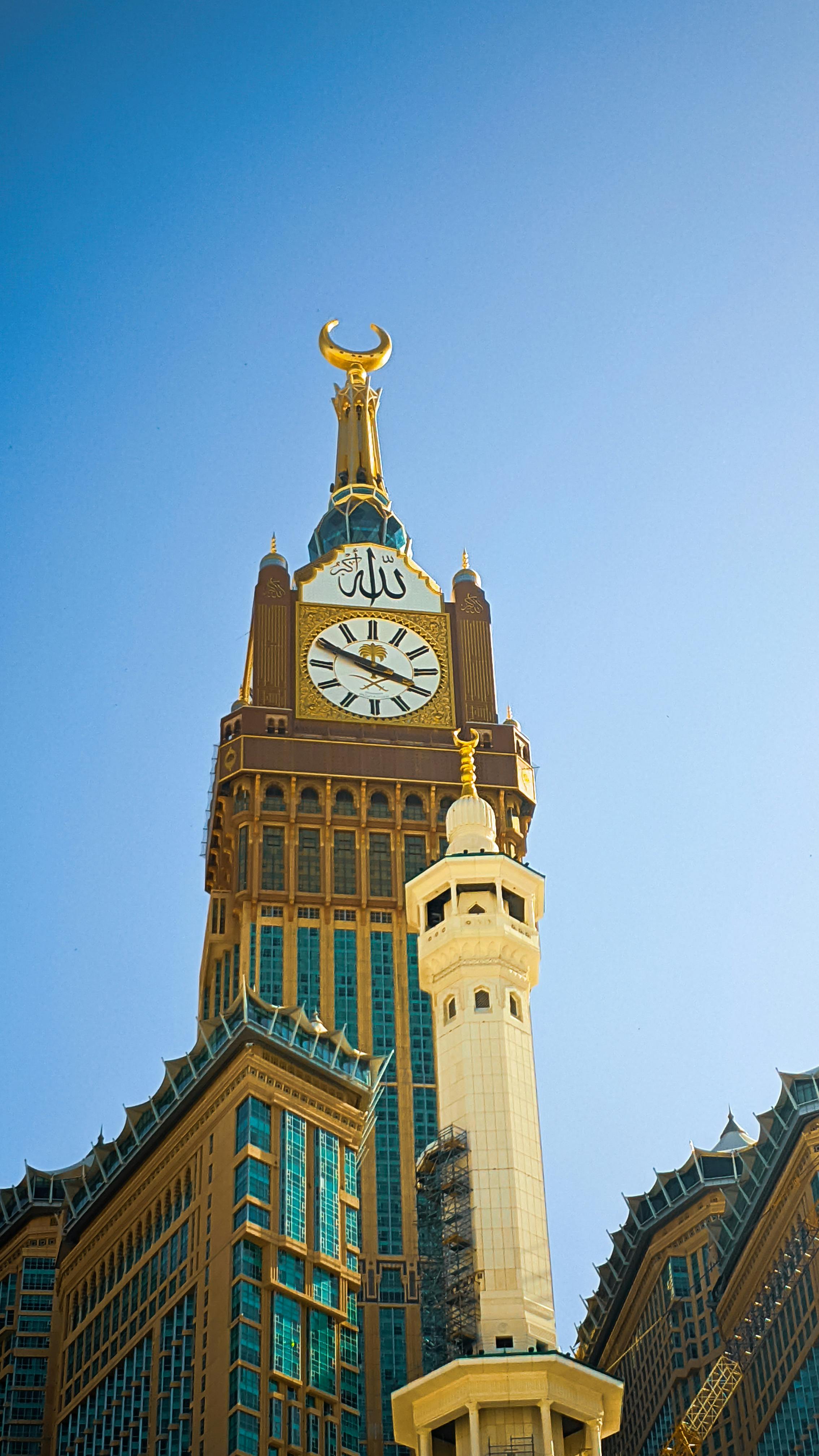
Plan your Hajj or Umrah pilgrimage with confidence. This comprehensive guide covers everything from visa requirements and step-by-step rituals
Key Takeaways
- Hajj is obligatory only for Muslims who are physically and financially able; non-Muslims are strictly prohibited from entering Makkah and Madinah's haram zones — checkpoints operate on all approach roads.
- Hajj 2026 falls around late May/early June (exact dates confirmed by moon sighting); book flights and accommodation 12+ months in advance as Makkah hotel rates exceed SAR 3,000/night during peak Hajj days.
- Umrah visas (SAR 0 fee for most nationalities since 2023) can be obtained via the Nusuk app — processing takes 24–72 hours and grants a 30-day stay.
- The tawaf (circumambulation of the Kaaba) and sa'i (walking between Safa and Marwa) are mandatory rites; the enclosed Mas'a walkway is 394 m long and air-conditioned, but temperatures near the haram still reach 40 °C in summer — carry a 500 ml water bottle minimum.
- Ihram clothing (two white unstitched cloths for men, modest full-cover for women) must be worn before crossing the miqat boundary — the Madinah miqat is Dhul Hulayfah, approximately 9 km from Masjid al-Nabawi.
⚠️ Important Access Notice
Makkah (Mecca) and Madinah (Medina) are sacred cities in Islam. Entry to Makkah is restricted exclusively to Muslims. Non-Muslim visitors are not permitted to enter the city or its surrounding Haram boundaries. Madinah's central mosque area (Masjid an-Nabawi) is also restricted to Muslims, though the wider city is accessible to all. This guide is intended for Muslim travellers planning their pilgrimage.
Understanding Hajj and Umrah
For the world's 1.8 billion Muslims, the pilgrimage to Makkah represents one of the most profound spiritual experiences in a lifetime. Whether undertaking the obligatory Hajj or the recommended Umrah, careful planning transforms the journey from logistically overwhelming to deeply fulfilling. This guide provides comprehensive, practical guidance for both pilgrimages, covering every stage from initial preparation to your return home.
Hajj: The Fifth Pillar of Islam
Hajj is the annual Islamic pilgrimage to Makkah, required once in a lifetime of every Muslim who is physically and financially able to undertake it. It is the fifth pillar of Islam and takes place during the 8th to 12th (or 13th) of Dhul Hijjah, the twelfth and final month of the Islamic lunar calendar. In 2025, Hajj is expected to fall in early June, though exact dates are confirmed by moon sighting.
Hajj involves a specific sequence of rituals performed over five to six days, including standing at the plain of Arafat (the centrepiece of Hajj), spending the night at Muzdalifah, the symbolic stoning of the Jamarat at Mina, the Tawaf (circumambulation) of the Kaaba, and Sa'i (walking between the hills of Safa and Marwa). Approximately 2 to 3 million pilgrims perform Hajj each year, making it the largest annual gathering of people on Earth.
Umrah: The Lesser Pilgrimage
Umrah is a voluntary pilgrimage that can be performed at any time of the year, except during the days of Hajj. While not obligatory, it is highly recommended in Islam and is often referred to as the 'lesser pilgrimage.' Umrah consists of four primary rituals: entering a state of Ihram, performing Tawaf around the Kaaba, performing Sa'i between Safa and Marwa, and shaving or trimming the hair (Halq or Taqsir).
Umrah can be completed in a few hours, though many pilgrims extend their stay to spend additional time in prayer and reflection at Masjid al-Haram in Makkah and Masjid an-Nabawi in Madinah.
Key Differences at a Glance
| Aspect | Hajj | Umrah |
|---|---|---|
| Obligation | Obligatory (once in a lifetime) | Recommended (Sunnah) |
| Timing | 8th–12th Dhul Hijjah only | Any time of year |
| Duration | 5–6 days of rituals | 2–4 hours (rituals only) |
| Rituals | Tawaf, Sa'i, Arafat, Muzdalifah, Mina, Stoning, Sacrifice | Tawaf, Sa'i, Halq/Taqsir |
| Cost | 12,000–50,000+ SAR per person | 3,000–15,000 SAR per person |
Visa Requirements
Hajj Visa
Hajj visas are issued exclusively through authorised Hajj operators in each country. Individual applications are not accepted. The Saudi Ministry of Hajj and Umrah allocates quotas to each nation (approximately 1 pilgrim per 1,000 Muslim citizens), and approved travel agencies manage the application process. Hajj visas typically include bundled packages covering accommodation, transport, and meals during the pilgrimage period.
Requirements generally include a valid passport (minimum six months validity), completed application forms, proof of Muslim faith (a letter from a local mosque or Islamic centre), vaccination certificates (meningitis ACWY is mandatory; COVID-19 requirements vary annually), and passport-sized photographs. Apply well in advance — many countries have waiting lists that can extend several years.
Umrah Visa
A significant development since 2019: Saudi Arabia now allows Umrah visits on the standard tourist e-Visa, which is available to citizens of the 66 eVisa-eligible countries. This means travellers can combine Umrah with broader tourism in Saudi Arabia — visiting Riyadh, Jeddah, AlUla, and other destinations on the same trip.
The tourist e-Visa costs approximately 535 SAR (around 140 USD), is valid for one year with multiple entries, and allows stays of up to 90 days per visit. It can be obtained online within minutes at the official Saudi visa portal. This has dramatically simplified Umrah planning, eliminating the need for sponsored Umrah-specific visas for citizens of eligible countries.
For nationals of countries not eligible for the tourist e-Visa, dedicated Umrah visas remain available through authorised travel agencies and Saudi embassies. Ramadan is the most popular period for Umrah, so book flights and accommodation well in advance during this time.
Step-by-Step Preparation
1. Spiritual Preparation (3–6 Months Before)
Begin with sincere intention (Niyyah). Study the rituals of Hajj or Umrah thoroughly — understanding the spiritual significance of each act enriches the experience immeasurably. Many mosques and Islamic centres offer preparatory classes and seminars. Read reliable scholarly guides and, if possible, speak with those who have recently performed the pilgrimage. Learn the essential du'as (supplications) for each stage of the rituals.
2. Practical Planning (3–4 Months Before)
- Choose your operator: For Hajj, select a licensed operator from your country's approved list. Compare packages carefully — differences in accommodation proximity to the Haram, transport quality, and group sizes significantly affect the experience. For Umrah, you can book independently or through an operator.
- Book flights: Jeddah's King Abdulaziz International Airport (JED) is the primary gateway, with a dedicated Hajj terminal. Madinah's Prince Mohammad bin Abdulaziz Airport (MED) is an alternative, particularly if visiting Madinah first.
- Arrange accommodation: See the accommodation section below for detailed guidance.
- Travel insurance: Comprehensive travel and health insurance is strongly recommended. Ensure it covers the specific dates of your pilgrimage and any pre-existing conditions.
3. Health Preparation (2–3 Months Before)
- Vaccinations: Meningococcal meningitis (ACWY) vaccination is mandatory and must be administered no less than 10 days before arrival. Validity is 5 years for a conjugate vaccine (ACWY or ACWYX, clearly named on the certificate) or 3 years for a polysaccharide vaccine — certificates that don't specify the vaccine type are also treated as valid for only 3 years. Seasonal flu vaccination is strongly recommended. Check the latest Saudi Ministry of Health requirements for any additional mandates.
- Fitness: Hajj involves extensive walking — pilgrims typically cover 10 to 20 kilometres per day, often in extreme heat. Begin a walking programme at least two months before travel. Build stamina gradually.
- Medications: Carry a sufficient supply of any prescription medications in their original packaging, along with a doctor's letter in English. Heat exhaustion is the most common health concern — discuss preventive strategies with your doctor.
4. Documentation (1 Month Before)
- Passport with at least six months validity
- Visa (Hajj visa through operator, or tourist e-Visa for Umrah)
- Vaccination certificates
- Travel insurance documents
- Photocopies of all documents (carry separately from originals)
- Emergency contact information
- Hotel booking confirmations
Accommodation Near Masjid al-Haram
Makkah
Accommodation in Makkah ranges from ultra-luxury hotels with direct Haram views to budget options several kilometres away. Proximity to Masjid al-Haram is the primary factor affecting price and convenience.
- Premium (within 500 metres): Hotels in the Jabal Omar and Abraj Al-Bait complexes offer direct access to the Haram through private entrances and air-conditioned walkways. Rates range from 2,000 to 10,000+ SAR per night during Hajj season and 500 to 3,000 SAR during regular Umrah periods. These properties are ideal for elderly pilgrims or those with mobility limitations.
- Mid-range (500m–2 km): Numerous hotels along Ibrahim Al-Khalil Road and Ajyad Street offer good quality at more moderate prices (300–1,500 SAR per night). Walking time to the Haram is 10 to 25 minutes, and many areas are served by pedestrian tunnels and covered walkways.
- Budget (2–5 km): Hotels in the Aziziyah and Misfalah districts offer the most affordable rates (100–500 SAR per night) with free shuttle services to the Haram. These areas are significantly quieter and can be a welcome retreat from the intensity of the central zone.
Madinah
Many pilgrims visit Madinah before or after their Makkah rituals. Accommodation near Masjid an-Nabawi (the Prophet's Mosque) follows a similar tiered structure but is generally more affordable than Makkah. Hotels within walking distance of the mosque range from 200 to 3,000 SAR per night depending on season and proximity. The atmosphere in Madinah is notably calmer and more contemplative than the intensity of Makkah during peak seasons.
Essential Packing List
Ihram and Prayer Essentials
- Ihram garments (men): Two white, unstitched cloth pieces. Bring at least two sets for freshness. Practice wearing and securing them before travel.
- Ihram clothing (women): Any modest, loose-fitting clothing that covers the body. White is traditional but not required. A face veil (niqab) is not worn during Ihram, though a headscarf is required.
- Prayer mat: Lightweight, foldable
- Quran or digital Quran app
- Du'a book or printed supplications for each ritual stage
- Tasbeeh (prayer beads) or digital counter
Practical Items
- Comfortable walking shoes: Slip-on sandals for the Haram (shoes must be removed frequently). Sturdy walking shoes for Mina and Arafat.
- Unscented toiletries: Fragrance-free soap, shampoo, and sunscreen (scented products are prohibited during Ihram).
- Waist pouch or neck wallet: For passport, phone, and money — pickpocketing can occur in extreme crowds.
- Umbrella: Essential for sun protection, particularly at Arafat and Mina.
- Refillable water bottle: Zamzam water is freely available at the Haram, but carry water at all times during rituals.
- Portable phone charger: Power banks are essential as charging opportunities may be limited.
- Small scissors or electric shaver: For Halq or Taqsir after completing the rituals.
- Basic medications: Paracetamol, oral rehydration salts, blister plasters, antidiarrhoeal medication, and personal prescriptions.
Health and Safety Tips
Heat Management
Makkah temperatures during Hajj season (which shifts earlier each year in the Gregorian calendar due to the lunar cycle) can exceed 45°C. Heat-related illness is the single greatest health risk. Drink at least 3 to 4 litres of water daily. Avoid prolonged sun exposure between 11:00 AM and 3:00 PM. Use an umbrella constantly when outdoors. Recognise the symptoms of heat exhaustion — dizziness, nausea, excessive sweating, rapid heartbeat — and seek shade and hydration immediately if they occur.
Crowd Safety
The density of pilgrims, particularly during Tawaf, at Arafat, and during the Jamarat stoning, requires awareness and patience. Move with the flow of the crowd, never against it. Avoid carrying large bags. If you feel crushed, create space by placing your arms across your chest. The expanded Jamarat Bridge and new crowd management systems have significantly improved safety, but vigilance remains important.
Hygiene
Respiratory infections spread easily in dense crowds. Carry hand sanitiser and consider wearing a medical mask in the most crowded areas. Avoid touching your face. Eat only from trusted sources and be cautious with street food during peak crowd periods.
Medical Facilities
Saudi Arabia provides extensive free medical services to pilgrims during Hajj, including field hospitals at Arafat and Mina, mobile clinics, and ambulance services. The Ministry of Health deploys thousands of medical staff specifically for the pilgrimage season. However, the sheer volume of pilgrims means waiting times can be significant for non-emergency care. Carry a personal first-aid kit and any prescribed medications.
Cultural and Spiritual Guidelines
Conduct in the Holy Sites
- Respect and patience are paramount. The crowds and physical demands can be exhausting, but maintaining a calm, considerate demeanour is both a spiritual practice and a practical necessity.
- Photography: Photography is permitted in most areas of the Haram, but avoid photographing others without permission and never use flash near people in prayer. Some areas near the Kaaba may have photography restrictions during peak times.
- Mobile phones: Silence your phone during prayers. Avoid lengthy phone calls in the prayer areas.
- Charity: You will encounter many people asking for assistance. Give what you can, but be aware that organised begging does occur near the Haram.
Gender-Specific Guidance
Women travelling for Hajj were historically required to be accompanied by a mahram (male guardian). Saudi regulations have been updated: women aged 45 and above may now perform Hajj without a mahram, provided they travel with an organised group. For Umrah on a tourist visa, there is no mahram requirement regardless of age. Women have designated prayer areas in the Haram, though Tawaf and Sa'i are performed in shared spaces.
Respecting Fellow Pilgrims
You will share this experience with people from virtually every nation and culture on Earth. Language barriers, different cultural norms, and the physical stress of the pilgrimage can create friction. Approach every interaction with generosity and patience. The diversity of the Ummah gathered in one place is itself a profound aspect of the pilgrimage experience.
Combining Umrah with Tourism
With the tourist e-Visa now permitting Umrah, many travellers combine their pilgrimage with exploration of Saudi Arabia's remarkable cultural and natural heritage. Popular combinations include visiting the Nabataean tombs of AlUla, exploring the historic Al-Balad district in Jeddah, experiencing the modern transformation of Riyadh, or venturing to the dramatic landscapes of the Asir region. The high-speed Haramain Railway connects Makkah, Madinah, and Jeddah, making multi-city itineraries straightforward and comfortable.
Frequently Asked Questions
Can non-Muslims visit Makkah or perform Hajj/Umrah?
No. Entry to Makkah is strictly restricted to Muslims. This is a deeply held religious regulation enforced by Saudi authorities. Non-Muslim visitors to Saudi Arabia can visit virtually every other part of the country, including Madinah (though access to the inner area of Masjid an-Nabawi is restricted to Muslims). There are no exceptions to this rule for tourism, journalism, or academic purposes.
Can I perform Umrah on a tourist visa?
Yes. Since September 2019, holders of the Saudi tourist e-Visa can perform Umrah at any time of the year (outside the Hajj season dates). This applies to citizens of all 66 countries eligible for the e-Visa. You do not need a separate Umrah visa. However, a Hajj-specific visa is still required for Hajj, and these are only issued through authorised Hajj operators.
How much does Hajj cost?
Costs vary enormously depending on your country of departure, package tier, and accommodation proximity to the Haram. Budget packages from nearby countries start at approximately 12,000 SAR (3,200 USD), while premium packages from distant countries can exceed 50,000 SAR (13,000 USD) or more. The Saudi government has introduced the 'Hajj without a package' option for some nationalities, which allows independent booking at potentially lower cost.
When is the best time to perform Umrah?
Umrah can be performed year-round. Ramadan is considered the most spiritually rewarding time (the Prophet Muhammad, peace be upon him, said that Umrah in Ramadan is equal in reward to Hajj). However, Ramadan is also the busiest period — expect extreme crowds, higher prices, and fully booked hotels. For a more comfortable experience, the months of Rajab, Shaban, and the period after Hajj season offer a good balance of spiritual atmosphere and manageable crowd levels.
Is Hajj safe for elderly pilgrims?
Saudi Arabia has invested heavily in accessibility and medical infrastructure. Wheelchair services are available at the Haram, electric carts operate at Arafat and Mina, and the Jamarat Bridge has multiple levels to reduce crowding. However, Hajj remains physically demanding. Elderly pilgrims should invest in premium packages that offer accommodation closest to the Haram, private transport, and dedicated medical support. Consult your doctor before undertaking the journey.
What vaccinations are required?
Meningococcal meningitis (ACWY) vaccination is mandatory for all pilgrims and must be administered no less than 10 days before arrival. Validity is 5 years for a conjugate vaccine (clearly named on the certificate) or 3 years for a polysaccharide vaccine or an unspecified-type certificate. Seasonal influenza vaccination is strongly recommended. Additional requirements may be announced annually by the Saudi Ministry of Health — check the latest guidelines at least 3 months before travel. Proof of vaccination must be presented at the port of entry.
Can women perform Hajj or Umrah alone?
For Umrah on a tourist visa, there is no mahram (male guardian) requirement — women of any age can travel independently. For Hajj, women aged 45 and above can now perform Hajj without a mahram if they travel as part of an organised group. Women under 45 performing Hajj still require a mahram. These regulations represent a significant recent liberalisation and may continue to evolve.
A Journey of a Lifetime
Whether you are answering the divine call of Hajj for the first time or returning for another Umrah, the journey to the Holy Cities is unlike any other travel experience. The logistical demands are real — the heat, the crowds, the physical exertion — but they fade against the spiritual magnitude of standing where millions of believers have stood for over fourteen centuries. With thorough preparation, informed planning, and sincere intention, your pilgrimage can be both a deeply personal spiritual milestone and a practically smooth journey. May your pilgrimage be accepted and your prayers answered.
Sources and Verification
This guide was last checked on 21 August 2026 against the official sources below. Pilgrimage permits, health requirements and seasonal rules are set by the Saudi authorities and change from year to year — always confirm on the official platforms before booking or travelling.
- Nusuk — the official Saudi platform for Hajj and Umrah: permits, bookings and guidance for Makkah and Madinah.
- Saudi Ministry of Health — official pilgrim health guidance, including the vaccination requirements for Hajj and Umrah.
- World Health Organization — Saudi Arabia — international health regulations and country health information.
- National Center for Meteorology — official forecasts, including the Mashaer weather service for the pilgrimage sites.
Reviewed by the Explore Saudi Editorial Team, 21 August 2026.
Plan Your Saudi Adventure
Ready to experience the Kingdom? Our AI-powered Trip Planner creates personalized itineraries based on your interests, budget, and travel dates. From Riyadh's skyline to AlUla's ancient tombs — let us help you discover Saudi Arabia your way.
Frequently Asked Questions
- What is the difference between Hajj and Umrah?
- Hajj is the Islamic pilgrimage during Dhul-Hijjah (12th Islamic month) with specific rituals and is a mandatory pillar of Islam for financially and physically able Muslims. Umrah is a voluntary pilgrimage performed year-round without specific dates or required rituals, making it more flexible for individual planning.
- How much does it cost to perform Hajj or Umrah from Saudi Arabia?
- Hajj packages from travel agencies range from SAR 15,000–50,000+ depending on accommodation and services, plus visa and flight costs. Umrah is more affordable at SAR 3,000–15,000. Both require additional costs for ihram garments, transportation within Saudi Arabia, and meals.
- What vaccinations are required for Hajj or Umrah?
- Meningococcal (ACWY and B), yellow fever (if arriving from endemic countries), polio booster, and influenza vaccines are required or recommended. COVID-19 vaccination status may be checked. Saudi Arabia also recommends typhoid and hepatitis A/B vaccines for comprehensive protection.
- Can non-Muslims visit the Sacred Mosque or the Grand Mosque?
- Non-Muslims are strictly prohibited from entering Makkah city and the Sacred Mosque (Al-Masjid al-Haram). In Madinah, non-Muslims cannot enter the Prophet's Mosque (Al-Masjid an-Nabawi). These are restricted holy sites accessible only to Muslims.