رحلة برية من الرياض إلى الدمام: عبور وسط الجزيرة العربية
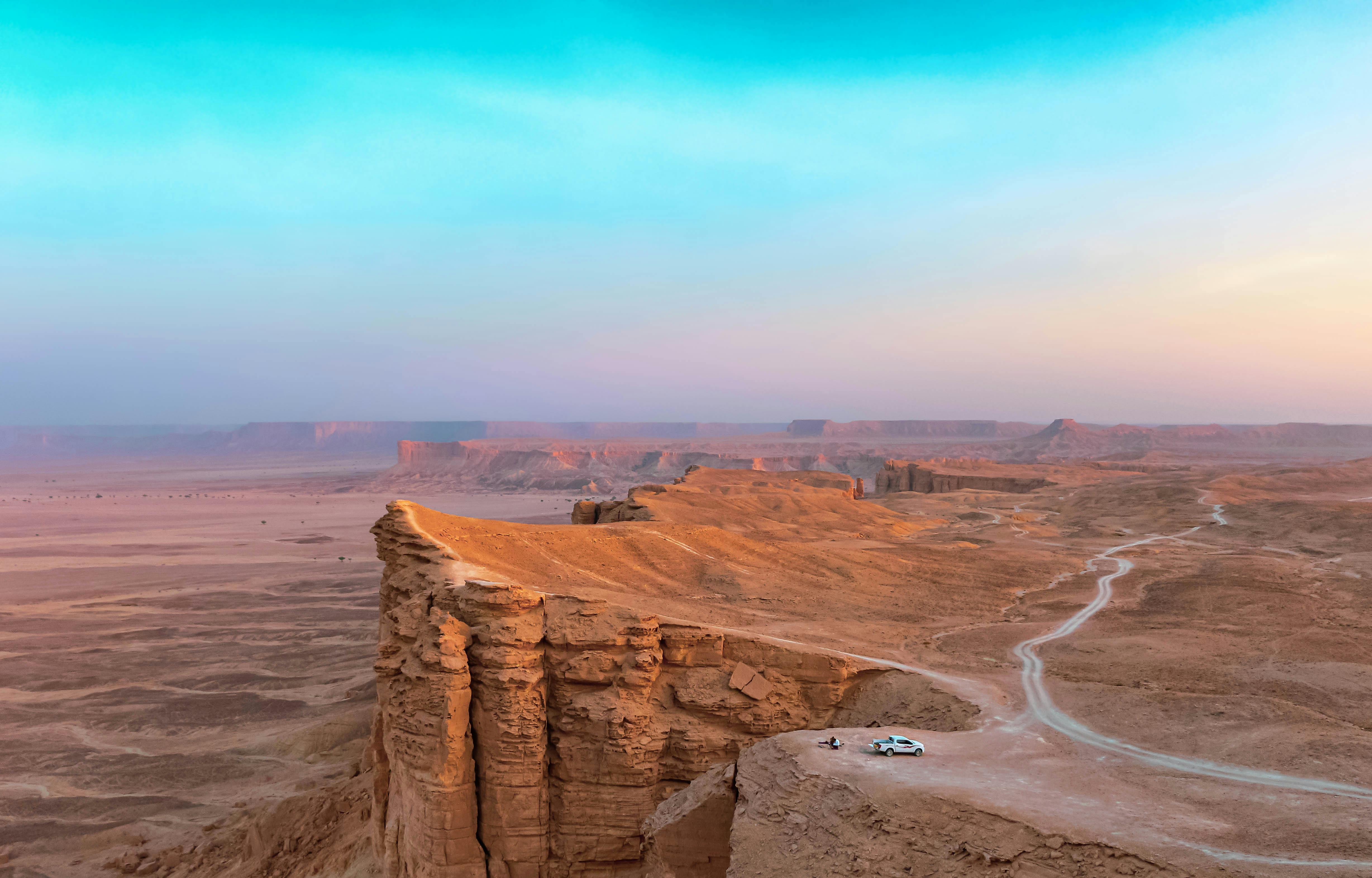
اكتشف رحلة برية ممتعة من الرياض إلى الدمام عبر وسط السعودية. دليل شامل يشمل الطريق السريع 40، نصائح القيادة، وتحويلة الأحساء.
أبرز النقاط
- يبلغ طول طريق الرياض-الدمام السريع (الطريق رقم 40) نحو 400-420 كم، ويستغرق ما بين 3.5-4 ساعات دون توقف؛ غادر قبل الساعة 07:00 لتجنب ازدحام الرياض والوصول إلى الساحل قبل حرارة منتصف النهار.
- تُعد واحة الأحساء (مدرجة في قائمة اليونسكو عام 2018) انعطافة تستحق العناء على بعد نحو 150 كم جنوباً قرب الهفوف - يمكن استكشاف بساتين النخيل وكهوف جبل القارة وحصن قصر إبراهيم خلال 3-4 ساعات.
- تظهر محطات الوقود كل 50-100 كم على طول الطريق السريع 40، لذا فإن مدى الوقود ليس مصدر قلق؛ والوقود رخيص جداً بنحو 2.30-2.50 ريال للتر.
- تشكّل الدمام والخبر والظهران التجمع الحضري للمنطقة الشرقية على الخليج؛ ويُعد إثراء في الظهران (دخول مجاني) وكورنيش الدمام من أبرز المعالم السهلة الوصول.
- الطريق صحراء منبسطة ومفتوحة على طريق سريع جيد اللافتات؛ وترتفع الرطوبة بشكل ملحوظ في المقطع الأخير قبل الساحل، خاصة بين مايو وسبتمبر.
يمتد الطريق من الرياض إلى الدمام لمسافة تبلغ نحو 400 كيلومتر عبر وسط المملكة العربية السعودية — أي ما يقارب أربع ساعات على طريق سريع وحديث. في حد ذاته، يُعد انتقالاً مباشراً بين العاصمة وساحل المنطقة الشرقية، لكن مع وجود يوم إضافي، يفتح الطريق أمامك واحدة من أفضل الانعطافات الجانبية في البلاد: واحة الأحساء. يغطي هذا الدليل الجانب العملي — السيارة والوقود والمسار ومحطات الاستراحة والسلامة — إضافة إلى ما يستحق المشاهدة في كلا الطرفين.
إنها رحلة سهلة بمقاييس المنطقة: طريق سريع رئيسي واحد، ولافتات ثنائية اللغة، ووقود رخيص، ومحطات خدمة متكررة. إليك كيفية القيام بها على أكمل وجه.
حقائق سريعة
- المسافة: نحو 400–420 كم (250–260 ميلاً).
- مدة القيادة: 3.5–4 ساعات دون توقف.
- المسار الرئيسي: الطريق السريع 40، طريق الرياض–الدمام السريع.
- أفضل الأشهر: من أكتوبر إلى أبريل، حين تكون الحرارة معتدلة.
- العملة: الريال السعودي (SAR)، المربوط بسعر يقارب 3.75 مقابل الدولار الأمريكي.
- الوقود: من بين الأرخص في العالم، بنحو 2.30–2.50 ريال للتر الواحد.
قبل الانطلاق
القيادة نفسها بسيطة، لكن القليل من التحضير يساعد — خاصة للزائرين لأول مرة. إذا كنت تستأجر سيارة، فإن الوكالات الكبرى (هيرتز وآفيس وبدجت والشركات المحلية) تعمل جميعها في الرياض؛ وتبلغ تكلفة السيارة السيدان القياسية نحو 150–300 ريال يومياً، وأكثر من ذلك بالنسبة للدفع الرباعي. تأكد من أن عقد الإيجار يشمل تأميناً مناسباً، وأحضر رخصتك الوطنية إضافة إلى رخصة القيادة الدولية. القيادة في السعودية تكون من الجهة اليمنى.
تصطف محطات الوقود على طول الطريق السريع 40، والوقود رخيص جداً، بنحو 2.30–2.50 ريال للتر. تعمل البطاقات في معظم المحطات، لكن احمل بعض النقود للمحطات الصغيرة. حمّل خريطة تعمل دون اتصال (خرائط جوجل أو Waze) تحسباً لانقطاع البيانات في المقاطع المفتوحة، واحصل على شريحة اتصال محلية من STC أو موبايلي أو زين من المطار. يوجد دليل كامل عن القيادة واستئجار سيارة في دليل تأجير السيارات لدينا.
المسار: الطريق السريع 40
الطريق السريع 40 — طريق الرياض–الدمام السريع — هو طريق حديث متعدد المسارب، جيد الصيانة، ومزوّد بلافتات باللغتين العربية والإنجليزية. الحد الأقصى للسرعة عادة 120 كم/س للسيارات؛ وكاميرات مراقبة السرعة منتشرة، لذا انتبه للافتات. المشهد صحراوي طوال الطريق، وينتقل من الأرض الصخرية حول الرياض إلى السهول الرملية المنبسطة قرب الساحل. انتبه للجِمال التي قد تظهر أحياناً قرب الطريق وأعطها مسافة كافية.
تظهر محطات الاستراحة، المعروفة باسم استراحة، كل 50–100 كم، وعادة ما تضم محطة وقود ومتجراً صغيراً ومصلى ومكاناً لتناول الطعام. وهي المكان الطبيعي لتقسيم الرحلة وتعبئة الوقود والتمدد قليلاً.
بعض ملاحظات القيادة: خذ فترات راحة، لأن المسافات الطويلة المستقيمة تسبب الإرهاق؛ التزم باليمين إلا عند التجاوز؛ خفف السرعة عند وجود زحف رملي بعد أيام الرياح؛ وكن أكثر حذراً في الليل حين تكون بعض المقاطع مظلمة. في حالات الطوارئ، اتصل بالرقم 993 لدوريات الطرق و997 للإسعاف.
انعطافة جانبية: واحة الأحساء
على بعد نحو 150 كم جنوب المسار الرئيسي — اسلك المخرج المتجه إلى الهفوف — تقع الأحساء، إحدى أكبر الواحات على وجه الأرض، وموقع مدرج على قائمة التراث العالمي لليونسكو منذ عام 2018، وتضم ملايين نخيل التمر والعيون. تضيف هذه الانعطافة بضع ساعات إلى الرحلة، لكنها تمثل أبرز محطة للعديد من المسافرين.
- جبل القارة: جبل يضم كهوفاً وممرات باردة، مع إطلالات على بساتين النخيل.
- سوق القيصرية: أحد أقدم الأسواق في البلاد، مناسب لشراء التوابل والأقمشة والتمور — والمساومة أمر متوقع.
- مسجد جواثا: يُعتقد أنه من أوائل المساجد في الإسلام.
- قصر إبراهيم: حصن مرمّم يعود إلى العهد العثماني في وسط الهفوف.
- مزارع التمور: تشتهر الأحساء بتمور الخلاص؛ وزيارة إحدى المزارع توضح لماذا تحظى التمور بهذه المكانة هنا.
تضم الهفوف مجموعة متنوعة من أماكن الإقامة، بأسعار تتراوح بين 200–500 ريال لليلة، إضافة إلى طعام تقليدي جيد.
الوصول إلى الساحل: الدمام والخبر والظهران
مع الاقتراب من الخليج، يفسح الصحراء المجال لمدن المنطقة الشرقية الثلاث المترابطة. الدمام هي عاصمة المنطقة، والخبر مدينة التسوق والمطاعم المريحة إلى الجنوب مباشرة، والظهران موطن صناعة النفط ومَعلم ثقافي رئيسي.
- إثراء (مركز الملك عبدالعزيز الثقافي العالمي)، الظهران: مبنى لافت يضم متحفاً ومكتبة ومعارض. الدخول إلى المجمّع مجاني؛ وبعض المعارض تتطلب تذاكر.
- كورنيش الدمام وحديقة الملك فهد: واجهة بحرية ومساحة خضراء سهلة الوصول لأخذ استراحة.
- خليج نصف القمر: شاطئ جنوب الخبر، مشهور للسباحة والرياضات المائية.
- جزيرة تاروت وقلعتها: قرب القطيف، وتتمتع بتاريخ طويل وحصن مرمّم.
- الخبر: مراكز تسوق ومطاعم وكورنيش؛ وهي أيضاً أقرب نقطة إلى الجسر المؤدي إلى البحرين.
تتراوح أسعار الفنادق في المدن الثلاث من نحو 300 إلى 800 ريال وأكثر.
الطعام على طول الطريق
ستجد في محطات الاستراحة وجبات سريعة — شاورما بسعر يتراوح بين 10–15 ريالاً، وفلافل، ودجاجاً مشوياً، وسلاسل مثل البيك. أما لتجربة أكثر محلية، فابحث عن مطعم صغير في البلدات أو في الأحساء وجرّب الكبسة (أرز متبل مع دجاج أو لحم) أو المندي (لحم مطهو ببطء مع أرز). القهوة السعودية مع التمر هي الترحيب المعتاد. المزيد من الأطباق وأماكن العثور عليها موجودة في دليل الطعام لدينا.
كيف تبدو الرحلة فعلياً
لمعظم الطريق، تكون الصحراء منبسطة ومفتوحة تحت سماء واسعة — ليست مثيرة، لكنها هادئة وسهلة القيادة. تخف حركة المرور بمجرد تجاوز الطرق الدائرية للرياض، والسطح جيد، وأكثر ما يتطلب انتباهك هو البقاء يقظاً في المسافات الطويلة المستقيمة. يمنحك الصباح الباكر وأواخر بعد الظهر أفضل إضاءة؛ أما منتصف النهار في الصيف فقاسٍ ويُفضّل تجنبه. ستمر بمزارع مسيّجة، وخطوط كهرباء تمتد حتى الأفق، وجملاً بين الحين والآخر، ومحطات خدمة منتظمة تجعل التوقف أمراً سهلاً. إنه نوع من الطرق تكون فيه القيادة بمثابة الإحماء، والمحطات — الواحة والساحل — هي المكافأة.
لا تفضل القيادة؟ القطار والحافلة والطائرة
ليس عليك القيادة بالضرورة. تُشغّل شركة الخطوط الحديدية السعودية قطار ركاب بين الرياض والدمام يتوقف في الهفوف، البلدة الرئيسية لواحة الأحساء — وهو خيار عملي إذا كانت الواحة اهتمامك الأساسي. تستغرق الرحلة نحو أربع ساعات؛ تحقق من المواعيد والأسعار الحالية على موقع المشغّل قبل السفر. تغطي حافلات سبتكو بين المدن المسار ذاته بتكلفة أقل لكن بسرعة أبطأ، وتُسيّر طيران ناس وطيران أديل والخطوط السعودية رحلات من الرياض إلى الدمام في نحو ساعة إذا كنت تفضل تجنب البر تماماً. تظل القيادة الخيار الأفضل من حيث المرونة، خاصة إذا كنت ترغب في انعطافة الأحساء ومعالم الساحل بوتيرتك الخاصة.
خطة بسيطة على مدى يومين
إذا كنت تريد أكثر من مجرد انتقال، قسّمها على يومين:
- اليوم الأول: غادر الرياض في الصباح، وقُد لنحو ساعتين، ثم انعطف باتجاه الأحساء. تناول الغداء في الهفوف، واستكشف كهوف جبل القارة وسوق القيصرية، وابقَ ليلة في الواحة.
- اليوم الثاني: قُد المسافة المتبقية إلى الساحل (نحو 1.5 ساعة)، واقضِ بعد الظهر في إثراء بالظهران وكورنيش الخبر، واختتم اليوم بعشاء ومبيت في الخبر. أضف صباحاً في خليج نصف القمر أو جزيرة تاروت إذا كان لديك يوم ثالث.
إذا أُنجزت الرحلة دفعة واحدة دون توقف، فهي رحلة نصف يوم — لكن الواحة هي ما يستحق التمهّل من أجله.
قائمة تحقق قبل الرحلة
- رخصة قيادة سارية ورخصة قيادة دولية؛ جواز سفر أو بطاقة هوية.
- التأكد من تأمين السيارة المستأجرة؛ وإذا كانت سيارتك الخاصة، تحقق من الإطارات (والإطار الاحتياطي) والزيت والماء والفرامل.
- تحميل خرائط تعمل دون اتصال وشريحة اتصال محلية للبيانات.
- ماء ووجبات خفيفة ونظارات شمسية وحقيبة إسعافات أولية أساسية.
- تعبئة الخزان بالكامل قبل مغادرة المدينة.
معلومات مفيدة
- الكحول محظور في جميع أنحاء البلاد.
- الالتزام بلباس محتشم — تغطية الكتفين والصدر والركبتين؛ ولا يُشترط ارتداء العباءة (انتهى هذا الشرط عام 2019). راجع دليل اللباس.
- عطلة نهاية الأسبوع هي الجمعة والسبت.
- التصوير: اطلب الإذن قبل تصوير الأشخاص، وتجنب المواقع الحكومية والعسكرية.
- رمضان: تجنب الأكل أو الشرب أو التدخين في الأماكن العامة خلال ساعات النهار.
إنها رحلة بسيطة تكافئك على المرونة في تنظيم يومك: الواحة في المنتصف وساحل الخليج في النهاية يحوّلان مجرد انتقال إلى رحلة حقيقية. تصفح مزيداً من المسارات في صفحة خطط الرحلات ومناطق أخرى ضمن الوجهات.
الأسئلة الشائعة
- How long does it take to drive from Riyadh to Dammam?
- About 400-420 km and roughly 3.5-4 hours non-stop on Highway 40, the Riyadh-Dammam Expressway. Add a few hours if you detour to the Al-Ahsa oasis near Hofuf.
- What is worth stopping for along the way?
- The main detour is the Al-Ahsa oasis near Hofuf, about 150 km south, with palm groves, the Jabal Al-Qarah caves and Souq Al-Qaisariyah. On the coast, Ithra in Dhahran, the Dammam Corniche and Half Moon Bay are the easy highlights.
- What are driving conditions like on Highway 40?
- It is a modern, well-signed multi-lane motorway with a 120 km/h limit and frequent service areas. The route is flat, open desert, so take breaks on the long straights and slow down for sand drifts after windy days.
- Do I have to drive, or are there other options?
- No. The Saudi Railway Company runs a Riyadh-Dammam train that stops at Hofuf (about four hours), SAPTCO runs intercity buses, and flynas, flyadeal and Saudia fly the route in about an hour.