ماذا ترتدي في المملكة العربية السعودية: الدليل الشامل لقواعد اللباس
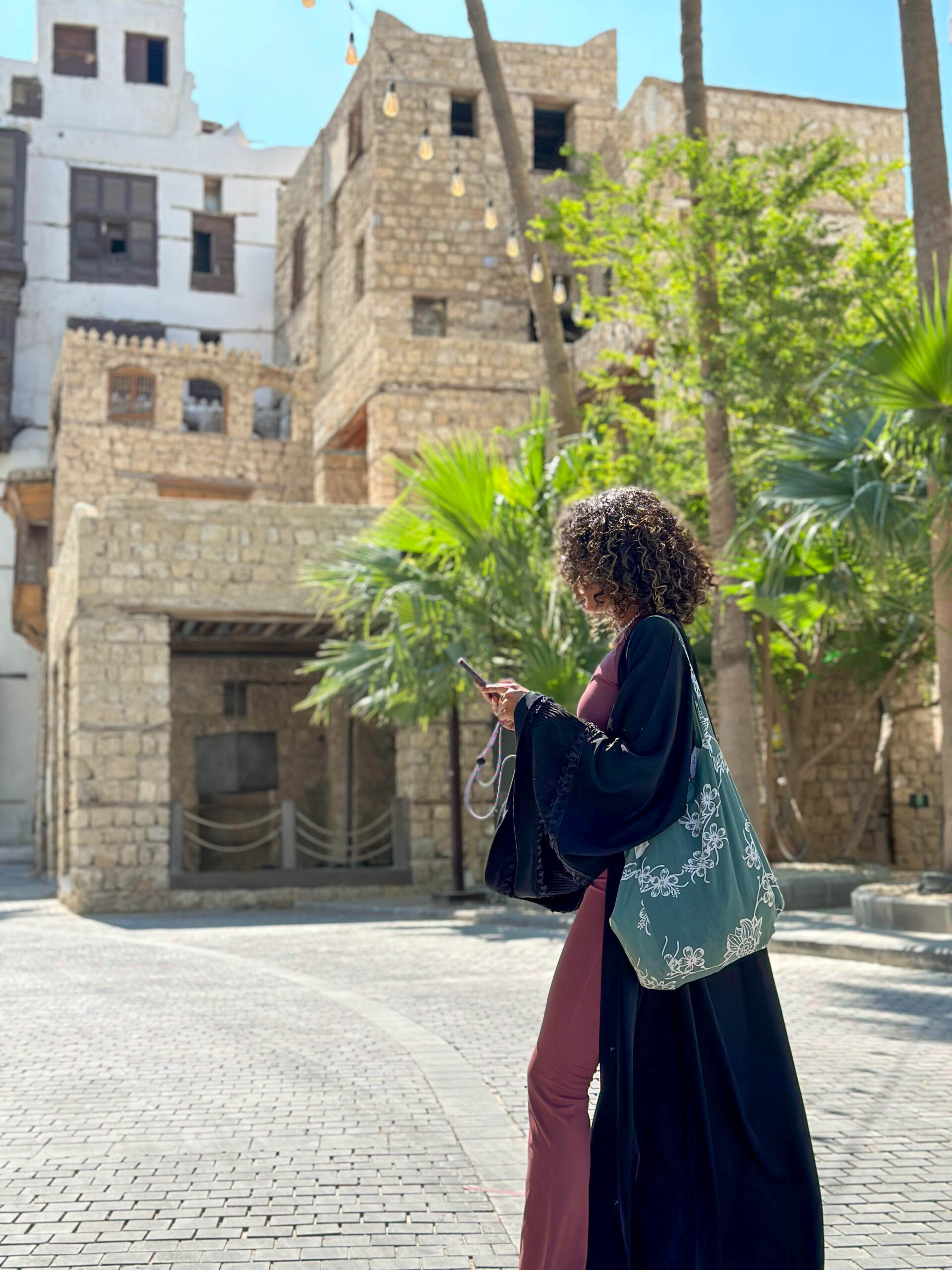
دليل شامل لقواعد اللباس في Saudi Arabia للسياح 2026. تعرف على ما ترتديه في مختلف الأماكن والمناسبات، مع نصائح للرجال والنساء وقائمة تعبئة.
أبرز النقاط
- للرجال: يكفي بنطال طويل وقمصان تغطي الأكتاف — الشورتات فوق الركبة غير محبذة.
- للنساء: ملابس فضفاضة تغطي الذراعين والركبتين. العباءة غير مطلوبة للسائحات، لكن غطاء الرأس ضروري في المساجد.
- احملي وشاحًا خفيفًا لزيارة المساجد وطبقة دافئة لليالي الصحراء والمناطق الجبلية.
- ملابس السباحة مقبولة في مسابح الفنادق والشواطئ الخاصة — وليس في الشواطئ العامة في المناطق المحافظة.
- احزم أقمشة خفيفة قابلة للتنفس وفاتحة اللون — القطن والكتان مثاليان لحرارة الصيف التي تتجاوز 40 درجة.
ماذا ترتدي في المملكة العربية السعودية: دليل شامل لقواعد اللباس
هل تخطط لرحلة إلى المملكة العربية السعودية في عام 2026؟ بينما تواصل هذه المملكة الرائعة فتح أبوابها للعالم، يُعدّ فهم العادات المحلية، لا سيما فيما يتعلق باللباس، مفتاحًا لتجربة سفر محترمة وثرية. فبعيدًا عن كونها مقيدة بشكل مفرط، تدور قواعد اللباس في المملكة العربية السعودية للسياح إلى حد كبير حول الحشمة والحساسية الثقافية، مما يتيح فرصة فريدة للانغماس في نمط الحياة المحلي. سيزودك هذا الدليل الشامل بكل ما تحتاج معرفته حول ما ترتديه، بما يضمن لك الشعور بالراحة والثقة والوعي الثقافي طوال رحلتك.
المملكة العربية السعودية أرض تناقضات مذهلة، من حداثة الرياض وجدة الصاخبة إلى مقابر العُلا المنحوتة في الصخر وشواطئ البحر الأحمر البكر. وستتكيف خياراتك من الملابس بشكل طبيعي مع هذه البيئات والأنشطة المتنوعة. وسواء كنت تستكشف الأسواق التاريخية، أو تتنزه عبر مناظر صحراوية درامية، أو تسترخي في منتجع فاخر، سنفصّل لك الأساسيات لكل من الرجال والنساء، مع نصائح عملية لكل مناسبة.
حقائق سريعة: اللباس في المملكة العربية السعودية (2026)
- المبدأ العام: الحشمة هي المفتاح لكل من الرجال والنساء.
- النساء: لم يعد ارتداء العباءة أو غطاء الرأس مطلوبًا قانونًا في معظم الأماكن العامة، لكن يُنصح بشدة بالملابس المحتشمة.
- الرجال: يُشجَّعون على تجنب السراويل القصيرة فوق الركبة في الأماكن العامة والقمصان بلا أكمام.
- المواقع الدينية: تُطبَّق قواعد لباس صارمة لكلا الجنسين (مثل المساجد).
- المناخ: حار ومشمس معظم أيام السنة. الأقمشة الخفيفة القابلة للتنفس ضرورية.
- الأحذية: أحذية المشي المريحة ضرورية لمشاهدة المعالم السياحية.
- الحساسية الثقافية: اللباس المحترم يُظهر تقديرًا للثقافة السعودية.
فهم السياق الثقافي للباس في المملكة العربية السعودية
تستند قواعد اللباس في المملكة العربية السعودية إلى التقاليد الإسلامية والأعراف الثقافية، مع التركيز على الحشمة والاحترام. ورغم التغييرات الكبيرة التي حدثت في السنوات الأخيرة، لا سيما فيما يتعلق بملابس النساء، لا تزال المبادئ الأساسية قائمة. وبالنسبة للسياح، لا يتعلق تبني هذه المبادئ بالامتثال فحسب، بل بإظهار الاحترام للمجتمع المحلي وتعزيز تجربة سفرك الخاصة. وستجد أن السكان المحليين يقدّرون الزوار الذين يبذلون جهدًا لفهم عاداتهم والتكيف معها.
في عام 2026، تواصل المملكة مسيرتها نحو التحديث والانفتاح. ورغم رفع الشرط القانوني الذي كان يُلزم النساء الأجنبيات بارتداء العباءة وغطاء الرأس في الأماكن العامة في عام 2019، لا تزال روح اللباس المحتشم قائمة. وسترى أن كثيرًا من النساء السعوديات ما زلن يخترن ارتداء العباءات وأغطية الرأس، ومراقبة ممارساتهن يمكن أن توفر إرشادًا قيّمًا.
ماذا يجب أن ترتدي النساء في المملكة العربية السعودية (2026)
بالنسبة للمسافرات، ينصبّ التركيز على تغطية الأكتاف والصدر والركبتين. ورغم أن العباءة لم تعد إلزامية للسياح، لا يزال كثير منهنّ يخترن ارتداءها، إذ يجدنها مريحة وعملية للحماية من الشمس وطريقة أنيقة للاندماج. وإذا اخترتِ عدم ارتداء العباءة، فاستهدفي الملابس الفضفاضة غير الشفافة التي تغطي المناطق الرئيسية. فكري في الفساتين الطويلة، والتنانير الماكسي، والبناطيل واسعة الساق، والسترات ذات الأكمام الطويلة.
غطاء الرأس (الحجاب أو الشيلة) ليس مطلوبًا قانونًا للنساء الأجنبيات في معظم الأماكن العامة، لكن من الحكمة حمل واحد معك. وستحتاجين إليه بالتأكيد عند زيارة المساجد أو المواقع الدينية الأخرى. أما بالنسبة لمشاهدة المعالم السياحية بشكل عام، فالأمر خيار شخصي، لكن توفر واحد قد يكون مفيدًا. فكري في الأوشحة الخفيفة المصنوعة من القطن أو الكتان.
الملابس الموصى بها للنساء:
- الجزء العلوي: بلوزات فضفاضة، أو سترات، أو قمصان بأكمام تغطي المرفقين على الأقل، ويُفضَّل المعصمين. تجنبي فتحات العنق المنخفضة.
- الجزء السفلي: تنانير طويلة (ماكسي أو ميدي)، بناطيل واسعة الساق، أو بناطيل بالازو. الجينز مقبول إذا لم يكن ضيقًا جدًا.
- الفساتين: فساتين ماكسي، ويُفضَّل أن تكون بأكمام. وإذا كانت بلا أكمام، ارتديها مع سترة خفيفة أو جاكيت.
- الملابس الخارجية: عباءة خفيفة ومفتوحة يمكن أن تكون مريحة وحساسة ثقافيًا. الكيمونو أو السترات الطويلة تخدم غرضًا مشابهًا.
- غطاء الرأس: غير إلزامي في الأماكن العامة بشكل عام، لكنه ضروري للمساجد والمواقع الدينية.
- الأحذية: صنادل مريحة، أو أحذية مسطحة، أو أحذية مشي.
- ملابس السباحة: ملابس سباحة محتشمة في مسابح الفنادق الخاصة. وتُفضَّل أحيانًا الخيارات الأكثر تحفظًا مثل البوركيني في الشواطئ العامة.
ماذا يجب أن يرتدي الرجال في المملكة العربية السعودية (2026)
بالنسبة للمسافرين الذكور، تكون قواعد اللباس عمومًا أقل صرامة مقارنةً بالنساء، لكن التواضع لا يزال محل تقدير. والمفتاح هو تجنب الملابس العادية جدًا أو الكاشفة. ورغم أنك لن تكون مطالبًا بارتداء الثوب، فإن فهم التفضيل المحلي للملابس المحتشمة سيخدمك جيدًا.
في معظم الأماكن العامة، ينبغي للرجال اختيار سراويل أو شورتات طويلة تغطي الركبة. والقمصان (تي شيرت) مقبولة عمومًا، لكن يُفضَّل تجنب السترات بلا أكمام أو القمصان ذات الحمالات، خصوصًا في المناطق الحضرية. وعند زيارة المساجد، ينبغي للرجال التأكد من تغطية أكتافهم وركبهم.
الملابس الموصى بها للرجال:
- الجزء العلوي: قمصان (تي شيرت)، أو قمصان بولو، أو قمصان بياقة. يُفضَّل وجود أكمام. تجنب القمصان بلا أكمام في الأماكن العامة.
- الجزء السفلي: سراويل (تشينو، بناطيل كارجو، جينز)، أو شورتات تصل إلى الركبة أو أسفلها.
- الأحذية: صنادل، أو أحذية رياضية أنيقة، أو أحذية مغلقة المقدمة.
- ملابس السباحة: شورتات السباحة القياسية مناسبة في مسابح الفنادق والشواطئ الخاصة.
اللباس المناسب لمناسبات ومواقع محددة
سيحدد مسار رحلتك بعض خيارات ملابسك. وفيما يلي تفصيل لما يجب ارتداؤه لمختلف الأنشطة والأماكن داخل المملكة العربية السعودية:
المواقع الدينية (المساجد، خصوصًا في مكة والمدينة)
هنا تُطبَّق أشد قواعد اللباس صرامة على كلا الجنسين. فبالنسبة للنساء، تُعدّ العباءة الكاملة الطول وغطاء الرأس الذي يغطي كل الشعر إلزاميين. ويجب على الرجال ارتداء سراويل طويلة وقميص بأكمام (بلا شورتات أو قمصان بلا أكمام).
ملاحظة: مكة المكرمة مغلقة تمامًا أمام غير المسلمين — وينطبق هذا على المدينة بأكملها، لا على المسجد الحرام فقط، وتُطبَّق هذه القاعدة عبر نقاط تفتيش على الطرق المؤدية إليها. أما مدينة المدينة المنورة فمفتوحة لغير المسلمين، لكن منطقة الحرم المركزية المحيطة بالمسجد النبوي مخصصة للمسلمين فقط. وغالبًا ما تكون المساجد الأخرى في أنحاء المملكة مفتوحة للزوار المحترمين.
مشاهدة المعالم والاستكشاف الحضري (الرياض، جدة، العُلا)
لاستكشاف المدن، أو المواقع التاريخية مثل الدرعية، أو عجائب العُلا، تسير الراحة والحشمة جنبًا إلى جنب. فبالنسبة للنساء، تُعدّ الفساتين الطويلة، أو التنانير، أو البناطيل واسعة الساق مع بلوزات طويلة الأكمام مثالية. وينبغي للرجال الالتزام بالسراويل أو الشورتات بطول الركبة والقمصان أو القمصان ذات الياقة. وأحذية المشي المريحة ضرورية.
مغامرات الصحراء (التخييم، المشي لمسافات طويلة، تجربة الكثبان الرملية)
يتطلب مناخ الصحراء ملابس محددة. فالأقمشة الخفيفة القابلة للتنفس أمر بالغ الأهمية. وتوفر الأكمام الطويلة والسراويل (لكلا الجنسين) حماية من الشمس والرمال. وقبعة عريضة الحواف، ونظارات شمسية، وواقٍ شمسي أمور لا غنى عنها. ويُنصح بارتداء أحذية متينة مغلقة المقدمة.
منتجعات الشاطئ وساحل البحر الأحمر (نيوم، كورنيش جدة، جزر فرسان)
داخل منتجعات الفنادق الخاصة والشواطئ الخاصة المخصصة، تكون ملابس السباحة عمومًا أكثر مرونة. فبالنسبة للنساء، البيكيني وملابس السباحة القطعة الواحدة مقبولة بجانب المسبح وفي شواطئ المنتجعات الخاصة. وبالنسبة للرجال، شورتات السباحة القياسية مناسبة. لكن عند مغادرة أراضي المنتجع إلى الشواطئ العامة، ينبغي العودة إلى لباس أكثر حشمة.
تناول الطعام والسهرات المسائية
بالنسبة لتناول الطعام غير الرسمي، عادة ما تكفي ملابسك المحتشمة النهارية. أما في المطاعم الراقية، فينبغي لكل من الرجال والنساء ارتداء ملابس أنيقة. فبالنسبة للرجال، يُعدّ القميص ذو الياقة والبنطال مناسبين. وبالنسبة للنساء، يُعدّ الفستان الأنيق المحتشم أو البنطال الأنيق مناسبًا.
اللباس الموسمي: اعتبارات مناخية
يختلف مناخ المملكة العربية السعودية اختلافًا كبيرًا حسب الموسم والمنطقة. وتعبئة الملابس المناسبة للطقس لا تقل أهمية عن الملاءمة الثقافية.
نصائح عملية للتعبئة
- الطبقات هي المفتاح: رغم الحرارة، يمكن أن تكون الأماكن الداخلية المكيّفة باردة جدًا. أحضر سترات خفيفة، أو شالات، أو جاكيتات.
- اختيار الأقمشة: أعطِ الأولوية للأقمشة الطبيعية القابلة للتنفس مثل القطن والكتان والرايون.
- لوحة الألوان: الألوان الفاتحة تعكس ضوء الشمس وتُبقيك أكثر برودة.
- الحماية من الشمس: قبعة عريضة الحواف، ونظارات شمسية، وواقٍ شمسي بعامل حماية عالٍ أمور ضرورية على مدار العام.
- تنوع الأحذية: احزم أحذية مشي مريحة للنهار وصنادل أكثر أناقة للمساء.
- فكّر في العباءة: حتى لو لم تكن إلزامية، توفر العباءة الخفيفة حماية من الشمس، وهي متوفرة على نطاق واسع بسعر يتراوح بين 100 و300 ريال سعودي (نحو 27-80 دولارًا أمريكيًا).
- زي طوارئ: احرص دائمًا على توفر زي احتياطي محتشم في متناول يدك لزيارات المساجد غير المتوقعة.
نصائح تخطيطية لرحلة سلسة
إلى جانب قواعد اللباس، ستعزز بعض النصائح التخطيطية الأخرى مغامرتك السعودية في عام 2026:
- متطلبات التأشيرة: تأكد من حصولك على التأشيرة الصحيحة. نظام التأشيرة الإلكترونية مبسط للعديد من الجنسيات.
- العملة: الريال السعودي (SAR). تُقبل بطاقات الائتمان على نطاق واسع. سعر الصرف: نحو 1 دولار أمريكي = 3.75 ريال سعودي.
- المواصلات: أوبر وكريم منتشران في المدن. ويربط قطار الحرمين السريع مكة المكرمة والمدينة المنورة وجدة ومدينة الملك عبدالله الاقتصادية.
- اللغة: العربية هي اللغة الرسمية؛ والإنجليزية منتشرة على نطاق واسع في المناطق السياحية. وتعلّم عبارات أساسية مثل "شكرًا" أمر محل تقدير.
- الاتصال: تتوفر شرائح SIM من STC أو موبايلي أو زين في المطارات. وتتوفر خدمة واي فاي بشكل شائع في الفنادق والمقاهي.
- أوقات الصلاة: كن منتبهًا خلال أوقات الصلوات الخمس اليومية، حيث قد تُغلق العديد من المتاجر لفترة وجيزة.
- التصوير: اطلب الإذن دائمًا قبل تصوير الأفراد، خصوصًا النساء.
مقالات ذات صلة
- أفضل وقت لزيارة المملكة العربية السعودية - الطقس والفصول
- النقد أم البطاقة في المملكة العربية السعودية: دليل الدفع للسياح
خاتمة: عِش التجربة بثقة
يُعدّ التعامل مع قواعد اللباس في المملكة العربية السعودية في عام 2026 جزءًا لا يتجزأ من التحضير لرحلة رائعة. فباختيار ملابس محتشمة ومريحة وحساسة ثقافيًا، فإنك لا تُظهر الاحترام لمضيفيك فحسب، بل تفتح لنفسك أيضًا المجال لتجربة أكثر أصالة ومتعة. والمملكة حريصة على الترحيب بالزوار، وببذل جهد بسيط في اختيارات ملابسك، ستجد الدفء والضيافة في كل مكان. لذا، احزم أمتعتك بعناية، واحتضن جمال الثقافة السعودية، واستعد لمغامرة لا تُنسى!
خطط لمغامرتك السعودية
هل أنت مستعد لتجربة المملكة؟ يقوم مخطط الرحلات المدعوم بالذكاء الاصطناعي لدينا بإنشاء برامج رحلات مخصصة بناءً على اهتماماتك وميزانيتك وتواريخ سفرك. من أفق الرياض إلى مقابر العُلا الأثرية — دعنا نساعدك على اكتشاف المملكة العربية السعودية بطريقتك الخاصة.
الأسئلة الشائعة
- What should women wear when visiting Saudi Arabia?
- Women are not required to wear an abaya. It has not been mandatory for foreign visitors since 2019, and a headscarf is needed only inside mosques. The practical standard is loose, opaque clothing that covers shoulders and knees — avoid transparent or tightly fitted garments. Carry a light scarf or a long cardigan: it covers most situations, including mosque visits, where women also need full-length loose clothing.
- Are men required to wear traditional Saudi dress?
- Men are not required to wear traditional thobe or ghutra, and Western casual clothing like trousers and shirts is widely accepted in cities like Riyadh and Jeddah. However, avoid shorts, tank tops, and overly casual beachwear in conservative areas, and opt for long trousers and covered shoulders in religious sites.
- What are the best fabrics to wear in Saudi Arabia's heat?
- Light, breathable fabrics such as cotton, linen and moisture-wicking synthetics are ideal for Saudi heat, which can exceed 50 °C in summer. Loose cuts matter as much as fabric, because they let air circulate and help prevent heat exhaustion. Choose light colours — they reflect more sunlight and keep you cooler. The widely repeated claim that dark colours keep you cooler applies only to the narrow case of loose Bedouin robes with strong convection and is not a useful packing rule for visitors.
- Can I wear swimwear or shorts at the beach in Saudi Arabia?
- Beachwear rules vary by location. Private beach clubs and resort areas allow swimwear, but public beaches require more coverage with a wetsuit or burkini recommended. For men, swim shorts are acceptable at resorts, but avoid speedos on public beaches where locals may be uncomfortable with Western beachwear standards.