أفضل وقت لزيارة السعودية - الطقس والفصول
اكتشف أفضل وقت لزيارة Saudi Arabia مع دليلنا الشامل للطقس والمواسم والفعاليات. خطط لرحلتك المثالية الآن!
أبرز النقاط
- نوفمبر إلى مارس هو أفضل نافذة سفر عمومًا: تبلغ درجة الحرارة المتوسطة في الرياض 22 درجة مئوية، وفي جدة 28 درجة مئوية، وفي العلا 18 درجة مئوية – وكلها مريحة للتجول سيرًا دون إجهاد حراري.
- يقدّم رمضان (المتوقع في مارس 2026 تقريبًا) تجارب ثقافية فريدة، لكنه يقيّد وصول غير المسلمين إلى المطاعم نهارًا؛ وتعمل العديد من المعالم بساعات أقصر، لذا خطط حول توقيت الإفطار (وجبة كسر الصيام عند غروب الشمس).
- تعكس منطقة عسير (أبها، خميس مشيط) هذا النمط – حيث تكون الفترة من يونيو إلى أغسطس موسم الذروة على ارتفاع 2000 متر، بدرجات حرارة من 18 إلى 25 درجة مئوية ومع ظاهرة الخريف الدرامية (ضباب الرياح الموسمية).
- يسهل الوصول إلى الحِجر في العلا وقاعة حفلات مرايا من أكتوبر إلى أبريل؛ بينما يشهد الصيف حرارة نهارية تتجاوز 42 درجة مئوية تحصر الاستكشاف الخارجي في الصباح الباكر (قبل الساعة 8 صباحًا).
- احجز الرحلات الجوية قبل 8 إلى 12 أسبوعًا لموسم أكتوبر–نوفمبر الانتقالي – إذ يتسبب اليوم الوطني السعودي (23 سبتمبر) في ارتفاع السفر الداخلي، ما يرفع الأسعار لمدة 2 إلى 3 أسابيع قبله وبعده.
ملاحظة استشارية للسفر: يتناول هذا الدليل أقصى جنوب السعودية — حيث تقع جزر فرسان في منطقة جازان، بالقرب من الحدود اليمنية. اعتبارًا من عام 2026، تصنف وزارة الخارجية الأمريكية السعودية إجمالًا في المستوى 3 – أعد التفكير في السفر (أُعيد إصداره في 13 مارس 2026)، وتطبق المستوى 4 – لا تسافر على المنطقة الواقعة ضمن 20 ميلًا من الحدود اليمنية؛ وتتبنى المملكة المتحدة وكندا موقفًا مشابهًا. كما تشير نشرة مارس 2026 إلى هجمات بطائرات مسيّرة وصواريخ من إيران، وحظر مغادرة، واضطراب كبير في الرحلات التجارية. تحقق من التوجيهات الحالية لحكومتك قبل التخطيط لأي رحلة إلى هذه المناطق، ولاحظ أن تأمين السفر عادة ما يكون لاغيًا في مناطق حظر السفر. راجع دليل السلامة في السعودية. بقية البلاد لا تشملها هذه القيود الحدودية.
الإجابة المختصرة: قم بزيارة السعودية بين نوفمبر ومارس. ففي هذه الفترة يخف الحر في معظم أنحاء البلاد، وتصبح الصحاري والمدن والمواقع المنحوتة في الصخر مريحة للاستكشاف سيرًا على الأقدام. لكن المملكة تمتد عبر عدة مناطق مناخية، لذا يعتمد الشهر الأنسب على وجهتك وما تخطط للقيام به. يقسّم هذا الدليل السنة حسب الفصل والمنطقة والشهر، ويشير إلى التواريخ التي يستحق التخطيط لها.
الإجابة المختصرة
- الأفضل إجمالًا: من نوفمبر إلى مارس – أيام معتدلة، وأمسيات باردة، وتقويم فعاليات كامل.
- قيمة جيدة وازدحام أقل: أبريل وأكتوبر، وهما الشهران الانتقاليان.
- حار لكن هادئ: من مايو إلى سبتمبر – الأفضل للغوص في البحر الأحمر وجبال عسير الباردة.
فصلًا بعد فصل
الشتاء (نوفمبر إلى مارس): الفترة المريحة
هذا هو الوقت المناسب لمعظم الرحلات. تتراوح درجات الحرارة نهارًا في الرياض بين 20 و25 درجة مئوية تقريبًا، وتكون العلا ممتعة لزيارة المقابر والصحراء، ويبقى ساحل البحر الأحمر قرب جدة دافئًا بما يكفي للسباحة. يمكن أن تكون الأمسيات باردة فعلًا، خصوصًا في الصحراء، لذا احزم طبقة إضافية من الملابس. والمقابل هو أن هذا موسم الذروة: تكلفة الرحلات الجوية والفنادق أعلى، والمواقع الرئيسية أكثر ازدحامًا، لذا احجز مسبقًا. كما يكون تقويم الفعاليات في أكمل حالاته الآن، بما في ذلك موسم الرياض في العاصمة وفعالية شتاء طنطورة في العلا.
الربيع (أبريل إلى مايو): بداية الاحماء
لا تزال الصباحات والأمسيات في أبريل مريحة والازدحام أقل، ما يجعله خيارًا ذا قيمة جيدة للجمع بين جولات المدن والساحل. وبحلول مايو، يسخن الداخل بسرعة وتصبح الخطط الخارجية في منتصف النهار أصعب. إنها فترة مناسبة للاستمتاع بطقس معقول دون أسعار موسم الذروة، ولا تزال الصحراء يمكن التعامل معها في بداية اليوم ونهايته.
الصيف (يونيو إلى سبتمبر): حار في الداخل، مناسب على الماء وفي الجبال
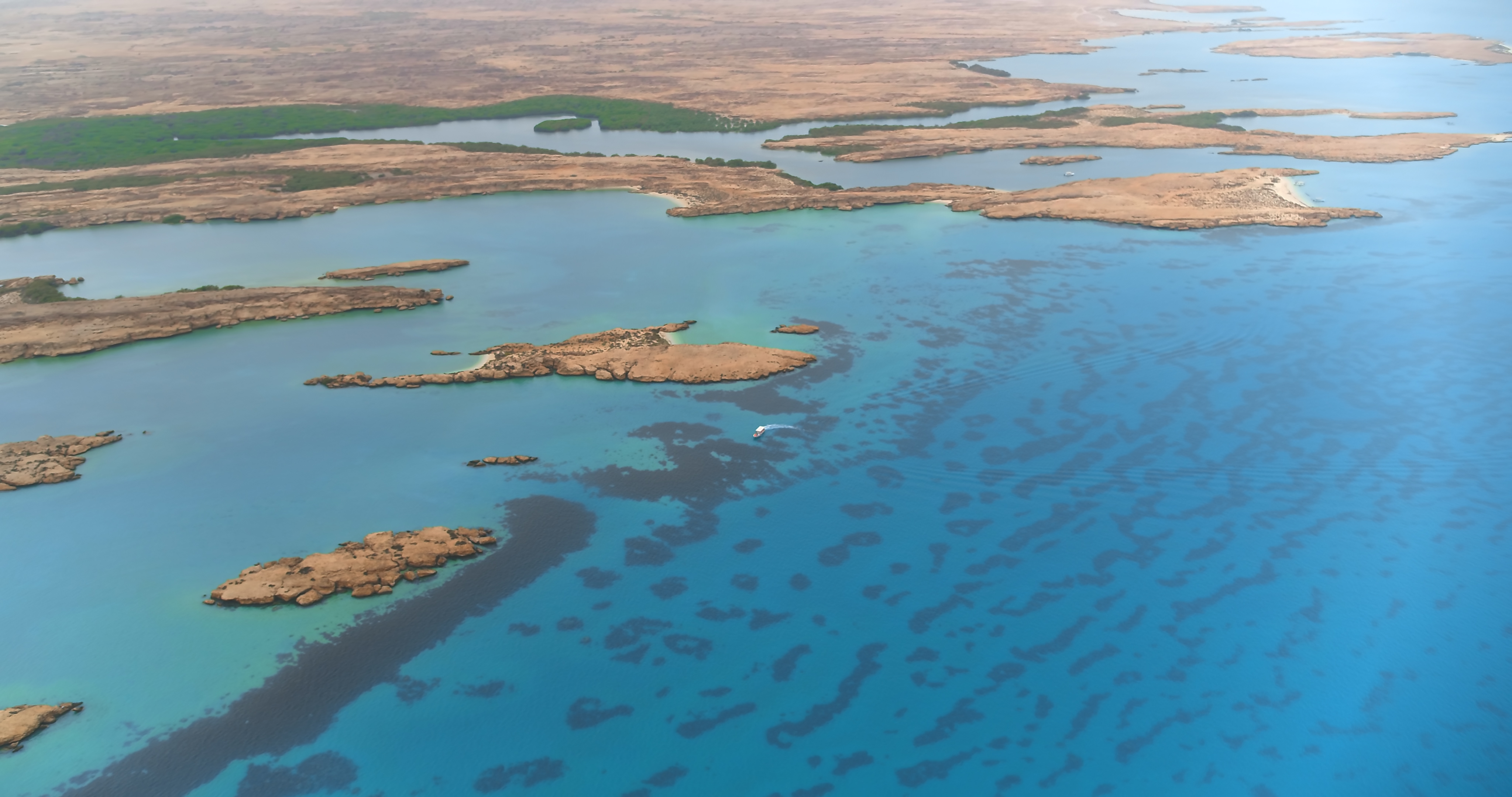
تتجاوز درجات الحرارة في الداخل بانتظام 40 درجة مئوية، والربع الخالي أكثر حرارة، ما يجعل هذا موسم الركود لجولات الصحراء والمدن. لكنه يناسب أمرين جيدًا: البحر الأحمر، حيث توفر المياه الدافئة غوصًا وسباحة بأنابيب التنفس ممتازين حول أملج وجزر فرسان، ومرتفعات عسير حول أبها، التي تبقى عند حوالي 18 إلى 25 درجة مئوية على ارتفاع 2000 متر وتشهد موسم الذروة لدى المصطافين السعوديين. الأسعار منخفضة والازدحام قليل – فقط اجعل الأنشطة الخارجية في الصباح الباكر وأواخر بعد الظهر.
الخريف (أكتوبر): الفترة الانتقالية الجيدة الأخرى
يخف الحر تدريجيًا خلال أكتوبر، وتصبح درجات الحرارة معتدلة مجددًا، ويكون الازدحام أقل منه في الشتاء. إنه من أفضل أوقات السفر من حيث القيمة قبل بدء اندفاع موسم الذروة في نوفمبر.
متى تذهب، حسب المنطقة
- الوسط (الرياض، الدرعية): من نوفمبر إلى مارس لجولات مريحة؛ الصيف مناسب للمعالم الداخلية ومراكز التسوق.
- الساحل الغربي (جدة، البحر الأحمر): دافئ طوال العام؛ الأشهر الأكثر برودة هي الأكثر راحة على اليابسة، بينما الغوص جيد طوال العام.
- الشمال الغربي (العلا، الحِجر): من أكتوبر إلى أبريل لزيارة المقابر وصخرة الفيل والفعاليات الخارجية؛ في منتصف الصيف تتجاوز درجات الحرارة نهارًا 40 درجة مئوية.
- الجنوب الغربي (عسير، أبها، الطائف): الاستثناء البارد والأخضر – الصيف هو الوقت المناسب للزيارة، حين تكون بقية البلاد حارة.
- الشرق (الدمام، الأحساء): حار ورطب في الصيف؛ يُفضَّل الزيارة من نوفمبر إلى مارس.
شهرًا بعد شهر
درجات الحرارة القصوى التقريبية نهارًا لثلاث نقاط مرجعية مفيدة – الرياض (الصحراء الوسطى)، والعلا (الشمال الغربي)، وجدة (ساحل البحر الأحمر):
- يناير: أبرد شهر ومن أفضلها. الرياض والعلا حوالي 20 درجة مئوية، وجدة حوالي 29 درجة مئوية؛ ليالي الصحراء باردة. مثالي للحِجر والدرعية والتجول في المدينة. موسم الذروة.
- فبراير: لا يزال باردًا وجافًا، وغالبًا ما يكون الشهر الأمثل. الرياض والعلا حوالي 22 إلى 24 درجة مئوية، وجدة حوالي 29 درجة مئوية. يبدأ رمضان في النصف الثاني من الشهر عام 2026.
- مارس: ممتع ويزداد دفئًا، العلا والرياض حوالي 28 درجة مئوية، وجدة حوالي 31 درجة مئوية. مناسب لكل شيء؛ نهاية موسم الذروة.
- أبريل: شهر انتقالي ذو قيمة جيدة – صباحات وأمسيات مريحة، الرياض نهارًا حوالي 33 درجة مئوية، وجدة حوالي 33 درجة مئوية.
- مايو: يسخن الداخل (الرياض قرب 39 درجة مئوية)؛ توجّه إلى البحر الأحمر أو مرتفعات عسير.
- من يونيو إلى أغسطس: ذروة الحر في الداخل (الرياض والعلا في أواخر الأربعينيات المئوية المنخفضة إلى المتوسطة، والربع الخالي أعلى من ذلك). أفضل موسم للغوص في البحر الأحمر وموسم بارد ومزدحم في أبها. اجعل الجولات في الصباح الباكر وأواخر النهار.
- سبتمبر: لا يزال حارًا لكنه يخف في أواخر الشهر؛ الرياض حوالي 40 درجة مئوية. يشهد اليوم الوطني (23 سبتمبر) ارتفاعًا في السفر الداخلي.
- أكتوبر: الفترة الانتقالية الجيدة الثانية – تعود الرياض إلى حوالي 34 درجة مئوية، والعلا ممتعة، وازدحام أقل وأسعار أفضل من الشتاء. عادة ما ينطلق موسم الرياض في هذا الشهر تاريخيًا – راجع دليلنا السعودية في أكتوبر.
- نوفمبر: يبدأ موسم الذروة؛ بارد ومريح في كل مكان (الرياض حوالي 27 درجة مئوية، وجدة حوالي 33 درجة مئوية). التفاصيل الكاملة في دليلنا السعودية في نوفمبر – بما في ذلك سبب عدم إقامة سباق فورمولا 1 في جدة في نوفمبر عام 2026.
- ديسمبر: بارد وصافٍ واحتفالي؛ الرياض حوالي 21 درجة مئوية، والعلا حوالي 20 درجة مئوية. ممتاز، ومزدحم.
الأمطار والرياح وما يمكن توقعه
السعودية جافة، لكنها ليست خالية من الأمطار. تهطل زخات قصيرة وأحيانًا غزيرة في الغالب بين نوفمبر وأبريل، ويمكن أن تسبب فيضانات مفاجئة قصيرة المدى في الأودية والوديان – وهذا مفيد معرفته إذا كنت تقود في الصحراء أو تتنزه في العلا. تلتقط جبال عسير طرف الرياح الموسمية الصيفية (الخريف)، التي تغلف أبها بالضباب والمطر الخفيف من حوالي يونيو إلى سبتمبر. يمكن أن يجلب الربيع رياحًا مثيرة للغبار وعواصف رملية عرضية عبر الداخل، ما يقلل الرؤية ليوم أو نحوه. لا شيء من هذا ينبغي أن يعطل رحلتك؛ إنه فقط يدعو إلى ترك يوم أو يومين للمرونة والتحقق من توقعات الطقس قبل الرحلات الصحراوية.
أفضل وقت لأنشطة محددة
إذا كانت رحلتك مبنية على نشاط واحد، يتغير التقويم قليلًا:
- الغوص والسباحة بأنابيب التنفس (البحر الأحمر): ممكن طوال العام، مع أدفأ مياه وأفضل رؤية تقريبًا من أبريل إلى أكتوبر حول أملج، وينبع، وجزر فرسان. يعمل الشتاء أيضًا، لكن الجو أبرد داخل الماء وخارجه.
- التخييم الصحراوي ورحلات الكثبان: من نوفمبر إلى مارس، حين تكون الليالي باردة لا متجمدة وتبقى درجات الحرارة نهارًا مريحة للمشي بين الكثبان.
- الحِجر والعلا في الهواء الطلق: من أكتوبر إلى أبريل. احجز تذاكر الحِجر مسبقًا خلال ذروة ديسمبر إلى فبراير، حين تكون الواحة في أكثر أوقاتها ازدحامًا.
- التنزه والهواء البارد في عسير: من يونيو إلى سبتمبر، حين تكون أبها والمرتفعات معتدلة وخضراء ومغلفة بضباب الخريف بينما تحترق بقية البلاد بالحر.
- مراقبة النجوم: تجلب الأشهر الجافة الأكثر برودة أصفى سماء صحراوية؛ ويُعد حقل غرامیل الصخري قرب العلا مكانًا شائعًا لذلك.
- المهرجانات والفعاليات: الموسم البارد، حين يملأ موسم الرياض وشتاء طنطورة التقويم بالحفلات الموسيقية والرياضة والفن والطعام.
تواريخ يجب التخطيط لها في 2026
هناك فترتان دينيتان تشكّلان السفر، وتتغير تواريخهما كل عام وفق التقويم الهجري القمري، لذا تأكد منهما عند اقتراب موعد رحلتك.
- رمضان يقع تقريبًا من منتصف فبراير إلى منتصف مارس 2026. خلال الشهر الفضيل، يُتجنَّب الأكل والشرب والتدخين في الأماكن العامة نهارًا، وتنتقل أعمال كثيرة إلى ساعات المساء، وتكون الأجواء بعد غروب الشمس حيوية. يمكن أن يكون وقتًا مجزيًا للزيارة إذا خططت حول ذلك. يليه عيد الفطر في نهاية الشهر.
- الحج من المتوقع أن يكون في أواخر مايو 2026 تقريبًا. تصبح مكة والمدينة مزدحمتين للغاية والدخول إليهما مقيّد بشدة (لاحظ أن مكة مغلقة أمام غير المسلمين طوال العام، وكذلك المنطقة المركزية للحرم في المدينة)، ويزداد السفر الداخلي في جميع أنحاء البلاد. يليه عيد الأضحى.
كما يشهد اليوم الوطني السعودي في 23 سبتمبر ارتفاعًا قصيرًا في السفر الداخلي يرفع الأسعار لبضعة أسابيع قبله وبعده. لمعرفة توقيت التأشيرة وقواعد الدخول، راجع دليل تأشيرة السعودية.
نصائح عملية
- احجز مبكرًا للشتاء. فترة نوفمبر إلى مارس تمتلئ بسرعة، خصوصًا في العلا وحول الفعاليات الكبرى.
- احزم أمتعتك بحسب الفصل. تحتاج الأشهر الباردة طبقات ملابس للأمسيات الباردة؛ وتحتاج الأشهر الحارة ملابس خفيفة وقابلة للتنفس ومحتشمة، وقبعة، ونظارات شمسية، وواقي شمس بعامل حماية عالٍ.
- ارتدِ ملابس محتشمة على مدار العام – الأكتاف والصدر والركبتان مغطاة في الأماكن العامة؛ ولم يعد على النساء ارتداء العباءة (أُلغيت هذه القاعدة عام 2019).
- حافظ على ترطيب جسمك – فهو بلد قاحل، ومن السهل التقليل من شأن الحر.
- البطاقات تعمل في كل مكان تقريبًا، لكن احمل بعض النقد للأسواق الشعبية والمقاهي الصغيرة. راجع دليل المال والتكاليف.
إجابات سريعة
ما هو أفضل شهر واحد لزيارة السعودية؟
غالبًا ما يكون فبراير مثاليًا – بارد وجاف وقبل حر الربيع – رغم أن أي شهر من نوفمبر إلى مارس يعمل بشكل جيد.
هل تستحق الزيارة في الصيف؟
نعم، إذا ركزت على البحر الأحمر أو جبال عسير. أما بالنسبة للرياض والعلا والصحاري، فإن حر منتصف النهار يجعل الصيف شاقًا.
متى ينبغي أن أذهب إلى العلا؟
من أكتوبر إلى أبريل، حين تناسب درجات الحرارة نهارًا التجول بين المقابر وتُقام الفعاليات الخارجية.
ماذا ينبغي أن أرتدي؟
ملابس محتشمة وقابلة للتنفس تغطي الأكتاف والركبتين. الوشاح مفيد للنساء في المواقع الدينية. يحتوي دليل قواعد اللباس على التفاصيل.
هل ديسمبر مزدحم جدًا؟
ديسمبر من أكثر الأشهر ازدحامًا، مع أفضل طقس وأكبر الفعاليات. يبقى قابلًا للتنفيذ تمامًا – فقط احجز الرحلات والفنادق وتذاكر الحِجر قبل عدة أسابيع، وتوقع أن تكون المواقع الشهيرة أكثر حيوية منها في الأشهر الانتقالية.
اختر منطقتك أولًا، ثم شهرك: من نوفمبر إلى مارس للرحلة الكلاسيكية الرياض–العلا–جدة، والصيف للساحل والجبال. تصفّح الوجهات في صفحة الوجهات وابنِ مسارك من خطط الرحلات لدينا.
تواريخ يستحق التخطيط لها
- الكسوف الكلي للشمس في 2 أغسطس 2027 – يمر مساره عبر السعودية.
- رالي داكار 2027 – موعد في يناير يملأ الفنادق على طول المسار.
إذا كانت مواعيدك مرنة، يستحق أوائل ديسمبر الاستهداف – راجع السعودية في ديسمبر: مهرجانان في أسبوع واحد لمعرفة ما يقام في ذلك الأسبوع.
الأسئلة الشائعة
- What is the best month to visit Saudi Arabia?
- November and February are ideal with pleasant temperatures of 18-25C across most regions and minimal rainfall. December-January can be surprisingly cold in Riyadh at night (5-10C), while coastal Jeddah stays warm year-round at 25-30C.
- Can you visit Saudi Arabia in summer?
- Summer (June-August) brings extreme heat of 45-50C in Riyadh and the desert regions, making outdoor activities dangerous. However, Abha in the Asir Mountains stays cool at 18-25C, and indoor attractions in Riyadh and Jeddah remain fully accessible with air conditioning.
- When is Riyadh Season and is it worth visiting during that time?
- Riyadh Season typically runs October through March, bringing international concerts, sports events, exhibitions, and entertainment to Boulevard City and other venues. It is worth visiting but book hotels early as prices increase 30-50% during major events.
- Does weather vary much between Saudi Arabia regions?
- Yes dramatically — coastal Jeddah stays humid and warm year-round (28-38C), Riyadh has hot summers and cool winters, Abha mountains rarely exceed 25C, and the Empty Quarter can hit 55C in summer. Planning your route by season is essential for comfort.