Saudi Arabia Money Guide - Currency, Cards & Budgeting
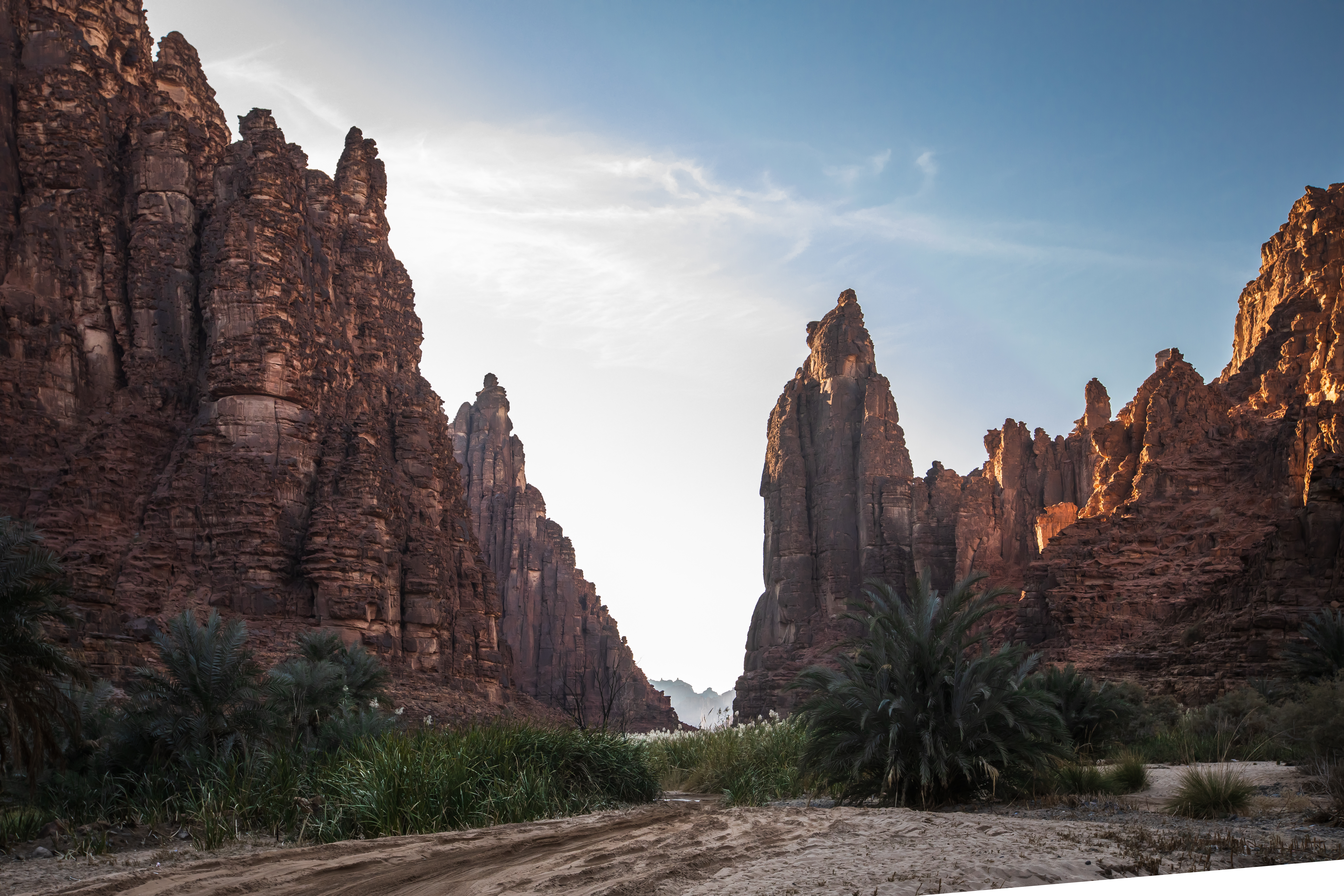
Complete money guide for Saudi Arabia. Currency exchange rates, credit cards, ATMs, tipping customs, and budget planning tips for your trip.
Key Takeaways
- The Saudi Riyal (SAR) is pegged to USD at 3.75 — exchange rates are stable and predictable
- Cards are accepted almost everywhere in cities — carry SAR 500 cash for rural areas and tips
- ATM withdrawals with foreign cards incur SAR 7-15 fees — use Al Rajhi or SNB for best rates
- Tipping: SAR 5-10 at restaurants, SAR 2-5 for baggage, round up for taxi rides
- VAT is 15% and included in displayed prices — tourists cannot reclaim VAT on purchases
Money in Saudi Arabia is straightforward for visitors: the currency is stable, cards work almost everywhere, and ATMs are easy to find. This guide covers what you need — the riyal, paying by card versus cash, ATMs and fees, VAT, tipping, and what a day actually costs — so you can plan a realistic budget for 2026.
The short version: bring a card for almost everything, carry a little cash for souqs, small cafés and tips, and remember the riyal is fixed to the US dollar, which makes costs easy to estimate.
Quick facts
- Currency: Saudi riyal (SAR); 1 riyal = 100 halalas.
- Exchange rate: pegged at about 3.75 SAR to 1 US dollar, steady for decades.
- Notes: 5, 10, 50, 100, 200 and 500 SAR.
- Cards: widely accepted; Visa and Mastercard everywhere, contactless common.
- ATMs: plentiful in cities and towns, fewer in remote areas.
- VAT: 15%, normally already included in the price shown.
- Tipping: appreciated but not required; round up or about 10% for good service.
The Saudi riyal
The riyal is pegged at roughly 3.75 to the US dollar, a rate that has held for decades, so prices are predictable in dollar or euro terms. For quick mental maths, divide a riyal price by about four to get a rough dollar figure. Notes come in 5, 10, 50, 100, 200 and 500; coins (halalas) are rarely needed day to day. Keep a few small notes on hand for taxis, souqs and tips.
Paying by card and phone
In the cities, Saudi Arabia is largely cashless. The local "mada" debit network plus Visa and Mastercard are accepted at hotels, restaurants, malls, supermarkets, petrol stations and most attractions; American Express and Diners Club are accepted less widely. Contactless payment is normal, and Apple Pay and Google Pay work in most places that take cards.
Two things to do before you travel: tell your bank your dates so it does not block a foreign transaction, and check your card's foreign-transaction fee. One thing to do while you are there: when a card terminal offers to charge you in your home currency instead of riyals, always choose riyals — paying in your own currency (dynamic currency conversion) usually hides a poor exchange rate.
Cash and ATMs
You will still want some cash for traditional souqs, small independent shops, some taxis and tips, and for rural areas. ATMs are everywhere in cities and towns — Al Rajhi Bank, Saudi National Bank, Riyad Bank and Arab National Bank among others — and most take foreign Visa and Mastercard, with instructions in Arabic and English. Your home bank may charge a withdrawal and a foreign-transaction fee, so take out larger amounts less often, and use machines inside banks or malls.
If you bring cash to exchange, US dollars, euros and pounds are all easy to change. Skip the airport booths for anything large; banks and licensed money changers in malls and city centres give better rates. Never change money with someone on the street.
VAT and what is included
Value-added tax is 15% and is normally built into the price you see, so the shelf or menu price is usually what you pay. Larger hotels and upscale restaurants sometimes add a service charge on top — check the bill before adding a tip, so you are not paying twice.
Tipping
Tipping is not expected the way it is in the United States, but it is appreciated for good service. A rough guide:
- Restaurants: about 10% if no service charge is included; at casual places, rounding up is fine.
- Hotel staff: SAR 10–20 per bag for porters; SAR 10–20 a day for housekeeping.
- Taxis and ride-hailing: round up the fare; Uber and Careem also have an in-app tip option.
- Tour guides: SAR 50–100 for a half-day, more for a full or multi-day tour.
Tip in cash where you can, so it reaches the person directly.
What things cost in 2026
Saudi Arabia sits in the middle on price — generally dearer than Egypt or Jordan, and cheaper than the UAE for food and taxis. Rough figures:
- Accommodation (per night): budget 150–300 SAR; mid-range 350–700 SAR; luxury 800 SAR and up, with AlUla and Red Sea resorts well above 1,500 SAR.
- Food (per person, per meal): street food and local eateries 15–35 SAR; mid-range restaurant 50–120 SAR; fine dining 150–400 SAR and up; a specialty coffee 15–25 SAR.
- Getting around: a city taxi or ride-share 20–60 SAR; the Haramain high-speed train (Jeddah–Makkah–Madinah) roughly 50–150 SAR; an economy rental car 100–250 SAR a day; fuel about 2.30–2.50 SAR a litre.
- Attractions: most museums 20–50 SAR; Ithra in Dhahran is free to enter (some exhibitions are ticketed); desert tours 200–600 SAR.
Sample daily budgets
Excluding flights and big-ticket tours, a realistic day per person looks roughly like this:
- Budget: 300–500 SAR — simple hotel, street food, ride-hailing and walking, mostly free sights.
- Mid-range: 600–1,000 SAR — a 3–4 star hotel, a mix of local and mid-range restaurants, taxis and paid attractions.
- Higher-end: 1,200 SAR and up — top hotels, fine dining, private transport and premium experiences.
A few money tips
- Tell your bank your travel dates and carry a backup card plus some cash.
- Always choose riyals, not your home currency, on card terminals.
- Use the 3.75 peg to estimate costs quickly.
- Keep receipts for larger purchases.
- For entry rules and the visa fee, see our Saudi visa guide.
Where to change cash
If you want some cash in hand, you have three good options and one to avoid. Banks (Al Rajhi, Saudi National Bank, Riyad Bank) give fair rates but can be slow. Licensed money changers in malls and city centres are usually quicker and competitive — compare the rate and any commission. Hotels will exchange for convenience but at poorer rates. Skip airport booths for large sums, and never change money with someone on the street. US dollars, euros and pounds are all easy to change.
Bringing money into the country
There is no limit on what you spend by card, and no restriction on bringing a sensible amount of cash. If you are carrying the equivalent of SAR 60,000 or more in cash, you must declare it to customs on arrival or departure — far above what any normal trip needs. For everyday travel, a card plus a few hundred riyals in cash is plenty.
Avoiding unnecessary fees
A few habits keep costs down. Always pay in riyals, not your home currency, at card machines and ATMs. Take out larger amounts less often to spread fixed ATM fees. If you travel often, a card that waives foreign-transaction fees pays for itself quickly. And check whether your bank charges a flat fee or a percentage per withdrawal — that decides whether one big withdrawal or several smaller ones works out cheaper.
Local payment apps
Saudi Arabia has its own mobile wallets — STC Pay and urpay are the best known — used widely by residents for transfers and in-store payment. As a visitor you do not need them: international cards, Apple Pay and Google Pay cover you. They are only worth setting up for a long stay.
A worked example: a week for two
As a rough mid-range guide, two people travelling comfortably for a week — a 3–4 star hotel, a mix of local and sit-down restaurants, ride-hailing in the cities, one domestic flight and a couple of paid attractions — might spend somewhere around SAR 9,000–14,000 for the week, not counting international flights. Travel on a budget (simple hotels, street food, mostly walking) and that roughly halves; go high-end and it climbs quickly. Treat it as a planning anchor, not a quote.
With the riyal fixed and cards accepted almost everywhere, money is one of the easy parts of a Saudi trip. Pair this with our best time to visit guide and the food guide, and browse where to go on the destinations page.
Plan the Trip Behind the Budget
Once your cards and cash are sorted, the next question is where the money goes. Browse real rates in our hotel guide, then build your route with the Trip Planner — it estimates daily costs alongside your itinerary.
Frequently Asked Questions
- What currency is used in Saudi Arabia?
- The Saudi Riyal (SAR) is the official currency of Saudi Arabia, with an exchange rate fixed at approximately 3.75 SAR to 1 USD. Most businesses accept both cash and card payments, making it easy for travelers to manage their finances.
- Can tourists use credit cards in Saudi Arabia?
- Yes, major credit cards (Visa, MasterCard, American Express) are widely accepted in hotels, restaurants, and shopping malls across Saudi Arabia. However, some smaller establishments may only accept cash, so it's wise to carry some SAR with you.
- How much money should I budget for a trip to Saudi Arabia?
- Daily costs range from SAR 300-600 ($80-160 USD) for budget travelers to SAR 1,000+ ($270+ USD) for mid-range comfort, depending on accommodation and dining choices. Riyadh and Jeddah are generally more expensive than smaller cities.
- Where can I exchange money in Saudi Arabia?
- You can exchange currency at banks, airports, and licensed money exchange shops (usually found in commercial districts). Exchange rates at official banks are typically more favorable than at hotels or tourist areas.