دليل عمارة الرياض: من الطين إلى ناطحات السحاب
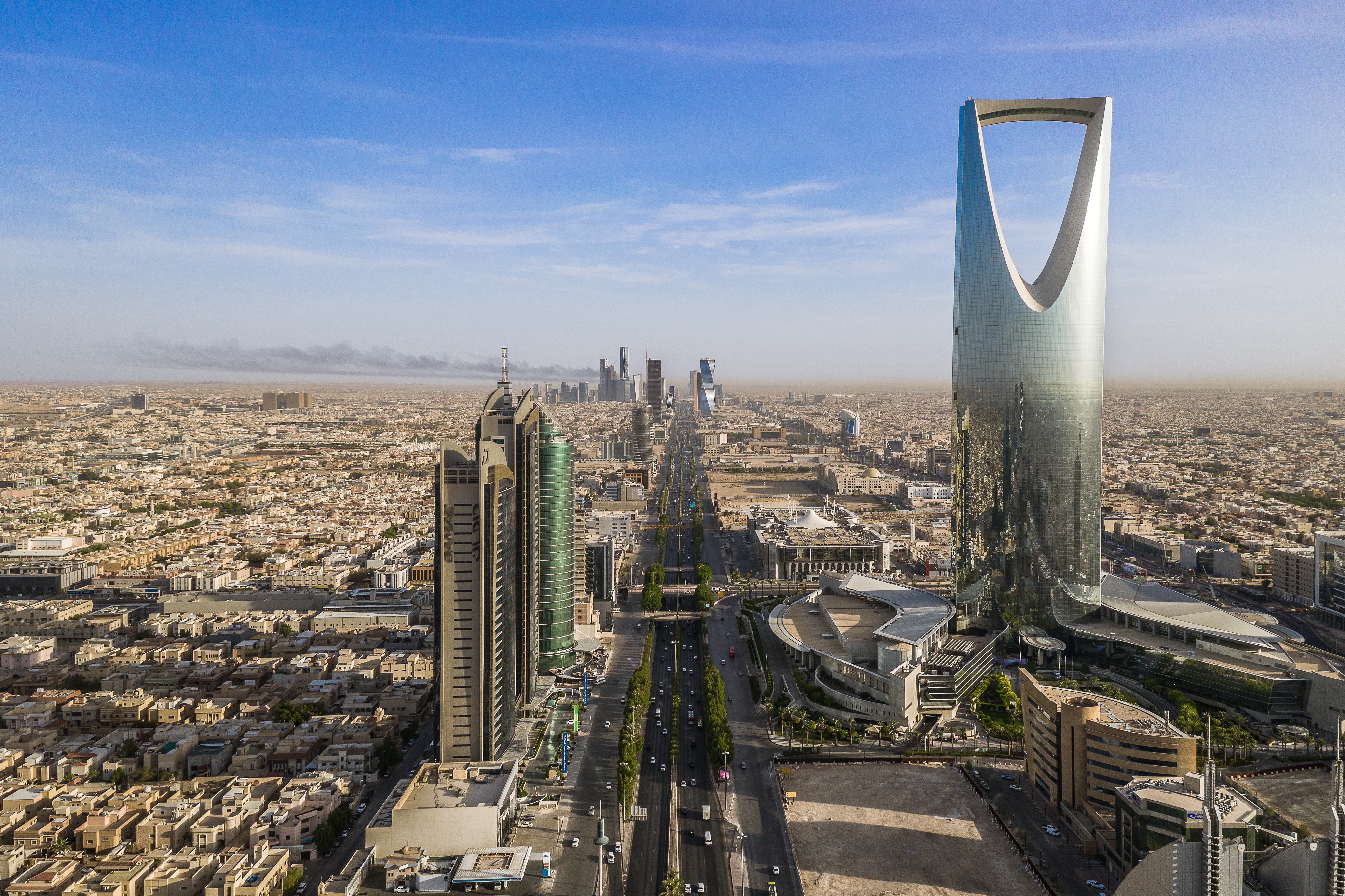
استكشف عمارة الرياض المذهلة: من تراث الدرعية التاريخي إلى ناطحات سحاب KAFD المستقبلية. دليلك الشامل لتصميم Saudi Arabia.
أبرز النقاط
- يفتح الطريف يومياً في الساعة 5:00 مساءً ويغلق عند منتصف الليل - خطط لمسارات عمارة الرياض حول هذا التوقيت، لا بعكسه
- يحل البناء النجدي مشكلة الحرارة بطريقة سلبية (طوب لبن سميك، فتحات جدارية، أفنية داخلية)؛ بينما تحلها الرياض الحداثية ميكانيكياً - وتحاول أفضل المباني الجديدة الجمع بين الاثنين
- أُطلق ميثاق الملك سلمان للعمارة والتخطيط الحضري في ديسمبر 2021 بست قيم: الأصالة، الاستمرارية، محورية الإنسان، قابلية العيش، الابتكار، الاستدامة
- وضعت هينينغ لارسن المخطط الرئيسي لـ KAFD؛ ومحطة المترو فيه من تصميم زها حديد للعمارة. الوصول على المستوى الأرضي إلى الوادي والساحات مجاني
- الدخول إلى الدرعية مجاني من 1 مايو إلى 30 سبتمبر 2026؛ وخارج هذه الفترة تبلغ تكلفة التذكرة نحو 50 ريالاً، وعادة ما تكون قابلة للاسترداد كرصيد لتناول الطعام في حي بوجيري
- حديقة الملك سلمان والمكعب لا يزالان إلى حد كبير مواقع بناء - تعامل مع مواعيد الافتتاح المنشورة بحذر
الرياض واحدة من العواصم القليلة التي يمكنك فيها الوقوف في غرفة مبنية من الطين للقرن الثامن عشر ورؤية برج زجاجي بارتفاع 300 متر من النافذة. أمضت المدينة خمسين عاماً تتوسع بأنماط مستوردة، وهي الآن تنفق أموالاً وجهداً كبيرين للبناء بلغة معمارية نشأت أصلاً من هضبة نجد. هذا الانعكاس هو القصة المثيرة للاهتمام هنا — أكثر إثارة من أفق المدينة نفسه.
يغطي هذا الدليل ما هو قائم ويمكن زيارته اليوم، وما لا يزال موقع بناء، وكيفية ترتيب يوم كامل حول ذلك.
طريقتان للبناء في الصحراء
كل مبنى في الرياض هو إجابة عن السؤال ذاته: ماذا تفعل حيال الحرارة؟ تتراوح درجات الحرارة في المدينة من ليالٍ شتوية قريبة من التجمد إلى ما يتجاوز 50 درجة مئوية في ذروة الصيف، ويجيب التقليدان المعماريان هنا عن هذا السؤال بطريقتين متعاكستين.
العمارة النجدية تتعامل مع الصحراء بانسجام. الجدران من الطوب اللبن السميك، والنوافذ صغيرة وغائرة، والغرف تتجه إلى الداخل حول فناء. لوحة الألوان هي الطين والرمل والحجر الجيري. لا شيء زخرفي إلا وله وظيفة إنشائية أو حرارية أيضاً. الجمال ينبع من التناسب والتقشف، لا من الزخرفة.
البرج الحداثي يفعل العكس. الزجاج والفولاذ والتبريد الميكانيكي تجعل الداخل صالحاً للسكن بغض النظر عما يحدث في المناخ خارجاً. حيث يختبئ البيت النجدي من الشمس، يعكسها مركز المملكة.
المباني التي تستحق السفر من أجلها في الرياض الآن هي تلك التي تحاول الجمع بين الفكرتين في آن واحد.
الجذور: الطريف والمصمك
الطريف في الدرعية هو أفضل نموذج باقٍ للبناء النجدي في أي مكان. كان عاصمة الدولة السعودية الأولى حتى دمرته القوات العثمانية عام 1818، وهو يخضع لترميم دقيق منذ سنوات؛ أدرجته اليونسكو عام 2010.
ما يجب البحث عنه: الفتحات المثلثة المنقوشة عبر الجدران العليا. إنها ليست زخرفة. فهي تسحب التهوية المتقاطعة عبر الغرف وتسمح بدخول الضوء دون السماح لأحد بالرؤية من الداخل — الخصوصية والتبريد يُحلان بالفتحة ذاتها. لاحظ أيضاً كيف رُتبت الأزقة بحيث تظلل المباني بعضها بعضاً طوال اليوم. الأبواب الخشبية هي المكان الوحيد الذي ينكسر فيه التقشف: فهي مطلية بألوان صفراء وحمراء وزرقاء زاهية.
مهم للتخطيط: يفتح الطريف يومياً في الساعة 5:00 مساءً ويغلق عند منتصف الليل، مع آخر دخول في الساعة 11:00 مساءً. إنه ليس موقعاً صباحياً. أي برنامج يضعك هناك في الساعة 8:00 صباحاً غير صحيح.
في وسط المدينة القديمة، قصر المصمك هو الحصن المبني من الطين واللبن الذي استولى عليه عبدالعزيز آل سعود عام 1902 لاستعادة الرياض — وهو الفعل التأسيسي للدولة الحديثة. أربعة أبراج مراقبة، وجدران سميكة، وزخرفة تكاد تكون معدومة. يُقرأ بوصفه الدليل على أن البناء النجدي كان دفاعياً قبل أن يكون أي شيء آخر.
يغطي دليل الدرعية التراثي لدينا تاريخ الموقع بمزيد من التفصيل.
بوابة الدرعية: التراث كنظام بناء
حول موقع اليونسكو، يوسّع مشروع بوابة الدرعية ممر وادي حنيفة إلى حي منخفض الارتفاع، خالٍ من السيارات إلى حد كبير، على بعد نحو 15 دقيقة من وسط الرياض. أبرز سماته المعمارية تنظيمية وليست جمالية: لغة الواجهات النجدية إلزامية. جدران بلون الطين، وفتحات هندسية، ونوافذ غائرة — مطلوبة، لا مختارة. خلف هذه القشرة تقع الفنادق والمطاعم وحلبة سباق فورمولا E التي تستضيف سباق الدرعية إي-برايكس.
مفتوح حالياً:
- حي بوجيري — منطقة المطاعم المطلة على الطريف، تعمل من 9:00 صباحاً حتى 3:00 صباحاً. منظر الجدران المضاءة عند الغسق هو سبب حجز مائدة هنا بدلاً من تناول الطعام في مكان آخر.
- الطريف — قصر سلوى، ومسجد الإمام محمد بن سعود، والأحياء السكنية. مساءً فقط.
- باب سمحان — فندق مبني داخل هياكل نجدية مرمّمة على أطراف الموقع.
- وادي حنيفة — الوادي المرمّم أدناه، مع مسارات للمشي. الأفضل عند الفجر، قبل اشتداد الحر.
لا يزال جزء كبير من الحي الأوسع قيد الإنشاء وتتغير مواعيد الافتتاح. تحقق من diriyah.sa قبل الذهاب — تُغلق طرق الوصول حول الدرعية بسبب أعمال البناء دون سابق إنذار كبير، ويعلن الموقع عن التحويلات هناك.
الأسعار موسمية، لذا تحقق منها قبل السفر. اعتباراً من يوليو 2026، الدخول مجاني من 1 مايو إلى 30 سبتمبر. خارج هذه الفترة، تبلغ تكلفة تذكرة الدرعية نحو 50 ريالاً للدخول المسائي، وعادة ما تكون قابلة للاسترداد كرصيد لتناول الطعام في حي بوجيري؛ الدخول مجاني لمن هم دون 12 عاماً. تكلفة وقوف السيارات في بوجيري 10 ريالات للساعة، وخدمة صف السيارات (فاليه) 195 ريالاً (مجانية حالياً عند إنفاق 150 ريالاً في المطعم). اشترِ التذاكر فقط عبر diriyah.sa — إذ تحذر الجهة المشغّلة مراراً من بائعي التذاكر غير المصرح لهم.
مركز المملكة والفيصلية
مركز المملكة هو المبنى الذي يصوره الجميع — بارتفاع 302 متر، ويُعرف محلياً بـ"فتاحة الزجاجات" بسبب القوس المقلوب في أعلاه. صممته شركتا Ellerbe Becket وعمرانية، ويتغير لون الكسوة العاكسة مع زاوية الشمس، فيصبح فضياً عند الظهيرة وبرتقالياً محروقاً قرب الغروب. يمتد جسر السماء عبر القوس في الطابق 99.
تنبيه: تغيرت أسعار تذاكر جسر السماء في عام 2026، والأرقام المنشورة حالياً تتناقض مع بعضها بفارق كبير. تحقق من السعر عند الكاونتر في الطابق الأرضي أو عبر القناة الرسمية بدلاً من الاعتماد على أي رقم تقرأه على الإنترنت، بما في ذلك النسخ الأقدم من هذه الصفحة.
مركز الفيصلية، على بعد مسافة قصيرة على الطريق، كان أول ناطحة سحاب بُنيت في السعودية. صممته شركة Foster + Partners على شكل قلم متناقص العرض، وتحتوي الكرة الزجاجية قرب القمة على مطعم. إنه نقطة المشاهدة الأفضل لسبب محدد: من الفيصلية يمكنك تصوير مركز المملكة، وهو أمر لا يمكنك فعله من داخل مركز المملكة نفسه.
مركز الملك عبدالله المالي (KAFD)
مركز الملك عبدالله المالي هو أكثر قطعة معمارية معاصرة تركيزاً في البلاد، وضع مخططه الرئيسي هينينغ لارسن كتجمع كثيف يمكن التنقل فيه سيراً بدلاً من صف من الأبراج المنفصلة.
فكرته المحورية هي الوادي — ممشى للمشاة منخفض عن مستوى الشارع، يحاكي مجرى نهر جاف. خفض الممشى دون مستوى الأرض يضعه في ظل الأبراج ويوجه الهواء على طوله. إنه مبدأ الزقاق المظلل النجدي مُعاد بناؤه بمقياس حي مالي.
- محطة مترو KAFD — صممتها شركة زها حديد للعمارة، وهي أكثر قطعة معمارية إثارة للإعجاب في قطاع النقل بالمملكة. تتعامل القشرة الشبكية المثقبة مع الكسب الشمسي وضوء النهار في آن واحد.
- المسجد الكبير في KAFD — قشرته متعددة الأوجه تستغني عن المئذنة التقليدية وتصنع الحجم الروحاني عبر الهندسة بدلاً من ذلك. غريزة نجدية بمواد معاصرة.
- الوادي — الممشى المنخفض، مع مقاهٍ وصالات عرض على طوله.
الوصول العام إلى الوادي والساحات والمستوى الأرضي مجاني. اذهب قرب الغروب، حين تلتقط الواجهات الضوء الكهرماني وتضاء الإنارة.
ما لا يزال قيد الإنشاء
حديقة الملك سلمان، على موقع قاعدة الرياض الجوية القديمة، مخطط لها بمساحة تبلغ نحو 16 كيلومتراً مربعاً، ما قد يجعلها واحدة من أكبر الحدائق الحضرية في أي مكان. تُفتتح على مراحل ولا يزال جزء كبير منها غير متاح للزيارة.
المكعب — يُبنى مكعب بارتفاع 400 متر في حي مربع الجديد شمال المركز، ويُقصد به أن يكون مكاناً كبيراً مغلقاً وغامراً. من الناحية الإنشائية، تقدم العمل متقدم؛ لكن الداخل غير مفتوح. شكل المكعب صدى متعمد لهندسة الكعبة مطبق على مبنى دنيوي، وهي فكرة إما الأكثر إثارة للاهتمام أو الأكثر إثارة للانزعاج ضمن مشاريع الرياض الحالية، بحسب من تسأل.
يستحق كلاهما أن يُفهم كنية وليس كأماكن للزيارة. مواعيد الافتتاح في الرياض تتأخر بشكل روتيني، ونحن نفضل إخبارك بذلك بدلاً من نشر جدول سيكون خاطئاً بحلول وقت قراءتك له.
برنامج الرياض الخضراء، الذي يهدف إلى زراعة ملايين الأشجار في أنحاء المدينة، سيغيّر شعور الرياض الفعلي على مستوى الشارع أكثر من أي برج منفرد.
مبنيان أكثر هدوءاً يستحقان الانعطافة
مكتبة الملك فهد الوطنية هي، بشهادة الواقع، الواجهة الأكثر تطوراً في المدينة. غلّف ترميم شركة Gerber Architekten المبنى الأصلي من ثمانينيات القرن الماضي داخل مكعب زجاجي جديد، ثم كسا ذلك المكعب بجلد نسيجي أبيض مطلي بالتيفلون. تُقرأ الألواح كأشرعة أو معينات حسب الزاوية. تُظلل الكتب من الشمس المباشرة بينما تسمح بمرور الضوء المنتشر. في وقت متأخر بعد الظهر، بين 3:00 و4:00 مساءً تقريباً، يُبرز الضوء المائل ظلال الألواح بوضوح.
قصر طويق في الحي الدبلوماسي يتبع النهج المعاكس: مظلات قماشية ثقيلة تنساب من الهيكل مثل الخيام، محاكية جروف وادي حنيفة الذي يعلوها. فاز بجائزة الآغا خان للعمارة عام 1998، وقد صمد بشكل أفضل من تقريباً أي شيء بُني في الرياض منذ ذلك الحين. أحضر جواز سفرك — يتحقق الحي الدبلوماسي من الهوية عند البوابة.
ميثاق الملك سلمان
ميثاق الملك سلمان للعمارة والتخطيط الحضري هو الإطار وراء الكثير مما تراه. أطلقته هيئة العمارة والتصميم في ديسمبر 2021، في قصر طويق، وتلته جائزة مرتبطة به في ديسمبر 2023.
يحدد الميثاق ست قيم: الأصالة، الاستمرارية، محورية الإنسان، قابلية العيش، الابتكار، والاستدامة. من الناحية العملية، أصبح الأثر أن الإشارة إلى التقليد المعماري الإقليمي توقعاً وليس تفضيلاً أسلوبياً — وهذا ما يفسر شكل شاشات KAFD وأفنية بوابة الدرعية.
سواء كان ذلك ينتج مبانٍ جيدة أم جمالية مفروضة فهو جدل عادل، وهو جدل يخوضه المعماريون السعوديون فعلياً. ما لا خلاف عليه هو أن الأمر غير معتاد: تقنين الهوية المعمارية كسياسة وطنية نهج مختلف عن نموذج دبي القائم على المطورين أو تكليف قطر لمعماريين نجوم أفراد.
تصوير الرياض
- الساعة الذهبية أو لا شيء. ضوء منتصف النهار هنا مسطح وقاسٍ. الدقائق الـ45 بعد الشروق وقبل الغروب هي اللحظة التي تُظهر فيها الواجهات شيئاً.
- أحضر فلتر بولاريزر. مركز المملكة وKAFD زجاجيان في الغالب، وستأكل الانعكاسات صورك بخلاف ذلك.
- تفاصيل الطريف: تُصوَّر فتحات الجدران بشكل أفضل بإضاءة خلفية. عدسة تيلي فوتو قصيرة تعزلها.
- وادي KAFD: صوّر للأعلى من الممشى المنخفض للحصول على تأثير الوادي الصخري.
- تحتاج الطائرات المسيّرة تصريحاً من GACA. تقدّم بالطلب مسبقاً بوقت كافٍ. لا ترتجل هذا الأمر.
- ممنوع التصوير للمباني الحكومية والقصور والمواقع العسكرية ونقاط التفتيش. يُطبَّق هذا فعلياً.
مسار ليوم واحد ينجح فعلاً
تمتد الرياض على مساحة شاسعة والمشي بين الأحياء ليس واقعياً. استخدم أوبر أو كريم، أو المترو حيث يصل. الترتيب مهم، لأن الطريف موقع مسائي:
- الصباح: قصر المصمك ووسط المدينة القديم.
- أواخر الصباح: مكتبة الملك فهد الوطنية، ثم الحي الدبلوماسي لزيارة قصر طويق.
- أوائل بعد الظهر: غداء واستراحة داخلية. في الصيف هذا ليس اختيارياً.
- الغروب: KAFD، حين تتحول الواجهات إلى اللون الكهرماني وتضاء الإنارة. الخط الأصفر إلى محطة KAFD.
- المساء من 5:00 مساءً: الطريف وحي بوجيري. عشاء بإطلالة على الجدران المضاءة.
يعمل المترو بخطوطه الستة كاملة منذ يناير 2025 — 85 محطة، بتذكرة بسعر 4 ريالات لساعتين، أو مرّر بطاقة تعمل بتقنية اللمس عند البوابة. لا يصل إلى الدرعية؛ خذ سيارة.
ملاحظات عملية
- اللباس: تغطية الكتفين والركبتين، لجميع الأجناس. لم تعد العباءة مطلوبة للزائرات منذ عام 2019.
- التذاكر: يصل الطريف إلى طاقته الاستيعابية في عطلات نهاية الأسبوع بموسم الاعتدال — احجز مسبقاً.
- المتحف الوطني: الدخول مجاني، مغلق أيام الأحد، ويفتح الجمعة في الساعة 2:00 مساءً.
- KAFD ومكتبة الملك فهد: وصول عام مجاني على المستوى الأرضي.
- مكة المكرمة: مغلقة أمام غير المسلمين. لا يمكن لأي برنامج معماري أن يشملها.
للاطلاع على المدينة الأوسع خارج مبانيها، راجع دليل مدينة الرياض. إذا كان لديك عطلة نهاية أسبوع فقط، يرتب 48 ساعة في الرياض الأساسيات، ويغطي رحلات يومية من الرياض ما يقع خارج الطرق الدائرية. للاطلاع على تراث مماثل في أماكن أخرى من المملكة، يُعد مسار الأحساء التراثي المشهد الآخر العظيم للبناء الطيني.
مشاهدة هذا بشكل صحيح تستغرق يوماً واحداً مرتباً جيداً، لا ثلاثة أيام متسرعة.
المسار أعلاه لا ينجح إلا إذا وقع الطريف بعد الساعة 5 مساءً ووقع ضوء الصحراء حيث ينبغي — يلائم مخطط الرحلات لدينا ذلك حول تواريخك، ويستحق دليل الفنادق نظرة أولى، إذ إن الإقامة في العليا مقابل الدرعية تغيّر أي نصف من هذه القائمة يكون سهلاً.
الأسئلة الشائعة
- What is Najdi architecture?
- The traditional building style of the Najd plateau in central Saudi Arabia. It uses thick adobe (mud-brick) walls, triangular perforations in the upper walls for cross-ventilation, inward-facing courtyards, recessed windows and almost no exterior ornament. Every element is a response to extreme heat and to privacy. At-Turaif in Diriyah is the finest surviving example.
- What time does At-Turaif open, and what does it cost?
- At-Turaif opens daily at 5:00pm and closes at midnight, with last entry at 11:00pm. It is an evening site only. As of July 2026, Diriyah access is free from 1 May to 30 September; outside that window a Diriyah Pass is around SAR 50 and is usually redeemable as dining credit at Bujairi Terrace, with under-12s free. Buy only via diriyah.sa.
- What is the King Salman Charter for Architecture and Urbanism?
- A national framework for Saudi Arabia's built environment, launched by the Architecture and Design Commission in December 2021 at Tuwaiq Palace; an associated award followed in December 2023. It sets out six values - Authenticity, Continuity, Human Centricity, Livability, Innovation and Sustainability - and is why referencing regional building tradition is now an expectation on major projects rather than a stylistic choice.
- Which modern buildings in Riyadh are architectural landmarks?
- Kingdom Centre (302m, Ellerbe Becket and Omrania, with the Sky Bridge on the 99th floor), Al Faisaliah Centre (Foster + Partners, the first skyscraper built in Saudi Arabia), the King Fahd National Library (Gerber Architekten's Teflon-coated textile facade), Tuwaiq Palace in the Diplomatic Quarter (Aga Khan Award, 1998), and KAFD, master-planned by Henning Larsen with a metro station by Zaha Hadid Architects.
- Can non-Muslims visit the KAFD Grand Mosque?
- The KAFD district's public realm - the sunken Wadi promenade, the plazas and the metro station - is open to everyone, and the mosque's exterior can be viewed and photographed. Interior access for non-Muslims is not guaranteed and prayer times take precedence. Makkah, by contrast, is closed to non-Muslims entirely and cannot form part of any itinerary.
- Is photography allowed at Riyadh's architectural sites?
- Yes for buildings generally. Government buildings, palaces, military installations and security checkpoints are strictly off-limits, and this is enforced. Drone flights require a permit from GACA (the General Authority of Civil Aviation), applied for well in advance. Always ask before photographing people.