Al-Ahsa Heritage Trail: Saudi Arabia UNESCO Guide
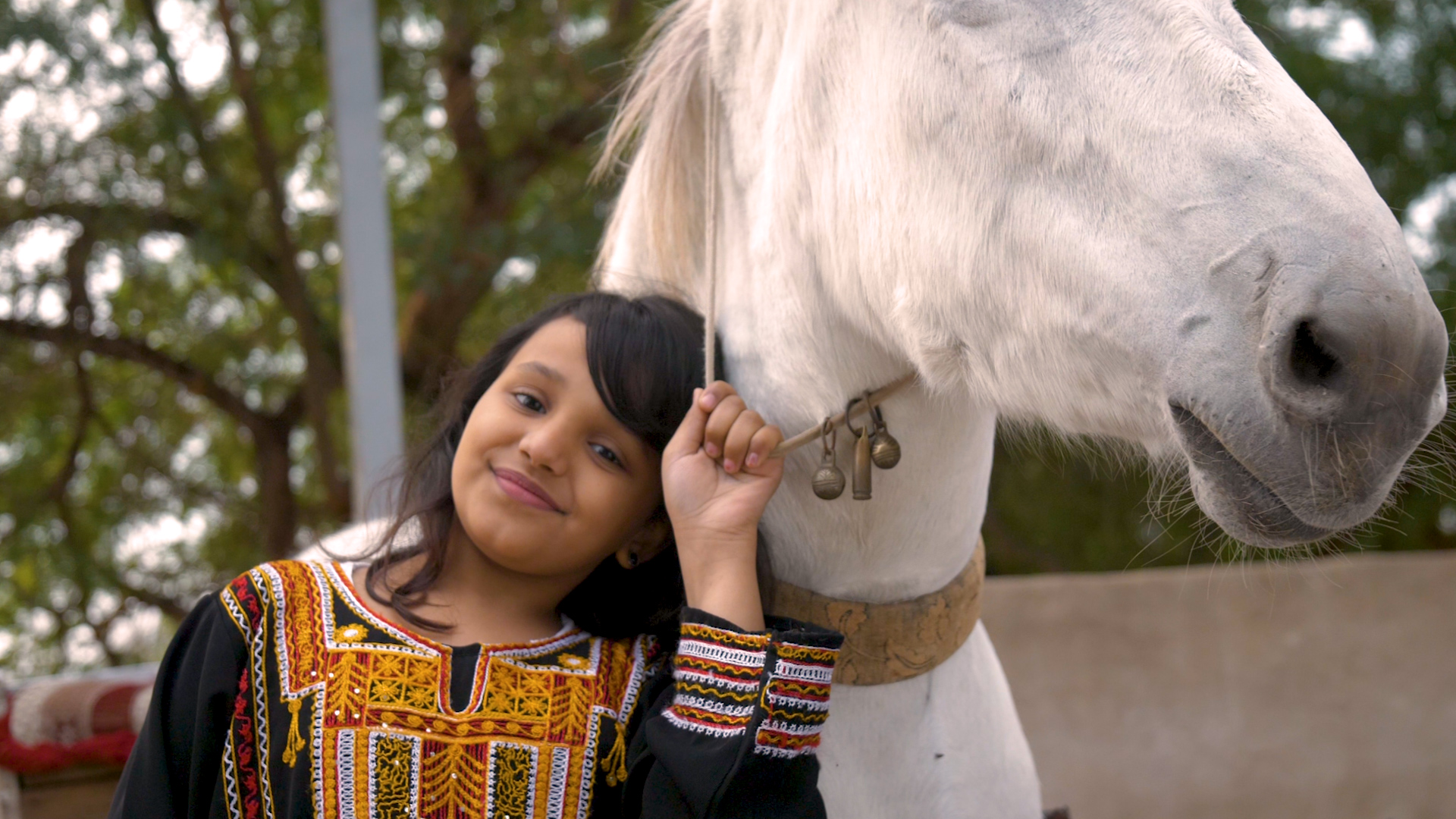
Explore the Al-Ahsa Heritage Trail: UNESCO oasis, Al-Qarah caves, Ibrahim Palace & 2.5 million palm trees. Complete 2026 visitor guide.
Key Takeaways
- Al-Ahsa was inscribed on the UNESCO World Heritage List in 2018 as a cultural landscape — the inscribed property covers 17 distinct components including Al-Qarah Mountain, Jawatha Mosque (one of Islam's oldest), and active irrigation falaj channels.
- The Heritage Trail is best completed over 2 days: Day 1 covers Al-Qarah Mountain cave system (entry SAR 20) and Al-Uqair coastal fort (free); Day 2 covers Hofuf's Ibrahim Palace (SAR 15) and the old souq district.
- Hire a licensed local guide through the Al-Ahsa Tourism Office (located in Hofuf, near the Eastern Province governorate building) for SAR 300–400/day — they provide access to areas not open to independent visitors.
- The falaj irrigation system still actively waters 3 million date palms; do not enter working farm land without permission — guided agricultural tours can be arranged through Hofuf's Al-Saffar heritage guesthouse.
- Jawatha Mosque, believed to date to 629 CE, has an active prayer area — visitors of all faiths may view the exterior and courtyard during non-prayer times, but enter only if Muslim and dressed modestly (abaya/thobe recommended).
Discovering the Al-Ahsa Heritage Trail: Saudi Arabia's Verdant UNESCO Oasis
Prepare to embark on a journey unlike any other, where ancient history whispers through towering palm groves and vibrant culture thrives in the heart of the desert. The Al-Ahsa Heritage Trail, a designated UNESCO World Heritage Site, invites you to explore Saudi Arabia’s largest and most magnificent oasis. In 2026, as the Kingdom continues its remarkable transformation, Al-Ahsa stands as a testament to enduring heritage, breathtaking natural beauty, and a warm, welcoming spirit. This comprehensive guide will equip you with everything you need to navigate this extraordinary destination, ensuring an unforgettable adventure through its lush landscapes and historic treasures.
Al-Ahsa isn't just an oasis; it's a living museum, a testament to human ingenuity in harmony with nature. With an estimated 2.5 million date palms, it’s a verdant sea of green stretching as far as the eye can see, providing sustenance and shelter for millennia. Beyond its agricultural prowess, Al-Ahsa boasts a rich tapestry of historical sites, from ancient caves and majestic palaces to bustling souqs and traditional artisan workshops. This article delves deep into the Al-Ahsa Heritage Trail, offering insights, practical advice, and a glimpse into the soul of this remarkable region.
Quick Facts: Your Al-Ahsa Snapshot for 2026
- Location: Eastern Province, Saudi Arabia
- Designation: UNESCO World Heritage Site (2018)
- Claim to Fame: World's largest self-contained oasis, 2.5 million date palms
- Major Attractions: Al-Qarah Mountain, Ibrahim Palace, Souq Al Qaisariyah, Jawatha Mosque, Uqair Port
- Best Time to Visit: October to April (cooler temperatures)
- Currency: Saudi Riyal (SAR). As of 2026, expect exchange rates around 1 USD = 3.75 SAR (subject to fluctuation).
- Getting Around: Rental car, ride-sharing apps (Uber/Careem), local taxis.
- Entry Requirements: Tourist visa required for most nationalities. Apply online via the official Saudi eVisa portal.
- Population: Al-Ahsa Governorate had 1,104,267 residents at the 2022 Saudi census (GASTAT) - the largest governorate in the Kingdom by area.
The Heart of the Oasis: Al-Ahsa's UNESCO Status and Significance
Al-Ahsa's inscription as a UNESCO World Heritage Site in 2018 was a recognition of its exceptional universal value. The site encompasses not only the vast palm groves but also a series of historic sites, waterways, and urban settlements that collectively illustrate the evolution of human interaction with an arid environment over thousands of years. It’s a prime example of a cultural landscape, demonstrating ingenious irrigation systems and sustainable agricultural practices that have sustained life and culture for millennia.
The oasis is fed by numerous natural springs, which have allowed for continuous cultivation since Neolithic times. This continuous human presence has shaped a unique cultural identity, reflected in its architecture, crafts, and traditions. Visitors to the Al-Ahsa Heritage Trail in 2026 will find themselves immersed in a living history, where ancient techniques are still practiced, and the rhythm of life remains deeply connected to the land.
Charting Your Course: Key Stops Along the Al-Ahsa Heritage Trail
The Al-Ahsa Heritage Trail is a journey best experienced over several days, allowing ample time to absorb the rich history and vibrant culture. Here are the essential stops you must include in your 2026 itinerary:
Al-Qarah Mountain (Jabal Al-Qarah)
Often referred to as "The Caves of Al-Qarah," this natural wonder is a geological marvel and a significant historical site. The mountain features a labyrinth of natural caves, carved by erosion over millions of years, offering a cool respite from the desert heat. These caves have been used for shelter, storage, and even as meeting places for generations. In 2026, the site is well-developed with walkways, lighting, and informational signage, making it accessible and informative for all visitors.
- Entry Fee: Approximately SAR 50 (around 13 USD) per person.
- Highlights: Explore the cool, ancient caves; admire the unique rock formations; enjoy panoramic views of the oasis from designated viewpoints.
- Tip: Wear comfortable shoes suitable for walking on uneven surfaces. The temperature inside the caves is significantly cooler than outside, offering a refreshing break.
Ibrahim Palace (Qasr Ibrahim)
Located in Hofuf, the heart of Al-Ahsa, Ibrahim Palace is a formidable fortress that served as a military barracks, administrative center, and residence for Ottoman governors. Its architecture is a fascinating blend of Islamic and Ottoman styles, featuring imposing walls, watchtowers, and a beautiful mosque within its complex. Wandering through its courtyards and chambers offers a profound sense of stepping back in time.
- Entry Fee: Often free, but check for any guided tour fees which might apply (approx. SAR 20-30 / 5-8 USD).
- Highlights: Admire the intricate architecture, visit the palace mosque, and imagine the lives of those who once resided within its walls.
- Tip: Allow at least 1-2 hours to fully explore the palace grounds and absorb its historical significance.
Souq Al Qaisariyah
No visit to Al-Ahsa is complete without experiencing the vibrant energy of Souq Al Qaisariyah. One of the oldest and most historic markets in Saudi Arabia, it has been a bustling trade hub for centuries. Here, you'll find everything from traditional garments and spices to local handicrafts, dates, and perfumes. The atmospheric alleys and the aroma of oud and Arabic coffee create an immersive cultural experience.
- Opening Hours: Generally from 9:00 AM to 1:00 PM and 4:00 PM to 10:00 PM, though individual shop hours may vary. Closed for prayer times.
- Shopping: Look for local date varieties (Khalas, Ruzaiz, Shishi), traditional abayas and thobes, handmade pottery, and intricate jewelry.
- Bargaining: It's customary and expected to haggle respectfully over prices, especially for larger purchases.
Jawatha Mosque
Holding immense historical and religious significance, Jawatha Mosque is believed to be the second mosque built in Islam, after the Prophet's Mosque in Medina. While much of the original structure has been lost to time, the current mosque stands on the ancient foundation, offering a powerful connection to early Islamic history. It's a place of quiet reflection and reverence.
- Entry: Free.
- Significance: A pilgrimage site for many, showcasing the deep roots of Islam in the region.
- Respect: Dress modestly, and women should cover their heads when entering.
Uqair Port (Al-Uqair Beach)
Venturing slightly beyond the immediate oasis, Uqair Port offers a glimpse into Al-Ahsa's past as a vital maritime trade hub. This historic port, dating back to ancient times, was once the primary gateway for goods entering and leaving eastern Arabia. Today, visitors can explore the remnants of old customs buildings, watchtowers, and a picturesque beach. It's a tranquil spot, perfect for enjoying the coastal breeze and reflecting on the region's rich trading heritage.
- Distance from Hofuf: Approximately 60-70 km (about an hour's drive).
- Activities: Explore the historical ruins, enjoy a picnic by the sea, or simply relax on the beach.
- Tip: Combine a visit to Uqair with other coastal attractions if you have extra time.
Beyond the Main Trail: Deeper Dives into Al-Ahsa's Culture
For those with more time, Al-Ahsa offers numerous opportunities to delve deeper into its unique culture and natural beauty.
Date Palm Farms and Factories
Given the 2.5 million date palms, exploring a date farm or factory is a must. Many farms offer tours where you can learn about the cultivation, harvesting, and processing of dates. You'll also have the chance to taste various types of dates, from the common Khalas to more exotic varieties like Ruzeiz and Shishi. Some factories offer insights into modern date processing and packaging.
- Recommendation: Ask your hotel or a local tour operator for recommendations on farms that offer visitor experiences.
- Best Season: Harvest season (late summer/early autumn) offers the most vibrant experience, but dates are available year-round.
Al-Ahsa National Museum
Located in Hofuf, this museum provides an excellent overview of Al-Ahsa's history, archaeology, and ethnography. Its exhibits cover prehistoric periods, the Dilmun civilization, early Islamic eras, and the region's more recent past, showcasing artifacts, traditional tools, and cultural displays.
- Entry Fee: Typically free or a nominal fee (approx. SAR 10-20 / 3-5 USD).
- Time: Allow 1-2 hours for a thorough visit.
Ain Najm Park
A popular local spot, Ain Najm Park is home to one of Al-Ahsa's famous natural springs. While the spring itself is not always accessible for swimming, the park offers a pleasant green space for relaxation, picnics, and enjoying the natural surroundings. It’s a great place to observe local life.
Planning Tips for Your 2026 Al-Ahsa Adventure
To ensure a smooth and enjoyable trip along the Al-Ahsa Heritage Trail, consider these practical tips:
Best Time to Visit
The ideal time to visit Al-Ahsa is during the cooler months, from October to April. Temperatures during this period range from pleasant highs of 20-30°C (68-86°F) to cool evenings, perfect for outdoor exploration. The summer months (May to September) can be extremely hot, with temperatures often exceeding 40°C (104°F), making extended outdoor activities challenging.
Accommodation
Hofuf, the main city in Al-Ahsa, offers a range of accommodation options, from international hotel chains to more local guesthouses. Expect modern amenities and excellent service. Booking in advance, especially during peak season or local holidays, is advisable. Prices for a good quality hotel typically range from SAR 300-600 (80-160 USD) per night.
- Recommendations: Look for hotels in Hofuf for central access to attractions.
Transportation
While Al-Ahsa can be reached by domestic flights (Al-Ahsa International Airport, HOF) or by Saudi Railways from Riyadh or Dammam, a rental car is highly recommended for exploring the region. This provides the flexibility to visit sites at your own pace. Major car rental companies operate at the airport and in Hofuf. Alternatively, ride-sharing apps like Uber and Careem are available in Hofuf, and local taxis can be hailed.
- Driving: Roads are generally well-maintained. A valid international driving permit is required for tourists.
- Navigation: Google Maps or Waze work well in the region.
Dress Code and Cultural Sensitivity
Saudi Arabia is a conservative country, and while dress codes for tourists have become more relaxed, respectful attire is always appreciated. For women, this generally means modest clothing that covers shoulders and knees. A headscarf is not mandatory for tourists but is advisable when visiting religious sites like Jawatha Mosque. Men should also dress modestly, avoiding shorts in public places, especially in more traditional areas.
- Women: Loose-fitting clothing, long sleeves, and long skirts or trousers are recommended.
- Men: Trousers and shirts are appropriate.
- Public Behavior: Public displays of affection are not customary. Be mindful of local customs and traditions.
Food and Drink
Al-Ahsa, like the rest of Saudi Arabia, offers a delightful culinary experience. Dates, of course, are a staple and must-try. Local cuisine features delicious rice dishes (Kabsa, Mandi), grilled meats, fresh seafood, and a variety of stews and salads. You'll find a wide range of restaurants, from traditional eateries to international chains, in Hofuf.
- Must-try: Dates (especially Khalas variety), Harees (wheat and meat porridge), Thareed (bread and vegetable stew).
- Hydration: Drink plenty of water, especially when exploring outdoors.
Language
Arabic is the official language. English is widely spoken in hotels, major tourist attractions, and by younger generations. Learning a few basic Arabic phrases (e.g., "Shukran" for thank you, "Marhaba" for hello) will be appreciated.
Safety and Security
Saudi Arabia is generally a very safe country for tourists. However, as with any travel, it's wise to take standard precautions: keep valuables secure, be aware of your surroundings, and follow local laws and regulations. Emergency services are efficient and responsive.
Embracing the Al-Ahsa Experience
The Al-Ahsa Heritage Trail is more than just a collection of historical sites; it's an immersive cultural experience that reveals the enduring spirit of Saudi Arabia. From the awe-inspiring scale of its palm groves to the intimate stories embedded in its ancient walls, Al-Ahsa offers a profound connection to a rich past and a vibrant present. As you plan your 2026 journey, prepare to be captivated by its beauty, charmed by its hospitality, and enlightened by its unique heritage. This UNESCO gem awaits your discovery, ready to share its timeless tales and verdant wonders.
Embark on this incredible adventure, and let the magic of Al-Ahsa leave an indelible mark on your travel memories.
Related Reading
- Ancient AlUla Guide: Exploring Saudi Arabia’s Hidden Wonder
- Jeddah Travel Guide 2026: Red Sea Cultural Capital
Sources and Verification
This guide was last checked on 30 August 2026 against the official sources below.
- UNESCO World Heritage Centre - Al-Ahsa Oasis - the 2018 inscription, the "largest oasis in the world" description and the 2.5 million date palm figure used above.
- General Authority for Statistics (GASTAT) - the 2022 census population figure for Al-Ahsa Governorate.
Reviewed by the Explore Saudi Editorial Team, 30 August 2026.
Plan Your Saudi Adventure
Ready to experience the Kingdom? Our AI-powered Trip Planner creates personalized itineraries based on your interests, budget, and travel dates. From Riyadh's skyline to AlUla's ancient tombs — let us help you discover Saudi Arabia your way.
Frequently Asked Questions
- Is Al-Ahsa UNESCO site open to tourists?
- Yes, Al-Ahsa Oasis is fully open to tourists and is one of Saudi Arabia's most accessible UNESCO World Heritage Sites. The site includes ancient irrigation systems dating back 2,500 years, with designated walking trails and visitor facilities throughout the palm groves and archaeological zones.
- How long does it take to visit Al-Ahsa Oasis?
- A comprehensive visit to Al-Ahsa typically takes 2-4 days to properly explore the heritage trail, ancient forts, traditional souks, and the intricate irrigation channels. Most day visitors spend 6-8 hours visiting the main archaeological sites and palm groves.
- What is special about Al-Ahsa's water system?
- Al-Ahsa's ancient falaj irrigation system is one of the world's oldest sustainable water management technologies, still functioning after 2,500 years. The system channels underground spring water through the oasis using gravity-fed channels that require no pumping, supporting the region's 3 million date palms.
- When is the best time to visit Al-Ahsa?
- The ideal time to visit is October to April when temperatures are moderate (20-28°C). Summer months (May-September) are extremely hot (40-50°C) and many attractions have reduced hours, making outdoor exploration challenging and potentially unsafe.