نجران: ناطحات السحاب الطينية وبوابة الربع الخالي
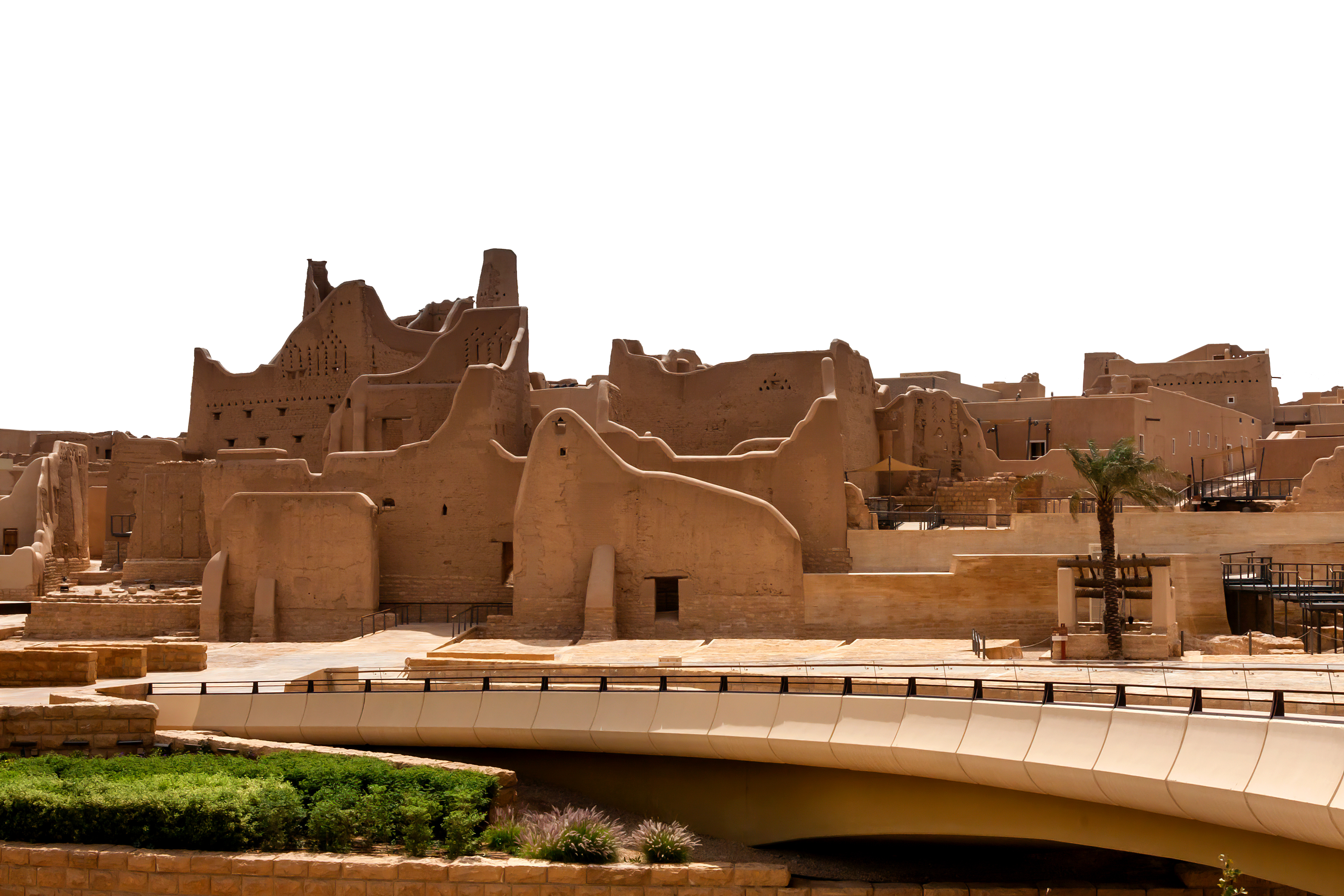
استكشف نجران، مدينة ناطحات السحاب الطينية، وموقع الأخدود الأثري، ومزيج الثقافات الفريد. بوابتك إلى الربع الخالي.
أبرز النقاط
- اعتبارًا من منتصف 2026، تنصح الولايات المتحدة والمملكة المتحدة وكندا بعدم السفر إلى منطقة الحدود مع اليمن بما فيها مدينة نجران — تحقق من إرشادات حكومتك الحالية قبل التخطيط، ولاحظ أن تأمين السفر يكون عادة باطلًا في ظل تحذير عدم السفر.
- الأخدود هي نجران القديمة: مدينة على طريق البخور تُذكر بمجزرة مسيحييها حوالي عام 523م، الحدث الذي يقف وراء قصة أصحاب الأخدود في القرآن؛ ويضم متحف نجران المجاور مكتشفات الحفريات.
- العمارة المميزة للمدينة هي البيت البرجي متعدد الطوابق من الطوب الطيني؛ وقصر الإمارة من الأربعينيات وقصر العان فوق التلة هما المثالان البارزان.
- انضمت منطقة حمى الثقافية، على بعد نحو 130 كم شمالًا، إلى قائمة التراث العالمي لليونسكو عام 2021 لضمها أحد أكبر مجمعات فن الصخور في العالم — تُزار كرحلة نصف يوم بسيارة دفع رباعي مصحوبة بمرشد من نجران.
- يضم مطار نجران المحلي (EAM) رحلات مباشرة من الرياض وجدة؛ ومن أكتوبر إلى مارس هو الموسم المريح عند ارتفاع المدينة البالغ 1,200 متر؛ والربع الخالي مقتصر تمامًا على رحلات بمرشد مرخّص.
نجران في 2026: اقرأ هذا أولًا
تستحق نجران مكانًا في أي حديث جاد عن التراث السعودي — وتتطلب أيضًا تنبيهًا واضحًا قبل أي شيء آخر. تقع المدينة على الحدود مع اليمن، واعتبارًا من منتصف عام 2026، تنصح حكومات غربية كبرى بعدم السفر إلى هنا: تضع الولايات المتحدة نجران ضمن منطقة "عدم السفر" الخاصة بها على طول الحدود، وتنصح المملكة المتحدة بعدم السفر بالقرب من الحدود مع منطقة أوسع "للسفر الضروري فقط" وراءها، وتتخذ كندا موقفًا مماثلًا. تشددت هذه التحذيرات خلال ربيع 2026 ويمكن أن تتغير في أي اتجاه، لذا تحقق من إرشادات حكومتك الحالية قبل وضع أي خطط — وافهم أن تأمين السفر يكون عادة باطلًا في المناطق الخاضعة لتحذير عدم السفر. يشرح دليل السلامة في المملكة العربية السعودية لدينا كيفية قراءة نظام التحذيرات ومتابعته.
تستمر الرحلات الداخلية والحياة اليومية في نجران، ويزورها المسافرون السعوديون ومسافرو دول الخليج. لكن بالنسبة لمعظم الزوار الدوليين حاليًا، هذا المقال إعداد ومعلومات خلفية: صورة كاملة لواحدة من أكثر مدن الجزيرة العربية تميزًا، جاهزة لحين يسمح الوضع بذلك.
لماذا تهم نجران
نجران لا تشبه أي مكان آخر في المملكة العربية السعودية. ازدهرت كملتقى واحة على طريق البخور، حيث كانت القوافل القادمة من اليمن تتجه شمالًا نحو الحجاز وشرقًا عبر الرمال، ولا تزال ثقافتها تواجه الاتجاهين معًا: العمارة والطعام وتقاليد صناعة الفضة والخناجر تحمل جميعها ملامح يمنية واضحة. المعلم الأبرز هو بيوتها البرجية المبنية من الطوب الطيني — منازل متعددة الطوابق من الطين المتراكب والقش والأثل، ترتفع من الأراضي الزراعية على طول الوادي كقلاع صغيرة. تنجو المئات منها في أنحاء الواحة، وبعضها لا يزال مأهولًا، وأطر نوافذها المبيضة وخطوط أسطحها المسننة يمكن تمييزها فورًا. يرتفع كل بيت في طبقات من الطين الرطب المرصوص يدويًا، وتُترك كل طبقة لتجف قبل إضافة التالية؛ وتتناقص سماكة الجدران كلما ارتفعت، وترتكز الأرضيات على عوارض من النخيل والأثل، ويؤطر الجص الأبيض النوافذ. البناء متكيف ببراعة مع المناخ — إذ تحافظ الجدران الطينية السميكة على برودة الداخل طوال الصيف وتحتفظ بالدفء في ليالي الشتاء — وهذا أحد أسباب احتفاظ الكثير من العائلات بأبراجها بعد وصول الخرسانة بزمن طويل.
الأخدود: مدينة الخندق
جنوب المركز الحديث تقع الأخدود، بقايا نجران القديمة وأحد أكثر المواقع ثقلًا تاريخيًا في المملكة. بلدة مسوَّرة من الحجر المشذَّب الضخم، ازدهرت لنحو ألف عام على تجارة البخور. يسجل اسمها — "الخندق" — الحدث الذي تُذكر به: حوالي عام 523م، ذبح الملك الحميري ذو نواس مسيحيي نجران الذين رفضوا التخلي عن دينهم، وهي فظاعة مذكورة في رواية القرآن عن أصحاب الأخدود (سورة البروج) وفي مصادر سريانية وبيزنطية.
عند السير في الموقع اليوم، ترى البصمة الحجرية للبلدة القديمة: خطوط الجدران، وبقايا البوابات، والصهاريج، والنقوش الصخرية. الشرح في الموقع محدود، ما يجعل متحف نجران المجاور — الذي يضم مكتشفات الحفريات — المحطة الأولى الصحيحة؛ كان الدخول إلى الموقع مجانيًا، مع ساعات تتغير موسميًا. إنها أرض مفتوحة بلا ظل، لذا اذهب باكرًا أو متأخرًا، واحمل الماء.
القصور الطينية
معالم نجران الأخرى هي قصورها. قصر الإمارة التاريخي في حي أبو سعد، المبني في أوائل الأربعينيات كمقر للحاكم، هو أعظم مثال على العمارة الطينية النجرانية: جدران سميكة متناقصة، وأبراج مراقبة دائرية عند الزوايا، وصفوف طويلة من الغرف حول فناء. أما قصر العان فوق التلة على الطرف الغربي من الواحة فهو الأكثر تصويرًا — مجمع أبراج مطلي بالأبيض فوق بساتين النخيل، وأفضل وقت لرؤيته في ضوء أواخر بعد الظهر الخافت. تأتي أعمال الترميم وتذهب في كليهما، لذا توقع أن تُعجب ببعض الأقسام من الخارج فقط؛ فالواجهات وحدها تبرر الزيارة.
بين القصرين يمتد وادي نجران نفسه، الشريان الأخضر الذي جعل المدينة ممكنة: مزارع نخيل، وحمضيات، وجدران حقول من الطين نفسه الذي بُنيت منه البيوت. يتاجر سوق نجران بالقرب من الحي القديم بالعسل الإقليمي — مصدر فخر محلي حقيقي — بالإضافة إلى السلال والمنسوجات وخناجر الجنبية المنحنية التي لا يزال كثير من رجال نجران يرتدونها كقطعة من الزي.
حمى فن الصخور وقرية الفاو
على بعد نحو 130 كم شمال المدينة، أصبحت منطقة حمى الثقافية موقع تراث عالمي لليونسكو عام 2021: مفترق طرق صحراوي كان المسافرون يسقون فيه على مدى سبعة آلاف عام وتركوا واحدة من أكبر مجمعات فن الصخور في العالم — مشاهد صيد، وقوافل جمال، ونقوش بنحو ستة خطوط قديمة، واضحة بشكل ملحوظ في الهواء الجاف. أفضل طريقة للزيارة هي رحلة نصف يوم مصحوبة بمرشد وسيارة دفع رباعي من نجران.
أبعد من ذلك بكثير على طريق الرياض، على بعد نحو 300 كم من نجران، تقع قرية الفاو، عاصمة مملكة كندة القديمة وواحدة من أعظم مدن الجزيرة العربية قبل الإسلام. تملأ برونزياتها وجدارياتها ونقوشها قاعات المتحف الوطني في الرياض. كموقع أثري خام، يناسب مسافري الآثار الجادين مع مرشد متخصص؛ أما لبقية الزوار، فمن الأفضل تقديره في المتحف، مقترنًا بـدليل مدينة الرياض.
بوابة الربع الخالي
كانت نجران منذ زمن طويل نقطة انطلاق نحو الربع الخالي، أكبر صحراء رملية متصلة على وجه الأرض، حيث تبدأ حقول كثبانها على بعد ساعتين تقريبًا بالسيارة. عبور حافتها عند الغروب، والمحرك متوقف، هو ذلك النوع من الصمت الذي يسافر الناس عبر القارات من أجله. إنها أيضًا تضاريس لا ترحم: سافر فقط مع مشغلين مرخصين يديرون قوافل دفع رباعي مناسبة، وليس بمفردك أبدًا. في ظل التحذيرات الحالية، تنطلق معظم رحلات الربع الخالي المنظمة للزوار الدوليين من نقاط وصول أخرى بدلًا من ذلك — يغطي دليل رحلات استكشاف الربع الخالي لدينا المسارات والمواسم والتكاليف وكيفية عمل هذه الرحلات فعليًا.
التنقل ومدة الإقامة
تنتشر المعالم على طول نحو خمسة عشر كيلومترًا من الوادي، لذا ستحتاج إلى سيارة. تغطي تطبيقات النقل وسيارات الأجرة الرحلات داخل المدينة، لكن استئجار سيارة من المطار هو الخيار العملي: فهو يتيح لك الوصول إلى الأخدود باكرًا، والتقاط قصر العان في ضوء أواخر بعد الظهر، والتوقف عند أكشاك المزارع على طول الوادي بينهما. بالنسبة لفن صخور حمى، احجز سائقًا مرشدًا محليًا بسيارة دفع رباعي — إذ يقع الموقع خارج الطريق الرئيسي ويكون المرشد أيضًا مترجمك للنقوش.
يومان كاملان يغطيان المدينة براحة: يوم للأخدود والمتحف والسوق، ويوم ثانٍ للقصور والأراضي الزراعية بالوادي. أضف يومًا ثالثًا إذا كانت حمى على القائمة. إيقاع المشاهدة هنا أهم منه في المدن الكبرى — أفضل وقت للمواقع المفتوحة قبل الساعة 10 صباحًا وبعد الساعة 4 عصرًا، ومنتصف اليوم مخصص للغداء الطويل، ويتوقف كل شيء تقريبًا حول أوقات الصلاة.
الطعام في نجران
الطبخ النجراني هو طعام الراحة لجنوب الجزيرة العربية. اطلب الحنيذ — لحم الضأن المطهو ببطء حتى يتفكك — أو المندي، اللحم والأرز من الفرن تحت الأرض؛ والعصيدة، عصيدة عجين ساخنة تؤكل مع المرق أو العسل، وهي الطبق الأساسي القديم في المنطقة ويستحق التجربة مرة واحدة. يظهر العسل المحلي في كل مكان، من الإفطار إلى الهدايا، وتكلف الوجبة الشبعانة في مطعم بسيط نحو 30-70 ريالًا سعوديًا للفرد. المطاعم هنا تقليدية وغالبًا عائلية الطابع؛ البس بشكل محتشم واتبع أجواء المكان.
ملاحظات عملية
الوصول: يضم مطار نجران المحلي (EAM) رحلات مباشرة من الرياض وجدة. بالطريق البري، الرحلة طويلة — أكثر من 900 كيلومتر من الرياض، يوم كامل من القيادة. متى: من أكتوبر إلى مارس هي الفترة المريحة، بأيام معتدلة وليالٍ باردة عند ارتفاع المدينة البالغ 1,200 متر؛ وتتجاوز درجات حرارة بعد ظهر الصيف 35-40 درجة مئوية. الإقامة: الفنادق عملية أكثر منها فاخرة، ومعظمها متوسط المستوى ومحلي؛ احجز مسبقًا لعطلات نهاية الأسبوع الشتوية. الآداب: نجران محافظة وتقليدية — لباس محتشم للجميع، واطلب الإذن دائمًا قبل تصوير الأشخاص. الأهم من ذلك، هذه منطقة حدودية حساسة: لا تصوّر نقاط التفتيش أو المواقع العسكرية أو أي شيء يبدو رسميًا، واحمل هويتك. يغطي دليل الآداب الثقافية القواعد الأوسع المطبقة في جميع أنحاء المملكة.
تكافئ نجران الصبر: فهي ليست منتجًا سياحيًا مصقولًا بل مدينة واحة عاملة تجتمع فيها خمسة عشر قرنًا من التاريخ ضمن بضعة كيلومترات من بعضها. اقرأ عنها الآن، وراقب التحذيرات، وأبقها على القائمة للحظة التي ينفتح فيها الباب. لسياق أوسع عن البلاد، ابدأ بـدليل السفر إلى المملكة العربية السعودية؛ وبالنسبة لأقرب منطقة مرتفعات يمكن للزوار الدوليين الوصول إليها بسهولة أكبر، راجع دليل السفر إلى عسير.
واصل التخطيط
الأسئلة الشائعة
- Is Najran safe to visit right now?
- As of mid-2026, major Western governments advise against travel to Najran because of its position on the Yemen border: the US includes the city in its do-not-travel border zone, with the UK and Canada taking similar positions. Advisories can change in either direction — check your government's current guidance before planning, and note that standard travel insurance is usually void in do-not-travel areas.
- Where is Najran and how do I get there?
- Najran is an oasis city in Saudi Arabia's far southwest, on the Yemen border at about 1,200 m elevation, roughly 900 km south of Riyadh. Najran Domestic Airport (EAM) has direct flights from Riyadh and Jeddah; driving from Riyadh is a full day on the road.
- What are the mud palaces of Najran?
- Multi-storey tower houses of layered mud-brick, straw and tamarisk that rise from the Wadi Najran farmland — hundreds survive, some still inhabited. The landmark examples are the Historic Emirate Palace (Qasr Al-Imarah), built in the early 1940s as the governor's seat, and the hilltop Al-Aan Palace above the palm groves.
- What is Al-Ukhdud?
- The archaeological remains of ancient Najran, a walled incense-route city. Around 523 AD the Himyarite king Dhu Nuwas massacred Najran's Christians here — the event behind the People of the Ditch in the Quran (Surat al-Buruj). The site adjoins the Najran Museum, which displays the excavation finds; entry to the site has been free.
- Can I visit the Empty Quarter from Najran?
- Historically yes — Najran is a traditional gateway, with dunes reachable within a couple of hours by 4x4, and only ever with licensed guides. Under the current advisories, most organised Empty Quarter trips for international visitors depart from other access points instead; see our dedicated Empty Quarter expedition guide for options.
- When is the best time to visit Najran?
- October to March, when days are mild and nights cool at 1,200 m elevation. Summer afternoons regularly exceed 35–40°C, which rules out midday sightseeing at open sites like Al-Ukhdud.