اكتشف أفضل شواطئ المملكة العربية السعودية للسباحة وأكثر
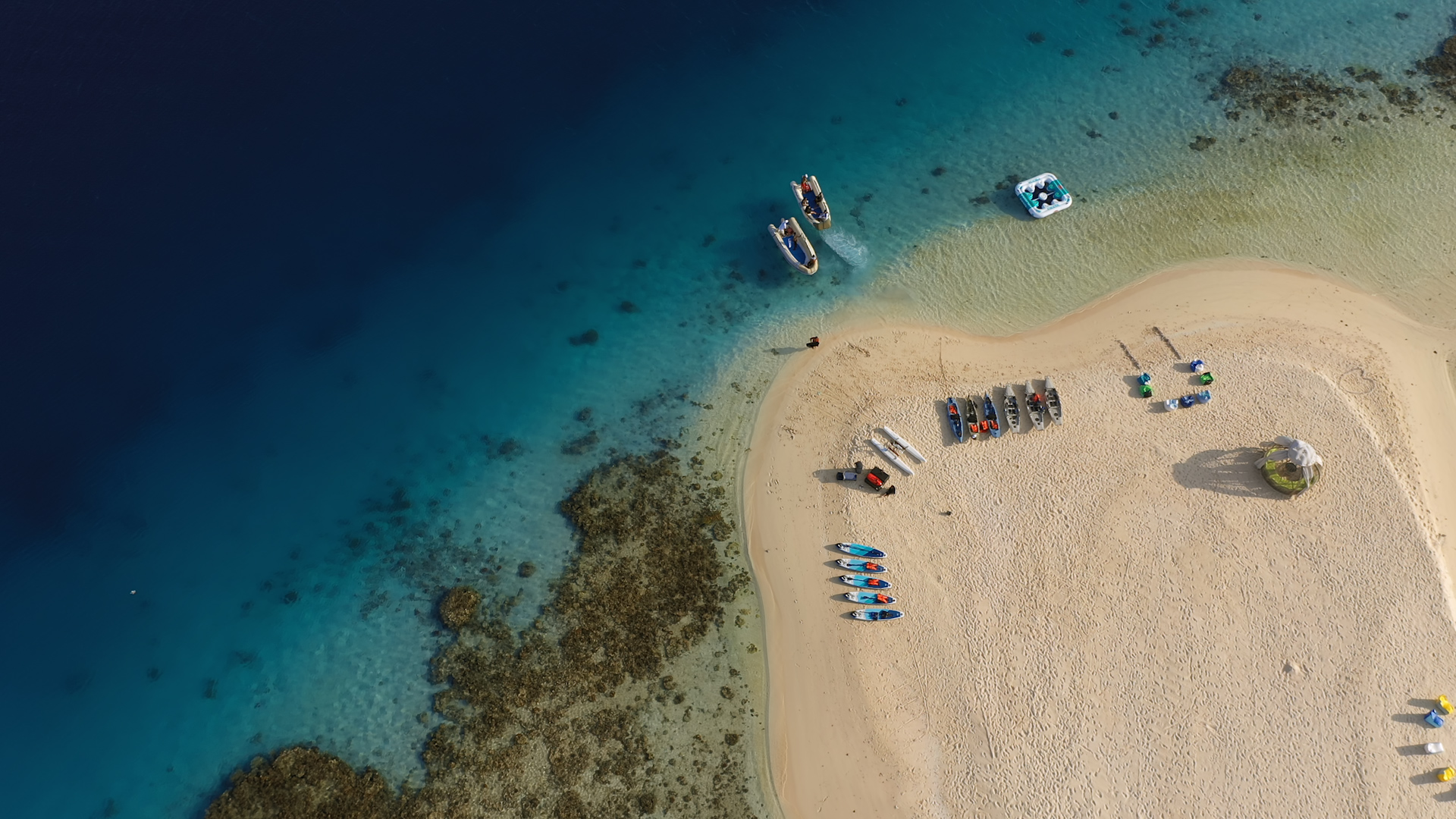
اكتشف أفضل شواطئ السعودية للسباحة والاسترخاء. دليل شامل لبحيرات أملج، نوادي شاطئ جدة، ومنتجعات البحر الأحمر، وجزر فرسان.
أبرز النقاط
- توفر خليج شرمة وجزيرة شعوة في نيوم أصفى مياه في البحر الأحمر (رؤية تتراوح بين 20-30 مترًا)، لكنها تتطلب حجز إقامة في المنتجعات بأسعار تبدأ من 1,200 ريال سعودي لليلة.
- يُعدّ خور أبحر شمال جدة أكثر شريط شاطئي مجاني يسهل الوصول إليه — احرص على الوصول قبل الساعة 9 صباحًا في عطلة نهاية الأسبوع لضمان مكان مظلل؛ ويبلغ متوسط درجة حرارة المياه 28 درجة مئوية في الصيف.
- تُعدّ شواطئ ينبع السر الأفضل حفظًا لدى المقيمين في السعودية: شعاب مرجانية غير مزدحمة، ورسوم دخول تبدأ من صفر إلى 50 ريالاً سعوديًا، وتبعد مسافة 4 ساعات بالسيارة (380 كم) شمال جدة عبر الطريق السريع رقم 55.
- يُسمح بالسباحة المختلطة في شواطئ المنتجعات المخصصة لذلك؛ أما الشواطئ العامة خارج مناطق المنتجعات فعادةً ما تضم أقسامًا منفصلة — تحقق من اللافتات عند الوصول.
- تجنّب ساحل البحر الأحمر بين يونيو وأغسطس إن كنت لا تفضّل الحرارة الشديدة — إذ تتجاوز درجة حرارة الهواء بانتظام 42 درجة مئوية مع ذروة الرطوبة؛ والفترة المثالية هي من أكتوبر إلى أبريل.
ملاحظة استشارية للسفر: يغطي هذا الدليل أجزاءً من أقصى جنوب المملكة العربية السعودية — منطقة جازان، وجزر فرسان، ونجران — وهي مناطق قريبة من الحدود اليمنية. اعتبارًا من عام 2026، تُصنّف وزارة الخارجية الأمريكية المملكة العربية السعودية بشكل عام ضمن المستوى 3 — أعد التفكير في السفر (أُعيد إصداره في 13 مارس 2026)، وتُطبّق المستوى 4 — لا تسافر على المنطقة الواقعة ضمن 20 ميلاً من الحدود اليمنية؛ وتتخذ المملكة المتحدة وكندا موقفًا مشابهًا. يُرجى مراجعة الإرشادات الحالية الصادرة عن حكومتكم قبل التخطيط لأي رحلة إلى هذه المناطق، مع العلم أن تأمين السفر يكون عادةً لاغيًا في مناطق حظر السفر. اطّلع على دليل السلامة في المملكة العربية السعودية. أما بقية أنحاء البلاد فلا تشملها هذه القيود الحدودية.
اكتشف أفضل شواطئ المملكة العربية السعودية للسباحة وأكثر
تخيّل ساحلاً يمتد لأكثر من 2,000 كيلومتر، حيث تلتقي المياه الزُّرقاء الصافية بالرمال الذهبية، ويهمس التاريخ العريق مع نسيم البحر. هذا هو ساحل البحر الأحمر في المملكة العربية السعودية، وجهة تبرز بسرعة لتصبح جنة شواطئ عالمية المستوى. لطالما ظلت هذه الشواطئ البكر جوهرة خفية، لكن مع احتضان المملكة للسياحة، أخذت شواطئها الرائعة تنفتح على العالم. وفي عام 2026، يمكن للمسافرين توقّع مزيج آسر من الجمال الطبيعي البكر، وتجارب المنتجعات الفاخرة، والحياة الشاطئية الحضرية النابضة بالحياة.
من بحيرات أملج الهادئة المتناثرة بالجزر، إلى نوادي الشواطئ الصاخبة والراقية في جدة، وصولاً إلى المشاريع الطموحة والمستقبلية لمشروع البحر الأحمر، تقدّم المملكة العربية السعودية مغامرة مائية لا مثيل لها. سواءً كنت تبحث عن الغطس الهادئ، أو الرياضات المائية المثيرة، أو مجرد استراحة تحت أشعة الشمس، سيأخذك هذا الدليل الشامل في جولة عبر أفضل شواطئ المملكة العربية السعودية.
حقائق سريعة لرحلتك الشاطئية في عام 2026:
- طول الساحل: أكثر من 2,000 كم على طول البحر الأحمر.
- التأشيرة: التأشيرة الإلكترونية متوفرة للعديد من الجنسيات. يُرجى مراجعة المنصات الرسمية للتأشيرات السعودية.
- العملة: الريال السعودي (SAR). اعتبارًا من أواخر عام 2024 (المتوقع لعام 2026)، يعادل الدولار الأمريكي الواحد نحو 3.75 ريال سعودي.
- أفضل وقت للزيارة: من أكتوبر إلى مايو لدرجات حرارة معتدلة (20-30 درجة مئوية). أما من يونيو إلى سبتمبر فتكون الحرارة شديدة الارتفاع (أكثر من 35-45 درجة مئوية).
- قواعد اللباس: يُقبل عمومًا لباس السباحة المحتشم في الشواطئ الخاصة والمنتجعات. أما في الشواطئ العامة، فيُستحسن أن ترتدي النساء لباس سباحة كامل التغطية (مثل البوركيني) أو أن يلتزمن بلباس محتشم عند عدم السباحة. ويُفضّل أن يرتدي الرجال شورت سباحة.
- الكحول: غير متوفرة في المملكة العربية السعودية.
أملج: مالديف السعودية
غالبًا ما تُعرف أملج بـ"مالديف السعودية"، فهي شاهد أخّاذ على براعة الطبيعة. تقع هذه المدينة الساحلية في منطقة تبوك، وتشتهر بشواطئها البيضاء النقية، ومياهها الفيروزية الصافية، وتناثر أكثر من 100 جزيرة صغيرة حولها، يحيط بالعديد منها شعاب مرجانية بكر. تقدّم أملج تجربة أصيلة وغير ملوّثة لساحل البحر الأحمر، مثالية لمن يبحث عن الهدوء والجمال الطبيعي.
يكمن سحر أملج الحقيقي في رحلات القوارب. يمكن العثور بسهولة على مشغّلين محليين بالقرب من المرفأ، يقدّمون رحلات إلى الجزر القريبة. من أبرز الوجهات جزيرة دُقم وجزيرة ليبانة، حيث يمكنك السباحة في بحيرات ضحلة متلألئة، والغطس بين الحياة البحرية النابضة بالألوان، بل ورصد أبقار البحر (الأطوم) إن حالفك الحظ. تتميّز الرؤية تحت الماء هنا بجودة استثنائية، ما يجعلها حلمًا لهواة الغطس والغوص. تتراوح خيارات الإقامة في أملج بين بيوت الضيافة المتواضعة وعدد قليل من منتجعات البحر الأحمر الفاخرة الناشئة. توقّع دفع نحو 150-300 ريال سعودي (40-80 دولارًا أمريكيًا) مقابل رحلة قارب أساسية، حسب المدة والمحطات.
تجارب موصى بها في أملج:
- التنقل بين الجزر: استأجر قاربًا لاستكشاف الجزر غير المأهولة.
- الغطس والغوص: اكتشف النظم البيئية المرجانية الغنية. يمكن غالبًا استئجار المعدات من مشغّلي القوارب أو المحال المحلية.
- رصد أبقار البحر: راقب هذه المخلوقات الوديعة، خصوصًا حول مروج الأعشاب البحرية.
- مناظر الغروب: غروب الشمس فوق البحر الأحمر من شواطئ أملج مشهد بديع.
واحات جدة الحضرية: نوادي الشواطئ وسحر الكورنيش
جدة، ثاني أكبر مدن المملكة النابضة بالحياة، تقدّم تجربة شاطئية مختلفة تمزج بين الرقي الحضري وروعة البحر الأحمر. يُعدّ كورنيش المدينة الممتد لكيلومترات مركز نشاط رئيسيًا، يضم شواطئ عامة وحدائق ومرافق ترفيهية. غير أنّ نوادي الشواطئ الخاصة في جدة تبقى الوجهة المفضلة لمن يرغب في السباحة والاستمتاع بأشعة الشمس بشكل مخصص.
توفّر هذه النوادي الحصرية أجواءً شبيهة بالمنتجعات، تضم مسابح وشواطئ خاصة ومطاعم ومرافق للرياضات المائية. من الخيارات الرائجة لعام 2026 منتجع وسبا درة العروس الأنيق، الواقع شمال المدينة قليلاً، والذي يوفّر فلل خاصة وإطلالة شاطئية واسعة. أما بالقرب من المدينة، فيمكن الاستفادة من مرافق شاطئ أبحر، الذي يضم عدة منتجعات ونوادٍ خاصة. تتراوح تذاكر الدخول اليومية لهذه النوادي بين 100-300 ريال سعودي (27-80 دولارًا أمريكيًا) حسب النادي ويوم الأسبوع، وغالبًا ما تشمل الوصول إلى المسابح ومرافق الشاطئ. تُعدّ هذه الأماكن مثالية للعائلات ولمن يبحث عن يوم شاطئي مريح ومزوّد بالخدمات.
أبرز شواطئ جدة:
- شمال أبحر: موطن للعديد من المنتجعات ونوادي الشواطئ الخاصة.
- كورنيش جدة: رائع للتنزّه والنزهات والاستمتاع بنسيم البحر، إلا أنّ السباحة تقتصر عمومًا على المناطق المخصصة أو النوادي الخاصة.
- شاطئ السيف: تطوير أحدث على الكورنيش الجنوبي، يوفّر مرافق عامة وأجواءً أكثر استرخاءً.
مشروع البحر الأحمر: رؤية للرفاهية المستدامة
استعدّ للانبهار بمشروع البحر الأحمر، وجهة سياحية فاخرة وضخمة قيد التطوير حاليًا، ومن المقرر أن تستقبل أولى ضيوفها في عام 2026. يهدف هذا المشروع الطموح إلى إرساء معايير جديدة للسياحة المستدامة، إذ يمتد على مساحة شاسعة تتجاوز 28,000 كيلومتر مربع، وتضم أكثر من 90 جزيرة بكرًا. تتمثل الرؤية في إنشاء منتجعات فائقة الفخامة، مع الحفاظ على الجمال الطبيعي البكر وتجارب لا مثيل لها، مع الإبقاء على 75% من جزر الأرخبيل كمناطق محمية.
على الرغم من أنّ تفاصيل المنتجعات المحددة ونقاط الوصول العامة ما تزال قيد التحديد، يمكن توقّع مرافق عالمية المستوى وعمارة مذهلة وخدمات مخصصة. ستُعيد منتجعات مثل جزر أمّهات الأيقونية بتصميم شركة فوستر آند بارتنرز، وجزيرة شعوة (ازدهار المرجان) بسحرها الذي يمزج الصحراء بالبحر، تعريف مفهوم السفر الفاخر. وبالنسبة لعام 2026، يمكن للزوار توقّع افتتاح محدود وحصري، يقدّم بعضًا من أنقى الشواطئ وأكثرها حماية على وجه الأرض، إلى جانب رياضات مائية صديقة للبيئة، وغوص، واستكشاف بحري. ستكون هذه تجربة راقية، تعكس أسعارها طابعها الحصري والفاخر.
التجارب المتوقعة في مشروع البحر الأحمر (2026):
- إقامة في منتجعات فاخرة: خدمة وتصميم لا مثيل لهما وسط خلفيات طبيعية خلابة.
- رياضات مائية مستدامة: التجديف بالكاياك، والتزلج بالمجداف، والغطس في بيئات بحرية محمية.
- رحلات غوص: استكشاف الشعاب المرجانية البكر برفقة مرشدين خبراء.
- استكشاف الجزر: رحلات منسّقة إلى جزر وبحيرات بكر.
جزر فرسان: أرخبيل بكر
تقع جزر فرسان على بُعد نحو 50 كيلومترًا قبالة سواحل جازان في الجنوب الغربي، وهي أرخبيل بريّ وبكر بحق. يضم هذا المحمية الحيوية المُدرجة ضمن قائمة اليونسكو أكثر من 170 جزيرة وجزيرة صغيرة، وتزخر بتنوّع بيولوجي مذهل فوق سطح الماء وتحته. إن كنت من المسافرين المغامرين الباحثين عن جمال طبيعي خام ولمحة عن الحياة التقليدية في الجزر، فإنّ جزر فرسان وجهة لا بد من زيارتها.
يتم الوصول إلى فرسان عبر عبّارة مجانية من جازان (يُنصح بشدة بالحجز المسبق، خاصةً للمركبات). وبمجرد الوصول، ستكتشف شواطئ منعزلة، وآثارًا قديمة، وغابات من أشجار القرم. تتميّز الحياة البحرية هنا بثراء استثنائي، مع شعاب مرجانية نابضة بالحياة، وأسراب من الأسماك الملونة، وأحيانًا مشاهدات لأنواع أكبر مثل أشعة المانتا وأسماك القرش الحوتي. ورغم أنّ البنية التحتية أبسط مقارنة بمناطق أخرى، يمكن للمرشدين المحليين تنظيم جولات بالقارب إلى أفضل مواقع الغطس والسباحة. خيارات الإقامة محدودة لكنها في تزايد، مع عدد قليل من بيوت الضيافة والفنادق الصغيرة في فرسان الكبير (الجزيرة الرئيسية). توقّع دفع نحو 200-400 ريال سعودي (50-100 دولار أمريكي) مقابل جولة بالقارب ليوم كامل.
أبرز معالم جزر فرسان:
- شاطئ القصار: معروف بمياهه الهادئة وجماله الخلاب.
- غابات القرم: استكشفها بالكاياك أو القارب.
- محمية فرسان البحرية: منطقة محمية تعج بالحياة البحرية.
- المواقع التاريخية: اكتشف المساجد القديمة والحصون العثمانية.
- مراقبة الطيور: تُعدّ الجزر ملاذًا للطيور المهاجرة.
الوجه: سحر ساحلي وتاريخ عريق
شمال أملج، تقدّم مدينة الوجه الساحلية التاريخية مزيجًا من التراث العريق والساحل الجميل. ورغم أنها أقل تطورًا سياحيًا من أملج، إلا أنّ الوجه تمنحك لمحة عن الحياة التقليدية على ساحل البحر الأحمر، وتفخر بشواطئها الخلابة الخاصة بها. المدينة نفسها ساحرة، بحيّها القديم الذي يضم منازل مبنية بالمرجان ومرفأ صيد نابض بالحركة.
تتميّز الشواطئ المحيطة بالوجه بأنها غير ملوّثة وأقل ازدحامًا عمومًا. يمكنك إيجاد عدة نقاط دخول عامة للاستمتاع بمياهها الهادئة. ولتجربة أكثر تنظيمًا، تتيح بعض المنتجعات وبيوت الضيافة المحلية الوصول إلى الشاطئ. كما تُعدّ الوجه قاعدة ممتازة لاستكشاف فرص الغوص الغنية في شمال البحر الأحمر، حيث تنتظر مواقع غوص بكر عديدة من يكتشفها. هذه المنطقة مثالية للمسافرين الذين يفضّلون تجربة بعيدة عن المسارات السياحية المألوفة، ويقدّرون الثقافة المحلية إلى جانب الجمال الطبيعي.
أنشطة يمكن ممارستها في الوجه:
- استكشاف البلدة القديمة: تجوّل بين المباني التاريخية المبنية بالحجر المرجاني.
- زيارة سوق السمك: عِش الحياة المحلية وتذوّق المأكولات البحرية الطازجة.
- الاسترخاء على الشواطئ المحلية: استمتع بالرمال الهادئة والنقية.
- الغوص: نظّم رحلة مع مشغّلين محليين لاستكشاف شعاب شمال البحر الأحمر.
التخطيط لمغامرتك الشاطئية في المملكة العربية السعودية (2026)
يتطلب التخطيط لعطلة شاطئية في المملكة العربية السعودية عام 2026 بعض التدبير المسبق. فالبلاد تتطور بسرعة، ورغم تحسّن البنية التحتية، لا تزال بعض المناطق نائية نسبيًا. إليك ما تحتاج إلى معرفته:
الإقامة:
في المدن الكبرى مثل جدة، ستجد مجموعة كاملة من الفنادق العالمية. أما في الوجهات الناشئة مثل أملج وفرسان، فالخيارات أكثر محدودية لكنها في تزايد مستمر، مع فنادق بوتيك وبيوت ضيافة ومشاريع منتجعات قيد الإنشاء. يُنصح بشدة بالحجز مسبقًا، وخاصةً لعام 2026، مع دخول عقارات جديدة إلى السوق.
التنقل:
تربط الرحلات الجوية الداخلية بين المدن الرئيسية (جدة، الرياض، الدمام، جازان، تبوك). ولاستكشاف المناطق الساحلية، يوفّر استئجار سيارة أكبر قدر من المرونة، خاصة في أملج والوجه. الطرق ممتازة بشكل عام. تنتشر تطبيقات مشاركة الركوب مثل أوبر وكريم في المدن. أما بالنسبة لفرسان، فالعبّارة من جازان ضرورية.
السلامة والعادات المحلية:
المملكة العربية السعودية بلد آمن للمسافرين. واحترام العادات والتقاليد المحلية أمر بالغ الأهمية. ورغم أنّ قواعد اللباس أصبحت أكثر مرونة، يُنصح دائمًا بارتداء ملابس محتشمة، خاصةً بعيدًا عن المنتجعات الخاصة. وخلال شهر رمضان، يُمنع الأكل والشرب والتدخين علنًا خلال ساعات النهار. يُرجى دائمًا مراجعة إرشادات السفر الحالية واللوائح المحلية.
الاتصال:
تتوفر خدمة الواي فاي على نطاق واسع في الفنادق والمقاهي. يُنصح بشراء شريحة اتصال محلية (STC أو موبايلي أو زين) فور الوصول لضمان اتصال مستمر، خصوصًا خارج المدن الكبرى. باقات البيانات ميسورة التكلفة بشكل عام.
الصحة والتأمين:
احرص على الحصول على تأمين سفر شامل يغطي الطوارئ الطبية وأي أنشطة مخطط لها مثل الغوص. مياه الصنبور غير آمنة للشرب بشكل عام؛ لذا يُفضّل الاعتماد على المياه المعبأة.
مستقبل الشواطئ السعودية: نيوم وما بعده
وبالنظر إلى ما بعد عام 2026، فإنّ مستقبل ساحل البحر الأحمر السعودي أكثر طموحًا. فمشروع نيوم الضخم، وتحديدًا منطقته الساحلية سندالة، شهد افتتاحًا محدودًا في أكتوبر 2024 (مرسى وفندق واحد هو أورايا التابع لماريوت، من مجموعة أوتوغراف كولكشن، ويستقبل الحجوزات حاليًا؛ في حين تأجّل افتتاح منتجع فورسيزونز الرئيسي إلى عام 2028) كوجهة منتجع جزيرة فاخرة. ولم تُفتح المنطقة بعد أمام السياحة العامة. تشمل رؤية نيوم شواطئ بكرًا، وتقنيات بحرية متطورة، وضيافة لا مثيل لها، ما يعزّز مكانة المملكة العربية السعودية كوجهة شاطئية عالمية رائدة.
يُعدّ الالتزام بالاستدامة في جميع هذه المشاريع سمة أساسية. وتُبذل جهود حثيثة لحماية النظم البيئية البحرية الحساسة، بما فيها الشعاب المرجانية وغابات القرم، لضمان بقاء كنوز المملكة الطبيعية نابضة بالحياة للأجيال القادمة. هذا المزيج من الفخامة والمغامرة والمسؤولية البيئية يجعل من ساحل البحر الأحمر السعودي وجهة فريدة وآسرة بحق.
خاتمة: مغامرتك في البحر الأحمر تنتظرك
يعِد ساحل البحر الأحمر السعودي في عام 2026 برحلة لا تُنسى. سواءً انجذبت إلى جمال أملج الهادئ، أو طاقة نوادي شواطئ جدة النابضة بالحياة، أو الفخامة الرائدة لمشروع البحر الأحمر، أو البرية البكر لجزر فرسان، فهناك شاطئ وبحر مثاليان في انتظارك.
احزم لباس السباحة، وروح المغامرة، واستعد للانبهار بوجهة تتحول بسرعة، لكنها تبقى راسخة الجذور في ثقافتها الغنية ومناظرها الطبيعية الخلابة. لم تعد أفضل شواطئ المملكة العربية السعودية سرًا، بل باتت دعوة لاكتشاف حدود جديدة من الفخامة والاستكشاف الطبيعي.
الأسئلة الشائعة
ما هو أفضل وقت للزيارة؟
تقدّم الفترة من أكتوبر إلى مارس أفضل دليل مناخي، حيث تكون درجات الحرارة معتدلة ومثالية لجولات المشاهدة. تجنّب الفترة من يونيو إلى أغسطس ما لم تكن تزور المناطق الساحلية.
هل أحتاج إلى تأشيرة؟
يمكن لمواطني 66 دولة مؤهلة الحصول على تأشيرة سياحية إلكترونية عبر الإنترنت مقابل 535 ريالاً سعوديًا، شاملة التأمين الطبي. العملية بسيطة عبر بوابة التأشيرات السعودية الرسمية.
هل المملكة العربية السعودية مناسبة للعائلات؟
نعم! استثمرت المملكة العربية السعودية بكثافة في الترفيه العائلي والحدائق والتجارب الثقافية المناسبة لجميع الأعمار.
ماذا يجب أن أرتدي؟
يُتوقع ارتداء ملابس محتشمة في الأماكن العامة. تُعدّ الأقمشة الخفيفة والقابلة للتهوية الخيار الأفضل. لم تعد النساء بحاجة إلى ارتداء العباءة، لكن يجب تغطية الكتفين والركبتين.
خطط لمغامرتك السعودية
هل أنت مستعد لاكتشاف المملكة؟ يقوم مخطط الرحلات المدعوم بالذكاء الاصطناعي لدينا بإنشاء برامج سفر مخصصة بناءً على اهتماماتك وميزانيتك ومواعيد سفرك. من أفق الرياض إلى مقابر العلا القديمة — دعنا نساعدك على اكتشاف المملكة العربية السعودية بطريقتك الخاصة.
الأسئلة الشائعة
- What are the best swimming beaches in Saudi Arabia?
- The Red Sea beaches in Jeddah and Yanbu offer the best swimming conditions in Saudi Arabia, with warm waters and coral reefs. Al-Nakheel Beach in Jeddah and Half Moon Bay are particularly popular with locals and tourists for safe, family-friendly swimming.
- Can women swim in Saudi Arabia beaches?
- Yes, women can swim at designated beaches in Saudi Arabia, though many prefer wearing modest swimwear or burkinis. Beaches like Obhur Beach and Al-Nakheel Beach in Jeddah have family sections where women can swim comfortably without harassment.
- Is it safe to swim in the Red Sea near Saudi Arabia?
- Yes, the Red Sea near Saudi Arabia is generally safe for swimming, though swimmers should be cautious of strong currents and sea urchins in certain areas. Always check local conditions and swim at designated, patrolled beaches like those in Jeddah and Khobar.
- What is the best time to visit Saudi Arabia beaches?
- October to March offers the best beach weather in Saudi Arabia with temperatures around 25-28°C. Summer months (June-August) can exceed 45°C, making beach activities uncomfortable and potentially dangerous.