Jeddah Travel Guide: Gateway to the Red Sea

Plan your Jeddah trip: Al-Balad UNESCO district, Red Sea Corniche, top hotels, restaurants, day trips and essential tips for visiting Saudi Arabia.

Key Takeaways

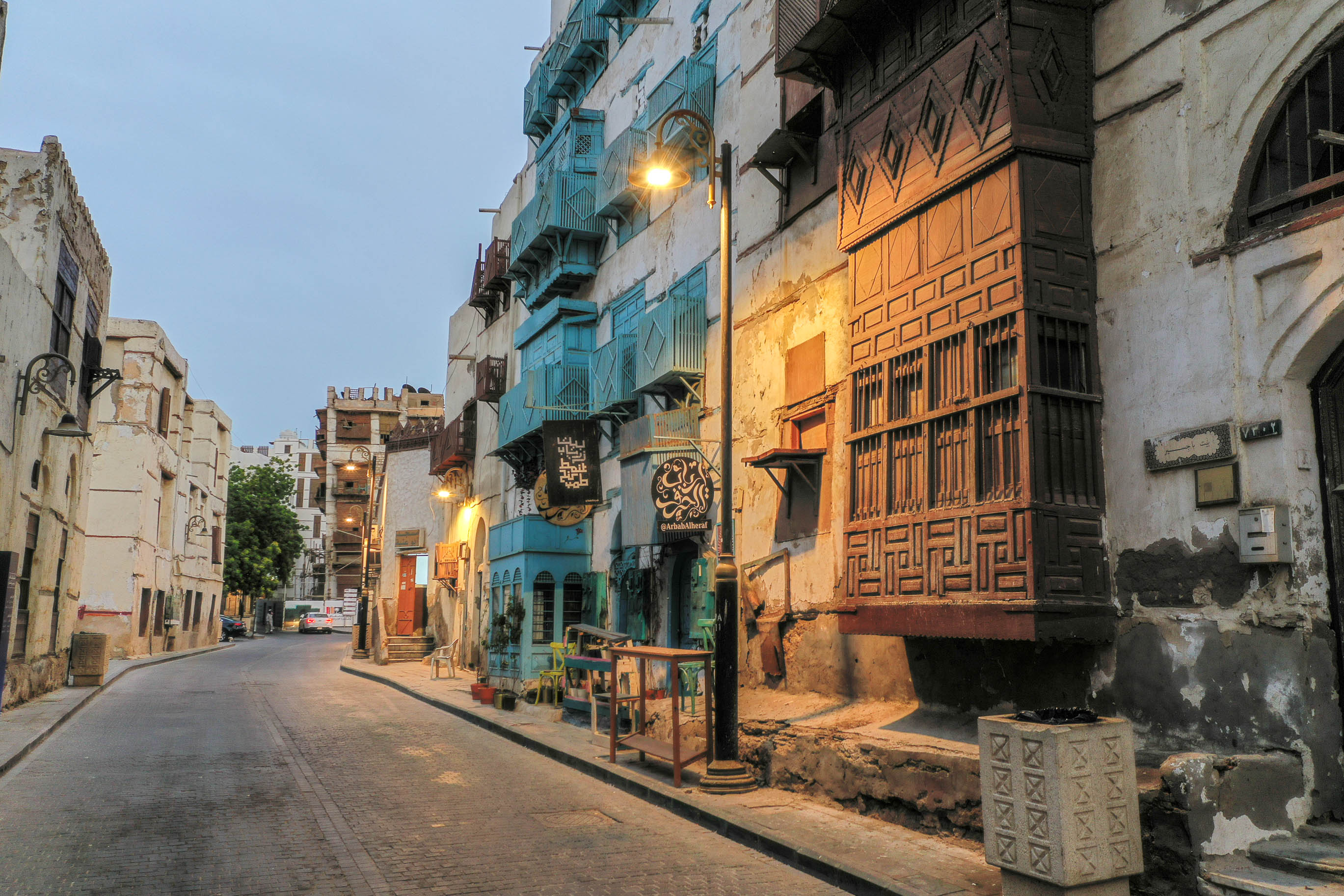
  • Al-Balad, historic Jeddah, is a UNESCO World Heritage Site (inscribed 2014); the district is free to walk, with coral-stone houses and traditional wooden rawasheen balconies.
  • King Fahd's Fountain on the Corniche is the tallest fountain in the world, jetting seawater around 312m; it is floodlit and best seen after dark.
  • The Red Sea at Jeddah is warm year-round (around 28-30°C); diving and snorkelling reefs are reachable at Obhur, north of the city.
  • October to April is the comfortable season (about 20-28°C); June to September is hot and humid, so sightsee early or after sunset.
  • Jeddah is the main gateway to Makkah and Madinah, but Makkah is closed to non-Muslims and central Madinah is restricted to Muslims.
  • The riyal is fixed near SAR 3.75 to the US dollar; cards are widely accepted, with some cash useful in Al-Balad's souqs.

Jeddah Travel Guide: Saudi Arabia's Red Sea City

Jeddah is Saudi Arabia's second city and its historic window on the world. For centuries it was the port where pilgrims and traders arrived by sea on their way to Makkah, and that mix of cultures still shapes its food, architecture, and easy-going feel. Visitors come today for the UNESCO-listed Al-Balad old town, the long Red Sea Corniche, warm-water diving, and a food scene that runs from souq stalls to seafront restaurants. This guide covers what to see, how to get around, and when to come. For the national picture, start with the Saudi Arabia travel guide.

Getting there and getting around

King Abdulaziz International Airport (JED) is Saudi Arabia's busiest and connects Jeddah to the world and to domestic hubs. From the airport, the Uber and Careem apps are the simplest way into the city and set the fare in advance; a ride to the centre is usually SAR 40-70. Within Jeddah the same apps work well and remove any need to hail taxis. The Haramain High Speed Railway links Jeddah to King Abdullah Economic City and on toward Madinah, useful if you are combining cities. Car rental, from around SAR 100 a day, helps for the coast and a Taif day trip but is not needed for the old town.

Al-Balad: the historic heart

Al-Balad, or Historic Jeddah, was inscribed on the UNESCO World Heritage list in 2014. Its lanes are lined with tall coral-stone houses fronted by rawasheen, the carved wooden bay windows that once caught the sea breeze. The district is free to walk, and the best way to see it is slowly, on foot, ideally in the late afternoon when the light softens and the souqs reopen. You will find old merchant houses, spice and gold souqs, small museums, and cafés. Landmarks to find include Naseef House (Beit Nassif), a 19th-century merchant mansion once at the town's centre, and the old city gates such as Bab Makkah. Guided walking tours are available if you want the history explained, or you can wander independently. Restoration work is ongoing, so a few buildings may be fenced off.

The Corniche and the Red Sea

Jeddah's waterfront runs for kilometres along the Red Sea and is the city's outdoor living room, busiest in the evening. The landmark is King Fahd's Fountain, the tallest fountain in the world, which jets seawater roughly 312m into the air and is floodlit after dark — the best views are from the northern Corniche at night. The waterfront has sculpture, walking and cycling paths, play areas, and cafés. Further along stand the small Al-Rahma Mosque, built out over the water so it appears to float at high tide, and the Fakieh Aquarium, a good option with children or in the midday heat. North of the city, the beaches and reefs at Obhur are where locals swim, dive, and take boats out; the water is warm year-round, around 28-30°C, and dive centres run trips and courses.

Food and markets

Jeddah is widely considered Saudi Arabia's best city for eating. Fresh Red Sea fish, grilled and served with spiced rice as sayadeya, is the local speciality. The old souqs sell dates, spices, nuts, and gold, and street stalls do foul, falafel, and fresh juice cheaply. Districts north of the centre add international restaurants and cafés. Expect a casual seafood meal for SAR 40-80 and a mid-range restaurant dinner for SAR 80-150.

Gateway to Makkah and Madinah

Jeddah has always been the arrival point for pilgrims performing Hajj and Umrah, and it remains the main gateway to the two holy cities. It is important to be clear on access: Makkah is closed to non-Muslims entirely, and the central mosque area of Madinah is restricted to Muslims. Muslim travellers can continue from Jeddah to Makkah by road or rail; non-Muslim visitors instead spend their time in Jeddah, on the coast, and on day trips inland. Signposted routes around Makkah keep non-Muslim traffic on bypass roads.

Where to stay

Two areas suit most visitors. The northern Corniche and Al-Shati district have the modern hotels, sea views, and restaurants, and make the easiest base for a first visit; expect SAR 400-900 a night for a comfortable mid-range room, and more for a beachfront resort. Staying near Al-Balad puts the heritage district and souqs on your doorstep and tends to be cheaper, with simpler hotels from around SAR 200-400. Book ahead during Umrah peaks and school holidays, when Jeddah fills with pilgrims in transit.

Day trips and the coast

The classic escape is Taif, up a mountain road southeast of the city. At around 1,880m it is noticeably cooler than Jeddah, known for rose farms and a relaxed hill-town feel; it makes a comfortable day or overnight trip, especially in summer. On the water, half-day boat trips and dive excursions from Obhur reach reefs and quieter stretches of coast, with clear water and healthy coral close to shore.

When to go and what to wear

The comfortable season is October to April, with daytime temperatures around 20-28°C — ideal for walking Al-Balad and the Corniche. From June to September, Jeddah is hot and humid, often above 38°C, so keep sightseeing to early morning and evening and use the middle of the day for indoor plans or the beach. Modest dress is expected: shoulders and knees covered, loose clothing in light fabrics, though the abaya is not required for foreign women. Our what to wear guide and best time to visit page have the detail. The riyal is fixed near SAR 3.75 to the dollar, and cards are accepted almost everywhere, though a little cash is handy in the souqs.

A little history

Jeddah has been a port for well over a thousand years, and for centuries it was the point where pilgrims arriving by sea began the last leg to Makkah. That role made it unusually cosmopolitan for the region: merchants and pilgrims from Africa, South and Southeast Asia, and the wider Middle East settled and traded here, and you can still read that mix in the food and family names of the old city. The coral-stone houses of Al-Balad, with their tall wooden screens, were the merchant homes of that era, and the town kept its defensive walls into the early twentieth century before the modern city spread north along the coast.

Modern Jeddah beyond the old town

North of Al-Balad, Jeddah is a spread-out modern city best seen in pieces. The Corniche is the through-line, but the districts inland hold much of the shopping and dining — Tahlia Street and the newer northern neighbourhoods are where cafés, malls, and restaurants cluster. The city has long had a reputation as the most relaxed and creative in the country, and its open-air sculptures, dotted along roundabouts and the waterfront, are part of that character. There is no single museum quarter, so plan around two or three specific stops and use ride apps to move between them rather than trying to walk.

Making the most of a short visit

With two full days, a simple plan works well. Spend the first late afternoon and evening in Al-Balad, walking the lanes and eating in the souqs once it cools. Give the second day to the water: a morning dive or beach trip at Obhur, then the Corniche and King Fahd's Fountain after dark. With a third day, drive up to Taif for the cooler air, or take a boat out on the Red Sea. It is an easy city to enjoy without rushing.

Practical tips

  • Use Uber or Careem rather than street taxis; fares are set in the app.
  • Walk Al-Balad in the late afternoon and evening, when it is cooler and the souqs are open.
  • Carry a little cash for souq stalls, though cards work in most shops and restaurants.
  • Alcohol is illegal everywhere in Saudi Arabia, including in hotels — do not bring any.
  • Some places open later on Friday mornings, so plan indoor time or the beach then.
  • Keep water with you; summer humidity is draining even in the shade.

Frequently Asked Questions

What are the main things to do in Jeddah?
Walk the UNESCO-listed Al-Balad old town, stroll the Red Sea Corniche and see King Fahd's Fountain, relax on the beaches at Obhur, dive or snorkel the coral reefs, and eat seafood in the old souqs. The city blends several centuries of trading history with modern waterfront districts.
How many days do you need in Jeddah?
Two to three days covers the essentials: a day for Al-Balad and the souqs, a day for the Corniche and beaches or diving, and time for shopping and dining. Add a day for a trip up to Taif or a Red Sea boat excursion.
When is the best time to visit Jeddah?
October to April, when temperatures are around 20-28°C. May to September is hot and humid, often above 38°C, so limit outdoor sightseeing to early morning and evening.
Can I visit Makkah from Jeddah?
Jeddah is the traditional gateway to Makkah, but only Muslims may enter Makkah, and the central mosque area of Madinah is likewise restricted to Muslims. Non-Muslim visitors can still enjoy Jeddah, the Red Sea, and a day trip to Taif.
Is Jeddah good for a beach holiday?
Yes. The Red Sea coastline north of the city at Obhur has resorts, public beaches, and clear water at around 28-30°C, with coral reefs close to shore for snorkelling and diving.