Saudi Arabia vs Turkey: Which Should You Visit in 2026?
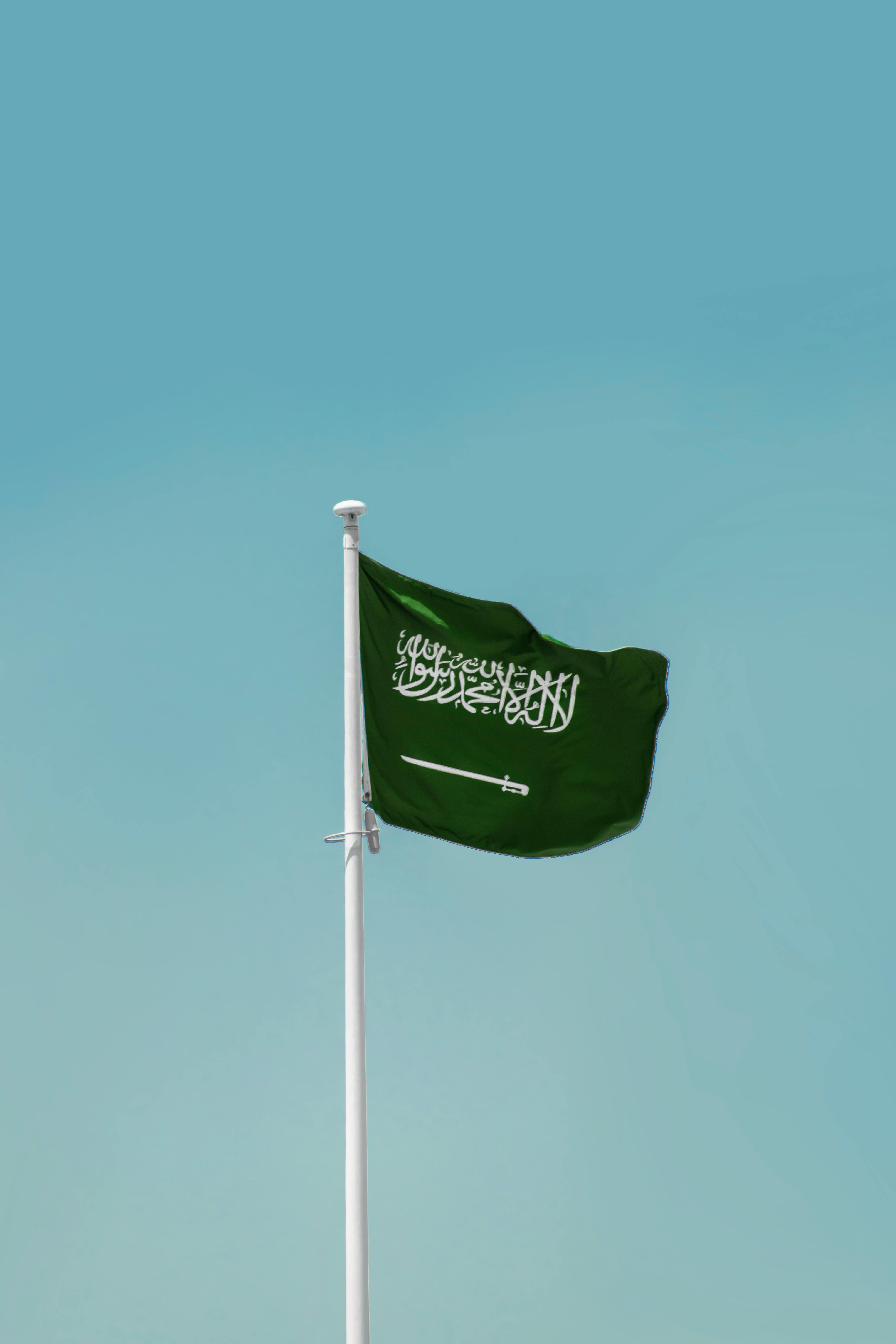
Saudi Arabia vs Turkey — comparing cost, attractions, culture, weather, visa ease, safety, and food for your 2026 travel plans.
Key Takeaways
- Turkey has far more established tourist infrastructure with decades of mass tourism experience
- Saudi Arabia offers a genuinely novel destination experience — most sites are unknown to Western travelers
- Turkey is cheaper for food and accommodation — Saudi is cheaper for fuel and domestic transport
- Istanbul and Cappadocia are bucket-list icons — AlUla and the Empty Quarter are rising equivalents
- Turkey has a Mediterranean climate advantage — Saudi requires careful seasonal planning to avoid extreme heat
East Meets West, Tradition Meets Ambition
Turkey and Saudi Arabia are two of the Islamic world's most influential nations, yet they offer radically different travel experiences. Turkey — straddling Europe and Asia — has been a tourism powerhouse for decades, drawing over 50 million visitors annually with its blend of Byzantine history, Mediterranean beaches, and vibrant urban culture. Saudi Arabia, welcoming international tourists only since 2019, is the world's most significant emerging destination: vast, mysterious, and still largely undiscovered by the global travel market.
Cost Comparison
Turkey is generally cheaper, particularly following the lira's depreciation against major currencies. Budget accommodation, street food, and domestic transport in Turkey cost roughly 30-50% less than Saudi equivalents. A comfortable day in Istanbul runs 250-500 SAR; the equivalent in Riyadh costs 500-800 SAR. A simit and ayran street breakfast in Istanbul costs 15 SAR; a ful and flatbread breakfast in Riyadh costs 25-40 SAR.
However, Saudi Arabia's pricing reflects newer infrastructure, higher service standards, and a tourism ecosystem designed for quality rather than volume. Turkey's best value is at the budget tier — cheap hostels, street food, and domestic buses. Saudi Arabia's best value is at mid-range and luxury levels, where new properties compete aggressively for early market share. The gap is particularly notable in accommodation: a four-star hotel in Riyadh at 500 SAR per night typically offers better facilities than a similarly priced Istanbul hotel.
Attractions
Turkey's roster is formidable: Istanbul's Hagia Sophia and Blue Mosque, Cappadocia's balloon-dotted fairy chimneys, the ancient city of Ephesus, Pamukkale's travertine terraces, and the Turquoise Coast with its secluded coves. These are mature, well-managed tourist experiences with decades of infrastructure development behind them.
Saudi Arabia offers a different proposition: frontier exploration. AlUla's Hegra tombs, barely visited a decade ago, now feature world-class visitor infrastructure. The Red Sea coast promises diving that rivals the Maldives and Indonesia's Raja Ampat, with the advantage of being almost entirely undiscovered by the recreational diving market. The Empty Quarter is Earth's largest sand desert. Jeddah's Al-Balad is a UNESCO World Heritage Site that most international travellers have never heard of. Turkey offers polished tourism with established crowds; Saudi Arabia offers the thrill of the new with the infrastructure to back it up.
Culture
Turkish culture is a celebrated fusion of Ottoman, Byzantine, and Mediterranean influences — cosmopolitan, expressive, and deeply welcoming. Istanbul's Grand Bazaar, Turkish bath traditions, and tea culture are well-known globally. The cultural identity has been documented extensively in literature, film, and travel media for centuries.
Saudi culture is more reserved but equally generous: the coffee ceremony with cardamom-spiced qahwa and dates, the communal meal served on a large platter, the unhurried conversation in a majlis setting. Saudi Arabia's cultural identity is still being discovered by international travellers, which makes encountering it feel more personal and revelatory. The Kingdom's cultural festivals — Riyadh Season (drawing 10+ million visitors), Jeddah Season, and AlUla's Winter at Tantora — have quickly become world-class events that rival Istanbul's established festival calendar.
Weather
Turkey offers genuine four-season diversity: Mediterranean summers on the Aegean and south coast, snowy Anatolian winters in Cappadocia and eastern Turkey, mild springs along the Black Sea coast. This seasonal variety is a real strength — Turkey is a year-round destination with different regions peaking at different times.
Saudi Arabia's climate is more extreme but includes highland refuges around Abha and Taif that remain cool when lowland temperatures soar. For winter sun, Saudi Arabia is the clear winner — consistent warmth and blue skies from November to March across most of the country, while Turkey's winter is cold, wet, and grey in many regions. The Red Sea coast offers year-round warm water for diving and beach activities. Travellers escaping European winters will find Saudi Arabia more reliably sunny than Turkey.
Visa Ease
Turkey offers e-Visa or visa-on-arrival to most nationalities at modest cost (approximately 190 SAR / 50 USD for many passports). Saudi Arabia's e-Visa at 535 SAR is pricier but offers a full year of multiple entries — better long-term value for frequent travellers. Both processes are entirely online and efficient. Neither presents a meaningful barrier to travel.
Safety
Both countries are generally safe for tourists, though they face different concerns. Turkey's eastern regions near the Syrian border carry security advisories, and petty crime — pickpocketing in Istanbul's tourist areas, taxi scams, and carpet-shop pressure sales — is a real consideration. Istanbul's Sultanahmet and Taksim areas require standard urban awareness.
Saudi Arabia has exceptionally low crime rates. Violent crime affecting tourists is virtually unheard of, and petty crime (pickpocketing, bag snatching) is extremely rare compared to major Turkish cities. The absence of a tourist-targeting scam culture means interactions with locals are genuinely friendly without commercial undertones. For solo travellers and families prioritising safety, Saudi Arabia offers a notably more secure environment.
Food
Turkish cuisine is one of the world's great culinary traditions: kebabs in their dozens of regional varieties, mezes ranging from hummus to muhammara, baklava from Gaziantep, simit from street carts, and Turkish breakfast spreads that can occupy an entire morning. The culinary infrastructure — from street food to Michelin-level restaurants — is deep and well-established.
Saudi cuisine is less internationally known but deeply rewarding: Kabsa (the national dish of spiced rice with meat), Saleeg (creamy milk-rice from the Hejaz), Mutabbaq (stuffed savoury pastry), Jareesh (crushed wheat porridge), and the Red Sea seafood traditions of the Hejaz. Turkey wins on global recognition and variety of dining experiences; Saudi Arabia wins on culinary discovery — the satisfaction of encountering a food culture that most of the world has not yet tasted. For a deep dive, explore our Saudi Food and Cuisine guide.
Nightlife and Entertainment
Turkey has a well-developed nightlife scene. Istanbul's rooftop bars overlooking the Bosphorus, Bodrum's beach clubs, and Cappadocia's cave-bar experiences are well-known. Alcohol is widely available in restaurants, hotels, and dedicated bars across most of the country. The social atmosphere is relaxed and cosmopolitan, particularly on the western coast.
Saudi Arabia has no alcohol, but its entertainment landscape has transformed at a pace that surprises even frequent visitors. Riyadh Season is now one of the world's largest entertainment festivals, with international headliners playing to massive crowds in purpose-built venues. Jeddah hosts Formula E and international sporting events. AlUla's Maraya concert hall — the world's largest mirrored building — hosts performances in one of the most spectacular settings on Earth. The Boulevard district in Riyadh operates year-round with restaurants, entertainment venues, and social spaces open until 2:00 AM. For travellers who prioritise alcohol, Turkey wins. For those seeking large-scale cultural events and entertainment innovation, Saudi Arabia competes at a level Turkey does not.
Transportation and Getting Around
Turkey has excellent transport infrastructure. Istanbul's public transit (metro, tram, ferry) is efficient and affordable. Domestic flights with Turkish Airlines, Pegasus, and AnadoluJet connect all major cities at competitive prices. Long-distance buses are comfortable and well-organised. The country's smaller size means road trips between major destinations are manageable — Istanbul to Cappadocia is a 90-minute flight or an overnight bus.
Saudi Arabia's continental scale requires more planning. Domestic flights (Saudia, flynas, flyadeal) connect 25+ cities from 150 SAR one-way. Highways are modern and well-maintained, but distances are significant — Riyadh to AlUla is over 1,000 km by road. Uber and Careem operate reliably in all Saudi cities. The Haramain High-Speed Railway connects the western corridor. Public transit is developing in Riyadh (metro opening) and Jeddah. Turkey has the more mature transport system; Saudi Arabia's is newer but rapidly expanding.
Solo and Female Travel
Turkey is well-established for solo travel with a strong backpacker and independent travel culture. Female solo travellers generally feel comfortable, particularly on the western coast and in Istanbul, though eastern Turkey and some conservative areas require more cultural awareness. Verbal harassment, while less common than in some neighbouring countries, is reported in tourist areas.
Saudi Arabia is newer to solo tourism but offers a consistently safe environment. Women travel independently, drive, and access all tourist facilities. The social atmosphere in Riyadh and Jeddah is modern and respectful. The main consideration is dress code — modest clothing covering shoulders and knees is expected in public, though beach clubs and resort pools follow international norms. For female travellers prioritising personal safety over social liberalism, Saudi Arabia's low crime rate and respectful social norms make it an increasingly attractive option.
When to Choose Saudi Arabia
Choose Saudi Arabia if you want to explore a destination before the world catches on, if you value safety and modern infrastructure, if winter sun matters, and if you are drawn to experiences that feel genuinely undiscovered. Turkey is a magnificent, well-loved destination with a proven tourism offering — but Saudi Arabia offers the rare thrill of being among the first wave of international travellers to explore a country that has been largely closed to tourism for its entire modern history. That window of discovery is narrowing as visitor numbers grow, which makes 2026 the optimal time to experience the Kingdom before it becomes a mainstream destination.
Want to Go Before It Goes Mainstream?
If the discovery window is the draw, the Trip Planner turns your dates and interests into a day-by-day route. Compare where to stay across the Kingdom in our hotel guide.
The Rest of the Comparison Series
Frequently Asked Questions
- Is Saudi Arabia or Turkey better for first-time visitors in 2026?
- Both offer unique experiences: Saudi Arabia excels with ancient Nabatean ruins in AlUla, world-class desert landscapes, and Red Sea diving, while Turkey offers cultural blending of East and West. Your choice depends on whether you prefer Middle Eastern heritage and adventure or cosmopolitan culture with historical depth.
- Which destination is more affordable: Saudi Arabia or Turkey?
- Turkey is generally more budget-friendly for accommodation and dining, especially outside Istanbul, while Saudi Arabia is newer with competitive luxury options. Both countries offer excellent value for mid-range travelers, but budget backpackers often find Turkey more developed and cheaper.
- What is the best time to visit Saudi Arabia compared to Turkey?
- Saudi Arabia is ideal October to April when temperatures drop to 15-25C, while Turkey peaks in May-June and September-October. Both avoid summer heat, but Saudi Arabia desert climate makes winter travel more essential than in Turkey Mediterranean regions.
- Do I need a visa to visit Saudi Arabia if I have been to Turkey?
- Saudi Arabia issues e-visas to citizens of 66 eligible countries, independent of Turkey travel history. Your nationality determines visa requirements for each destination separately, not your previous travel.