Saudi Arabia vs Dubai: Which Should You Visit in 2026?
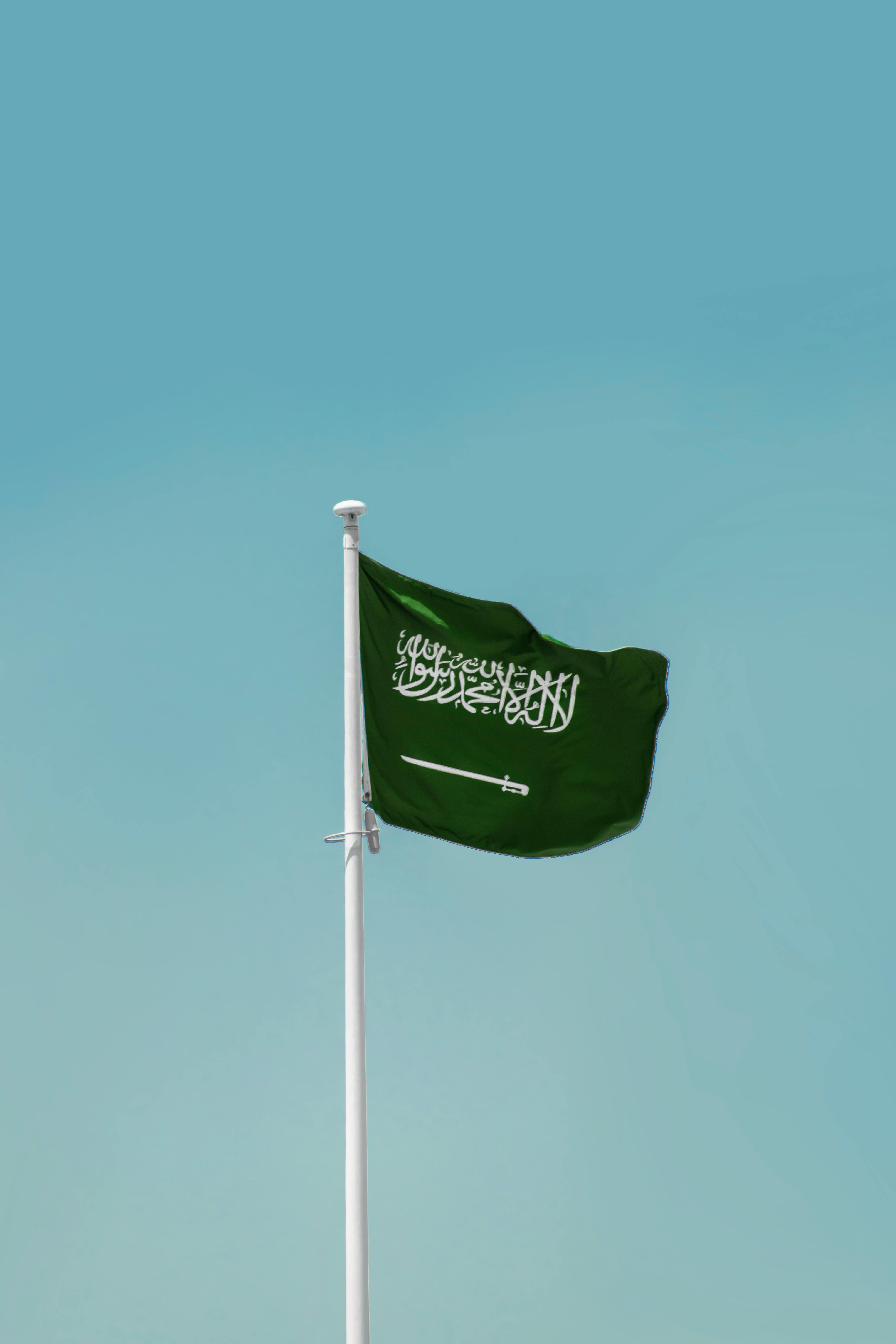
Saudi Arabia vs Dubai in 2026: how they compare on cost, culture, attractions and crowds - and which destination is right for your trip.
Key Takeaways
- Saudi Arabia offers deeper cultural immersion and heritage sites — Dubai is more polished and commercial
- Saudi is 30-40% cheaper than Dubai for hotels, dining, and activities at comparable quality levels
- AlUla, Diriyah, and Al-Balad have no equivalent in Dubai — Saudi wins on archaeological heritage
- Dubai has more nightlife, alcohol-serving venues, and beach clubs — Saudi is more conservative
- For a first Middle East trip: Dubai is easier. For cultural depth and adventure: Saudi Arabia wins
Two Giants of Arabian Tourism
Dubai has dominated Middle East tourism for two decades, but Saudi Arabia — with 25 times the land area and a civilisational heritage stretching back millennia — is rapidly emerging as the region's most compelling destination. This is not a comparison between equals in scale; Dubai is a single city-emirate, while Saudi Arabia is a continental-sized country with coastlines on two seas, five UNESCO World Heritage Sites, and landscapes ranging from volcanic lava fields to turquoise coral reefs. Yet for many travellers planning a first trip to the Arabian Peninsula, the question persists: Dubai or Saudi Arabia?
Cost Comparison
Saudi Arabia wins on value. Dubai's tourism infrastructure is mature and priced accordingly — hotel rates in prime areas (Downtown, Palm Jumeirah, JBR) average 800-1,500 SAR per night, and dining at notable restaurants routinely exceeds 300 SAR per person. Saudi Arabia offers significantly more competitive pricing across the board. Four-star hotels in Riyadh or Jeddah range from 400-900 SAR per night. A full traditional meal — Kabsa, grilled meats, fresh bread — costs 40-80 SAR at excellent local restaurants. Domestic flights between Saudi cities start at 150 SAR one-way, making multi-city itineraries affordable.
Dubai's advantage is predictability: pricing is transparent, tourist-oriented, and digitally accessible. Saudi Arabia rewards the slightly more adventurous traveller with dramatically lower costs for equivalent or superior experiences. A week-long trip to Saudi Arabia covering three cities typically costs 30-40% less than a comparable Dubai stay at the same quality tier.
Attractions
Dubai excels at engineered superlatives — the Burj Khalifa (world's tallest building), the Dubai Mall (one of the world's largest), indoor ski slopes in the desert, underwater hotels, and a constantly expanding portfolio of theme parks and entertainment complexes. These are genuinely impressive but fundamentally commercial experiences designed for consumption rather than discovery.
Saudi Arabia offers something Dubai cannot: depth and diversity. The 2,000-year-old Nabataean tombs of AlUla rival Petra in grandeur and far surpass anything in Dubai's historical portfolio. The Edge of the World escarpment outside Riyadh delivers geological drama no skyscraper can match. The coral reefs of the Red Sea are among the world's least dived and most pristine — marine biologists estimate that less than 5% of Saudi Red Sea dive sites have been regularly visited. The historic Al-Balad district in Jeddah, the mountain villages of Asir with their painted facades, the vast Empty Quarter desert — Saudi Arabia offers a lifetime of exploration across radically different landscapes that Dubai's 4,114 square kilometres simply cannot replicate.
Culture
Dubai is cosmopolitan but culturally thin — over 85% of its population are expatriates, and Emirati culture, while present in museums and heritage villages, is not the dominant daily experience for visitors. The city feels international rather than distinctly Emirati. Shopping malls, brunches, and beach clubs form the core of the Dubai lifestyle experience.
Saudi Arabia offers immersive cultural depth. The coffee ceremony — cardamom-spiced qahwa served with dates in a majlis setting — is a daily ritual, not a tourist performance. The call to prayer shapes the rhythm of every day. Traditional souks operate as they have for centuries, selling oud, spices, and handcrafted goods. Bedouin hospitality is omnipresent and generous with visitors in a way that feels personal rather than transactional. For travellers seeking authentic cultural exchange rather than a globalised resort experience, Saudi Arabia is incomparably richer.
Weather
Both destinations share brutal summers (June-August), with temperatures exceeding 45°C and outdoor activities becoming impractical during midday hours. The optimal visiting window is October to April for both. Dubai's weather during this period is consistently warm and sunny — ideal for beach activities and outdoor dining.
Saudi Arabia's advantage is altitude diversity: the Asir highlands around Abha remain cool year-round (15-25°C even in summer), offering an escape that Dubai simply cannot provide. Winter in AlUla and Riyadh brings crisp, pleasant days with temperatures of 15-25°C, ideal for outdoor exploration and desert activities. For year-round beach access, both destinations deliver — but Saudi Arabia's Red Sea coast is dramatically less crowded than Dubai's Jumeirah and Palm beaches.
Visa Ease
Effectively equal. Saudi Arabia's tourist e-Visa is available to citizens of 66 countries, costs SAR 535, and is processed online in minutes — valid for one year with multiple entries, with stays of up to 90 days each. Dubai offers visa-on-arrival or e-Visa to a similar range of nationalities, typically free or at nominal cost for most Western and Asian passport holders. Neither destination presents a meaningful visa barrier for most international travellers. The marginal cost difference is negligible relative to overall trip budgets.
Safety
Both destinations are exceptionally safe. Saudi Arabia consistently ranks among the safest countries globally for violent crime. Petty crime is rare. Women travelling solo report feeling safe across major cities and tourist areas. Dubai has a similar safety profile — both destinations benefit from well-funded security infrastructure and strict legal enforcement.
The key difference is in social norms. Saudi Arabia's social norms around dress and public behaviour are more conservative, though the pace of social liberalisation since 2019 has been remarkable — cinemas, concerts, mixed-gender dining, and entertainment venues are now commonplace in all major cities. Dubai is more socially liberal, with alcohol widely available and a more relaxed dress code in tourist areas. Both destinations are safe; the choice is between social liberalism (Dubai) and cultural authenticity (Saudi Arabia).
Food
Dubai offers extraordinary international dining — virtually every global cuisine is represented at a high level, from Nobu to local Emirati restaurants in Al Fahidi. The Friday brunch is a Dubai institution, with all-inclusive dining packages at luxury hotels running 300-600 SAR. The city's food scene is impressive but predominantly imported — most restaurants serve cuisines from elsewhere.
Saudi Arabia offers something different: a deep, indigenous food culture. Kabsa, Jareesh, Mutabbaq, Saleeg, Hanith — Saudi cuisine is rich, varied by region, and largely unknown outside the Kingdom. The street food scene in Jeddah's Al-Balad, the fish markets, and the traditional restaurants of Riyadh offer culinary experiences that feel genuinely discovered rather than curated for tourists. The regional diversity is remarkable: Hejazi cooking in the west, Najdi cuisine in central Saudi, Southern Asiri food in the highlands, and Eastern Province seafood traditions each represent distinct culinary identities. For more, see our Food and Cuisine guide.
Nightlife and Entertainment
Dubai's nightlife is its strongest card against Saudi Arabia. The city has world-class bars, rooftop lounges, beach clubs with international DJs, and a thriving restaurant scene that stays open late. Alcohol is widely available in licensed venues. The Dubai social scene is genuinely cosmopolitan and well-developed.
Saudi Arabia has no alcohol, but its entertainment offering has scaled with extraordinary speed. Riyadh Season alone draws over 10 million visitors with international headliners, immersive themed zones, motorsport events, and culinary festivals spanning four months. Jeddah hosts Formula E, international boxing events, and seasonal festivals along the Corniche. AlUla's Maraya concert hall hosts performances in a mirrored building reflecting the desert landscape. The Boulevard in Riyadh operates as a year-round entertainment district with restaurants and venues open until 2:00 AM. For alcohol-centric nightlife, Dubai wins. For sheer scale and variety of entertainment programming, Saudi Arabia now competes at a level that surprises most first-time visitors.
Transportation and Getting Around
Dubai has excellent public transit — the Metro, tram, and bus systems cover major tourist areas efficiently. Taxis and ride-hailing (Uber, Careem) are ubiquitous. The city is compact enough that most attractions are reachable within 30-45 minutes. The downside: Sheikh Zayed Road traffic during peak hours can be severe.
Saudi Arabia's continental scale requires a different approach. Domestic flights connect 25+ cities at competitive prices (from 150 SAR). Within cities, Uber and Careem are reliable and affordable. Riyadh's new metro system is expanding access across the capital. The Haramain High-Speed Railway connects Jeddah to Medina at 300 km/h. Road trips between destinations pass through dramatic landscapes — the drive from Jeddah to AlUla through the Hejaz mountains is a destination experience in itself. Saudi Arabia requires more transport planning than Dubai, but the reward is access to a vastly larger and more varied territory.
Solo and Female Travel
Dubai is well-established as a solo-friendly destination with a large expatriate community, international social scene, and tourist infrastructure designed for independent visitors. Female solo travellers feel comfortable throughout the city, and the social atmosphere is cosmopolitan and relaxed.
Saudi Arabia has made significant progress since 2019. Women travel independently, drive, and access all tourist facilities and entertainment venues. Major cities feel modern and welcoming. The key difference is social atmosphere: Dubai feels international and familiar to Western travellers; Saudi Arabia feels distinctly Saudi, which is both its challenge and its appeal. For travellers seeking comfort and familiarity, Dubai is easier. For those seeking genuine cultural immersion and willing to adapt to local norms, Saudi Arabia offers a richer and more memorable experience.
When to Choose Saudi Arabia
Choose Saudi Arabia if you want cultural depth over commercial polish, if you prefer landscapes shaped by geology and history over architectural spectacle, if you value authenticity over convenience, and if you want to explore a destination that still feels like a frontier rather than a finished product. Dubai is a brilliant city break — efficient, glamorous, and reliably entertaining for a long weekend. Saudi Arabia is a country that can fill weeks of travel and years of return visits, with experiences ranging from 2,000-year-old tombs to untouched coral reefs to desert stargazing under some of the clearest skies on Earth. For the curious, adventurous traveller, the choice is increasingly clear.
Decided on Saudi?
If the frontier appeals more than the finished product, start with the Trip Planner — it turns your dates and interests into a day-by-day route. Compare where to stay in Riyadh, Jeddah and AlUla in our hotel guide.
The Rest of the Comparison Series
Frequently Asked Questions
- Is Saudi Arabia or Dubai better to visit in 2026?
- It depends on your interests. Saudi Arabia offers authentic Islamic heritage and natural wonders like AlUla at lower cost. Note that Makkah and Madinah are pilgrimage cities: Makkah is closed to non-Muslims entirely, and in Madinah the Haram zone is closed while the rest of the city is open. Dubai excels in luxury shopping, modern architecture, and beaches, though significantly more expensive and commercialized.
- Which is cheaper: Saudi Arabia or Dubai?
- Saudi Arabia is generally much cheaper than Dubai. Accommodation, dining, and activities cost significantly less, especially in smaller cities. Dubai luxury-focused tourism means prices are often 50-100% higher for comparable services.
- Can non-Muslims visit Makkah and Medina in Saudi Arabia?
- Non-Muslims are strictly prohibited from entering Makkah and parts of Medina sacred zones. However, non-Muslims can visit Medina outer areas and numerous other Islamic heritage sites throughout Saudi Arabia. Plan your itinerary to respect these restrictions.
- What is the best time to visit Saudi Arabia vs Dubai?
- Saudi Arabia is best visited October-April when temperatures are cooler (15-25C). Dubai can be visited year-round due to air conditioning. Avoid Saudi Arabia summer (June-August) when temperatures exceed 50C, making outdoor activities impossible.