Saudi Arabia vs Oman: Which Should You Visit in 2026?
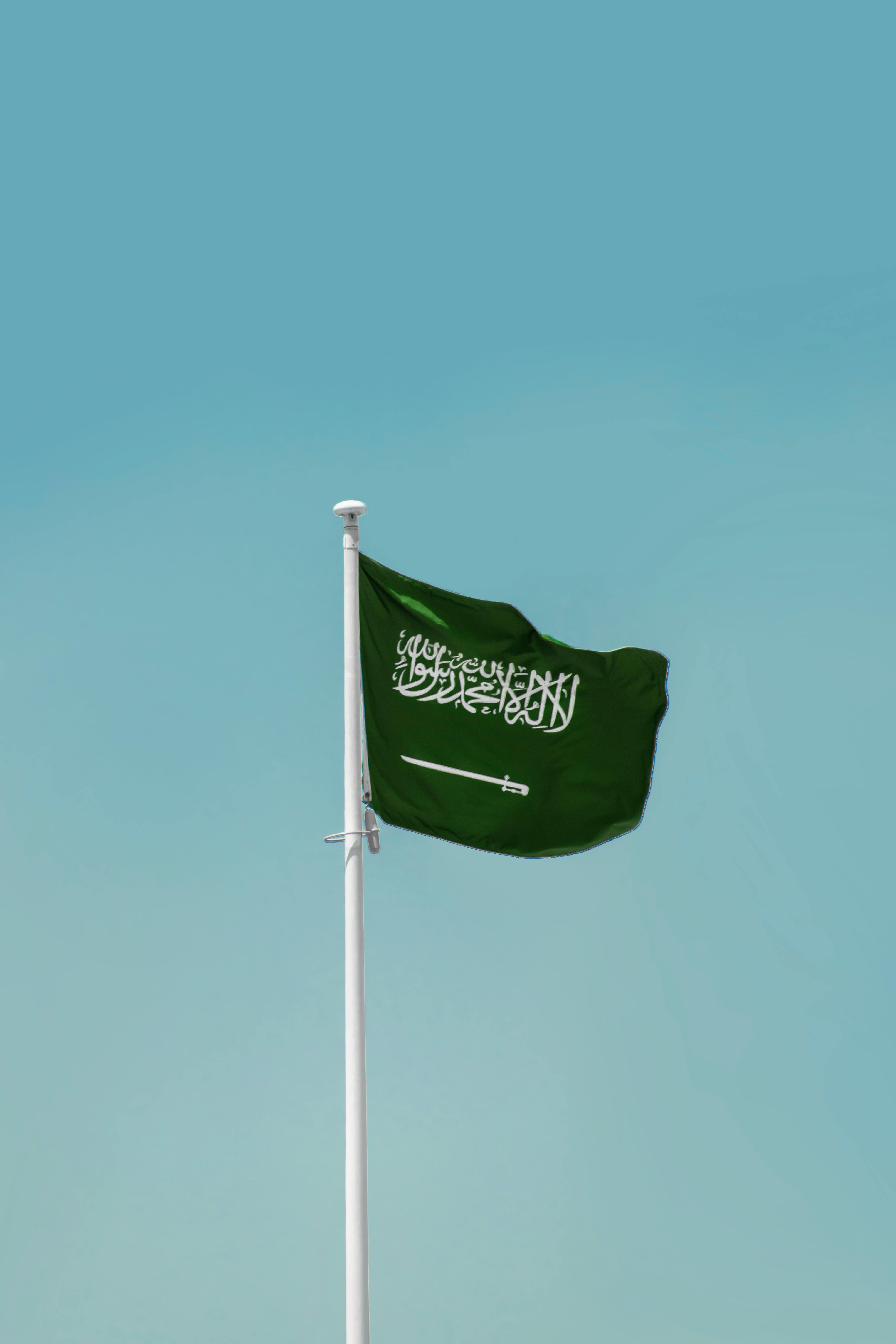
Saudi Arabia vs Oman — comparing cost, attractions, culture, weather, visa ease, safety, and food for your 2026 Arabian Peninsula trip.
Key Takeaways
- Oman is more relaxed and accessible for first-time Middle East visitors — Saudi requires more planning
- Saudi Arabia dwarfs Oman in scale with more diverse landscapes from mountains to desert to coast
- Oman Musandam fjords and Wahiba Sands are beautiful but Saudi has the Empty Quarter and AlUla
- Both countries have excellent safety records and welcoming hospitality cultures
- Oman allows alcohol in licensed hotels — Saudi is completely dry — factor this into your preference
The Gulf's Two Most Authentic Destinations
Among the six Gulf states, Saudi Arabia and Oman stand apart for offering the most culturally authentic travel experiences. While the UAE, Qatar, Bahrain, and Kuwait have pursued globalised, commerce-driven identities, both Saudi Arabia and Oman have preserved deep connections to their Bedouin, maritime, and Islamic heritage. Choosing between them depends on whether you prefer intimate scale or continental ambition.
Cost Comparison
Costs are broadly similar. Mid-range hotels in Muscat and Riyadh fall in the 400-900 SAR range. Dining costs are comparable, with local restaurants in both countries offering excellent meals for 40-80 SAR. Saudi Arabia's advantage is domestic flight connectivity — cheap flights link dozens of cities starting from 150 SAR one-way, while Oman's smaller size means most itineraries are road-based. Fuel in both countries is inexpensive, making road trips economical.
Where the gap widens is at the luxury tier. Saudi Arabia's new resort developments — particularly in AlUla and along the Red Sea coast — offer five-star experiences at prices often 30-40% below comparable properties in Oman's high-end resorts like the Alila Jabal Akhdar or Six Senses Zighy Bay. Oman's premium properties benefit from established reputation; Saudi Arabia's compete on novelty and scale. Budget travellers will find both countries affordable, though Oman's smaller geography means fewer domestic flight costs.
Attractions
Oman's highlights are concentrated and spectacular: the dramatic fjords of Musandam, the Wahiba Sands desert, the ancient forts of Nizwa and Jabrin, and the turquoise wadis (Wadi Shab, Wadi Bani Khalid). Saudi Arabia offers far greater diversity at a larger scale: AlUla's Nabataean tombs, the Red Sea coral reefs, the Asir mountain villages, the modern megaprojects of NEOM, and the urban energy of Riyadh and Jeddah. Oman is a week-long journey; Saudi Arabia can fill a month.
The key distinction is archaeological depth. Oman's historical sites are primarily Islamic-era forts and trading posts — impressive but relatively recent. Saudi Arabia's heritage extends to the Nabataean civilisation at Hegra (2,000+ years old), pre-Islamic rock art at Ha'il, and Neolithic sites in the Empty Quarter. For travellers drawn to ancient civilisations rather than medieval architecture, Saudi Arabia offers a fundamentally deeper timeline.
Culture
Both countries offer genuine, unhurried hospitality. Omani culture is famously gentle and welcoming — the country has cultivated a reputation for tolerance and quiet dignity under the late Sultan Qaboos. Saudi culture is more intense and complex: the coffee ceremony, the vibrant festival calendar (Janadriyah, Riyadh Season, AlUla's Winter at Tantora), and the visible tension between deep conservatism and rapid modernisation create a more dynamic cultural experience.
Travellers seeking serenity may prefer Oman; those seeking cultural energy will find Saudi Arabia more stimulating. Saudi Arabia's entertainment scene has exploded since 2019 — international concerts, film festivals, Formula E racing, and immersive cultural events now run year-round in Riyadh and Jeddah. Oman's cultural offerings remain quieter and more traditional, centred on craft markets, dhow-building yards, and frankincense heritage in Salalah.
Weather
Both share the October-to-April sweet spot for comfortable travel. Oman's Salalah region offers a unique khareef (monsoon) season from June to September, when the otherwise arid landscape turns lush green — a phenomenon without parallel in Saudi Arabia and a compelling reason to visit Oman in summer when the rest of the Gulf is scorching.
Saudi Arabia counters with its highland cool zones around Abha and Taif, which remain comfortable through much of the year at elevations above 2,000 metres. Temperatures in Abha rarely exceed 30°C even in summer, making it one of the few year-round destinations in the Arabian Peninsula. For Red Sea coastal activities, Saudi Arabia offers year-round warm water with consistently better diving visibility than Oman's Indian Ocean coast.
Visa Ease
Both countries run efficient e-Visa systems; Saudi Arabia's covers citizens of 66 countries. Oman's visa costs approximately 75 SAR (20 OMR) for a 30-day stay. Saudi Arabia's e-Visa at 535 SAR is pricier but offers a full year of multiple entries — better value for repeat visitors or longer stays. Both processes are entirely online and typically approved within minutes.
Safety
Both are among the safest travel destinations in the world. Crime rates are negligible in both countries, and solo travellers — including women — consistently report feeling secure. Oman has a slight edge in social liberalism: alcohol is available in licensed hotels, and dress codes are marginally more relaxed. Saudi Arabia has loosened considerably since 2019 but remains more conservative in public social norms. Neither country presents any meaningful safety concern for tourists — petty crime, scams, and aggressive touts are virtually absent in both.
Food
Omani cuisine — shuwa (slow-roasted lamb buried in an underground pit for up to 48 hours), halwa (a saffron-cardamom confection), and seafood — is delicious but limited in variety. Saudi Arabia offers a far broader culinary landscape: Hejazi, Najdi, Southern, and Eastern regional cuisines each have distinct identities. Jeddah's food scene alone encompasses traditional fish markets, refined Hijazi restaurants, and a growing wave of contemporary Saudi chefs reinterpreting traditional dishes.
The regional diversity is Saudi Arabia's trump card here. Kabsa varies from province to province. Southern Asiri cuisine features honey-glazed flatbreads and herb-infused ghee entirely different from the spice-heavy Hejazi cooking of the west coast. See our Food and Cuisine guide for a deeper exploration.
Nightlife and Entertainment
Oman offers limited nightlife, primarily in hotel bars and lounges in Muscat where alcohol is served. The atmosphere is relaxed and low-key — sunset drinks at a Musandam resort or a quiet evening in a Nizwa courtyard represent the typical Omani evening experience.
Saudi Arabia has no alcohol, but its entertainment scene has transformed dramatically. Riyadh Season (October-March) is now one of the largest entertainment festivals in the Middle East, featuring international musicians, immersive themed zones, pop-up restaurants, and events drawing millions of visitors. Jeddah Season offers a coastal equivalent with concerts, art festivals, and waterfront events. The Boulevard in Riyadh operates as a year-round entertainment district with restaurants open until 2:00 AM. For travellers who equate nightlife with alcohol, Oman wins. For those seeking large-scale entertainment and cultural events, Saudi Arabia is in a different league.
Transportation and Getting Around
Oman is compact enough for a single road trip. A week-long circuit from Muscat through Nizwa, the Wahiba Sands, Sur, and back covers the country's main highlights in approximately 1,500 km of well-maintained highways. Car rental is the primary transport mode — public transport is minimal.
Saudi Arabia's scale demands domestic flights. Saudia, flynas, and flyadeal connect over 25 cities, with fares starting at 150 SAR one-way. A comprehensive Saudi trip typically combines 2-3 flights with regional road trips. The new Haramain High-Speed Railway connects Jeddah to Medina via Makkah in under two hours. Uber and Careem operate reliably in all major Saudi cities. Oman's ride-hailing is less developed outside Muscat.
Solo and Female Travel
Both countries are excellent for solo travellers. Oman's reputation as a gentle, welcoming destination is well-earned — solo female travellers consistently rate it among the safest and most comfortable countries in the region. The social atmosphere is relaxed, interactions are respectful, and the tourist infrastructure caters well to independent travellers.
Saudi Arabia has rapidly improved for solo and female travellers since 2019. Women can travel independently, drive, and book hotels without a male guardian. Major cities like Riyadh and Jeddah feel modern and cosmopolitan. Rural and traditional areas are more conservative but remain safe and welcoming. The key difference is that Saudi Arabia's social norms require more cultural awareness — modest dress is expected in public (though not at private beach clubs), and prayer-time closures affect daily scheduling.
Suggested Saudi Arabia Itinerary
For travellers choosing Saudi Arabia over Oman, this 7-day route captures the country's diversity:
- Days 1-2: Riyadh — Diriyah UNESCO site, Edge of the World, Kingdom Centre, traditional souks
- Days 3-4: AlUla — Hegra tombs, Elephant Rock, Old Town, desert dining
- Days 5-7: Jeddah — Al-Balad heritage district, Red Sea diving, Corniche, fish market
This route covers ancient archaeology, desert wilderness, urban culture, and coastal experiences — a breadth that would require visiting multiple countries to replicate elsewhere in the Gulf.
Combining Both Destinations
For travellers with two weeks or more, combining Saudi Arabia and Oman is an exceptional itinerary. Fly into Riyadh, explore AlUla and Jeddah, then connect via a direct flight from Jeddah to Muscat. From Muscat, a road trip through Nizwa, the Wahiba Sands, and Wadi Shab covers Oman's highlights in 5-7 days. This combination delivers the archaeological depth and diversity of Saudi Arabia alongside Oman's intimate, fjord-and-wadi landscapes — the best of both Gulf worlds in a single trip.
When to Choose Saudi Arabia
Choose Saudi Arabia if you want scale, diversity, and cultural dynamism. Oman is perfect for a focused, gentle Gulf escape — a country you can absorb in a week with a rental car and a relaxed pace. But Saudi Arabia offers an entire world within its borders: ancient ruins, coral reefs, mountain villages, mega-cities, and a society in the midst of the most dramatic social transformation in the modern Middle East. For travellers who want to witness history being made while exploring landscapes that range from Nabataean tombs to untouched dive sites, Saudi Arabia is the clear choice.
Choosing Saudi for the Bigger Canvas?
Ruins, reefs, mountain villages and mega-cities take planning to fit together — the Trip Planner does that around your dates. Find where to stay at each stop in our hotel guide.
The Rest of the Comparison Series
Frequently Asked Questions
- Should I visit Saudi Arabia or Oman in 2026?
- Saudi Arabia offers Islamic heritage (Makkah and Madinah — pilgrimage cities; Makkah is closed to non-Muslims entirely), modern Vision 2030 projects, and dramatic desert landscapes open to everyone. Oman features pristine beaches, coastal cities (Muscat), mountain scenery (Hajar), and traditional culture. Choose based on your interest in heritage vs. coastal beauty.
- Which destination is more authentic: Saudi Arabia or Oman?
- Both maintain strong traditional cultures. Oman is often more accessible for tourists while preserving authenticity. Saudi Arabia modernization is exciting. Both offer genuine cultural experiences if you travel beyond main cities.
- How much does it cost to visit Saudi Arabia vs Oman?
- Both have similar mid-range costs. Saudi Arabia developing tourism infrastructure offers better accommodation value. Oman coastal resorts may be pricier. Budget travel is feasible in both; costs are comparable.
- What is the best time to visit Saudi Arabia and Oman?
- Both are best visited October-April to avoid extreme summer heat (40-50C+). Winter temperatures range 20-28C, ideal for outdoor activities. During Ramadan, restaurants close during daylight hours in both countries.