Saudi Arabia vs Egypt: Which Should You Visit in 2026?
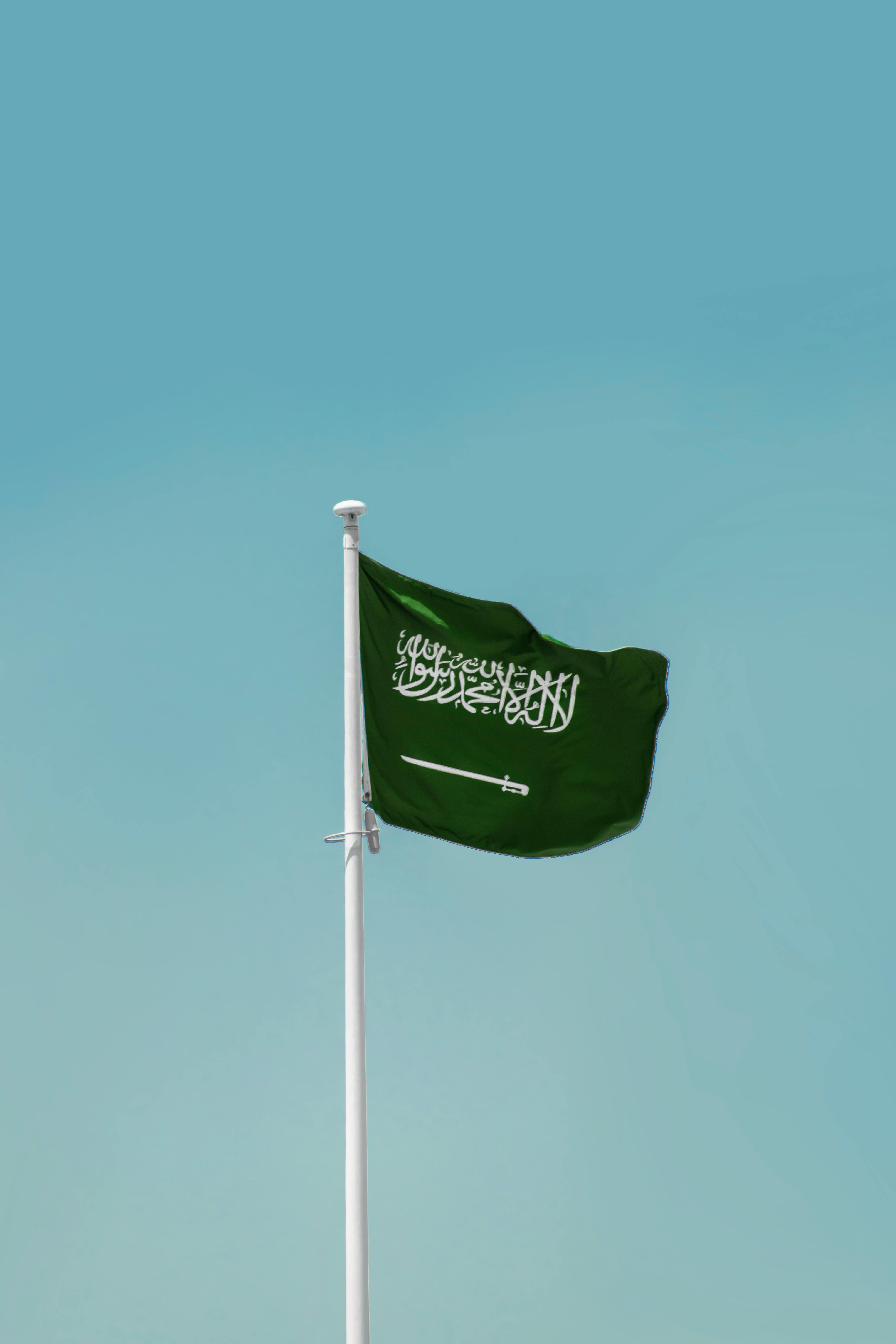
Saudi Arabia vs Egypt — comparing cost, attractions, culture, weather, visa ease, safety, and food to help you plan your 2026 Middle East trip.
Key Takeaways
- Egypt is significantly cheaper — budget travelers save 50-60% compared to Saudi Arabia
- Saudi Arabia has better infrastructure, newer hotels, and more reliable transport systems
- Egypt wins on ancient history (Pyramids, Luxor, Abu Simbel) — Saudi wins on modern development and desert adventure
- Saudi food quality and restaurant hygiene standards are consistently higher than Egypt
- Both require visas — Saudi e-Visa is more expensive (SAR 535, about USD 143) but includes mandatory medical insurance; Egypt e-Visa is USD 25
Ancient Civilisations, Modern Choices
Egypt and Saudi Arabia share borders, coastlines on the Red Sea, and histories that stretch back thousands of years. Egypt has long been the default choice for travellers seeking ancient wonders, but Saudi Arabia's archaeological revelations — particularly the Nabataean tombs of AlUla and the pre-Islamic rock art of Ha'il — are rewriting the map of ancient Arabian civilisation. Both countries offer extraordinary value, but the experiences they deliver are fundamentally different.
Cost Comparison
Egypt is cheaper overall, particularly for budget travellers. Hotel rooms, street food, and transport in Egypt cost roughly 40-60% less than Saudi Arabia. A comfortable mid-range day in Cairo costs approximately 300-500 SAR, while the equivalent in Riyadh runs 500-800 SAR. A traditional koshari meal in Cairo costs 10-20 SAR; a comparable kabsa meal in Riyadh costs 30-50 SAR.
However, Saudi Arabia's pricing is more predictable — Egypt's informal tipping culture (baksheesh), negotiation-based pricing at tourist sites, and the constant presence of touts and unofficial guides can add hidden costs that are frustrating for budget-conscious travellers. Saudi Arabia's infrastructure is also newer and more reliable: roads, airports, and hotels are generally of a higher standard. Uber in Saudi Arabia works exactly as expected; in Egypt, driver negotiation and route disputes are common. At the luxury tier, Saudi Arabia's new resort properties offer exceptional value compared to Egypt's legacy five-star hotels, many of which are aging.
Attractions
Egypt's Pyramids of Giza, Luxor's Valley of the Kings, and Abu Simbel are iconic, bucket-list monuments with few equals anywhere on Earth. The sheer scale of pharaonic architecture — the Great Pyramid alone contains an estimated 2.3 million stone blocks — is genuinely humbling. No Saudi site can replicate that specific experience.
Saudi Arabia counters with diversity of experience: the Hegra tombs at AlUla (Saudi's first UNESCO World Heritage Site, with 111 Nabataean-carved facades), the coral-stone architecture of Jeddah's Al-Balad district (another UNESCO site), the Edge of the World escarpment near Riyadh, pristine Red Sea diving sites that remain virtually unvisited, the mountain villages of Asir with their distinctive painted facades, and the futuristic NEOM developments reshaping the northwest coast. Egypt is deeper in pure antiquity; Saudi Arabia is broader in the range of experiences available within a single trip.
Culture
Both nations offer rich, living cultures. Egypt's culture is more outwardly expressive — the bustling chaos of Cairo, the Nile felucca rides at sunset, the shisha cafes where conversations run late into the night. Egyptian hospitality is warm and spontaneous, though it can be transactional in tourist areas where visitors are seen as customers first.
Saudi culture is more measured and intimate — the coffee ceremony, the desert majlis (sitting area), the call to prayer structuring daily life. Saudi Arabia's cultural opening since 2019 has created a fascinating tension between deep tradition and rapid modernisation that makes it an exceptionally interesting time to visit. The Kingdom's entertainment festivals, contemporary art galleries, and culinary renaissance are all products of the last five years — you are witnessing a cultural transformation in real time rather than visiting a static destination.
Weather
Both countries are best visited October to April. Egyptian summers are hot but slightly more moderate along the Mediterranean coast (Alexandria, the North Coast). Cairo's summer temperatures reach 35-40°C with high humidity; Riyadh reaches 45°C+ but with dry heat that many travellers find more manageable.
Saudi Arabia's highlands around Abha offer genuinely cool temperatures even in summer — daytime highs of 25-30°C at 2,200 metres elevation. Egypt has no comparable highland escape. For Red Sea diving and beach holidays, both coasts offer warm, clear conditions year-round, with Saudi Arabia's coast significantly less developed and less crowded than Egypt's heavily commercialised Hurghada and Sharm el-Sheikh resort strips.
Visa Ease
Both offer straightforward e-Visa systems. Egypt's e-Visa costs approximately 95 SAR (25 USD) for most nationalities, making it one of the cheapest visa processes in the region. Saudi Arabia's tourist e-Visa costs approximately 535 SAR but is valid for a full year with multiple entries, offering better long-term value for repeat visitors or travellers planning an extended stay. Both processes are entirely online and typically approved within hours.
Safety
Saudi Arabia is significantly safer for tourists than Egypt by most security metrics. Petty crime, scams, and aggressive touts — common frustrations in Egyptian tourist areas like Giza, Luxor, and Khan el-Khalili — are virtually absent in Saudi Arabia. The persistent hassle of unofficial guides, camel-ride operators, and souvenir sellers at Egyptian monuments is an experience that Saudi Arabia's managed tourism sites have deliberately avoided.
Women travelling solo will generally find Saudi Arabia more comfortable, despite its conservative reputation, due to the low crime rate and respectful social norms. In Egypt, verbal street harassment directed at female tourists remains a widely reported issue, particularly in Cairo and tourist areas. Saudi Arabia's strict social order produces a different trade-off: less personal freedom in terms of dress codes and alcohol, but substantially less harassment and crime.
Food
Egyptian cuisine — koshari (lentils, pasta, and rice with spiced tomato sauce), ful medames (stewed fava beans), ta'ameya (Egyptian falafel made from fava beans rather than chickpeas) — is beloved and incredibly affordable. Street food in Cairo is a genuine highlight, with full meals available for 10-20 SAR.
Saudi cuisine is less internationally known but equally rewarding: Kabsa (spiced rice with slow-cooked meat), Saleeg (creamy milk-rice from the Hejaz), and Jareesh (crushed wheat porridge) offer deep, spiced flavours that vary significantly by region. Jeddah's seafood scene rivals any coastal city in the region, and the emerging fine-dining scene in Riyadh is producing restaurants that compete on a global level. Both countries pair meals with strong traditions of hospitality and communal dining. Explore Saudi's culinary traditions here.
Nightlife and Entertainment
Egypt has a well-established nightlife scene, particularly in Cairo's Zamalek and Maadi districts, the Red Sea resorts, and Alexandria's waterfront. Bars, clubs, and shisha lounges operate freely, and alcohol is widely available. The Nile dinner cruise is a classic Egyptian evening experience.
Saudi Arabia has no alcohol, but its entertainment industry has developed at extraordinary speed since 2019. Riyadh Season is now one of the largest entertainment festivals globally, featuring international headliners, themed entertainment zones, motorsport, and culinary events. The scale is difficult to overstate — millions of visitors attend over a four-month period. Jeddah Season, AlUla's cultural programming, and year-round live events across the Kingdom mean Saudi Arabia now offers more organised entertainment than Egypt, even without alcohol.
Transportation and Getting Around
Egypt's transport infrastructure is a mix of excellent (the new Grand Egyptian Museum, Cairo Metro) and challenging (long-distance road conditions, unreliable domestic flights). The classic Nile cruise between Luxor and Aswan remains one of the world's great travel experiences. Domestic trains connect Cairo to Alexandria and Upper Egypt at low cost.
Saudi Arabia's transport infrastructure is consistently modern. Domestic flights are frequent, affordable (from 150 SAR), and reliable. Highways between cities are excellent. Uber and Careem operate smoothly in all major cities. The Haramain High-Speed Railway connects Jeddah to Medina. The overall transport experience in Saudi Arabia is more predictable and less stressful than in Egypt, where navigation through Cairo traffic alone can consume hours of a travel day.
Solo and Female Travel
Egypt is a popular solo travel destination with established backpacker infrastructure — hostels, group tours, and a well-worn tourist trail from Cairo to Aswan. However, female solo travellers frequently report challenges including verbal harassment, unwanted attention, and the need for constant vigilance in public spaces.
Saudi Arabia is newer to solo tourism but offers a notably safer environment for all travellers, including women. Women travel independently, drive, and check into hotels without restriction. The social atmosphere in major cities is respectful and modern. The main adjustment is cultural: modest dress is expected, shops close during prayer times, and the social pace differs from Egypt's more chaotic energy. For female solo travellers prioritising safety and comfort over nightlife and social scene, Saudi Arabia is increasingly the preferred choice.
Combining Both Destinations
For travellers with two or more weeks, Egypt and Saudi Arabia complement each other exceptionally well. A combined itinerary might start with Cairo's Pyramids and the Egyptian Museum (3 days), fly to Luxor for the Valley of the Kings and a Nile cruise to Aswan (4 days), then cross to Saudi Arabia via a direct flight from Cairo to Riyadh or Jeddah. In Saudi Arabia, cover Riyadh's heritage sites, AlUla's Nabataean tombs, and Jeddah's Red Sea coast over 5-7 days. This combination delivers pharaonic history, Nabataean archaeology, modern Saudi culture, and Red Sea marine experiences — a range of civilisational and natural encounters that no single-country trip can match. Direct flights between Cairo and Riyadh operate multiple times daily from approximately 500 SAR one-way.
When to Choose Saudi Arabia
Choose Saudi Arabia if you want modern infrastructure with ancient wonders, if you prefer exploring a destination before the tourist crowds arrive, if safety and comfort are priorities, and if you want to combine archaeological sites, beaches, mountains, and desert landscapes in a single trip. Egypt remains unmatched for pure pharaonic history — the Pyramids and the Valley of the Kings are once-in-a-lifetime experiences. But Saudi Arabia offers a broader, more comfortable, and more surprising travel experience for 2026, with the added dimension of witnessing a society in the midst of historic change.
Ready to Plan the Saudi Version?
If you want ancient sites, beaches and mountains in one trip, the Trip Planner maps it into a realistic day-by-day route. Compare hotels at each stop in our hotel guide.
The Rest of the Comparison Series
Frequently Asked Questions
- Should I visit Saudi Arabia or Egypt in 2026?
- Choose Saudi Arabia for Vision 2030 modernization and landscapes (NEOM, AlUla — open to all visitors) or, if you are a Muslim pilgrim, for Makkah and Madinah; Makkah is closed to non-Muslims entirely, or Egypt for ancient Pharaonic history (pyramids, temples, Nile). Choose based on whether you prefer Islamic or ancient history.
- Is Saudi Arabia or Egypt more expensive?
- Egypt is generally cheaper for budget travelers with lower accommodation and food costs. However, Saudi Arabia offers better value for mid-range travelers due to higher-quality infrastructure. Luxury experiences are comparable in both.
- How safe are Saudi Arabia and Egypt for tourists?
- Saudi Arabia is considered very safe for tourists with strong security and law enforcement. Egypt safety varies by region; popular areas like Cairo, Luxor, and Giza are generally safe. Check current travel advisories from your government before booking.
- What is better for history: Saudi Arabia or Egypt?
- Egypt is unmatched for ancient Pharaonic history with pyramids, temples, and museums. Saudi Arabia excels in Islamic history and recent archaeological discoveries (AlUla, Mada in Saleh). Choose based on your preference.