Saudi Arabia vs Jordan: Which Should You Visit in 2026?
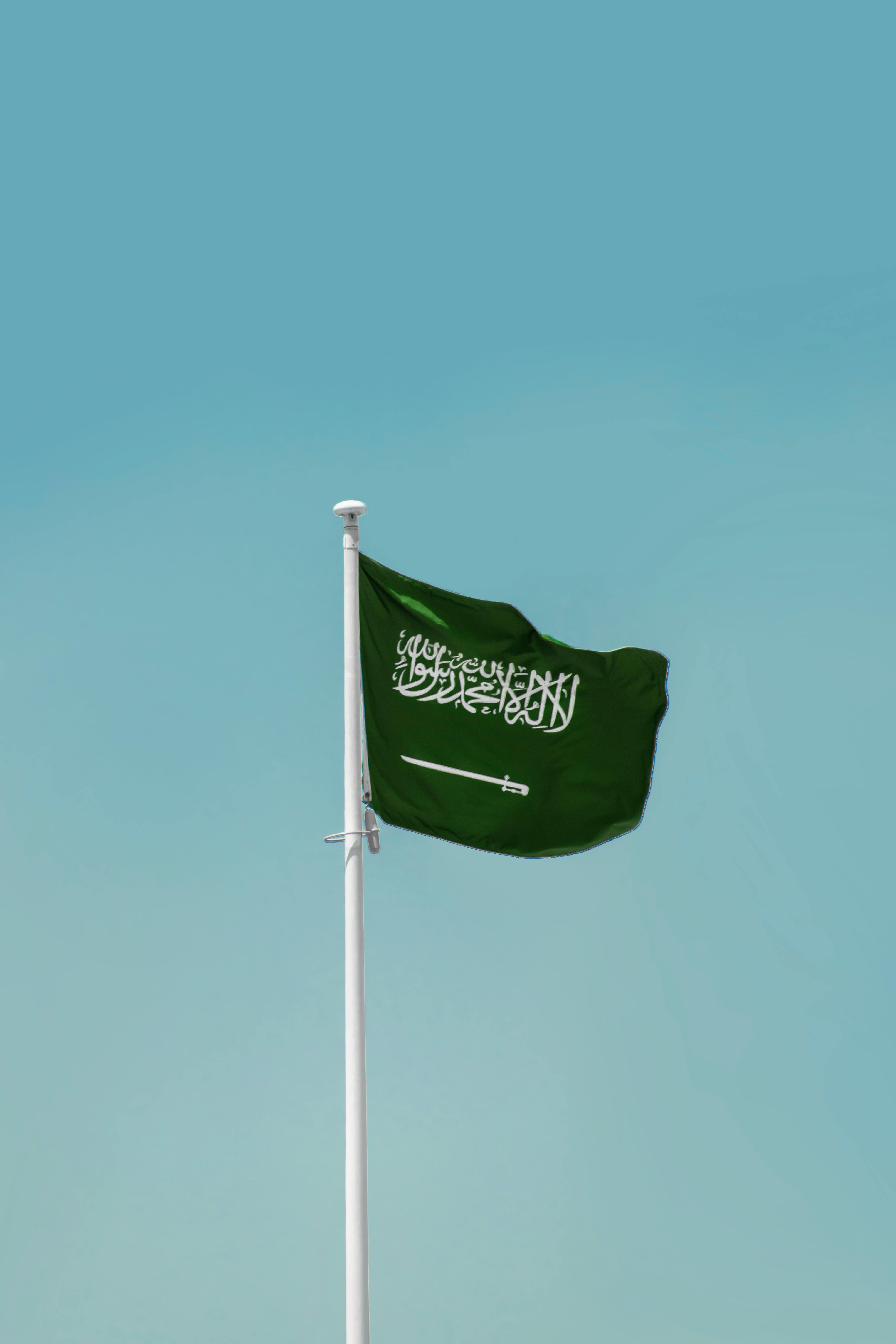
Saudi Arabia vs Jordan — comparing cost, attractions, culture, weather, visa ease, safety, and food for your 2026 Middle East trip.
Key Takeaways
- AlUla Hegra was built by the same Nabataeans who carved Petra — Saudi version is less crowded and better preserved
- Jordan is more compact and easier to cover in a week — Saudi Arabia is vast and requires domestic flights
- Wadi Rum in Jordan compares to Hisma Desert near Tabuk — similar red sandstone but different scale
- Jordan has more established tourist infrastructure and English signage — Saudi is catching up fast
- Cost is similar for mid-range travel — Jordan slightly cheaper on accommodation, Saudi cheaper on fuel
Neighbours with Shared Heritage
Saudi Arabia and Jordan share a 728-kilometre border, Nabataean archaeological heritage, and desert landscapes of staggering beauty. Jordan has been a tourism staple for decades, anchored by Petra and the Dead Sea. Saudi Arabia — with its own Nabataean city at Hegra (Mada'in Salih), vast Red Sea coastline, and rapidly developing tourism infrastructure — is now offering a compelling alternative or complement to a Jordan itinerary.
Cost Comparison
Jordan is slightly cheaper for budget travellers, but Saudi Arabia offers better value at the mid-range and luxury tiers. Jordan's tourism pricing has increased significantly in recent years — the Jordan Pass (which includes Petra entry) costs approximately 280 SAR (70 JOD). Hotels in Amman and Aqaba are comparable to Riyadh and Jeddah pricing. Where Saudi Arabia excels is in domestic transport: cheap flights connect far-flung destinations from 150 SAR one-way, while Jordan's limited size means most travel is by road or expensive taxi.
A day in Petra, including the Jordan Pass, lunch, and a guide, easily runs 400-600 SAR per person. A comparable day at Saudi Arabia's Hegra — including the Vintage Land Rover tour, lunch, and Elephant Rock — costs 200-400 SAR. Jordan's popularity has driven prices up; Saudi Arabia's tourism market is still pricing competitively to attract early visitors. Luxury-tier travellers will find Saudi Arabia's new resort properties (Habitas AlUla, Banyan Tree AlUla) comparable in quality to Jordan's best at similar or lower rates.
Attractions
Jordan's crown jewels — Petra, Wadi Rum, the Dead Sea — are genuinely world-class. Few archaeological sites on Earth match Petra's grandeur, and the experience of walking through the Siq to see the Treasury emerge from the canyon is justifiably iconic. However, Saudi Arabia's Hegra offers a remarkably similar Nabataean experience with a fraction of the crowds — while Petra receives over a million visitors annually, Hegra's carefully managed capacity keeps visit numbers far lower.
Beyond that comparison, Saudi Arabia simply has more: the Red Sea reefs, AlUla's elephant rock and Maraya concert hall, the Edge of the World escarpment near Riyadh, Jeddah's historic Al-Balad UNESCO site, the Asir highlands with mountain villages clinging to cliff faces, and the modern spectacle of Riyadh Season entertainment festivals. Jordan is a focused 7-day trip that covers its highlights efficiently; Saudi Arabia offers weeks of diverse exploration across dramatically different landscapes and cultures.
Culture
Jordanian culture is warm, hospitable, and relatively liberal by regional standards. Arabic coffee and mansaf (the national dish of lamb cooked in fermented yoghurt) are served with genuine generosity. The country's cosmopolitan capital, Amman, blends traditional neighbourhoods with modern cafes and galleries.
Saudi culture offers a deeper, more immersive experience: the elaborate coffee ceremony with cardamom-infused qahwa and dates, the rhythm of the five daily prayers structuring daily life, traditional souks operating as they have for centuries, and the palpable energy of a society undergoing rapid transformation. Jordan feels familiar to seasoned Middle East travellers; Saudi Arabia still feels like discovery. The cultural festivals in Saudi Arabia — from Riyadh Season's massive entertainment programme to AlUla's Winter at Tantora arts festival — have no equivalent in Jordan.
Weather
Jordan's Mediterranean-influenced climate makes Amman pleasant from March to November, with genuine winters including occasional snow. Saudi Arabia's best season is October to April for most regions, though the highlands around Abha and Taif remain mild year-round at elevations above 2,000 metres.
For Red Sea activities, both Aqaba (Jordan) and the Saudi coast offer year-round warm water — but Saudi Arabia's coastline is vastly longer, less developed, and more pristine. Jordan has approximately 27 km of Red Sea coast at Aqaba; Saudi Arabia has over 1,800 km. The diving and snorkelling opportunities along the Saudi Red Sea coast are correspondingly richer and more varied, with many sites rarely visited by recreational divers.
Visa Ease
Both offer simple e-Visa processes. Jordan's visa-on-arrival costs approximately 150 SAR (40 JOD), often waived with the Jordan Pass. Saudi Arabia's e-Visa at 535 SAR is more expensive but valid for a year with multiple entries — meaningful value for travellers planning return trips or extended stays. Both are hassle-free for most Western, Asian, and many African passport holders.
Safety
Both countries are very safe for tourists. Jordan's proximity to conflict zones (Syria, Iraq) occasionally raises concerns, though tourist areas remain entirely secure and have experienced no safety incidents. Saudi Arabia's internal security infrastructure is exceptionally robust, and crime affecting tourists is essentially non-existent. Both countries are safe for solo travellers, including women, though Saudi Arabia's public social norms are more conservative.
Jordan has an edge in casual social atmosphere — cafes and restaurants feel relaxed, and the social pace in Amman is cosmopolitan. Saudi Arabia's rapid social opening means the gap is closing, particularly in Riyadh and Jeddah where mixed-gender dining, entertainment, and public socialising are now normal parts of daily life.
Food
Jordanian cuisine — mansaf, maqluba (an upside-down rice and vegetable dish), knafeh (cheese pastry with sweet syrup) — is beloved and accessible. Street food in Amman and Aqaba is excellent and affordable at 10-30 SAR per meal.
Saudi cuisine is less known internationally but offers greater regional variety: Hejazi, Najdi, and Southern cooking traditions each bring distinct flavours. Jeddah's seafood scene and Riyadh's emerging fine dining culture add modern dimensions. The Al Baik fried chicken chain — a Saudi cultural institution — has no Jordanian equivalent in terms of cult following. For Saudi culinary exploration, see our Food and Cuisine guide.
Nightlife and Entertainment
Jordan has a modest but established nightlife scene. Amman's Rainbow Street and Abdoun district offer bars, live music venues, and rooftop lounges where alcohol is served. Aqaba's beachfront bars cater to both locals and tourists. The atmosphere is relaxed and sociable.
Saudi Arabia does not serve alcohol, but its entertainment offering has scaled dramatically since 2019. Riyadh Season alone draws over 10 million visitors with international concerts (from Beyoncé to BTS), immersive themed zones, motorsport events, and culinary festivals. Jeddah's Formula E racing, AlUla's desert concerts at Maraya, and year-round live entertainment across major cities mean that Saudi Arabia's entertainment calendar now dwarfs Jordan's. The trade-off is clear: alcohol availability versus entertainment scale.
Transportation and Getting Around
Jordan is compact. A rental car covers Amman to Petra (3 hours), Petra to Wadi Rum (1.5 hours), and Wadi Rum to Aqaba (1 hour) on good highways. Public transport exists but is unreliable for tourists — most independent travellers rent cars or hire private drivers.
Saudi Arabia requires a different approach due to its continental size. Domestic flights connect all major destinations efficiently and cheaply (from 150 SAR). A typical Saudi itinerary combines flights between Riyadh, AlUla, and Jeddah with regional road trips. Uber and Careem operate reliably in all Saudi cities. The Haramain High-Speed Railway connects Jeddah to Medina. For travellers who enjoy road trips, Saudi Arabia's highway network is excellent — the roads between cities are modern, well-maintained, and pass through dramatic landscapes.
Solo and Female Travel
Jordan is well-established as a solo-friendly destination. Female travellers report feeling comfortable throughout the country, and the tourism industry is experienced in hosting independent visitors. Hostels, group tours, and travel communities are well-developed.
Saudi Arabia has made rapid progress since opening to tourism in 2019. Women can travel independently, check into hotels, drive, and participate in all tourist activities without restriction. Major cities feel modern and welcoming for solo travellers. The experience in smaller towns is more traditional — locals are curious and friendly but may be unaccustomed to foreign visitors. Solo travel infrastructure (hostels, walking tours, social travel meetups) is still developing but growing fast.
Suggested Saudi Arabia Itinerary
For travellers choosing Saudi Arabia over or alongside Jordan, a 7-day route:
- Days 1-2: Riyadh — Diriyah UNESCO site, National Museum, Edge of the World, souks
- Days 3-4: AlUla — Hegra (Saudi's answer to Petra), Elephant Rock, Old Town, Maraya
- Days 5-7: Jeddah — Al-Balad heritage district, Red Sea snorkelling, Corniche, fresh seafood
This itinerary delivers Nabataean archaeology, desert wilderness, urban heritage, and Red Sea coast — comparable breadth to a Jordan trip but with more variety and fewer crowds at archaeological sites.
Combining Both Destinations
For travellers with 10-14 days, a combined Saudi Arabia and Jordan trip is one of the most rewarding Middle East itineraries possible. Start in Riyadh (2 days), fly to AlUla for Hegra (2 days), continue to Jeddah (2-3 days), then cross to Jordan via a direct flight from Jeddah to Amman. From Amman, drive south to Petra and Wadi Rum before ending in Aqaba. This route connects two Nabataean cities — Hegra and Petra — within a single trip, creating a unique archaeological narrative that spans the entire Nabataean trading network from the Red Sea to the Levant. Direct flights between Jeddah and Amman operate daily and cost approximately 400-800 SAR.
When to Choose Saudi Arabia
Choose Saudi Arabia if you want the Nabataean experience without the crowds, a Red Sea coastline that is genuinely uncrowded, and a destination where every visit reveals something new. Jordan remains essential for Petra — if the Treasury at Petra is on your bucket list, go to Jordan. But for travellers who have already visited Jordan, or who want a broader, more diverse Arabian experience with world-class infrastructure and a society in the middle of a fascinating transformation, Saudi Arabia is the more rewarding choice in 2026.
Adding Saudi to Your Middle East Trip?
If Hegra and an uncrowded Red Sea coast are what you are after, the Trip Planner builds a route around your dates and interests. See where to stay near AlUla and along the coast in our hotel guide.
The Rest of the Comparison Series
Frequently Asked Questions
- Which is better to visit: Saudi Arabia or Jordan?
- Saudi Arabia offers Islamic heritage sites, modern Vision 2030 projects and vast deserts — AlUla is open to every visitor, while Makkah and Madinah are pilgrimage cities and Makkah is closed to non-Muslims entirely. Jordan features ancient Nabatean ruins (Petra), the Dead Sea, and Wadi Rum. Choose based on your preference for Islamic heritage or ancient archaeology.
- How do visa requirements compare between Saudi Arabia and Jordan?
- Jordan offers visa-on-arrival at the airport and is visa-free for many nationalities. Saudi Arabia offers an eVisa online for SAR 535 including mandatory medical insurance, or a visa on arrival at major airports for about SAR 480, both for citizens of the same 66 eligible countries. Jordan remains cheaper and easier for spontaneous travel.
- Is Saudi Arabia or Jordan cheaper?
- Both have similar costs for budget travelers and are relatively affordable for the Middle East. Jordan Petra and Dead Sea resorts can be pricey. Overall costs are comparable for comparable quality.
- How long do I need to visit Saudi Arabia and Jordan?
- Jordan can be explored in 3-5 days (Amman, Petra, Wadi Rum, Dead Sea). Saudi Arabia requires 5-7 days minimum for key sites. Combine both for 10-14 days to fully experience each destination.