السعودية في 5 أيام: البرنامج الأساسي لأول زيارة
اكتشف المملكة العربية السعودية في 5 أيام: خط سير رحلة مثالي يغطي الرياض، العلا، وجدة مع نصائح عملية وتكاليف ومعلومات حجز للزوار لأول مرة.
أبرز النقاط
- المسار هو الرياض (يومان)، العلا (يومان)، جدة (يوم واحد)، تربط بينها رحلتان داخليتان قصيرتان. تبلغ مساحة السعودية تقريبًا مساحة أوروبا الغربية؛ فقطعها بالسيارة في خمسة أيام غير واقعي.
- احجز رحلات وفنادق العلا أولًا. الطاقة الاستيعابية إلى مطار العلا (ULH) محدودة وموسمية، وبقية الرحلة يجب أن تتكيف مع المتاح.
- تكلفة التأشيرة السياحية الإلكترونية 535 ريالًا سعوديًا عبر visa.visitsaudi.com، وتشمل 66 جنسية، وتتضمن تأمينًا صحيًا إلزاميًا. صالحة لعام واحد بدخول متعدد، حتى 90 يومًا لكل دخول وبحد أقصى 180 يومًا في السنة.
- لا يمكن حجز الحِجر إلا مسبقًا عبر "تجربة العلا": جولات بالحافلة من 95 ريالًا سعوديًا، وخيار "اركب وانزل" من 150 ريالًا سعوديًا. تتراوح تكلفة بطاقة الدرعية لحي الطريف بين 50 و100 ريال سعودي تقريبًا حسب الموسم.
- سافر بين أكتوبر ومارس. تصل درجات الحرارة في الرياض والعلا إلى منتصف الأربعينيات المئوية صيفًا، حين تصبح جولات المشي في الهواء الطلق ظهرًا خطرًا صحيًا حقيقيًا.
- الكحول ممنوع في جميع أنحاء المملكة، بما في ذلك الفنادق. لا يمكن لغير المسلمين دخول مكة المكرمة - المدينة بأكملها، ويُطبَّق ذلك عبر نقاط تفتيش على الطرق - وهي قريبة من جدة؛ مدينة المدينة المنورة مفتوحة لكن منطقة الحرم المركزية فيها ليست كذلك.
خمسة أيام ليست كافية لاستكشاف السعودية بالكامل. لكنها كافية لزيارة أولى تترك لديك انطباعًا حقيقيًا عن البلاد بدلاً من صورة عابرة لمكان واحد. تبلغ مساحة المملكة تقريبًا مساحة أوروبا الغربية، لذا فإن الطريقة الصادقة الوحيدة لتخطيط رحلة قصيرة هي تقبّل فكرة رحلتين داخليتين بالطائرة والتوقف عن الظن بأن بإمكانك قطعها بالسيارة.
يشمل هذا البرنامج الرياض والعلا وجدة بهذا الترتيب: العاصمة، الصحراء، الساحل. وهو المسار المعتمَد لأنه ناجح فعلًا؛ فكل مرحلة رحلة طيران قصيرة، والوجهات الثلاث مختلفة تمامًا عن بعضها، وينتهي التسلسل بك على ساحل البحر الأحمر، وهو المكان الذي تريد أن تكون فيه في أمسيتك الأخيرة بدلًا من حي أعمال.
قبل الحجز
تكلفة التأشيرة السياحية الإلكترونية 535 ريالًا سعوديًا عبر البوابة الرسمية visa.visitsaudi.com. تنطبق على مواطني 66 دولة. صالحة لمدة عام، تسمح بدخول متعدد وإقامة تصل إلى 90 يومًا، وتشمل التأمين الصحي الإلزامي ضمن السعر. تقدَّم بالطلب قبل أسبوعين تقريبًا؛ الموافقة عادةً سريعة لكن لا داعي للمجازفة. يجب أن يكون جواز سفرك ساري المفعول لمدة ستة أشهر بعد تاريخ مغادرتك.
سافر بين شهري أكتوبر ومارس. تبلغ الحرارة في الرياض في يوليو 45 درجة والعلا أسوأ؛ المواقع مفتوحة لكنك لن ترغب في التواجد فيها. يستعرض دليلنا عن أفضل وقت لزيارة السعودية الفصول منطقة بمنطقة.
هناك قاعدتان يجب استيعابهما قبل الهبوط. الكحول ممنوع تمامًا في جميع أنحاء المملكة، للجميع، دون أي استثناء للسياح ودون بار في الفنادق. وغير المسلمين لا يمكنهم دخول مكة المكرمة؛ الطرق المؤدية إليها عليها نقاط تفتيش. مدينة المدينة المنورة مفتوحة للجميع، لكن منطقة الحرم حول المسجد النبوي ليست كذلك. لا تظهر أي من المدينتين في هذا البرنامج، لكن جدة قريبة بما يكفي من مكة لتُطرح المسألة.
احجز رحلات العلا أولًا. الطاقة الاستيعابية إلى مطار العلا (ULH) محدودة وموسمية، وبقية الرحلة تتشكل حول المقاعد المتاحة أيًا كانت.
اليوم الأول: الرياض، من الطين إلى ناطحات السحاب
الهبوط في مطار الملك خالد الدولي (RUH). استقل سيارة عبر كريم أو أوبر إلى فندقك؛ تُعرض الأجرة في التطبيق قبل التأكيد، مما يوفر عليك عناء التفاوض.
ابدأ في الدرعية، على بعد عشرين دقيقة شمال غرب المركز. حي الطريف، الحي الطيني المُرمَّم في قلبها، هو حيث تأسست الدولة السعودية الأولى في القرن الثامن عشر، وهو مُدرَج على قائمة التراث العالمي لليونسكو. تتراوح تكلفة بطاقة الدرعية بين 50 و100 ريال سعودي تقريبًا حسب الموسم والتوقيت — والدخول مجاني من 1 مايو إلى 30 سبتمبر — مع دخول مجاني لمن هم دون سن 12 عامًا. اشترها عبر موقع الدرعية الرسمي قبل الذهاب وتحقق من السعر الحالي هناك لأنه يتغير. خصص لها ثلاث ساعات. الجدران الطينية، المُرمَّمة لا المُعاد بناؤها، هي أكثر أجزاء السياحة التراثية إقناعًا في البلاد.
في فترة بعد الظهر، المتحف الوطني. مؤسسة جادة، منسّقة بعناية، تغطي شبه الجزيرة من عصور ما قبل التاريخ مرورًا بالممالك قبل الإسلامية وصولًا إلى التوحيد. وبجانبه، قصر المصمك، الحصن الطيني الذي استعاد فيه الملك عبدالعزيز آل سعود الرياض عام 1902 وأطلق مسيرة الدولة الحديثة. سوق الزل، السوق القديم، على بعد مسافة قصيرة سيرًا على الأقدام، ولا يقبل إلا الدفع النقدي.
اختم اليوم في مركز المملكة. جسر السماء في الطابق التاسع والتسعين منصة مراقبة بتذكرة، والمنظر عند الغروب يشرح حجم الرياض أفضل من أي إحصائية. العشاء في قرية نجد، حيث يُقدَّم الكبسة والمندي على النحو المُتقن.
اليوم الثاني: الوجه الحديث للرياض، ثم الطيران شمالًا
استخدم المترو. تعمل خطوط مترو الرياض الستة ومحطاته الخمس والثمانون من نحو الساعة 06:00 حتى منتصف الليل، وتكلفة تذكرة الساعتين القياسية 4 ريالات سعودية، وتمرر بطاقة فيزا أو ماستركارد بدون تلامس، أو أبل باي، مباشرة عند البوابة. لا حاجة لبطاقة محلية. إنها أرخص طريقة لرؤية كيفية عمل المدينة فعليًا. تفاصيل الدفع مقابل كل شيء موجودة في دليل الدفع في الرياض.
اقضِ الصباح في بوليفارد سيتي أو ريف الرياض، الأحياء الترفيهية التي ترتكز عليها موسم الرياض كل شتاء. هي مجمعات تسوق ومطاعم أكثر منها مواقع ثقافية، وتُظهر لك شيئًا لا تُظهره المتاحف: طبقة وسطى سعودية في الأماكن العامة، بصحبة مختلطة، في العاشرة مساءً.
إن كنت تفضل مشاهدة المباني، يرسم دليل السفر إلى الرياض المسار المعماري من برج الفيصلية إلى منطقة الملك عبدالله المالية.
سافر بالطائرة إلى العلا في وقت متأخر بعد الظهر. تستغرق الرحلة من مطار الرياض (RUH) إلى مطار العلا (ULH) أقل من ساعتين. اصل، وانتقل إلى فندقك، واخرج إلى الهواء الطلق. سماء العلا نظيفة من التلوث الضوئي لدرجة أن مجرة درب التبانة تظهر من شرفة منتجع دون أي معدات ودون مرشد.
اليوم الثالث: الحِجر والأنباط
كانت الحِجر أول موقع سعودي يُدرَج على قائمة التراث العالمي لليونسكو، عام 2008. كانت العاصمة الجنوبية للمملكة النبطية، الحضارة ذاتها التي نحتت البتراء، وتضم أكثر من مئة مقبرة ضخمة منحوتة في تكوينات حجرية رملية قائمة بذاتها. أهدأ من البتراء بفارق كبير، وهذا بالضبط هو المغزى.
الدخول لا يكون إلا بجولة محجوزة مسبقًا، عبر "تجربة العلا" (Experience AlUla). تبدأ الجولة بالحافلة من 95 ريالًا سعوديًا للفرد، وتستغرق نحو ساعتين، وتأتي مع دليل صوتي بالعربية والإنجليزية والفرنسية والإيطالية والصينية الماندرين. يبدأ خيار "اركب وانزل" من 150 ريالًا سعوديًا ويتيح لك التمهل. احجز قبل الوصول؛ الحجز الفوري ليس خيارًا متاحًا.
في فترة بعد الظهر، ددان، عاصمة مملكتي دادان ولحيان، بمقابرها الأسدية المنحوتة عاليًا في جرف صخري. ثم جبل إكمة، جدار في الهواء الطلق يحمل نقوشًا قديمة بالخط الددّاني والآرامي والثمودي والنبطي، أُضيف إلى سجل ذاكرة العالم لليونسكو عام 2023. يسميه الباحثون مكتبة. وعند الوقوف تحته، لا يبدو هذا الوصف مبالغًا فيه.
اختم اليوم في البلدة القديمة بالعلا، مستوطنة طينية مُرمَّمة تضم ورش حرفيين ومقاهي، ثم صخرة الفيل، تكوين رملي نحتته الرياح وهو في أجمل حالاته عند الغسق وأكثرها ازدحامًا عند الغسق أيضًا. كلا الأمرين صحيح، ويظل الذهاب يستحق العناء.
اليوم الرابع: العلا بوتيرتك الخاصة، ثم الساحل
خصص الصباح لما لم يسعفك الوقت لفعله. محمية شرعان الطبيعية لنزهة سير، أو قاعة مرايا لواجهتها العاكسة التي تعكس الوادي بأكمله، أو خط انزلاقي فوق الوادي، أو ببساطة المسبح. صُممت العلا لتكون مكانًا للتمهل فيه، وبعد يومين من الاستكشاف المكثف، فإن ذلك هو الاستخدام الصحيح لها.
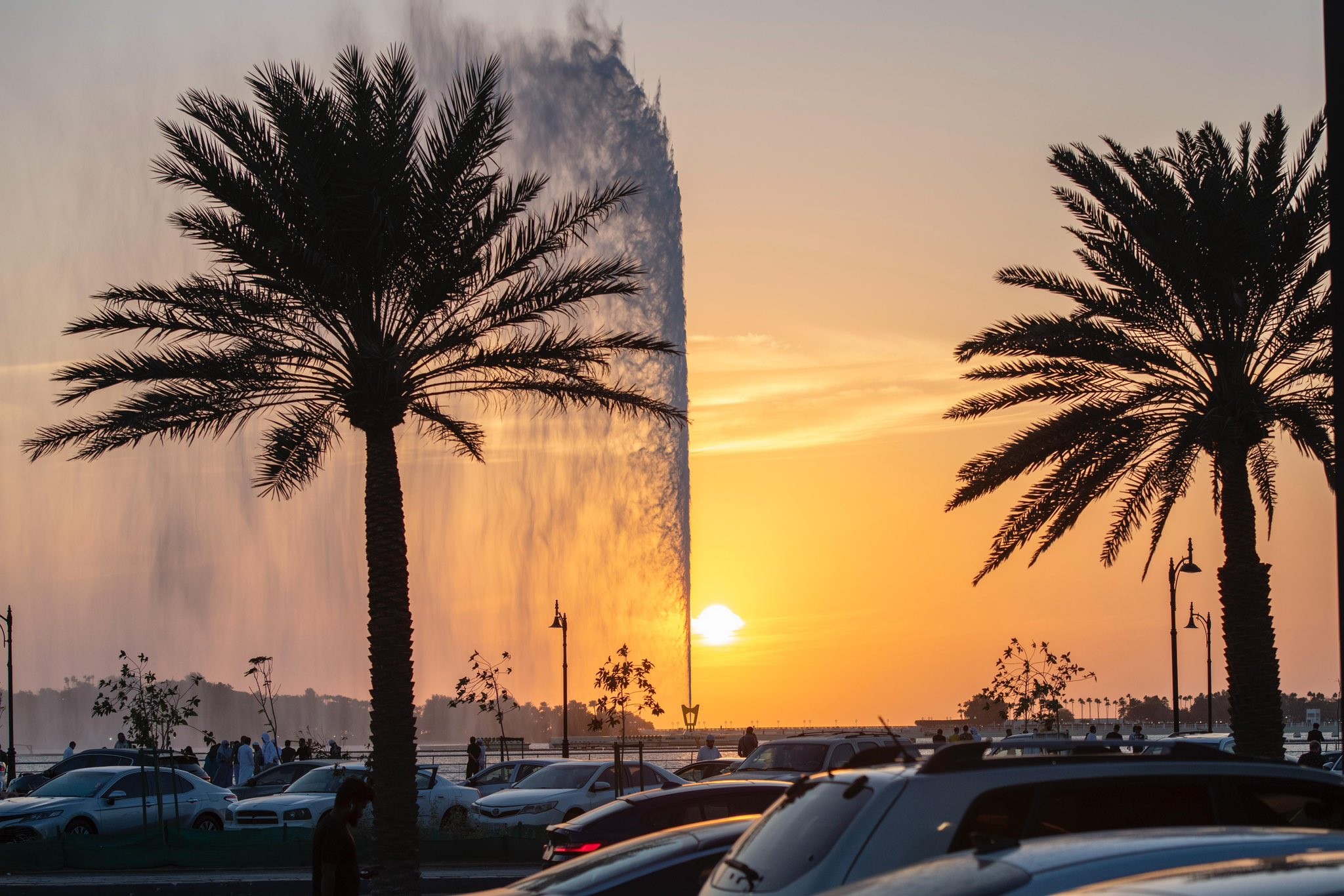
سافر بالطائرة إلى جدة بعد الظهر. تستغرق الرحلة من مطار العلا (ULH) إلى مطار جدة (JED) نحو تسعين دقيقة. سجّل إقامتك بالقرب من الحمراء أو البلد، ثم امشِ على الكورنيش في المساء. نافورة الملك فهد، الأطول في العالم بارتفاع يتجاوز 300 متر، تقذف مياه البحر إلى الظلام، ونسيم البحر بعد يومين في الصحراء هو المكافأة التي بُني عليها هذا البرنامج.
اليوم الخامس: البلد والبحر الأحمر
البلد هو النواة التاريخية لجدة وموقع مُدرَج على قائمة التراث العالمي لليونسكو: منازل من الحجر المرجاني يصل ارتفاعها إلى أربعة وخمسة طوابق، تُحجب نوافذها بشرفات الروشان الخشبية المنحوتة المصممة لالتقاط نسيم بحري لم يعد يصلها. بيت نصيف، حيث أقام الملك عبدالعزيز آل سعود بعد فتح المدينة، مفتوح للزوار. لا تزال الأسواق تعمل كأسواق فعلية. اذهب باكرًا، قبل اشتداد الحر، وخصص ثلاث ساعات للتجول فيها بشكل صحيح.
في فترة بعد الظهر، متحف مدينة الطيبات العالمي، مجموعة خاصة من الفن الإسلامي والتراث الحجازي في مجمع مُصمَّم خصيصًا لذلك، أو معرض أثر إن كان الفن السعودي المعاصر يثير اهتمامك أكثر. ثم عشاء سمك على الكورنيش، والعودة إلى مطار الملك عبدالعزيز الدولي (JED).
إن كان لديك يوم إضافي، يغطي دليل السفر إلى جدة الغوص في البحر الأحمر والرحلات النهارية إلى الداخل.
التكلفة، وما يمكن توقعه
التكاليف الثابتة معروفة مسبقًا. التأشيرة الإلكترونية 535 ريالًا سعوديًا. رحلتا الطيران الداخليتان ذهابًا فقط، إذا حُجزتا مبكرًا، تشكلان ثاني أكبر بند إنفاق بعد الإقامة؛ وإذا حُجزتا متأخرًا، خاصة إلى العلا، فقد تتضاعف تكلفتهما. الحِجر 95 ريالًا سعوديًا، الدرعية بين 50 و100 ريال سعودي، مترو الرياض 4 ريالات للرحلة. المتاحف رخيصة أو مجانية. وجبات المطاعم تتراوح بين شاورما بـ25 ريالًا سعوديًا وقائمة تذوق كاملة.
الإقامة هي ما يحدد بقية الميزانية. تقدم الرياض وجدة كل شيء من الشقق المخدومة إلى السلاسل الفندقية العالمية. العلا هي الاستثناء: تُسعَّر المنتجعات الصحراوية بوصفها وجهات قائمة بذاتها، والبدائل الاقتصادية تمتلئ بسرعة. احجز العلا أولًا، بكل معنى الكلمة.
ادفع بالبطاقة. تقبل شبكة الدفع السعودية "مدى" بطاقات فيزا وماستركارد بدون تلامس في كل مكان تقريبًا، وأبل باي معيار سائد، والريال مربوط بسعر 3.75 مقابل الدولار الأمريكي منذ عام 1986، لذا لا يوجد سعر صرف تبحث عنه. احمل معك بين 100 و200 ريال سعودي من الفئات الصغيرة للأسواق والإكراميات.
ارتدِ ملابس محتشمة: فضفاضة وغير شفافة تغطي الكتفين والركبتين، للرجال والنساء. العباءة لم تعد إلزامية للنساء الأجنبيات منذ عام 2019، وغطاء الرأس مطلوب فقط داخل المساجد. خدمات طلب السيارات تعمل في المدن الثلاث كلها. شريحة اتصال محلية أو eSIM تُسهّل كل شيء آخر؛ راجع دليل النقل لخيارات التنقل بين المدن إن أردت استبدال إحدى الرحلات الجوية بقطار الحرمين.
خمسة أيام لن تُريك الربع الخالي، أو جبال عسير، أو جزر فرسان، أو المنطقة الشرقية. لكنها ستُريك سبب عودة الناس مرة أخرى.
قراءات ذات صلة
احجز العلا أولًا - ثم دع الباقي يتشكل من تلقاء نفسه
لا ينجح هذا المسار إلا إذا تناسقت الرحلتان الداخليتان وليالي العلا معًا، وهذا هو الجزء الذي يخطئ فيه الناس غالبًا. يرتب مخطط الرحلات لدينا الأيام الخمسة حول المقاعد المتاحة فعليًا، ويغطي دليل الفنادق لدينا الرياض والعلا وجدة حتى تتمكن من حجز ليلة العلا قبل أي شيء آخر.
الأسئلة الشائعة
- Is five days enough for Saudi Arabia?
- It is enough for one good first visit, not for the country. The workable route is Riyadh for two days, AlUla for two, Jeddah for one, connected by two short domestic flights. That gives you the capital, the Nabataean tombs at Hegra and the Red Sea coast. It leaves out the Asir mountains, the Empty Quarter, the Farasan Islands and the Eastern Province entirely.
- Do I need a visa for a five-day trip to Saudi Arabia?
- Citizens of 66 countries can apply for the tourist eVisa online at visa.visitsaudi.com. It costs SAR 535, includes compulsory health insurance, is valid for one year with multiple entries, and permits stays of up to 90 days per entry with a maximum of 180 days in total per year. The same nationalities can generally get a visa on arrival at the major airports for about SAR 480. Your passport needs six months of validity beyond departure.
- How much does a five-day Saudi Arabia trip cost?
- The fixed items are the eVisa at SAR 535, two one-way domestic flights, a Hegra tour from SAR 95, the Diriyah Pass at roughly SAR 50 to SAR 100, and Riyadh Metro rides at SAR 4 for two hours. Accommodation drives everything else, and AlUla is the outlier: its desert resorts are priced as destinations in their own right. Book AlUla first and the flights early, because late bookings into ULH can double.
- Can I visit Makkah on this itinerary?
- Only if you are Muslim. Non-Muslims cannot enter Makkah, and the restriction covers the entire city, not just the Grand Mosque; every access road is checkpointed. Jeddah sits close by, which is why the question comes up, but the rule is enforced. Madinah is different: the city is open to all visitors, while the central Haram area around the Prophet's Mosque is restricted to Muslims.
- When is the best time to do this five-day itinerary?
- October through March. Riyadh and AlUla reach the mid-40s Celsius from June to August, and while the sites stay open, midday outdoor sightseeing in that heat is a serious health risk. Winter also coincides with Riyadh Season, when the entertainment districts are at their busiest. Check whether your dates overlap Ramadan, which changes opening hours across the country.
- Do I need cash, and can I drink alcohol?
- Bring SAR 100 to SAR 200 in small notes for souqs and tips; everything else takes a contactless Visa or Mastercard, and Apple Pay works at most terminals including Riyadh Metro gates. The riyal is pegged at 3.75 to the US dollar. Alcohol is prohibited throughout Saudi Arabia for tourists, residents and citizens alike. There are no licensed hotel bars, and you must not carry alcohol in your luggage or bring it through duty-free.