أفضل 5 رحلات برية في المملكة العربية السعودية: دليل قيادة كامل لعام 2026
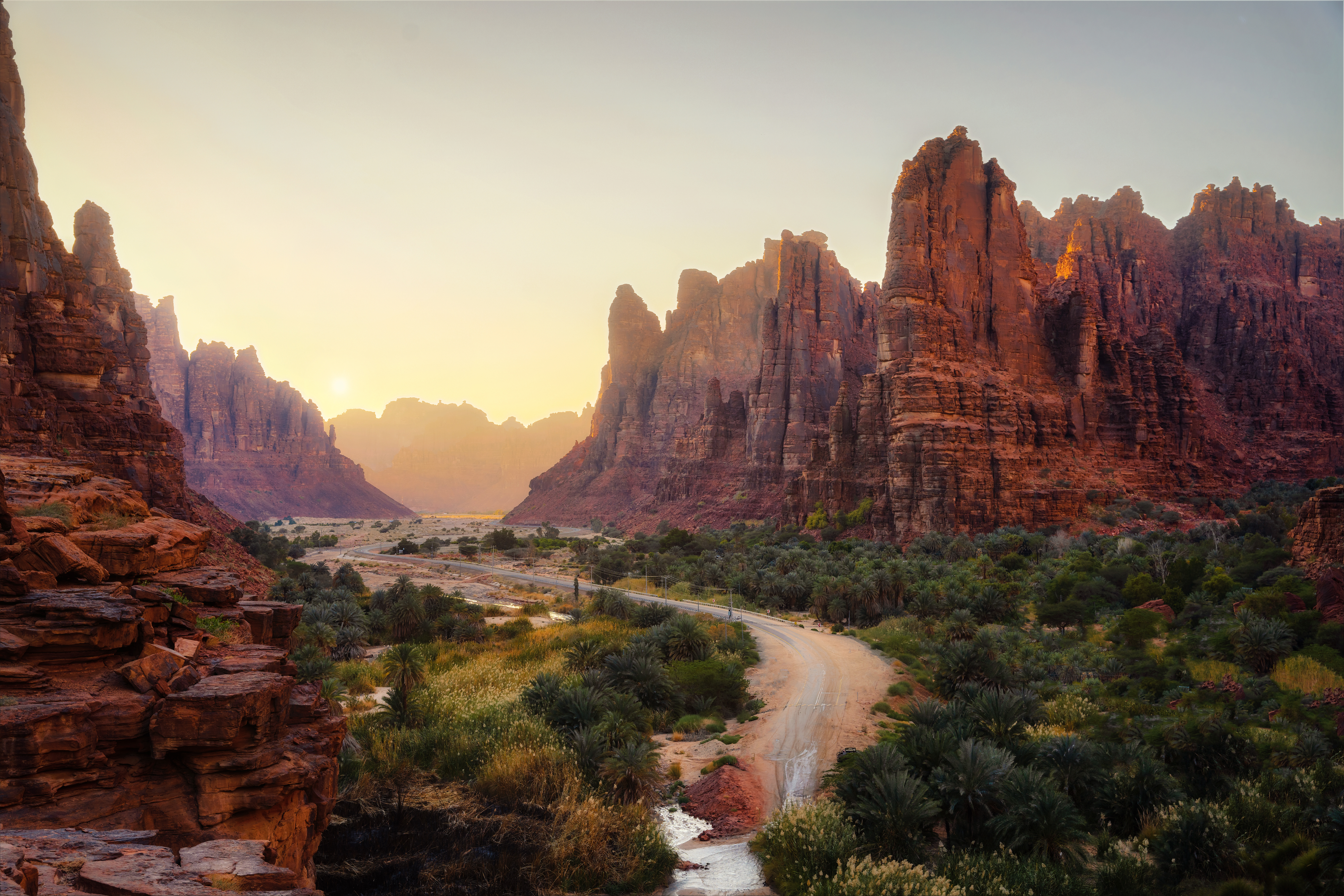
اكتشف أفضل 5 رحلات برية في السعودية لعام 2026: من الرياض إلى AlUla، جدة، عسير، المنطقة الشرقية، وتبوك. دليل قيادة شامل.
أبرز النقاط
- الوقود رخيص ومحدد السعر في 2026 — 2.18 ريال سعودي/لتر (أوكتان 91)، 2.33 ريال سعودي (أوكتان 95) — لذا فإن البنزين تكلفة ثانوية في الرحلة البرية؛ تبدأ أسعار السيارات المستأجرة من نحو 150-400 ريال سعودي يوميًا.
- المسار الرئيسي، من الرياض إلى العلا عبر حائل (نحو 1100 كم)، يحتاج نحو 7 أيام: المسافة من الرياض إلى حائل نحو 630 كم ومن حائل إلى العلا نحو 430 كم، مع تناقص محطات الوقود بعد حائل، لذا املأوا الخزان هناك.
- مسار جبال عسير الدائري (من أبها إلى الطائف) هو المسار الوحيد الصالح على مدار العام — تقع أبها على ارتفاع 2200 متر ونادرًا ما تتجاوز درجة حرارتها 25 مئوية، مما يجعل المرتفعات ملاذًا صيفيًا حين تتجاوز الأراضي المنخفضة 40 درجة مئوية.
- لا يمكن دخول مقابر الحِجر النبطية في العلا إلا ضمن جولة إرشادية رسمية تُحجز عبر تجربة العلا (بدءًا من نحو 95 ريالًا سعوديًا للفرد)؛ الدخول المستقل غير مسموح.
- احملوا 5 لترات ماء على الأقل للفرد يوميًا على المسارات الصحراوية، وحافظوا على أن يبقى الخزان فوق النصف في المقاطع النائية، حيث يمكن أن تبعد المحطات 200 كم. أرقام الطوارئ: الإسعاف 997، الشرطة 999.
- لا يمكن لغير المسلمين دخول مكة المكرمة، لذا في مسار عسير/الطائف، التزموا بالطرق التي تظل خارج حدود حرم مكة.
تكافئ المملكة العربية السعودية السائقين كما تفعل قلة من دول المنطقة. تغطي مساحة نحو 2.15 مليون كيلومتر مربع — أي ما يقارب حجم أوروبا الغربية — لذا فإن المسافات طويلة، لكن الطرق السريعة حديثة ومُصانة جيدًا، والوقود من بين الأرخص في أي مكان (2.18 ريال سعودي لكل لتر من الأوكتان 91، و2.33 ريال سعودي للأوكتان 95 في 2026)، وتظهر محطات الاستراحة على فترات منتظمة على الطرق الرئيسية. تبدأ أسعار السيارات المستأجرة من نحو 150-400 ريال سعودي يوميًا من أي مطار رئيسي، وتقبل معظم الشركات رخصة أجنبية إلى جانب رخصة قيادة دولية.
التنوع هو الجاذب الحقيقي. في أسبوع واحد يمكنكم عبور رمال النفود الحمراء، وتسلق ممرات جبلية فوق 2500 متر، ومتابعة ساحل البحر الأحمر، والقيادة عبر حقول الحمم البركانية القديمة. تغطي هذه المسارات الخمسة أفضل ما في الأمر، من عطلة نهاية أسبوع طويلة وسهلة إلى رحلة طموحة عبر البلاد. للاطلاع على فكرة عن تكلفة الرحلة إجمالًا، راجعوا دليلنا حول ما إذا كانت المملكة العربية السعودية باهظة الثمن.
المسار 1: من الرياض إلى العلا عبر حائل — العبور الصحراوي
هذه هي الرحلة المميزة للبلاد: قوس بطول نحو 1100 كم من العاصمة عبر قلب نجد، على حافة النفود الكبير، ووصولًا إلى آثار العلا. خصصوا سبعة أيام للحفاظ على وتيرة مريحة.
محطات رئيسية
ابدأوا في الرياض بزيارة المتحف الوطني وسوق الديرة المُرمَّم، ثم انطلقوا إلى حافة العالم (جبل فحيان) لمشاهدة الغروب، حيث ينحدر جرف طويق نحو 300 متر إلى السهل. توجهوا شمالًا إلى منطقة القصيم: تضم بريدة أحد أكبر أسواق التمور في العالم خلال موسم الحصاد من أغسطس إلى أكتوبر، وعنيزة المجاورة بلدة تراثية بمنازل طينية مُرممة. حائل هي بوابة النفود — زوروا نقوش جبة الصخرية (موقع يونسكو) حيث تعود النقوش إلى نحو 10000 عام، وقلعة عارف فوق المدينة القديمة. أنهوا الرحلة في العلا: الحِجر، أول موقع تراث عالمي لليونسكو في المملكة العربية السعودية، يضم أكثر من 100 مقبرة نبطية منحوتة في الحجر الرملي، معاصرة للبتراء لكنها أكثر هدوءًا بكثير. أضيفوا البلدة القديمة وصخرة الفيل وقاعة مرايا العاكسة.
تفاصيل القيادة
المسافة من الرياض إلى حائل نحو 630 كم (6-7 ساعات) على طريق مزدوج؛ ومن حائل إلى العلا نحو 430 كم (4.5 ساعة)، أي نحو 1100 كم إجمالًا. محطات الوقود متكررة حتى حائل وتقل بعد ذلك، لذا املأوا الخزان قبل المرحلة الأخيرة.
أين تقيمون
في حائل، فندق ميلينيوم خيار موثوق من فئة 4 نجوم (350-500 ريال سعودي). في العلا، يُعد هابيتاس العلا منتجعًا صحراويًا بارزًا بفلل تطل على الوادي (2500-5000 ريال سعودي)، بينما يقدم منتجع شادن قيمة جيدة من الفئة المتوسطة (600-1200 ريال سعودي).
أفضل موسم
من أكتوبر إلى مارس، حين تتراوح درجات الحرارة نهارًا بين 18-28 درجة مئوية. تجنبوا يونيو-أغسطس، حين تتجاوز درجة الحرارة على هذا المسار بانتظام 45 درجة مئوية.
المسار 2: من جدة إلى ينبع — رحلة البحر الأحمر
رحلة ساحلية مريحة لمدة ثلاثة أيام بطول نحو 350 كم في اتجاه واحد، تجمع بين وقت في مدينة جدة والشواطئ والشعاب المرجانية وميناء ينبع القديم. إنها أسهل رحلة في هذه القائمة ومثالية لعطلة نهاية أسبوع طويلة.
محطات رئيسية
ابدأوا في حي البلد بـجدة، الحي القديم المُدرج ضمن اليونسكو بمنازله المرجانية الحجرية وشرفاته الخشبية المنحوتة (الروشان)؛ تمشوا على الكورنيش عند الغروب وتناولوا مأكولات البحر الأحمر البحرية على الواجهة المائية. اقودوا شمالًا نحو ثول، موطن حرم جامعة الملك عبدالله للعلوم والتقنية (كاوست)، المفتوحة للزوار وتتميز بغطس ممتاز في الشعاب القريبة. واصلوا إلى ينبع، التي كانت يومًا نقطة إمداد لتوماس إدوارد لورنس خلال الثورة العربية والآن بلدة غطس، حيث تتيح الشعاب البحرية رؤية تتجاوز بانتظام 30 مترًا. تُكمِّل البلدة القديمة من العهد العثماني والواجهة المائية المُنسّقة أمسياتكم.
تفاصيل القيادة
المسافة من جدة إلى ينبع نحو 350 كم (3.5-4 ساعات) على الطريق الساحلي رقم 55، حديث طوال الطريق. يضيف انعطاف داخلي عبر بدر، موقع معركة إسلامية مبكرة، اهتمامًا تاريخيًا ونحو 90 دقيقة إضافية.
أين تقيمون
في جدة، يقع بارك حياة على المارينا (1200-2500 ريال سعودي)؛ ويُعد الأسيلة بديلًا يركز على التصميم (800-1500 ريال سعودي). في ينبع، تتراوح أسعار فندق هوليدي إن على الواجهة المائية بين 350-600 ريال سعودي.
أفضل موسم
من أكتوبر إلى أبريل لأيام بدرجة حرارة 22-30 مئوية. الغطس جيد على مدار العام، مع أوضح المياه من مايو إلى أغسطس.
المسار 3: جبال عسير — من أبها إلى الطائف
أكثر تجربة قيادة جبلية درامية في البلاد: مسار دائري لمدة خمسة أيام عبر سلسلة السروات، متسلقًا فوق 2500 متر عبر غابات ضبابية وقرى مُدرَّجة لا تشبه إطلاقًا الصحراء التي يتخيلها معظم الناس. هذه أكبر مفاجأة في السفر السعودي — خضراء وباردة وذات طابع جبلي حقيقي.
محطات رئيسية
أبها، عاصمة عسير، تقع على ارتفاع 2200 متر ونادرًا ما تتجاوز درجة حرارتها 25 مئوية حتى في الصيف؛ اركبوا التلفريك نحو قرية هبالة المُطلة على المنحدر وشاهدوا المنازل المرسومة بأنماط هندسية الفريدة في المنطقة. رجال ألمع، على بعد 45 دقيقة، قرية أبراج حجرية متعددة الطوابق مزينة بالكوارتز — من أكثر الأماكن تصويرًا في البلاد. ادفعوا شمالًا عبر غابات العرعر حول تنومة والنماص، ثم الباحة بقرية ذي عين الرخامية على قمة التل. ينتهي المسار في الطائف، "مدينة الورد" على ارتفاع 1800 متر، المعروفة بمزارع الورد (ذروة الإزهار مارس-أبريل)، ومتحف قصر شبرا، وتلفريك الهدا على الحافة الجبلية. ملاحظة مهمة: مكة المكرمة مغلقة أمام غير المسلمين، لذا أبقوا أي مسار غربي على طرق تظل خارج حدود حرم مكة.
تفاصيل القيادة
المسافة من أبها إلى الطائف نحو 550 كم، لكن الطرق الجبلية متعرجة ومن الأفضل قطعها ببطء على مدى عدة أيام، مع احتمال وجود ضباب أو مطر على الارتفاعات. سيارة عادية كافية؛ سيارة بمقاصة أعلى تضيف راحة.
أين تقيمون
في أبها، يمتلك فندق أبها بالاس أفضل الإطلالات (400-800 ريال سعودي). في الطائف، تطل إنتركونتيننتال على الحافة الجبلية (600-1200 ريال سعودي). تتراوح أسعار بيوت الضيافة المحلية على طول الطريق بين 150-350 ريال سعودي.
أفضل موسم
على مدار العام، وهو أمر غير معتاد هنا. الصيف هو ذروة موسم السياحة الداخلية حيث يهرب السعوديون من حرارة الأراضي المنخفضة؛ يجلب الربيع الزهور البرية وحصاد الورد؛ يمكن أن يكون الشتاء باردًا مع صقيع أحيانًا في القمم، لذا احزموا طبقات من الملابس.
المسار 4: المنطقة الشرقية — من الدمام إلى الأحساء
مسار دائري لمدة ثلاثة أيام بطول نحو 350 كم عبر منطقة الساحل الخليجي: أكبر واحة في العالم، وتراث تجاري قديم، وقصة النفط في المملكة. يعمل بشكل جيد كعطلة نهاية أسبوع طويلة مركزة، ويتناسب طبيعيًا مع رحلة الرياض إلى الدمام البرية لدينا.
محطات رئيسية
ابدأوا في الدمام والظهران، حيث يُعد مركز الملك عبدالعزيز الثقافي العالمي (إثراء) أكثر المرافق الثقافية طموحًا في البلاد، بمعارضه ودار سينماه ومكتبته. تحمل جزيرة تاروت القريبة آثارًا تعود إلى نحو 5000 عام من عصر دلمون. اقودوا 150 كم جنوبًا إلى الأحساء، واحة مُدرجة ضمن اليونسكو تضم نحو 2.5 مليون نخلة. استكشفوا قصر إبراهيم، القلعة العثمانية؛ وسوق القيصرية، أحد أقدم الأسواق العاملة في الخليج؛ وكهوف القارة، الكهوف الجيرية الباردة التي تبقى مريحة في أي حرارة.
تفاصيل القيادة
المسافة من الدمام إلى الهفوف نحو 150 كم (ساعة ونصف) على الطريق رقم 75 — مستوٍ ومستقيم وحديث، مزدوج بالكامل.
أين تقيمون
في الخبر والدمام، يقع كمبينسكي العثمان على الخليج (800-1500 ريال سعودي)؛ وشيراتون خيار موثوق من فئة 4 نجوم (400-800 ريال سعودي). في الأحساء، يُعد إنتركونتيننتال البارز الأقرب إلى الواحة (500-900 ريال سعودي).
أفضل موسم
من نوفمبر إلى مارس. المنطقة الشرقية حارة ورطبة في الصيف؛ يجلب الشتاء أيامًا لطيفة بدرجة حرارة 18-25 مئوية، مثالية لاستكشاف الواحة سيرًا على الأقدام.
المسار 5: مرتفعات الحجاز — من تبوك إلى الحدود الأردنية
الحدود الشمالية الغربية: رحلة لمدة أربعة أيام عبر بعض أكثر التضاريس الجيولوجية دراميةً في البلاد، من الأخاديد الحمراء قرب تبوك إلى ساحل خليج العقبة. تناسب المسافرين المنجذبين إلى المناظر الطبيعية النائية، ويمكن دمجها مع عبور إلى الأردن.
محطات رئيسية
تبوك هي المدينة البوابة، بقلعتها التاريخية ومحطة سكة حديد الحجاز المُرمَّمة ومشهد مقاهٍ متنامٍ؛ كما تعمل كمركز لوجستي لمشروع نيوم الضخم على خليج العقبة. وادي الدسة، الذي يُوصف أحيانًا بإجابة المملكة العربية السعودية على الوادي الكبير، يضم أعمدة صخرية رملية شاهقة وجداول محاطة بالنخيل؛ يُستكشف الوادي بشكل أفضل سيرًا على الأقدام أو بمركبة دفع رباعي، والتخييم تحت جروفه من أبرز التجارب. واصلوا إلى ساحل خليج العقبة قرب شرمة للشواطئ النقية غير المزدحمة والشعاب المرجانية المحاطة بالجبال. تطل بلدة حقل الشمالية عبر المياه على سيناء المصرية والأردن، مع حطام سفينة بحري معروف قريب منها؛ من هنا يوفر معبر الدرة الوصول إلى الأردن، وما وراءه وادي رم.
تفاصيل القيادة
المسار الكامل من تبوك نحو 600 كم. المسافة من تبوك إلى وادي الدسة نحو 220 كم (3 ساعات). تحتاج بعض المقاطع — الطريق المؤدي إلى وادي الدسة وبعض المسارات الساحلية — إلى مركبة دفع رباعي وتخطيط دقيق؛ الطرق السريعة الرئيسية ممتازة.
أين تقيمون
في تبوك، يُعد هيلتون جاردن إن الخيار الأكثر موثوقية (350-600 ريال سعودي). حول وادي الدسة والساحل، لا يزال التخييم البري الخيار الرئيسي، لذا احضروا معدات كاملة وماء ومؤن؛ تظهر بعض المخيمات الصحراوية لكنها لا تزال محدودة.
أفضل موسم
من أكتوبر إلى أبريل. تمتلك تبوك أوسع مدى لدرجات الحرارة في البلاد — يمكن أن تنخفض ليالي الشتاء تحت درجة التجمد، وتتجاوز أيام الصيف 40 درجة مئوية. يجلب الربيع الزهور البرية في الأودية وقيادة مريحة بدرجة حرارة 20-30 مئوية.
نصائح عملية للقيادة في المملكة العربية السعودية
الوقود: أعيدوا التزود قبل أن ينخفض الخزان عن النصف على المسارات 1 و3 و5، حيث يمكن أن تبعد المحطات 200 كم في المقاطع النائية. البنزين رخيص، لذا فإن التزود المبكر يكلف القليل.
كاميرات السرعة: شبكة كاميرات الطرق السريعة واسعة النطاق. الحدود عادة 120 كم/س على الطريق السريع المفتوح و80 كم/س قرب المدن؛ الغرامات آلية ويمكن أن تكون باهظة.
الرخصة: تطلب معظم شركات التأجير رخصة قيادة دولية إلى جانب رخصتكم الوطنية، لذا رتّبوا واحدة قبل السفر.
حالة الطرق: الطرق السريعة الرئيسية ممتازة؛ الطرق الفرعية متفاوتة. أبطئوا وحافظوا على الزخم إذا واجهتم زحف رملي على المسارات الصحراوية.
أرقام الطوارئ: الإسعاف 997، الشرطة 999، المساعدة على الطريق 996. يغطي أيضًا الرقم الموحد 911 الرياض ومكة المكرمة والمدينة المنورة والمنطقة الشرقية.
أوقات الصلاة: تُغلق العديد من المرافق على جانب الطريق لفترة وجيزة خمس مرات يوميًا (نحو 15-20 دقيقة لكل مرة)، لذا خططوا لتوقفات الوقود والطعام حولها.
الماء: احملوا 5 لترات على الأقل للفرد يوميًا على المسارات الصحراوية؛ الجفاف خطر حقيقي.
للمساعدة في مطابقة كل منطقة مع الشهر المناسب قبل الانطلاق، راجعوا دليل أفضل وقت لزيارة المملكة العربية السعودية لدينا.
مستعدون لتخطيط رحلتكم البرية السعودية الخاصة؟
حوّلوا أحد هذه المسارات الخمسة إلى خطة يومية مع مخطط الرحلات لدينا، المصمم حسب تواريخكم ووتيرتكم، وراجعوا دليل الفنادق لدينا لأماكن الإقامة على طول الطريق، من المنتجعات الصحراوية في العلا إلى الفنادق الجبلية في أبها.
الأسئلة الشائعة
- How much does fuel cost for a Saudi road trip in 2026?
- Petrol is government-capped and cheap: SAR 2.18 per litre for 91 octane and SAR 2.33 for 95 octane in 2026. Filling a mid-size car costs a fraction of European prices, so fuel is rarely a major part of a road-trip budget. Keep the tank above half on remote stretches, where stations can be 200 km apart.
- Do I need an International Driving Permit to drive in Saudi Arabia?
- Most rental companies ask for an International Driving Permit alongside your national licence, so arrange one before you travel. Rental cars are available at every major airport from about SAR 150–400 per day.
- What is the best road trip in Saudi Arabia?
- The signature route is Riyadh to AlUla via Ha'il (about 1,100 km, roughly 7 days), crossing the Najd heartland and the edge of the Nafud desert to the Nabataean tombs of Hegra. For mountains, the Asir circuit from Abha to Taif is the most scenic; for the coast, Jeddah to Yanbu is the easiest long weekend.
- When is the best time for a road trip in Saudi Arabia?
- October to March suits almost every route, with comfortable 18–28°C days. The Asir mountains are the exception — cool enough to drive year-round and a popular summer escape. Avoid desert routes from June to August, when temperatures regularly exceed 45°C.
- Can I visit Hegra (Mada'in Salih) on a road trip?
- Yes, but you must book an official guided tour through Experience AlUla — independent entry into the tomb area is not permitted. Tours start at around SAR 95 per person. Plan an overnight in AlUla, as the site pairs well with the Old Town, Elephant Rock and the Maraya hall.
- Are Saudi roads safe and well-equipped for long drives?
- Main highways are modern, well maintained and dotted with rest stops and fuel stations. Secondary and desert roads vary, and some routes (parts of the Tabuk region and Wadi Al Disah) need a 4x4. Carry at least 5 litres of water per person per day, watch for automatic speed cameras, and note the emergency numbers: ambulance 997, police 999, road assistance 996.