كيف تصل إلى المملكة العربية السعودية - دليل الرحلات والمطارات
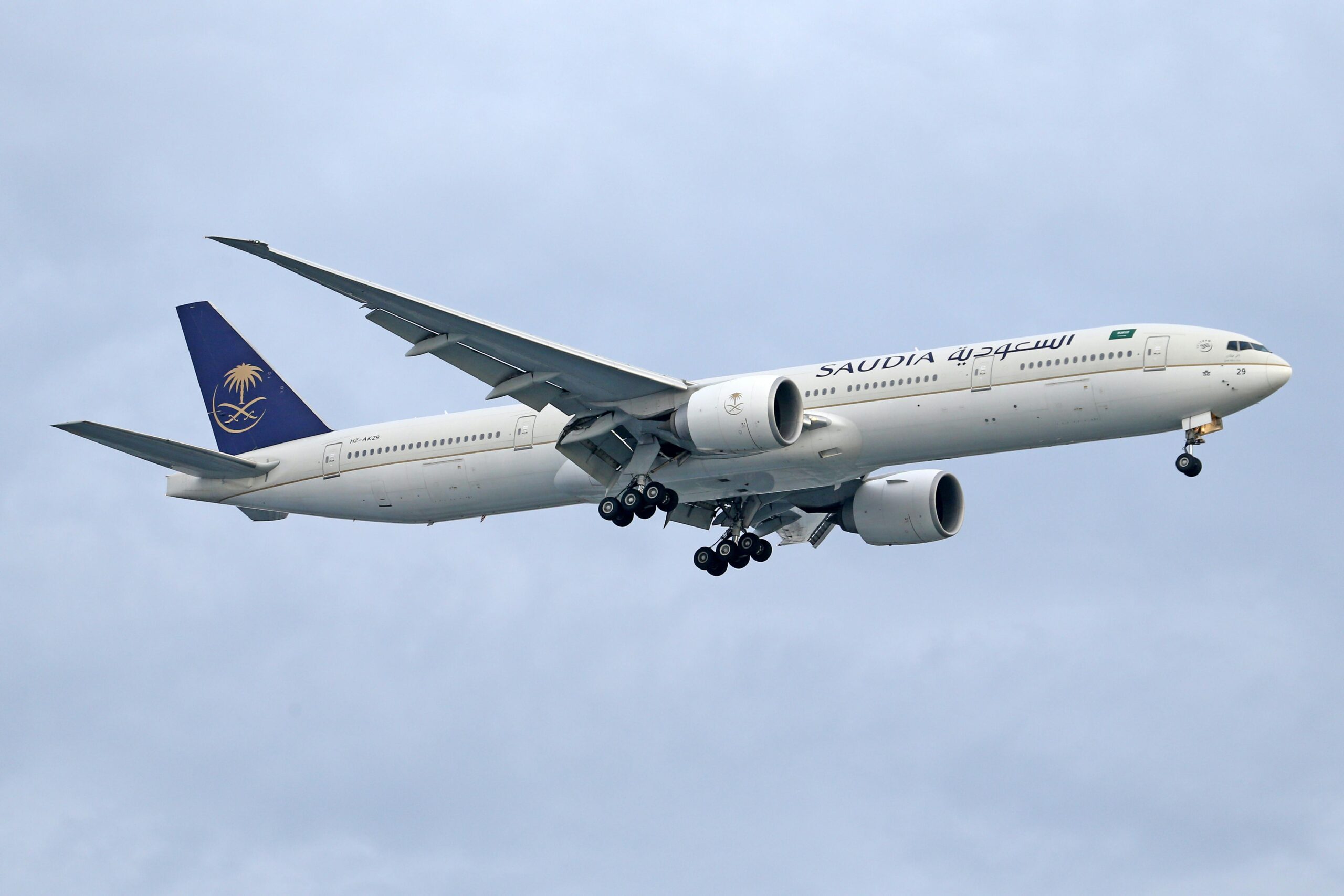
دليلك الشامل للسفر إلى Saudi Arabia: اكتشف المطارات الدولية، أفضل شركات الطيران، نصائح الرحلات، وإجراءات الوصول السلس إلى المملكة.
أبرز النقاط
- ثلاث بوابات دولية: الملك خالد (RUH، الرياض) للمناطق الداخلية ورحلة العلا، والملك عبدالعزيز (JED، جدة) للبحر الأحمر وقطار الحرمين، والملك فهد (DMM، الدمام) للمنطقة الشرقية وجسر البحرين.
- أعاد مطار الرياض توزيع صالاته الخمس جميعها بين 16 و25 فبراير 2026: الصالتان 1-2 أصبحتا للرحلات الدولية على متن الناقلات السعودية، والصالتان 3-4 لجميع الرحلات الداخلية، والصالة 5 لشركات الطيران الأجنبية. الأدلة الأقدم تقول العكس - تحقق من بطاقة صعودك في يوم السفر.
- تكلف التأشيرة السياحية 535 ريالاً سعوديًا عبر الإنترنت على visa.visitsaudi.com أو نحو 480 ريالاً عند الوصول (5-15 دقيقة عند الشباك). الإذن نفسه في كلتا الحالتين: 66 جنسية، صالحة لعام واحد، بدخول متعدد، حتى 90 يومًا لكل دخول ولا تزيد على 180 يومًا في السنة.
- يربط خط 4 (الأصفر) من مترو الرياض صالات RUH بحي الملك عبدالله المالي في نحو 30 دقيقة مقابل 4 ريالات، تُدفَع ببطاقة لاتلامسية أو أبل باي. لا يوجد مترو في جدة - الشبكة المخططة لا تزال في مرحلة التصميم دون موعد تشغيل.
- تقع محطة قطار الحرمين السريع داخل الصالة 1 في مطار JED، ويقطع 453 كم بسرعة تصل إلى 300 كم/ساعة. لا يمكن لغير المسلمين دخول مكة - المدينة بأكملها، ويُطبَّق ذلك عند نقاط التفتيش على الطرق. مدينة المدينة المنورة مفتوحة للجميع؛ منطقة الحرم المركزية فيها ليست كذلك.
- الكحول محظور في جميع أنحاء المملكة ولا يمكن استيراده، حتى المعفى من الجمارك. كما تُحظر منتجات لحم الخنزير والمخدرات والأسلحة أيضًا؛ صرّح بأي شيء غير متأكد منه.
يصل معظم الزوار إلى المملكة العربية السعودية جوًا، عبر واحدة من ثلاث بوابات: مطار الملك خالد الدولي في الرياض (RUH)، ومطار الملك عبدالعزيز الدولي في جدة (JED)، ومطار الملك فهد الدولي في الدمام (DMM). واختيارك بينها يحدد من رحلتك أكثر مما تفعله شركة الطيران، لأن البلاد بحجم أوروبا الغربية تقريبًا، والمطارات الثلاثة تواجه ثلاثة أنصاف مختلفة منها.
أمر واحد يجب التحقق منه قبل السفر، حتى لو سبق لك الطيران إلى الرياض: أعاد مطار الملك خالد الدولي توزيع صالاته الخمس جميعها في فبراير 2026، وتغيّرت وجهة كثير من الرحلات دون تغيير رقمها. التفاصيل أدناه.
إلى أي مطار تطير
الرياض — مطار الملك خالد الدولي (RUH)
يقع مطار العاصمة على بُعد نحو 35 كم شمال المركز، وهو البوابة الرئيسية للمناطق الداخلية: الرياض نفسها، والدرعية، والقصيم، ومداخل الربع الخالي. كما أنه نقطة البداية الطبيعية للمسار المعتاد لأول زيارة، إذ إن العلا رحلة داخلية قصيرة من هنا.
تغيير الصالات الذي يجب أن تعرفه. بين 16 و25 فبراير 2026، انتقل المطار إلى تخطيط وظيفي جديد، وهو أكبر إعادة تنظيم منذ افتتاحه. وكما هو الوضع الآن:
- الصالتان 1 و2 — الرحلات الدولية على متن الناقلات السعودية (السعودية، طيران الرياض، فلاي أديل).
- الصالتان 3 و4 — جميع الرحلات الداخلية (السعودية، فلاي ناس، فلاي أديل).
- الصالة 5 — الرحلات الدولية على متن شركات الطيران الأجنبية.
إذا كنت تقرأ دليلاً أقدم، فسيخبرك بالعكس تمامًا، لأن التخطيط السابق كان يضع الناقلات الأجنبية في الصالتين 1 و2 والحركة الداخلية في الصالة 5. تحقق من الصالة على بطاقة صعودك أو من شاشات المغادرة في يوم السفر بدلاً من الاعتماد على معلومة محفوظة.
الدخول إلى المدينة. يربط خط 4 (الأصفر) من مترو الرياض صالات المطار بحي الملك عبدالله المالي في نحو 30 دقيقة، بقطارات كل خمس إلى سبع دقائق. تكلف التذكرة القياسية لمدة ساعتين 4 ريالات، وتلمس بطاقة فيزا أو ماستركارد اللاتلامسية أو أبل باي عند البوابة — دون حاجة لبطاقة محلية. تعمل أوبر وكريم كلاهما في المطار وتُظهران الأجرة قبل التأكيد، مما يلغي حاجة المساومة. سيارات أجرة المطار مزوّدة بعدّاد.
جدة — مطار الملك عبدالعزيز الدولي (JED)
جدة هي بوابة البحر الأحمر: البلد القديمة، والساحل، والغطس، والاتصال بقطار الحرمين السريع. كما أنه مطار الوصول للأغلبية الساحقة من حجاج ومعتمري بيت الله الحرام، وهو ما يشكّل طبيعة تشغيله بالكامل.
محطة قطار الحرمين السريع مدمجة داخل الصالة 1، بحيث يمكنك السير من صالة الوصول إلى القطار دون مغادرة المطار. يمتد الخط 453 كم بسرعة تصل إلى 300 كم/ساعة، ويربط جدة والمطار ومدينة الملك عبدالله الاقتصادية بمكة والمدينة المنورة.
تنويه مهم حول ذلك: لا يمكن لغير المسلمين دخول مكة. ينطبق هذا على المدينة بأكملها، وليس فقط المسجد الحرام، وتُطبِّقه نقاط تفتيش على الطرق على كل الطرق المؤدية إليها. المدينة المنورة مختلفة — المدينة نفسها مفتوحة لجميع الزوار، بينما تقتصر منطقة الحرم المركزية حول المسجد النبوي على المسلمين. إذا لم تكن مسلمًا، يبقى قطار الحرمين مفيدًا للسفر بين جدة والمدينة المنورة وللوصول إلى مدينة الملك عبدالله الاقتصادية؛ لكنه ليس طريقًا إلى مكة.
تبعد الصالة 1 نحو 20 كم عن وسط المدينة. تغطي هذه الرحلة خدمات استدعاء السيارات وسيارات الأجرة المزودة بعدّاد؛ ولا يوجد مترو في جدة، ورغم العناوين المتكررة لا يزال مترو جدة المخطط له في مرحلة التصميم دون أي موعد تشغيل.
الدمام — مطار الملك فهد الدولي (DMM)
يخدم مطار DMM المنطقة الشرقية: الدمام، والخبر، والظهران، والأحساء، وجسر البحرين. وهو الأقل استقطابًا للسياح من بين الثلاثة والأسهل للتنقل عبره. إذا كان اهتمامك واحة الأحساء، أو الغطس في الخليج، أو رحلة برية عبر المناطق الداخلية، فهذه نقطة الدخول المنطقية. الروابط البرية إلى الدمام والخبر مباشرة؛ وتتوفر سيارات الأجرة وخدمات استدعاء السيارات ومكاتب استئجار السيارات المعتادة كلها في الصالة.
مطارات داخلية يجدر معرفتها
- العلا (ULH) — السبب الذي يجعل معظم برامج الرحلات تشمل رحلة داخلية. السعة محدودة وموسمية، لذا احجز هذه المرحلة قبل أي شيء آخر.
- أبها (AHB) — جبال عسير في الجنوب الغربي، أكثر برودة وخضرة، وهي فعليًا بلد مختلف تمامًا عن المناطق الداخلية الصحراوية.
- المدينة المنورة (MED) — حركة معتمرين كثيفة؛ مفيد إذا كانت المدينة المنورة أو الشمال الغربي محور اهتمامك.
- تبوك (TUU) وينبع (YNB) — ساحل البحر الأحمر الشمالي.
شركات الطيران المتجهة إلى المملكة العربية السعودية
السعودية هي الناقل الوطني وتملك أوسع شبكة من وإلى المملكة وداخلها، من البوابات الدولية الثلاث كلها.
طيران الرياض شركة جديدة تستحق المتابعة، لأنها لم تكن موجودة عندما كُتبت معظم الأدلة حول هذا الموضوع. بدأت رحلاتها التجارية في يونيو 2026 بخط الرياض–لندن هيثرو، وأضافت خلال الصيف دبي والقاهرة وجدة ومدريد ومانشستر ومالقة وكوالالمبور ومومباي ودكا وإسلام آباد ولاهور. تُعلن الشركة عن شبكة انطلاق تضم 15 وجهة، لذا لا تزال الجداول متغيرة — تحقق مباشرة بدلاً من افتراض وجود مسار معين.
فلاي ناس وفلاي أديل هما الناقلتان الاقتصاديتان. كلتاهما قويتان في المسارات الداخلية وفي المسارات الدولية الإقليمية، وهو أمر مهم إذا كانت خطتك تشمل مدينتين أو ثلاث مدن سعودية.
الناقلات الأجنبية ممثَّلة جيدًا. تربط طيران الإمارات والقطرية والاتحاد للطيران والخطوط التركية وفلاي دبي عبر المحاور القريبة؛ وتطير الخطوط الجوية البريطانية ولوفتهانزا وإير فرانس وكيه إل إم من أوروبا؛ وطيران الهند وإنديغو من جنوب آسيا. غالبًا ما يكون الترانزيت عبر دبي أو الدوحة أو إسطنبول أرخص من الطيران المباشر، والمقايضة هي بضع ساعات إضافية.
التأشيرة، قبل حجز الرحلة
يمكن لمواطني 66 دولة الحصول على تأشيرة سياحية سعودية دون زيارة سفارة. هناك طريقتان للحصول على الإذن نفسه:
- التأشيرة الإلكترونية عبر الإنترنت — 535 ريالاً سعوديًا عبر البوابة الرسمية، visa.visitsaudi.com. تجمع الرسوم بين التأشيرة نفسها والتأمين الطبي الإلزامي.
- التأشيرة عند الوصول — نحو 480 ريالاً سعوديًا عند الأكشاك المخصصة في المطارات الرئيسية، عادةً خلال 5–15 دقيقة.
وفي كلتا الحالتين الإذن له الشكل نفسه: صالح لمدة عام واحد، بدخول متعدد، حتى 90 يومًا لكل زيارة. يحتاج جواز سفرك إلى صلاحية لا تقل عن ستة أشهر بعد تاريخ مغادرتك.
هناك طريقتان إضافيتان يسهل إغفالهما. يمكن لحاملي تأشيرة أمريكية أو بريطانية أو شنغن سارية وسبق استخدامها مرة واحدة على الأقل التقدّم بغض النظر عن الجنسية عند السفر على متن ناقل سعودي. ويمكن لمقيمي الإمارات والكويت وقطر والبحرين وعُمان التقدّم عبر إجراء مبسّط أيًا كان جواز سفرهم. تُحدَّد الأهلية عبر البوابة، وليس عبر دليل — تحقق من أهليتك هناك قبل شراء التذكرة. يغطي دليل التأشيرة عند الوصول لدينا إجراءات الشباك بالتفصيل.
يستخدم الحج والعمرة فئات تأشيرات منفصلة. لا يمكن تحويل التأشيرة السياحية إلى تأشيرة حج عند الوصول.
متى تحجز، وما الذي يحرّك السعر فعليًا
أسعار الرحلات إلى المملكة العربية السعودية لا ترتبط بالشهر التقويمي بقدر ارتباطها بثلاثة ضغوط محددة، ومعرفتها أهم من قاعدة عامة لتوقيت الحجز:
- مواسم الحج والعمرة. تتبع هذه المواسم التقويم الهجري القمري، لذا تتقدّم بنحو أحد عشر يومًا كل عام. تتأثر جدة والمدينة المنورة أكثر من غيرهما؛ أما الرياض والدمام فأقل تأثرًا بكثير. إذا وقعت تواريخك قرب موسم الحج، احجز مبكرًا جدًا أو مرّ عبر مدينة أخرى.
- عطلات الأعياد والإجازات المدرسية السعودية. الرحلات الداخلية هي نقطة الضغط هنا، وليس الرحلات الدولية. العلا هي أول مسار تنفد مقاعده.
- نافذة الطقس الجيد. من أكتوبر إلى مارس هي الفترة التي تكون فيها البلاد مريحة للسفر وحين يتركز الطلب. يفصّل دليلنا حول أفضل وقت لزيارة المملكة العربية السعودية المواسم حسب المنطقة.
اضبط تنبيه أسعار على موقع مقارنة بدلاً من متابعة شركة طيران واحدة. واحجز مرحلة العلا أولاً إذا كانت ضمن خطتك — فبقية برنامج الرحلة يتكيّف حولها بسهولة أكبر من تكيّفه حول رحلة إلى الرياض.
الوصول: ما الذي يحدث بين البوابة وسيارة الأجرة
الهجرة. تُؤخذ بصمات الأصابع وصورة عند الشباك. احتفظ بتأكيد تأشيرتك وتذكرة العودة وحجز إقامة الليلة الأولى في متناول يدك على هاتفك؛ فقد يُطلب منك العنوان.
الجمارك. القواعد السعودية أكثر صرامة من معظم الدول والتطبيق حقيقي وليس شكليًا. الكحول محظور في جميع أنحاء المملكة ولا يمكن إدخاله — لا معفى من الجمارك، ولا في حقيبة مسجَّلة، ولا كهدية. كما تُحظر منتجات لحم الخنزير والمخدرات والأسلحة والمواد الإباحية. القواعد المتعلقة بالمواد المطبوعة والدينية أكثر صرامة مما قد تعتاده؛ فإذا كنت تحمل شيئًا غير معتاد، تحقق من الإرشادات الجمركية الرسمية قبل التعبئة لا بعد الوصول. عند الشك، صرّح به.
الاتصال. تبيع إس تي سي وموبايلي وزين جميعها شرائح سياحية في صالات الوصول، وعادةً ما تكون شرائح eSIM أرخص ويمكن إعدادها قبل السفر. يقارن دليل الاتصال لدينا بين الخيارات.
ماذا ترتدي بعد نزولك من الطائرة. الملابس الفضفاضة غير الشفافة التي تغطي الكتفين والركبتين هي المعيار للرجال والنساء. لم تعد العباءة إلزامية للنساء الأجنبيات منذ عام 2019؛ ويلزم غطاء رأس داخل المساجد. يتضمن دليل الملابس لدينا التفاصيل حسب المنطقة والمناسبة.
المال. الريال مربوط بسعر 3.75 مقابل الدولار الأمريكي منذ عام 1986، لذا لا حاجة للبحث عن سعر صرف أفضل. تعمل البطاقات اللاتلامسية وأبل باي في كل مكان تقريبًا، بما في ذلك بوابات المترو. احمل 100–200 ريال بفئات صغيرة للأسواق الشعبية والإكراميات. انظر دليل المال لدينا.
من المطار إلى مكان إقامتك
- خدمات استدعاء السيارات (أوبر، كريم) هي الخيار الافتراضي في المدن الثلاث جميعها. يُحدَّد السعر في التطبيق قبل التأكيد.
- سيارات أجرة المطار مزوّدة بعدّاد ومُعلَّمة بوضوح. تأكد من تشغيل العدّاد.
- خط 4 من مترو الرياض من مطار RUH، بسعر 4 ريالات لساعتين، هو الخيار الأرخص في أي مكان في البلاد.
- قطار الحرمين السريع من الصالة 1 في مطار JED، للسفر لاحقًا إلى المدينة المنورة أو مدينة الملك عبدالله الاقتصادية.
- مكاتب استئجار السيارات موجودة في المطارات الثلاثة جميعها. تستحق العناء للمنطقة الشرقية أو رحلة برية، وليس لوسطي الرياض أو جدة.
- نقل الفنادق شائع في الفئة العليا — اسأل عند الحجز لا عند الوصول.
للسفر بين المدن بمجرد وصولك إلى البلاد، بما في ذلك متى يتفوق القطار على الطائرة، راجع دليل النقل لدينا.
قراءات ذات صلة
- المملكة العربية السعودية في 5 أيام: برنامج أول زيارة
- الدليل الصحي: التطعيمات والرعاية الطبية
- جميع الوجهات
اعرف مطارك — والآن ابنِ رحلتك حوله
سواء هبطت في الرياض أو جدة أو الدمام، فذلك يغيّر أي مسار يكون منطقيًا وكم رحلة داخلية تحتاجها. يعمل مخطط الرحلات لدينا بالعكس بدءًا من مطار وصولك وتواريخك، ويغطي دليل الفنادق لدينا أين تقيم في ليلتك الأولى قرب كل بوابة.
الأسئلة الشائعة
- Which airport should I fly into for Saudi Arabia?
- It depends on your route, not on which is biggest. Fly into Riyadh (RUH) for the capital, Diriyah and a short domestic hop to AlUla. Fly into Jeddah (JED) for Al-Balad, the Red Sea coast and the Haramain high-speed train. Fly into Dammam (DMM) for the Eastern Province, the Al-Ahsa oasis and the causeway to Bahrain. All three take long-haul flights, so the question is which half of the country you want to see first.
- Which terminal do I use at Riyadh airport?
- King Khalid International reallocated its terminals between 16 and 25 February 2026, the largest change since it opened. Terminals 1 and 2 now handle international flights on Saudi carriers such as Saudia, Riyadh Air and flyadeal; Terminals 3 and 4 handle all domestic flights; Terminal 5 handles international flights on foreign airlines. Many flights moved without their flight number changing, so check your boarding pass or the day-of departure screens rather than an older guide.
- Do I need a visa to fly to Saudi Arabia as a tourist?
- Citizens of 66 countries can get one without an embassy visit. The eVisa costs SAR 535 through the official portal at visa.visitsaudi.com and includes compulsory medical insurance; a visa on arrival at the major airports costs about SAR 480 and takes 5-15 minutes. Either way it is valid for one year with multiple entries, allowing up to 90 days per entry and no more than 180 days in total per year. Holders of a used US, UK or Schengen visa can also apply regardless of nationality when flying a Saudi carrier, and residents of the UAE, Kuwait, Qatar, Bahrain or Oman have a simplified route. Confirm your own eligibility at the portal before booking.
- Which airlines fly to Saudi Arabia?
- Saudia has the widest network into and within the Kingdom. Riyadh Air started commercial flights in June 2026 and added London, Dubai, Cairo, Jeddah, Madrid, Manchester, Malaga, Kuala Lumpur, Mumbai, Dhaka, Islamabad and Lahore over the summer, so its schedule is still expanding - check it directly. flynas and flyadeal are the low-cost carriers and are strongest on domestic and regional routes. Among foreign airlines, Emirates, Qatar Airways, Etihad, Turkish Airlines and flydubai connect through nearby hubs, and British Airways, Lufthansa, Air France, KLM, Air India and IndiGo fly in from Europe and South Asia.
- How do I get from the airport into the city?
- In Riyadh, Metro Line 4 (yellow) runs from the airport terminals to the King Abdullah Financial District in about 30 minutes, every five to seven minutes, for SAR 4 on a two-hour ticket paid by contactless card or Apple Pay. In Jeddah there is no metro - the planned network is still in design - so use ride-hailing or a metered taxi from Terminal 1, roughly 20 km from the centre, or take the Haramain train from inside the terminal for onward travel. In Dammam, ride-hailing and taxis cover Dammam and Khobar. Uber and Careem operate at all three airports and fix the fare in the app before you confirm.
- Can I bring alcohol or duty-free into Saudi Arabia?
- No. Alcohol is prohibited throughout the Kingdom and cannot be imported in any form, including duty-free purchases and gifts, in hand luggage or checked bags. Pork products, narcotics, weapons and pornographic material are also prohibited. Rules on printed and religious material are stricter than in most countries, so check the official customs guidance before you pack anything unusual. If you are unsure about an item, declare it rather than risk it.