آداب السلوك الثقافي في المملكة العربية السعودية: دليل عملي للزوار
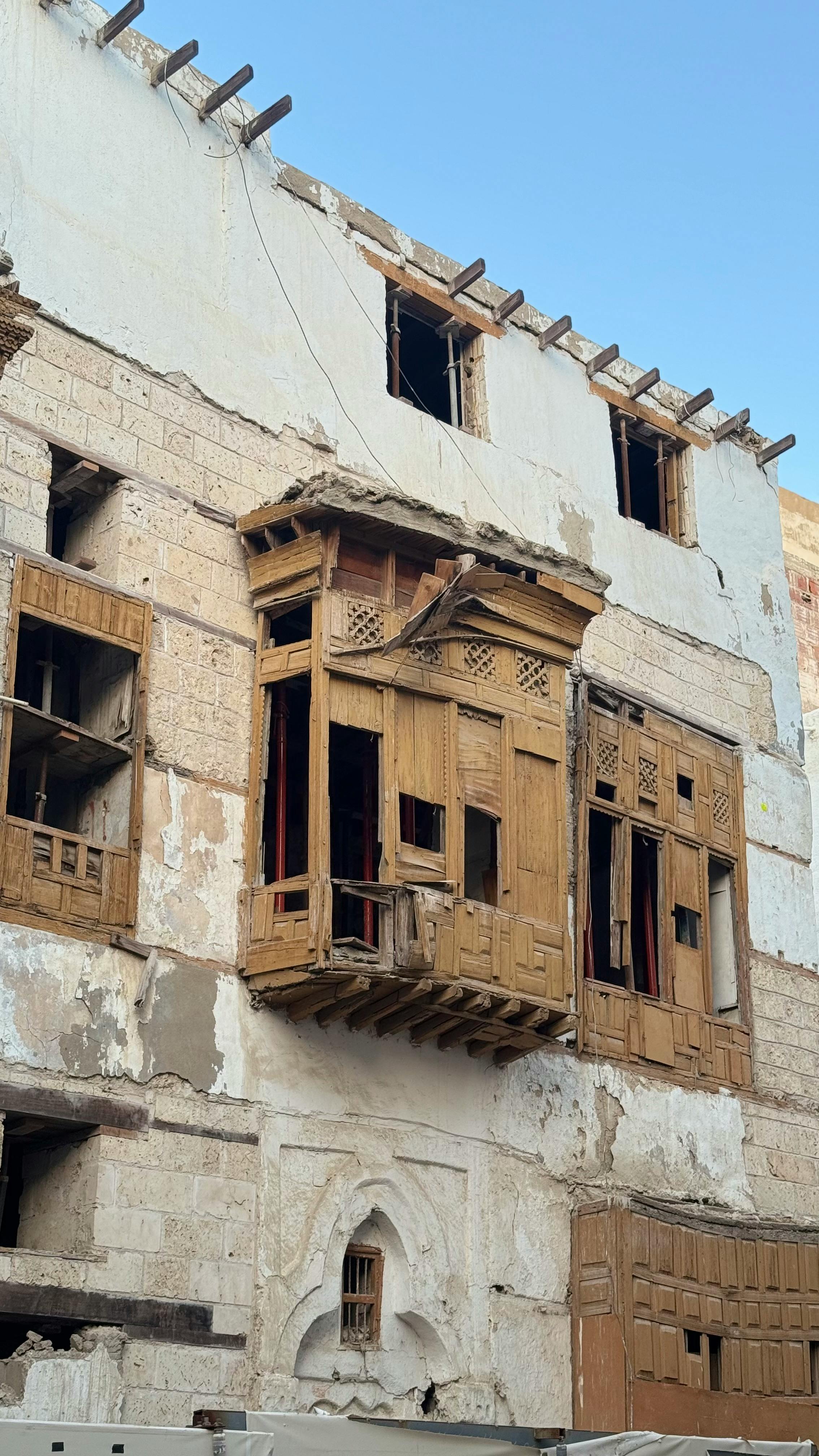
دليل شامل للإتيكيت الثقافي في Saudi Arabia: التحيات، اللباس، رمضان، الأعمال، التصوير، والمزيد لرحلة محترمة وممتعة.
أبرز النقاط
- اخلع حذاءك قبل دخول المساجد والعديد من المنازل السعودية — احمل حقيبة صغيرة لوضع حذائك، وارتدِ جوارب نظيفة كعلامة على الاحترام.
- تُستخدم اليد اليمنى للأكل والتحية وإعطاء الأشياء أو استلامها — واستخدام اليد اليسرى في هذه المواقف يُعدّ قلة أدب في المجتمع السعودي.
- يُحظر تصوير النساء والمنشآت العسكرية والمباني الحكومية دون إذن صريح — اطلب دائمًا الإذن قبل تصوير الأشخاص، خاصة من يرتدون الزي التقليدي.
- خلال أوقات الصلوات الخمس اليومية (التي تستغرق 15-20 دقيقة لكل صلاة)، قد تُغلق المحال التجارية ويتوقف العمل — نزّل تطبيق الأذان لمتابعة أوقات الصلاة وتنظيم الوجبات والتسوق حولها.
- يُتوقع اللباس المحتشم في جميع أنحاء المملكة: يجب على الرجال تجنب السراويل القصيرة في الأسواق والمساجد؛ ويجب على النساء تغطية الأكتاف والركبتين كحد أدنى خارج مناطق المنتجعات. العباية غير إلزامية لكنها لا تزال محل تقدير في المناطق المحافظة.
لماذا تُعدّ آداب السلوك مهمة في المملكة العربية السعودية
المملكة العربية السعودية من أكثر دول العالم كرمًا في الضيافة. غالبًا ما ينبهر الزوار بسخاء المضيفين السعوديين ودفئهم وفضولهم الصادق — إذ تُقدَّم دعوات لمشاركة القهوة والوجبات والحديث بحرية، وغالبًا لغرباء تمامًا. فهم العادات المحلية لا يتعلق بتجنّب الإساءة (فالسعوديون متسامحون بشكل لافت مع الأخطاء الثقافية حسنة النية)، بل بـردّ هذا الكرم بالاحترام. فالزائر الذي يُحيّي بالشكل الصحيح، ويرتدي ملابسه بعناية، ويراعي الأعراف المحلية، ستُفتح له أبواب تبقى غير مرئية لمن لا يدرك هذه الأمور.
شهدت المملكة تحوّلًا اجتماعيًا كبيرًا منذ عام 2019 — إذ أصبحت الفعاليات الترفيهية، وتناول الطعام المختلط بين الجنسين، والموسيقى، وقواعد اللباس الأكثر مرونة جزءًا من الحياة اليومية. لكن القيم الثقافية الأساسية المتمثلة في الأسرة والإيمان والضيافة والكرامة لا تزال راسخة. يقدّم هذا الدليل إرشادات عملية وإيجابية للتعامل مع الثقافة السعودية بثقة. لمزيد من الاستعداد للسفر، راجع دليل أساسيات السفر.
عادات التحية
التحيات في المملكة العربية السعودية دافئة وغير متعجّلة وذات معنى حقيقي.
- التحية القياسية: السلام عليكم، ويُرَدّ عليها بـوعليكم السلام. استخدام هذه التحية — حتى لو بشكل غير متقن — يحظى بتقدير الجميع ويخلق أجواءً إيجابية فورًا.
- التحية بين أبناء الجنس نفسه: المصافحة بين الرجال أمر معتاد وغالبًا ما تكون مطوّلة، مصحوبة بتواصل بصري مباشر وابتسامات وسؤال عن الصحة والعائلة. قد يُحيّي الأصدقاء المقرّبون من الرجال بعضهم بعضًا بعناق خفيف أو ملامسة الأنوف. تُحيّي النساء بعضهن بعضًا بالمثل، وغالبًا بقُبلات على الخدّ بين الصديقات.
- التحية بين الجنسين: يُتجنَّب عمومًا التواصل الجسدي بين رجال ونساء غير محارم. لا تمدّ يدك للمصافحة مع شخص من الجنس الآخر ما لم يبادر هو/هي بذلك. الابتسامة الدافئة، والإيماءة الخفيفة بالرأس، والتحية اللفظية كافية تمامًا ومناسبة. وفي بيئات العمل، يصافح السعوديون الأصغر سنًا بين الجنسين بشكل متزايد، لكن الأفضل ترك المبادرة للطرف السعودي.
- الألقاب: استخدم أبو أو أم متبوعًا باسم الابن الأكبر إذا كنت تعرفه — فهذا علامة احترام. وفي الأوساط الرسمية، يحظى استخدام لقب شيخ أو دكتور أو الألقاب المهنية بالتقدير.
قواعد اللباس بحسب السياق
أصبحت توقعات اللباس في المملكة العربية السعودية أكثر مرونة بشكل ملحوظ، لكنها لا تزال أكثر تحفظًا من معظم المعايير الغربية. المبدأ الأساسي هو الاحتشام دون التشدد.
الأماكن العامة اليومية
- الرجال: بنطال طويل أو شورت طويل (أصبحت السراويل القصيرة فوق الركبة أكثر شيوعًا في المناطق السياحية ومراكز التسوق)، مع قميص تي-شيرت أو قميص بياقة. يرتدي السعوديون أنفسهم الثوب (الرداء الأبيض) يوميًا — لا يُتوقَّع من الزوار فعل الشيء نفسه، لكن ارتداءه (إن دُعيت لذلك) تجربة ثقافية رائعة.
- النساء: ملابس فضفاضة تغطي الكتفين والركبتين. العباية (الرداء الأسود) لم تعد مطلوبة قانونًا للزائرات، رغم أن كثيرًا من النساء — السعوديات والمقيمات — ما زلن يرتدينها. غطاء الرأس غير مطلوب في الأماكن العامة خارج المساجد. وفي الرياض وجدة، سترى نساءً سعوديات بأساليب متنوعة، من التقليدية إلى المعاصرة.
المواقع الدينية
الاحتشام ضروري. يجب على النساء تغطية الشعر وارتداء ملابس فضفاضة طويلة. ويجب على الرجال ارتداء بنطال طويل وقمصان تغطي الكتفين. تُخلع الأحذية قبل دخول المساجد.
الفنادق والمنتجعات وأماكن الترفيه
تُطبَّق المعايير الدولية. ملابس السباحة مناسبة في مسابح الفنادق والشواطئ الخاصة. وفعاليات موسم الرياض وموسم جدة لديها قواعد لباس مرنة مماثلة لأماكن الترفيه الدولية.
اجتماعات العمل
زي عمل محافظ: بدلات أو ملابس عمل أنيقة. غالبًا ما يرتدي المدراء التنفيذيون السعوديون الثوب مع الشماغ (غطاء الرأس) — ويُتوقَّع من الزوار الدوليين ارتداء الزي الغربي الرسمي، وهو أمر محترم.
قواعد التصوير
- المناظر الطبيعية والعمارة: مسموحة بحرية. المملكة العربية السعودية ذات مناظر خلابة استثنائية، والسعوديون فخورون بتراثهم وتطوراتهم الحديثة.
- الأشخاص: اطلب الإذن دائمًا قبل تصوير الأفراد، خصوصًا النساء والعائلات. يسعد معظم السعوديين — وخاصة الأجيال الأصغر سنًا — بالتصوير وغالبًا ما يتخذون وضعيات بحماس، لكن الموافقة ضرورية.
- المنشآت العسكرية والحكومية: يُحظر التصوير قرب القواعد العسكرية والمباني الحكومية والقصور. وهذا الحظر مُعلَن بوضوح عبر اللافتات.
- المساجد: تصوير واجهات المساجد جائز عمومًا. أما التصوير الداخلي فيختلف — بعض المساجد ترحّب به وأخرى تقيّده خلال أوقات الصلاة. اسأل دائمًا.
- الطائرات المسيّرة: يتطلب تشغيل الطائرات المسيّرة موافقة مسبقة من الهيئة العامة للطيران المدني (GACA). قد يؤدي تشغيلها دون إذن إلى المصادرة والغرامات.
آداب زيارة المساجد لغير المسلمين
ترحّب مساجد عديدة في المملكة العربية السعودية بالزوار من غير المسلمين خارج أوقات الصلاة. وهذا تطوّر حديث نسبيًا ومُرحَّب به يعكس رغبة المملكة في مشاركة تراثها الثقافي مع الزوار الدوليين.
- اخلع حذاءك قبل الدخول. عادة ما تتوفر أرفف أو أكياس للأحذية.
- ارتدِ ملابس محتشمة: ملابس طويلة للرجال والنساء على حد سواء. ويجب على النساء تغطية شعرهن بوشاح.
- كن هادئًا ومحترمًا. المساجد أماكن عبادة نشطة، لا متاحف. اخفض صوتك، وتحرّك بحذر، وتجنّب المرور أمام من يُصلّي.
- لا تدخل خلال أوقات الصلاة إلا إذا دُعيت لذلك تحديدًا.
- اطلب الإذن قبل التصوير داخل المساجد.
هام: يقتصر دخول مكة المكرمة والمنطقة الداخلية للمسجد النبوي في المدينة المنورة على المسلمين فقط. وهذا نظام ديني راسخ لا استثناءات فيه.
السلوك خلال شهر رمضان
يُحدث شهر رمضان — شهر الصيام الإسلامي — تحوّلًا في الحياة اليومية في المملكة العربية السعودية. فهم عادات رمضان واحترامها أمر ضروري إذا تزامنت زيارتك مع هذه الفترة.
- ساعات الصيام: يصوم المسلمون من الفجر حتى غروب الشمس (نحو 14 إلى 16 ساعة بحسب الفصل). غير المسلمين غير مُلزَمين بالصيام، لكن يُستحسن تجنّب الأكل والشرب والتدخين في الأماكن العامة خلال ساعات النهار كعلامة احترام. تحرص الفنادق وبعض المطاعم على توفير خدمة طعام نهارية بشكل غير ظاهر للضيوف غير الصائمين.
- الإفطار (كسر الصيام): وجبة غروب الشمس احتفال جماعي. تقدّم مطاعم كثيرة بوفيهات إفطار خاصة، وتوزّع المساجد وجبات إفطار مجانية — وغالبًا ما يُدعى الزوار بحفاوة للمشاركة. قبول دعوة إفطار من أعمق التجارب الثقافية المتاحة.
- نشاط المساء: ليالي رمضان نابضة بالحياة — تمتد الأسواق والمطاعم والتجمعات الاجتماعية إلى ما بعد منتصف الليل. ساعات ما بعد الإفطار هي أفضل وقت لتجربة الضيافة السعودية في أسمى صورها.
- وتيرة العمل: تتغيّر ساعات العمل خلال رمضان، إذ تعمل مكاتب كثيرة بساعات مخفَّضة. حدّد مواعيد الاجتماعات في أواخر الصباح أو أوائل بعد الظهر.
عادات الإكرامية
الإكرامية محل تقدير لكنها ليست إلزامية في المملكة العربية السعودية. ولا توجد ثقافة إكرامية راسخة كما في الولايات المتحدة.
- المطاعم: 10-15% مبلغ سخي ومحل تقدير. تضيف مطاعم راقية كثيرة رسوم خدمة — تحقق من الفاتورة قبل إضافة المزيد. أما في المطاعم غير الرسمية، فتقريب المبلغ أو ترك 5-10 ريالات سعودية أمر معتاد.
- الفنادق: 5-10 ريالات سعودية لكل حقيبة لعمّال الحمل. إكرامية خدمة الغرف محل تقدير لكنها غير متوقعة (10-20 ريالًا سعوديًا مقابل إقامة عدة ليالٍ).
- سيارات الأجرة وتطبيقات النقل: لا تُتوقع الإكرامية في رحلات أوبر أو كريم، لكن تقريب المبلغ شائع. أما سيارات الأجرة التقليدية، فاتفق على الأجرة قبل الانطلاق — والإكرامية الزائدة عن المبلغ المتفق عليه اختيارية.
- المرشدون السياحيون: 50-100 ريال سعودي في اليوم لتجربة إرشاد ليوم كامل مبلغ مناسب ومحل تقدير.
بروتوكول اجتماعات العمل
تمزج ثقافة الأعمال السعودية بين القيم التقليدية القائمة على العلاقات والممارسات المؤسسية الحديثة.
- الالتزام بالمواعيد: احضر في الموعد، لكن توقّع أن تبدأ الاجتماعات بحديث اجتماعي مطوّل — القهوة والشاي والسؤال الشخصي. هذا ليس وقتًا ضائعًا، بل هو أسلوب بناء الثقة. والتسرّع نحو جدول الأعمال يوحي بأنك تُقدّر الصفقة أكثر من العلاقة.
- بطاقات العمل: قدّم بطاقتك واستلم بطاقة الطرف الآخر باليد اليمنى أو بكلتا اليدين. ووجود ترجمة عربية على الوجه الخلفي لمسة محل احترام.
- اتخاذ القرار: ثقافة الأعمال السعودية هرمية. غالبًا ما تتطلب القرارات الكبرى تصعيدًا إلى الإدارة العليا وقد تستغرق وقتًا أطول مما يتوقعه النظراء الغربيون. الصبر والمتابعة ضروريان.
- القهوة العربية: قبول القهوة (التي تُقدَّم في فناجين صغيرة) لفتة مهمة لحسن النية. وقد يُنظَر إلى الرفض على أنه رفض ضمني. تناول فنجانًا واحدًا على الأقل. هزّ الفنجان برفق للإشارة إلى أنك اكتفيت.
- عطلة الجمعة والسبت: يمتد أسبوع العمل السعودي من الأحد إلى الخميس. الجمعة يوم مقدّس ويوم الراحة الأساسي.
تقديم الهدايا
- عند دعوتك إلى منزل سعودي: أحضر هدية — شوكولاتة فاخرة، تمر عالي الجودة، عطر (عود أو بخور)، أو قطعة مميزة من بلدك. الزهور أقل شيوعًا كهدية مقارنة بالثقافة الغربية.
- التقديم: قدّم الهدايا باليد اليمنى أو بكلتا اليدين. قد لا تُفتح الهدية أمام مُهديها — وهذا تواضع، لا عدم اهتمام.
- تجنّب: الكحول (محظور)، منتجات لحم الخنزير، والمصنوعات من جلد الخنزير. ويُستحسن أيضًا تجنّب الأشياء التي تحمل صور الكلاب.
التواصل البصري ولغة الجسد
- التواصل البصري: التواصل البصري المباشر بين الرجال علامة على الصدق والثقة. أما مع النساء، فالتواصل البصري الخاطف مهذب؛ والتحديق المطوّل غير لائق.
- اليد اليسرى: تُعدّ اليد اليسرى تقليديًا غير نظيفة. استخدم يدك اليمنى للأكل والتحية والإعطاء والاستلام. هذا عرف راسخ ومُراعى على نطاق واسع.
- القدمان: يُعدّ إظهار باطن القدمين أو توجيههما نحو شخص ما قلة احترام. كن حذرًا عند الجلوس متربعًا على الأرض (كما في الوجبات التقليدية).
- المساحة الشخصية: المساحة الشخصية بين أبناء الجنس نفسه أقرب منها في الثقافات الغربية — يقف الرجال ويجلسون أقرب إلى بعضهم بعضًا، ومسك الأيدي أو تشابك الأذرع بين الأصدقاء الذكور أمر شائع ولا يحمل أي دلالة عاطفية.
سياسة الكحول
تحظر المملكة العربية السعودية بيع الكحول واستهلاكه واستيراده. وينطبق هذا على جميع الزوار دون استثناء. لا تحاول إدخال الكحول إلى البلاد — تُفحص الأمتعة في الجمارك. هذه السياسة واضحة، وتُطبَّق باستمرار، وهي راسخة بعمق في الشريعة الإسلامية.
والجانب المُشرق: طوّرت المملكة العربية السعودية واحدة من أكثر ثقافات المشروبات غير الكحولية إبداعًا في العالم. فالقهوة المختصة، وبارات العصير الطازج، والمقاهي السعودية التقليدية، وقوائم المشروبات المبتكرة الخالية من الكحول في المطاعم الراقية تقدّم بديلًا غنيًا يجد كثير من الزوار أنهم يفضّلونه فعلًا.
💡 نصائح من الداخل
- قم بالزيارة في الصباح الباكر لتجنّب الازدحام والاستمتاع بدرجات حرارة معتدلة.
- نزّل تطبيق السياحة السعودية للحصول على تحديثات فورية حول الفعاليات والمعالم.
- احمل نقودًا للباعة الصغار، رغم أن معظم الأماكن تقبل البطاقات.
- ارتدِ ملابس فضفاضة محتشمة في الأماكن العامة — الأقمشة الخفيفة الفضفاضة الأنسب في الحرّ.
السلوك العام
- مظاهر المودة في الأماكن العامة: مسك الأيدي بين الأزواج المتزوجين مقبول، لكن التقبيل والعناق في الأماكن العامة غير لائقين.
- الموسيقى والضوضاء: تشغيل الموسيقى الصاخبة في الأماكن العامة، خاصة قرب المساجد خلال أوقات الصلاة، يُعدّ قلة احترام.
- الاصطفاف في الطوابير: ثقافة الاصطفاف آخذة في التطور لكنها ليست عامة بعد. الصبر أجدى من الانزعاج.
- إلقاء النفايات: تُطبَّق غرامات على إلقاء النفايات وقد تكون كبيرة. تستثمر المملكة العربية السعودية بكثافة في نظافة البيئة — احترم هذا الجهد.
- أوقات الصلاة: تُغلق معظم المتاجر والمطاعم لفترة وجيزة خلال الصلوات الخمس اليومية (نحو 15-20 دقيقة لكل صلاة). هذا إيقاع طبيعي للحياة السعودية — استغلّ هذه الفترة للراحة أو التأمل أو مجرد المراقبة.
أهم نصيحة في آداب زيارة المملكة العربية السعودية هي: كن صادقًا. يُقدّر السعوديون الصدق فوق كل شيء. فالزائر الذي يُظهر فضولًا صادقًا وسلوكًا محترمًا ورغبة في التعلّم سيُقابَل بدفء وكرم يحوّلان السفر إلى شيء أعمق من مجرد سياحة. للاستعداد الكامل لرحلتك، راجع دليلي أساسيات السفر وطقوس القهوة السعودية.
خطّط لمغامرتك السعودية
هل أنت مستعد لاكتشاف المملكة؟ يُنشئ مخطِّط الرحلات المدعوم بالذكاء الاصطناعي برامج سفر مخصّصة بناءً على اهتماماتك وميزانيتك ومواعيد سفرك. من أفق الرياض إلى مقابر العُلا القديمة — دعنا نساعدك على اكتشاف المملكة العربية السعودية بطريقتك.
الأسئلة الشائعة
- What should I wear when visiting Saudi Arabia as a foreigner?
- Dress modestly. Women are not required to wear an abaya — it has not been mandatory for foreign visitors since 2019 — but clothing should be loose and opaque, covering shoulders, knees and chest; a headscarf is needed only inside mosques. Men should wear long trousers and shirts with sleeves, avoiding shorts and tank tops. Expectations are stricter outside resort zones and in conservative regions.
- Is it acceptable to shake hands with opposite genders in Saudi Arabia?
- Handshakes between men and women are avoided in conservative settings. Follow the lead of Saudi counterparts if they extend their hand. In business contexts and younger circles, handshakes are more common.
- Can I photograph people and buildings in Saudi Arabia?
- Always ask permission before photographing people for cultural and religious reasons. Avoid photographing government buildings and military installations. Photography is generally permitted in public spaces.
- What are the main dining etiquette rules in Saudi Arabia?
- Use your right hand for eating and gesturing, as the left is considered unclean. Remove shoes when entering homes, accept tea and coffee as hospitality rituals, and wait for the eldest to start eating.