Ha'il: Gateway to the Nefud Desert — Travel Guide 2026

Ha'il travel guide 2026. Nefud Desert, Jubbah rock art UNESCO site, traditional culture, and desert adventures in northern Saudi Arabia.

Key Takeaways

  • Ha'il sits at 1,000 m elevation in northern Saudi Arabia, meaning summer highs stay around 38 °C — cooler than Riyadh's 45 °C+ — making April–October mornings pleasant for hiking.
  • The Jubbah rock art UNESCO site is 90 km north of Ha'il city; rent a car (from SAR 120/day at Ha'il Regional Airport) as no public transport covers the route.
  • Ha'il's Qasr Samhan and A'arif Fort are free to enter and walkable from the old city centre; budget 2–3 hours for both.
  • The Great Nefud Desert begins just 30 km east of Ha'il — licensed 4WD desert tours start at SAR 350 per person through local operators near King Khalid Road.
  • Ha'il's weekly camel market (Al-Hasa Market, Thursdays 07:00–11:00) is free to visit and one of the few remaining active camel auctions open to tourists in the Kingdom.

Ha'il: Gateway to the Nefud Desert — Travel Guide 2026

Welcome to Ha'il, a city steeped in history, etched into the very fabric of the Arabian Peninsula. Often overlooked by the more prominent coastal cities, Ha'il offers a profoundly authentic Saudi Arabian experience, serving as the historical and cultural heart of the northern region. For travelers in 2026 seeking to delve into the soul of the desert, explore ancient civilizations, and witness the enduring spirit of Bedouin hospitality, Ha'il is an unmissable destination. This comprehensive guide will equip you with everything you need to plan an unforgettable journey to the gateway of the majestic Nefud Desert.

Nestled between the imposing Shammar mountain range and the vast expanse of the Nefud, Ha'il has long been a vital crossroads for trade routes, pilgrims, and explorers. Its strategic location has imbued it with a rich tapestry of stories, from the legendary generosity of Hatim al-Ta'i to the rise and fall of the Rashidi emirate. Today, Ha'il blends its proud heritage with modern Saudi development, offering comfortable amenities while retaining its unique character.

Quick Facts for Your Ha'il Trip (2026)

  • Location: Northern Saudi Arabia, at the edge of the Nefud Desert.
  • Best Time to Visit: October to April (cooler temperatures).
  • Currency: Saudi Riyal (SAR). As of early 2026, 1 USD ≈ 3.75 SAR (approximate).
  • Language: Arabic (official). English is spoken in major hotels and tourist-facing establishments.
  • Getting There: Ha'il Regional Airport (HAS) with domestic connections. Road access from major cities.
  • Visa: Required for most non-Saudi nationals. E-Visa or Visa on Arrival (for eligible nationalities) is the most common method. Check Visa Saudi for the latest requirements.

Unveiling Ha'il's Ancient Past: Jubbah and Beyond

Ha'il's most globally significant draw is undoubtedly the UNESCO World Heritage site of Jubbah, home to some of the Arabian Peninsula's most remarkable rock art. Located approximately 90 km northwest of Ha'il city, Jubbah offers a mesmerizing glimpse into prehistoric life, with thousands of petroglyphs carved into the sandstone cliffs of Jebel Umm Sinman.

These intricate carvings, dating back over 10,000 years, depict a vibrant array of human figures, animals (including extinct species like aurochs), hunting scenes, and abstract symbols. A visit to Jubbah in 2026 is a journey back in time, revealing the creativity and daily lives of ancient communities who once thrived in a much greener Arabia. Guided tours are highly recommended to fully appreciate the historical context and decipher the meanings behind these ancient masterpieces. Expect to spend 2-3 hours exploring the main sites, with dedicated pathways and interpretive signage enhancing the experience.

Beyond Jubbah, the region around Ha'il is dotted with numerous archaeological sites, though many require specialized guides and permits to access. The nearby Shuwaymis site, for instance, boasts an even larger collection of petroglyphs, albeit less accessible. For a more curated experience within the city, the Ha'il Regional Museum offers a concise overview of the area's history, from pre-Islamic times to the present day, showcasing artifacts found across the region.

Embracing the Nefud: Desert Adventures and Bedouin Culture

The Nefud Desert is not just a backdrop to Ha'il; it is an integral part of its identity. This vast expanse of shifting red sands, stretching across northern Saudi Arabia, offers unparalleled opportunities for desert adventures. For travelers in 2026, experiencing the Nefud is a must, whether it's a thrilling dune bashing experience or a tranquil night under a star-studded sky.

Many local tour operators in Ha'il offer bespoke desert excursions. A typical afternoon trip might include a drive through towering dunes, offering breathtaking panoramic views, followed by a traditional Bedouin dinner at a desert camp. Prices for such experiences vary but expect to pay around 400-800 SAR (approx. 105-215 USD) per person for a half-day tour including transport, activities, and a meal, depending on the group size and inclusions. For the more adventurous, multi-day camping trips can be arranged, providing a deeper immersion into the desert environment and an opportunity to connect with local Bedouin communities, renowned for their legendary hospitality (karam).

When venturing into the Nefud, remember that respect for the environment and local customs is paramount. Always travel with experienced guides, stay on designated tracks where possible, and ensure all waste is carried out. The serene beauty of the Nefud is fragile, and sustainable tourism practices are crucial for its preservation.

Ha'il City: History, Markets, and Local Flavors

Ha'il city itself, while modernizing, retains a charm rooted in its rich history. The imposing A'arif Fort, perched atop a hill overlooking the city, offers a glimpse into the Rashidi era, the ruling family of Ha'il before the unification of Saudi Arabia. While access to the interior can be limited, the views from its base, especially at sunset, are spectacular. Another significant historical landmark is Barzan Palace, though today only remnants and its historical significance as the seat of the Rashidi emirs remain.

For a taste of local life, a stroll through the traditional souqs (markets) is essential. The Ha'il Souq is a vibrant hub where you can find everything from aromatic spices and traditional garments to local handicrafts and fresh produce. It's an excellent place to engage with locals, practice your Arabic, and perhaps pick up a unique souvenir. Don't miss the opportunity to try local dates and traditional sweets.

Culinary experiences in Ha'il are deeply rooted in Arabian tradition. The city is famous for its hospitality and robust, flavorful dishes. Look out for:

  • Kabsa: The national dish of Saudi Arabia, a fragrant rice dish with meat (often lamb or chicken) and spices.
  • Jareesh: Crushed wheat cooked with laban (yogurt) and meat, a hearty and traditional Ha'il specialty.
  • Tharid: A stew of vegetables and meat layered with thin bread, often served during Ramadan but available year-round.
  • Saudi Coffee (Gahwa): A staple of hospitality, served in small cups with dates.
Expect to pay around 30-70 SAR (approx. 8-19 USD) for a satisfying meal at a local restaurant.

Beyond the Sands: Exploring Ha'il's Natural Beauty

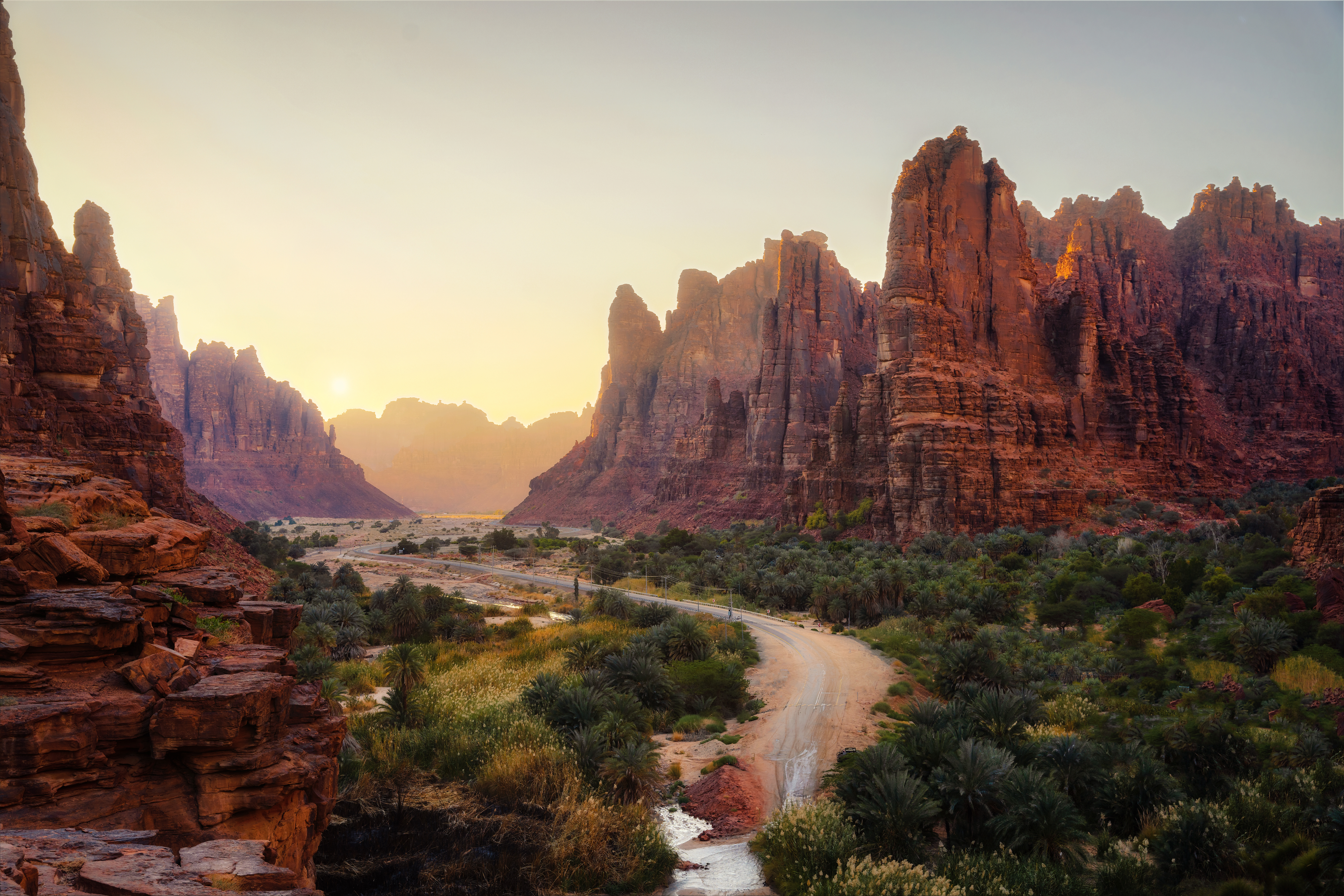
While the Nefud Desert dominates the landscape, the region around Ha'il also boasts other natural wonders. The Shammar Mountains, which cradle the city, offer opportunities for hiking and exploring wadis (dry riverbeds) after seasonal rains. These areas often reveal surprising pockets of greenery and unique rock formations.

For those interested in agriculture, the fertile lands surrounding Ha'il are known for their date palm groves and other crops, thanks to underground water sources. A visit to a local farm, if arranged through a tour operator, can provide insight into the region's agricultural practices and the importance of water in this arid land.

The city's parks, such as Al-Samra Park, offer a pleasant respite and views of the city and surrounding mountains. These are popular spots for local families to gather, especially in the cooler evenings.

Planning Your Trip to Ha'il (2026): Essential Tips

Traveling to Ha'il in 2026 is an enriching experience, but a little planning goes a long way. Here are some key considerations:

Accommodation

Ha'il offers a range of accommodation options, from international chain hotels to more budget-friendly local establishments.

  • Luxury/Mid-Range: Hotels like the Millennium Hotel Ha'il or the Holiday Inn Ha'il offer comfortable stays with modern amenities. Prices typically range from 350-700 SAR (approx. 95-190 USD) per night.
  • Budget-Friendly: Local hotels and guesthouses provide simpler accommodation, often around 150-300 SAR (approx. 40-80 USD) per night.
  • Desert Camps: Some tour operators offer overnight stays in traditional Bedouin camps, providing a unique experience under the stars.

Transportation

  • Getting to Ha'il:
    • By Air: Ha'il Regional Airport (HAS) has direct flights from major Saudi cities like Riyadh, Jeddah, and Dammam.
    • By Road: Excellent road networks connect Ha'il to other parts of Saudi Arabia. Driving is a popular option, or you can take intercity buses (SAPTCO).
  • Getting Around Ha'il:
    • Ride-Hailing Apps: Uber and Careem are readily available and affordable within the city.
    • Taxis: Traditional taxis are also an option, but agree on a price beforehand.
    • Car Rental: Recommended for exploring the surrounding areas and the Nefud Desert independently (with proper off-road experience or with a guide).

      Major rental companies operate at the airport and in the city.

    • Tour Operators: For desert excursions and visits to sites like Jubbah, booking a tour with a local operator is the most convenient and safest option.

Cultural Etiquette

  • Dress Code: While Saudi Arabia is becoming more relaxed, modest dress is still recommended, especially for women. Shoulders and knees should be covered. For men, shorts above the knee are generally not worn in public.
  • Photography: Always ask for permission before photographing people, especially women. Be respectful of privacy.
  • Greetings: A simple "Assalamu Alaikum" (peace be upon you) is a polite greeting.

    Handshakes are common between men; women may greet each other with a handshake or cheek kiss. It's best for men not to initiate a handshake with a woman unless she extends her hand first.

  • Ramadan: If traveling during the holy month of Ramadan (dates vary annually), be aware that most restaurants will be closed during daylight hours. Eating, drinking, and smoking in public during fasting hours are prohibited.

Safety and Health

  • Water: Drink bottled water only.
  • Sun Protection: The desert sun can be intense. Wear hats, sunglasses, and use high-SPF sunscreen.
  • Hydration: Drink plenty of fluids, especially when exploring the desert.
  • Medical Facilities: Ha'il has modern hospitals and clinics. Ensure you have comprehensive travel insurance.
  • Desert Safety: Never venture into the desert alone. Always inform someone of your plans and travel with experienced guides.

Why Ha'il in 2026?

As Saudi Arabia continues its ambitious Vision 2030, Ha'il is poised to become an increasingly accessible and celebrated destination. Infrastructure improvements, a growing tourism sector, and a greater emphasis on cultural preservation mean that visitors in 2026 will find a city that is welcoming, well-equipped, and eager to share its unique heritage.

Ha'il offers a profound departure from the typical tourist trail, inviting travelers to connect with the raw, untamed beauty of the Nefud Desert and the deep-rooted traditions of Arabian hospitality. From the ancient whispers of Jubbah's rock art to the vibrant hum of its souqs and the silent majesty of its dunes, Ha'il promises an authentic and unforgettable journey into the heart of Saudi Arabia.

Prepare to be captivated by its history, enchanted by its landscapes, and warmed by the generosity of its people. Ha'il is more than just a city; it's an experience waiting to be discovered.

Related Guides & Experiences

Continue your northern Saudi adventure:

Discover desert experiences across all destinations.

Frequently Asked Questions

What is the best time to visit Ha'il and the Nefud Desert?
The ideal time to visit Ha'il is October through March when temperatures are moderate (15-25°C). Summer months exceed 40°C, making desert exploration challenging. Winter also offers better visibility for photography and more comfortable trekking conditions.
Is it possible to drive yourself in Ha'il or is a guide required?
While self-driving is possible on main roads, hiring a local guide is strongly recommended for desert exploration and off-road activities. Guides know safe routes, water sources, and can navigate the Nefud's shifting sands. 4WD vehicles are essential for desert ventures.
What activities can you do in the Nefud Desert near Ha'il?
The Nefud Desert offers dune bashing, camel trekking, desert camping, and photography opportunities. Visitors can watch stunning sunrises and sunsets, explore rock formations, and experience traditional Bedouin hospitality at desert camps.
Are there hotels and restaurants in Ha'il city?
Ha'il has several mid-range hotels including Al-Bassam Hotel and numerous dining options serving traditional Saudi and international cuisine. The city is well-equipped for tourists with modern amenities, though luxury options are more limited compared to Riyadh or Jeddah.