Foodie’s Evening in Al-Balad: A 2026 Gastronomic Crawl

The "King of the Red Sea" is Najil (Red Sea Grouper). Ask for it "Fried Hejazi style" with a side of Sayadiyah Rice (brown rice cooked with caramelized

Key Takeaways

  • Start the Al-Balad food crawl at 6:30 PM to catch the golden light on the UNESCO-listed coral-stone towers before the streets fill after Maghrib prayer (around 6:50 PM in winter, 7:30 PM in summer).
  • Must-stop No. 1: Al-Shashai for traditional Hejazi breakfast-style dishes served all day — fuul (fava beans), ful medames, and egg dishes cost SAR 15–30 per portion; open from 7 AM to midnight.
  • Samak (grilled or fried fish) restaurants cluster near the old fishing harbour 10 minutes' walk from Al-Balad's main gate — expect to pay SAR 60–120 for a full fish dinner with rice and salad; no reservations, queue expected after 8 PM.
  • Al-Balad's historic Khan Al-Wakala courtyard hosts pop-up food stalls on weekends (Thursday–Saturday evenings) selling Hejazi sweets like qatayef and luqaimat at SAR 20–40 per portion — check @exploreBalad on social media for current stalls.
  • End the evening at one of the rooftop cafés on Sharia Al-Qabel (rooftop access SAR 0, coffee SAR 15–25) for views over the illuminated mashrabiya windows — the best spots fill by 9 PM so arrive slightly before.

Quick Facts for Your Al-Balad Gastronomic Crawl (2026)

  • Location: Historic Al-Balad District, Jeddah, Saudi Arabia.
  • Best Time to Visit: October to April for pleasant evenings.
  • Currency: Saudi Riyal (SAR). As of 2026, expect roughly 1 USD = 3.75 SAR.
  • Dress Code: Modest attire is recommended for both men and women. Loose-fitting clothing that covers shoulders and knees is ideal.
  • Transportation: Al-Balad is best explored on foot. Taxis or ride-sharing apps (like Uber/Careem) can get you to the district.
  • Estimated Cost (per person, per evening): SAR 150-350 (approx. USD 40-95) depending on choices.
  • Key Dishes to Try: Najil (Red Sea Grouper), Sayadiyah Rice, Mutabaq, Mandi, Ful Medames, Balilah, Luqaimat, Dates, Saudi Coffee.
  • Dining Style: A mix of casual street food, traditional eateries, and upscale heritage cafes.

Welcome to Al-Balad: Where History Sizzles and Spices Dance

In 2026, the food scene in Jeddah's historic Al-Balad district is a masterful mix of "hole-in-the-wall" legends that have been operating for 70 years and chic new heritage cafes. To eat here is to taste the history of the Red Sea—a fusion of spice trades, pilgrimage routes, and coastal tradition. Al-Balad, a UNESCO World Heritage site, isn't just a collection of ancient coral stone buildings; it's a living, breathing museum where every alleyway whispers tales of merchants, pilgrims, and seafarers.

As the sun dips below the horizon, casting long shadows across the intricately carved Roshans (wooden balconies), the district awakens with the tantalizing aromas of grilling fish, connectivity guidemering stews, and freshly baked bread. This is more than just a meal; it's an immersion into the soul of Jeddah.

Our Al-Balad gastronomic crawl in 2026 is designed to guide you through this culinary labyrinth, ensuring you experience the authentic flavors that define this remarkable city. Forget sterile, modern malls; here, the true essence of Saudi health guideity and culinary heritage unfolds in bustling squares and hidden courtyards. We'll navigate the vibrant Souq Al Alawi, discover generations-old recipes, and savor the innovative spirit of Jeddah's new wave of chefs who are respectfully reinterpreting traditional dishes. Prepare your palate for an unforgettable journey, where every bite tells a story.

The King of the Red Sea: Najil and Sayadiyah

The "King of the Red Sea" is Najil (Red Sea Grouper). Ask for it "Fried Hejazi style" with a side of Sayadiyah Rice (brown rice cooked with caramelized onions and aromatic spices). This iconic dish is a must-try for any visitor to Jeddah, especially within the historic confines of Al-Balad.

The preparation of Najil is an art form passed down through generations. Typically, the fresh grouper is marinated in a blend of local spices – turmeric, cumin, coriander, and a hint of chili – before being expertly fried to achieve a crispy skin and succulent, flaky flesh. The sweetness of the caramelized onions in the Sayadiyah rice perfectly complements the savory fish, creating a harmonious balance of flavors that is both comforting and exhilarating.

For an authentic experience, head to Al Saidi Saudi food guide (estimated price for a medium Najil and Sayadiyah: SAR 80-120 / USD 21-32). This establishment, a local favorite for decades, prides itself on its consistent quality and traditional preparation methods. Another excellent option is Abu Zaid, a chain with a strong presence, offering reliable quality, though perhaps a slightly less "hole-in-the-wall" feel than Al Saidi. Remember to ask for the fish to be served with a side of Tahinah (sesame paste sauce) and a fresh salad, often including cucumber, tomato, and a squeeze of lime. The experience of breaking bread (often fresh Tameez) and sharing a large plate of Najil and Sayadiyah with friends or family is a quintessential Jeddah memory.

Street Food Delights: Mutabaq, Ful, and Balilah

As you wander through the labyrinthine alleys of Al-Balad, the aroma of street food is irresistible. One of the most popular and ubiquitous snacks is Mutabaq. This savory (or sweet) pancake-like dish is made from a thin dough, folded around a filling of minced meat (often lamb or beef), eggs, and leeks, then griddled until golden and crispy.

The savory version is typically served with a wedge of lime and a sprinkle of black pepper, while the sweet variant might feature bananas or cream cheese. You'll find numerous street vendors preparing Mutabaq fresh to order, often for as little as SAR 5-10 (USD 1.3-2.6) per piece. Look for the stalls with the longest lines; that's usually a good indicator of quality.

No trip to Al-Balad is complete without trying Ful Medames, a hearty breakfast (or anytime) staple made from slow-cooked fava beans, seasoned with olive oil, cumin, and often served with chopped tomatoes, onions, and fresh herbs. While traditionally a morning dish, many eateries serve Ful throughout the day. It's often scooped up with fresh Tameez bread, a large, flat, slightly chewy bread baked in a traditional tandoor oven. A bowl of Ful typically costs SAR 10-15 (USD 2.6-4).

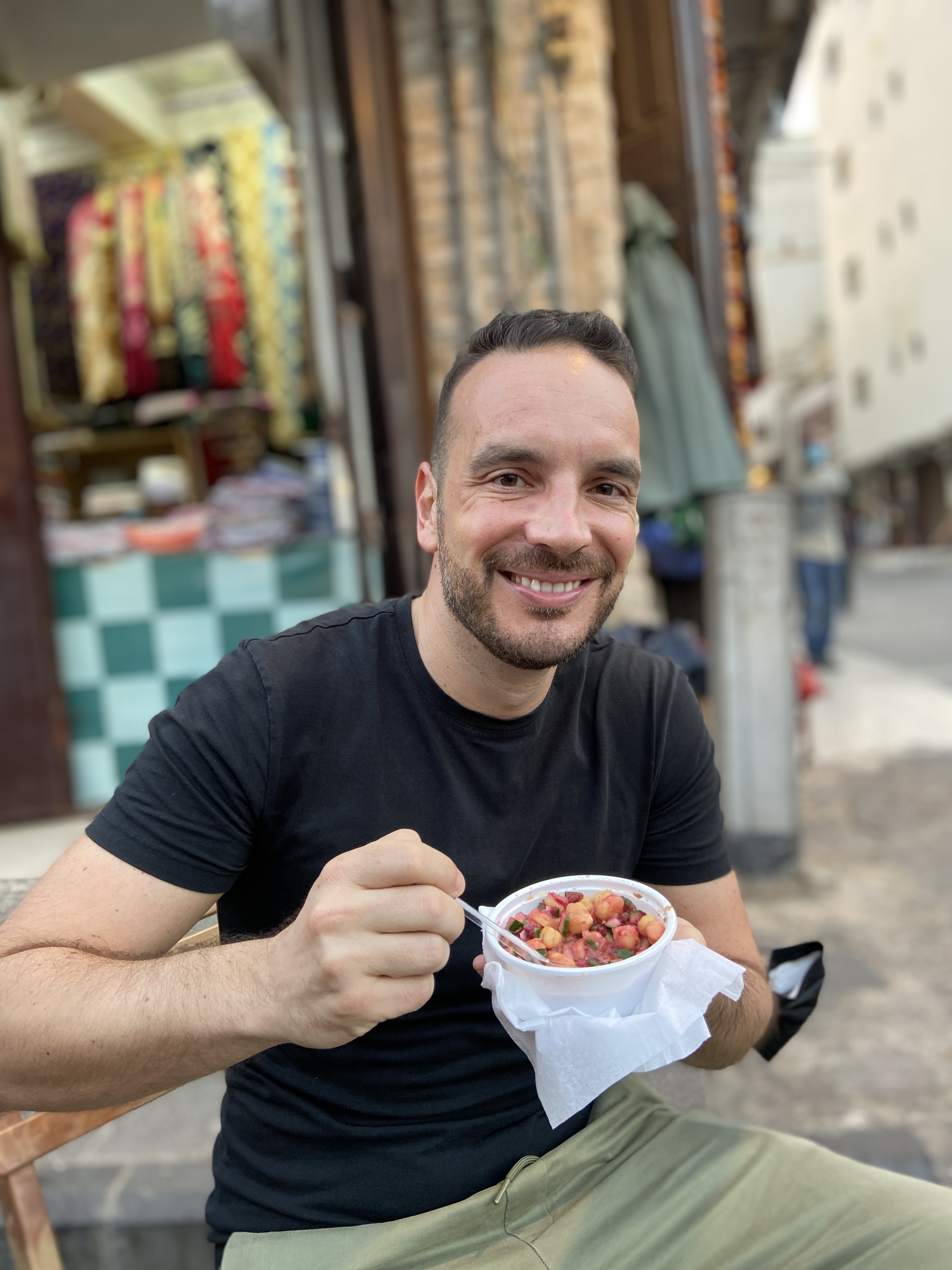
For a refreshing snack, seek out Balilah, a chilled chickpea salad dressed with vinegar, cumin, and chili powder. Vendors often serve it in small cups, perfect for a quick, healthy bite as you explore. A cup of Balilah is usually around SAR 5 (USD 1.3).

Recommended Street Food Stops:

  • Mutabaq & Areekah Shop (near Bab Jadid): A no-frills, authentic spot known for consistently delicious Mutabaq.
  • Al Falah Restaurant: Famous for its Ful Medames and other traditional breakfast items, often bustling with locals.
  • Various mobile carts: Keep an eye out for vendors with steaming pots of Balilah, especially around Souq Al Alawi.

Traditional Hejazi Feasts: Mandi and Beyond

For a more substantial meal, delve into the world of traditional Hejazi feasts, with Mandi often taking center stage. Mandi is a slow-cooked dish of succulent meat (usually lamb or chicken) and fragrant basmati rice, cooked in a special underground oven (taboon) that imparts a unique smoky flavor. The meat is incredibly tender, practically falling off the bone, and the rice is infused with spices like cardamom, cloves, and saffron. While originating from Yemen, Mandi has become a beloved staple throughout the Hejaz region, and Al-Balad boasts several excellent establishments.

Consider visiting Al Baik Restaurant (not the famous fried chicken chain, but a traditional Mandi spot) for an authentic experience. A plate of lamb Mandi can range from SAR 60-100 (USD 16-26), while chicken Mandi is typically SAR 40-70 (USD 10-18). Many places offer family-style portions, perfect for sharing. Another traditional dish to seek out is Saleeg, a creamy white rice porridge cooked with broth and milk, often served with chicken or meat. It's a comforting and hearty dish, especially popular during cooler months. These traditional restaurants often have communal seating, adding to the immersive cultural experience.

Sweet Endings and Saudi Coffee Rituals

After a savory adventure, it’s time to indulge in Al-Balad’s sweet offerings. Luqaimat, small fried dough balls drizzled with date syrup (dibbs) or honey, are a delightful treat. Crispy on the outside, soft and airy on the inside, they are addictive and often served fresh from the fryer. You'll find vendors selling them in small bags or bowls for around SAR 10-15 (USD 2.6-4).

Another essential sweet is, of course, dates. Saudi Arabia is famous for its dates, and in Al-Balad, you'll find a vast array of varieties, from the rich and chewy Ajwa to the sweet and soft Sukkari. Many shops offer samples, allowing you to discover your favorite. A small box of premium dates can cost SAR 20-50 (USD 5-13).

The culinary journey culminates with Saudi Coffee (Gahwa). This light-roasted coffee, flavored with cardamom and sometimes saffron, is a symbol of Arabian hospitality. It's traditionally served in small, handle-less cups called finjan, often alongside dates. Many heritage cafes in Al-Balad offer a serene setting to enjoy this ritual. Bait Al Balad Cafe, with its stunning traditional architecture and rooftop views, offers an exceptional experience. Here, you can sip Gahwa, nibble on dates, and watch the evening unfold across the historic rooftops. Prices for coffee and dates are usually around SAR 20-30 (USD 5-8).

Sweet & Coffee Stops:

  • Bait Al Balad Cafe: For an atmospheric coffee and date experience in a beautifully restored building.
  • Souq Al Alawi: Numerous stalls sell fresh Luqaimat and a wide variety of dates.
  • Al-Balad's hidden courtyards: Keep an eye out for smaller, charming cafes tucked away in quiet spots.

Planning Tips for Your 2026 Al-Balad Gastronomic Crawl

Navigating Al-Balad's culinary scene requires a bit of planning to maximize your experience. Firstly, wear comfortable shoes. The district is best explored on foot, and you'll be doing a lot of walking on uneven surfaces. Secondly, consider visiting in the late afternoon or early evening. Many street food vendors and smaller restaurants come alive as the sun sets, and the cooler temperatures make for a more pleasant experience. Weekday evenings are generally less crowded than weekends (Thursday/Friday evenings in Saudi Arabia).

It's advisable to carry small denominations of Saudi Riyals (SAR) as many smaller street food vendors may not accept credit cards. While English is spoken in many tourist-facing establishments, learning a few basic Arabic phrases like "Shukran" (thank you) and "Kam Hatha?" (how much is this?) will be appreciated. Don't be afraid to try new things; the local vendors are often keen to share their culinary heritage. Embrace the communal dining experience, and remember to stay hydrated, especially during the warmer months, by carrying a water bottle or purchasing fresh juices from local vendors.

"The true essence of Jeddah isn't found in its gleaming skyscrapers, but in the fragrant kitchens and bustling souqs of Al-Balad, where every dish is a story waiting to be told."

Finally, be respectful of local customs and traditions. Dress modestly, especially when entering more traditional establishments or wandering through residential areas. Photography is generally welcomed, but always ask permission before taking close-up shots of individuals. Your Al-Balad gastronomic crawl in 2026 promises to be an enriching and delicious journey, connecting you to the heart and soul of historic Jeddah.

Frequently Asked Questions

What is the best time to visit?

October through March offers the most pleasant weather. Temperatures are mild and perfect for sightseeing. Avoid June to August unless you're visiting coastal areas.

Do I need a visa?

Citizens of 66 eligible countries can get a tourist e-Visa online for SAR 535, medical insurance included. The process is straightforward through the official Saudi visa portal.

Is Saudi Arabia family-friendly?

Yes! Saudi Arabia has invested heavily in family entertainment, parks, and cultural experiences suitable for all ages.

What should I wear?

Modest clothing is expected in public. Lightweight, breathable fabrics work best. Women no longer need to wear an abaya, but shoulders and knees should be covered.

Have you been to Saudi Arabia? Share your experience, favorite spots, and travel tipping in Saudi Arabias in the comments below — your insights help fellow travelers plan better trips!

Plan Your Saudi Adventure

Ready to experience the Kingdom? Our AI-powered Trip Planner creates personalized itineraries based on your interests, budget, and travel dates. From Riyadh's skyline to AlUla's ancient tombs — let us help you discover Saudi Arabia your way.

Frequently Asked Questions

What time should you start a food crawl in Jeddah's Al-Balad?
Begin around 6-7 PM to experience the neighborhood as it comes alive with evening activity. Most traditional restaurants and street food vendors are most active after sunset for the full gastronomic experience.
Are there vegetarian or vegan dining options in Al-Balad?
Yes, traditional dishes like hummus, falafel, tabbouleh, and mujaddara are widely available at street stalls throughout Al-Balad. Vendors will prepare vegetarian versions of rice and meat dishes on request.
How much budget should you plan for an evening food crawl in Al-Balad?
Budget 100-200 SAR (approximately $27-54 USD) per person for a comprehensive food crawl. Street food is particularly affordable (10-30 SAR per item), making it accessible to experience diverse flavors.
What is the most iconic food experience in Al-Balad?
Eating fresh seafood or meat dishes at historic family-run restaurants in the narrow alleyways is quintessentially Al-Balad. Paired with Arabian coffee and dates, this experience connects you to Jeddah's maritime heritage.