Northern Region Travel Guide: Saudi Arabia's Wild Frontier
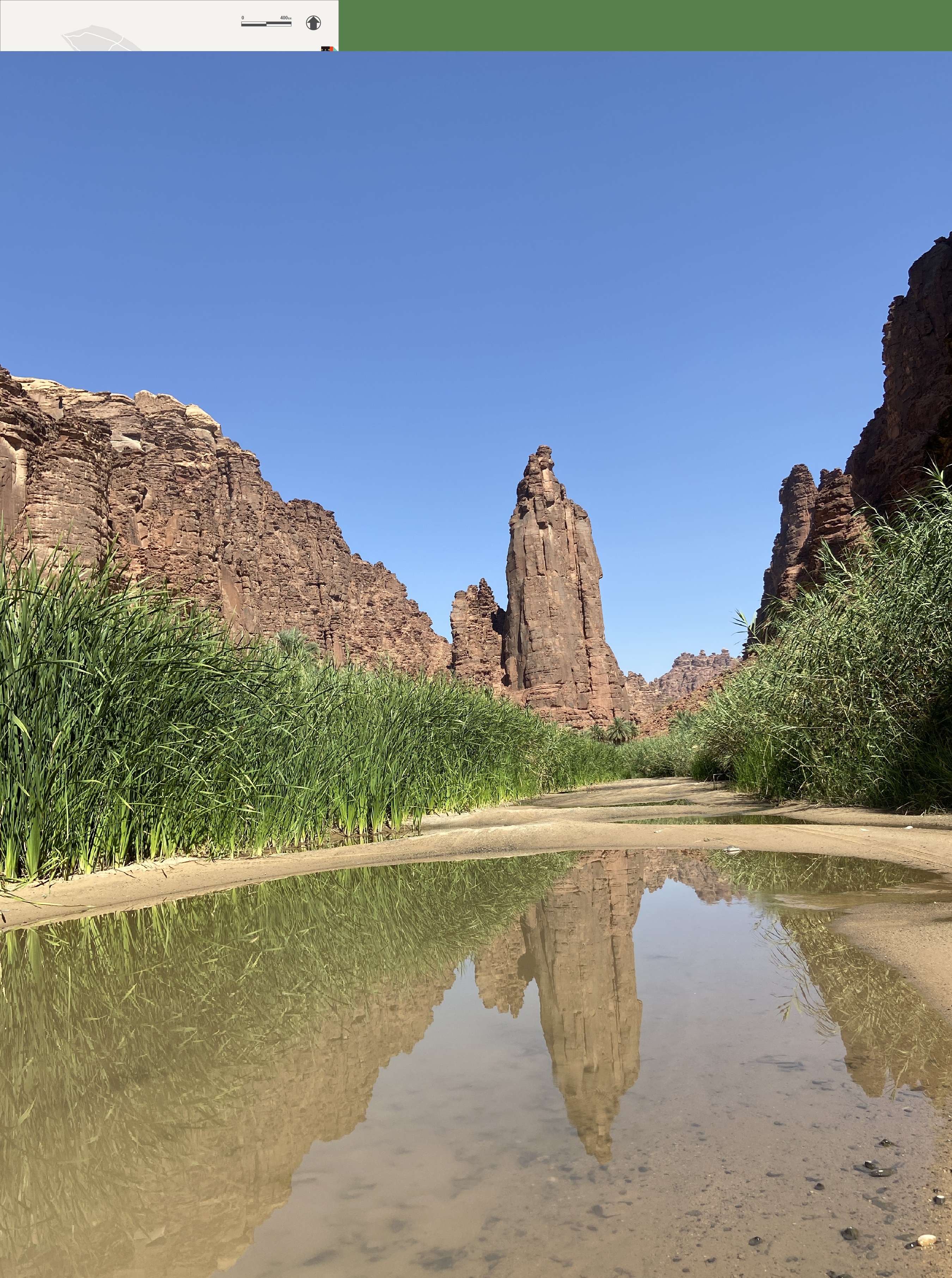
Northern Saudi Arabia travel guide covering Sakaka, Dumat Al-Jandal, Rajajil Columns, and adventure travel in the Kingdom's untamed wilderness.
Key Takeaways
- The northern regions (Tabuk, Hail, Al-Jawf) are Saudi Arabia wild frontier with dramatic landscapes
- Tabuk is the gateway to NEOM and the Hisma Desert — red sandstone formations rivaling Wadi Rum
- Al-Jawf has Dumat al-Jandal with the oldest mosque in Saudi Arabia and Marid Castle ruins
- The northern winter brings occasional snowfall in the Tabuk mountains — a surreal Saudi sight
- Drive the Hail-Tabuk highway (700 km) for one of the most dramatic desert drives in the Middle East
Northern Region Travel Guide: Saudi Arabia's Wild Frontier
Welcome, intrepid traveler, to the Northern Region of Saudi Arabia – a land where ancient history whispers on the wind, dramatic landscapes unfold under an endless sky, and genuine Bedouin hospitality awaits. Far from the bustling metropolises and coastal resorts, this vast and untamed frontier offers a profoundly authentic Saudi experience, perfect for those seeking adventure, cultural immersion, and a glimpse into the Kingdom's rich past. As you plan your 2026 journey, prepare to be captivated by archaeological wonders, stunning desert vistas, and the enduring spirit of a region less explored.
This comprehensive northern saudi arabia travel guide will equip you with all the knowledge needed to navigate this captivating territory, from the historical depths of Dumat Al-Jandal to the enigmatic standing stones of Rajajil. We'll delve into practicalities, highlight must-see attractions, and offer insights into making your trip both seamless and unforgettable.
Quick Facts for Your 2026 Northern Saudi Adventure
- Main Hub City: Sakaka, Al-Jawf Province.
- Major Attractions: Dumat Al-Jandal (Marid Castle, Omar ibn Al-Khattab Mosque), Rajajil Columns, Al-Tuwair Palace.
- Best Time to Visit: October to April for comfortable weather. Avoid peak summer (June-August) due to extreme heat.
- Currency: Saudi Riyal (SAR). Approximately 1 USD = 3.75 SAR (exchange rates may vary slightly in 2026).
- Visa: eVisa available for many nationalities. Check the official Saudi eVisa portal for 2026 requirements.
- Language: Arabic (official). English is spoken in major hotels and by tour guides.
- Dress Code: Modest dress is essential for both men and women. Women are not required to wear an abaya in public, but loose, long clothing is recommended. Headscarves are appreciated when visiting religious sites.
Unveiling Al-Jawf: Sakaka and Beyond
Sakaka, the capital of the Al-Jawf Province, serves as the primary gateway to the Northern Region. While not a tourist destination in itself, it provides essential infrastructure, including an airport (Sakaka Domestic Airport - AJF), hotels, and services. Think of Sakaka as your base camp, from which you'll launch explorations into the surrounding historical and natural wonders. The city itself offers a glimpse into modern Saudi life, with bustling souqs and contemporary architecture, but the true treasures lie just outside its limits.
For travelers arriving by air, Sakaka Airport offers connections to Riyadh and Jeddah, making it relatively accessible. Car rental agencies are available at the airport and in the city center, which is highly recommended for exploring the region independently. Taxis and ride-sharing apps (like Careem or Uber) operate within Sakaka, but for venturing further afield, a rental car or pre-arranged tour is advisable. Expect car rental prices to start from around SAR 150-250 (USD 40-67) per day for an economy vehicle in 2026.
Accommodation in Sakaka
- Mid-range Hotels: Several international and local chains offer comfortable stays, with prices ranging from SAR 250-450 (USD 67-120) per night. Look for options with amenities like Wi-Fi and complimentary breakfast.
- Budget-friendly: Smaller guesthouses or apartments may be available for SAR 150-250 (USD 40-67), but booking in advance is crucial, especially during peak season.
Dumat Al-Jandal: A Journey Through Time
Just a short drive from Sakaka lies Dumat Al-Jandal, a historical oasis town that is undoubtedly the crown jewel of the Northern Region. This ancient settlement boasts a continuous history spanning millennia, from Nabataean and Roman influences to early Islamic periods. Its strategic location on ancient trade routes made it a vital crossroads, and its ruins tell tales of empires and civilizations long past.
The centerpiece of Dumat Al-Jandal is Marid Castle, a formidable stone fortress perched atop a hill, offering panoramic views of the oasis. Its origins date back over 2,000 years, with evidence of Nabataean construction and later Islamic additions. Exploring its ramparts and chambers is like stepping directly into a history book.
Adjacent to the castle stands the magnificent Omar ibn Al-Khattab Mosque, one of the oldest mosques in Islam, believed to have been built in the 7th century CE by the second Caliph, Omar ibn Al-Khattab, during his campaign to the region. Its simple yet profound architecture, featuring a distinctive minaret, is a testament to early Islamic design. Allow at least half a day to fully explore these two iconic sites.
Beyond these major landmarks, wander through the old town of Dumat Al-Jandal, where crumbling mud-brick houses and narrow alleyways evoke a sense of timelessness. You might stumble upon remnants of ancient irrigation systems or discover hidden courtyards. The nearby Dumat Al-Jandal Lake, an artificial lake, offers a pleasant spot for relaxation, especially during cooler evenings. Consider hiring a local guide in Dumat Al-Jandal for a deeper understanding of the history and folklore; prices for a half-day guide typically range from SAR 300-500 (USD 80-133).
The Enigma of Rajajil Columns
South of Sakaka, venturing into the surreal landscape of the Nafud desert, you'll encounter one of Saudi Arabia's most mysterious archaeological sites: the Rajajil Columns (also known as "The Standing Men"). This collection of over 50 megalithic pillars, some reaching up to three meters in height, stands silently in rows, their purpose and exact origin still debated by archaeologists. Dating back approximately 6,000 years, they predate Stonehenge and offer a fascinating glimpse into prehistoric human activity in the Arabian Peninsula.
The site consists of several groups of stone columns, some still upright, others toppled by time. While their precise function remains a subject of academic discussion – theories range from astronomical observatories to burial markers or ceremonial sites – their sheer presence in the vast desert is awe-inspiring. The journey to Rajajil is an adventure in itself, traversing scenic desert roads. It's advisable to visit during daylight hours to fully appreciate the scale and mystery of the site. There are no facilities at Rajajil, so bring water and any other essentials.
"The Rajajil Columns stand as silent sentinels of a forgotten past, inviting us to ponder the ingenuity and beliefs of ancient peoples who shaped this land millennia ago. It's a truly humbling experience." - Explore Saudi Editorial Team.
Beyond the Main Sites: Hidden Gems and Desert Adventures
The Northern Region's allure extends beyond its most famous landmarks. For those willing to venture a little further, a wealth of experiences awaits. One such hidden gem is the Al-Tuwair Palace, a beautifully restored traditional mud-brick palace located near Dumat Al-Jandal. This architectural marvel offers insight into the opulent lifestyle of local rulers in centuries past, with intricate details and spacious courtyards. It's often less crowded than Marid Castle, providing a more intimate experience.
Embracing the Desert:
- Dune Bashing: Experience the thrill of traversing the golden sands of the Nafud desert in a 4x4 vehicle. Several local operators in Sakaka and Dumat Al-Jandal can arrange guided tours, with prices starting from SAR 400 (USD 107) for a short excursion.
- Overnight Camping: For the ultimate immersion, consider an organized overnight camping trip under the stars. The Northern Region's minimal light pollution makes for spectacular stargazing. Expect to pay SAR 800-1500 (USD 213-400) per person for a guided tour including meals and equipment.
- Camel Riding: A more traditional way to experience the desert, camel rides can be arranged through local Bedouin communities or tour operators.
The region is also famous for its olive groves. Al-Jawf is a major producer of olives and olive oil in Saudi Arabia. Visitors can sometimes arrange tours of olive farms, especially during harvest season (typically late autumn), to learn about the cultivation process and sample fresh olive oil. This offers a delightful contrast to the historical and desert adventures.
Planning Your 2026 Northern Saudi Arabia Trip: Essential Tips
Traveling through Saudi Arabia's Northern Region requires a bit more preparation than visiting more established tourist destinations. However, the rewards – authentic cultural encounters, unparalleled historical sites, and breathtaking natural beauty – are well worth the effort.
Logistics and Practicalities:
- Transportation: A rental car is highly recommended for flexibility. Ensure you have a valid international driving permit. Alternatively, pre-book private transfers or guided tours. Roads are generally well-maintained, but some routes to remote sites might be unpaved.
- Connectivity: Mobile phone coverage is generally good in Sakaka and Dumat Al-Jandal, but can be spotty in remote desert areas. Purchase a local SIM card upon arrival for ease of communication and internet access.
- Food & Drink: Enjoy traditional Saudi cuisine – Kabsa (rice with meat), Mandi, and various grilled meats are staples. Restaurants in Sakaka cater to various tastes. Always drink bottled water.
- Safety: Saudi Arabia is a safe country for travelers. Exercise common sense precautions, especially when driving in remote areas. Inform your hotel or tour operator of your itinerary if venturing off the beaten path.
- Respect Local Customs: Saudi society is conservative. Be mindful of local customs, especially during prayer times. Photography of people should always be done with permission.
What to Pack:
- Modest Clothing: Lightweight, breathable long-sleeved shirts and trousers/skirts for both men and women. A light scarf for women is useful for visiting religious sites.
- Comfortable Walking Shoes: Essential for exploring archaeological sites and walking in the desert.
- Sun Protection: Hat, sunglasses, and high-SPF sunscreen are crucial.
- Hydration: Always carry plenty of water, especially when exploring historical sites or venturing into the desert.
- Basic First-Aid Kit: For minor scrapes or ailments.
- Power Bank: To keep your devices charged, particularly in remote areas.
As Saudi Arabia continues its ambitious tourism development under Vision 2030, the Northern Region is set to become increasingly accessible while retaining its wild charm. While infrastructure is improving, the relatively untouched nature of this area means you'll experience a more raw and authentic side of the Kingdom. Embrace the spirit of adventure, open your mind to new cultures, and prepare to be enchanted by the timeless beauty of northern saudi arabia travel guide territory.
Your journey to Saudi Arabia's wild frontier in 2026 promises to be an extraordinary expedition, filled with discovery, wonder, and memories that will last a lifetime. From the ancient stones of Rajajil to the historic grandeur of Dumat Al-Jandal, the Northern Region awaits your exploration.
Related Reading
- Is Saudi Arabia Expensive? A 2026 Guide to Food Prices
- Saudi Arabia Money Guide - Currency, Cards & Budgeting
Plan Your Saudi Adventure
Ready to experience the Kingdom? Our AI-powered Trip Planner creates personalized itineraries based on your interests, budget, and travel dates. From Riyadh's skyline to AlUla's ancient tombs — let us help you discover Saudi Arabia your way.
Frequently Asked Questions
- What is the best time to visit Northern Saudi Arabia?
- October to March offers the most comfortable weather in the Northern Region, with daytime temperatures between 15-25°C, ideal for exploring deserts and archaeological sites. Summer months (June-August) can exceed 45°C and are less suitable for outdoor activities.
- What are the main attractions in Northern Saudi Arabia?
- Key sites include AlUla's ancient Nabatean ruins and Jabal Alfajr, Sakaka's historic fort, and the golden desert dunes. The region combines pre-Islamic heritage, Islamic history, and stunning natural landscapes.
- How do I get to AlUla from Riyadh?
- AlUla is accessible via a 2-hour flight from Riyadh (served by domestic airlines) or a 12-hour drive north. The region has improved infrastructure including new hotels and a modern airport, making access increasingly convenient.
- Is it safe to travel in Northern Saudi Arabia?
- Yes, the Northern Region is safe for tourists with normal precautions. Major tourist areas like AlUla have good security and are well-visited by international travelers, though it's advisable to stay aware of local conditions.