Frauenreisen nach Saudi-Arabien: Sicherheitsleitfaden 2026
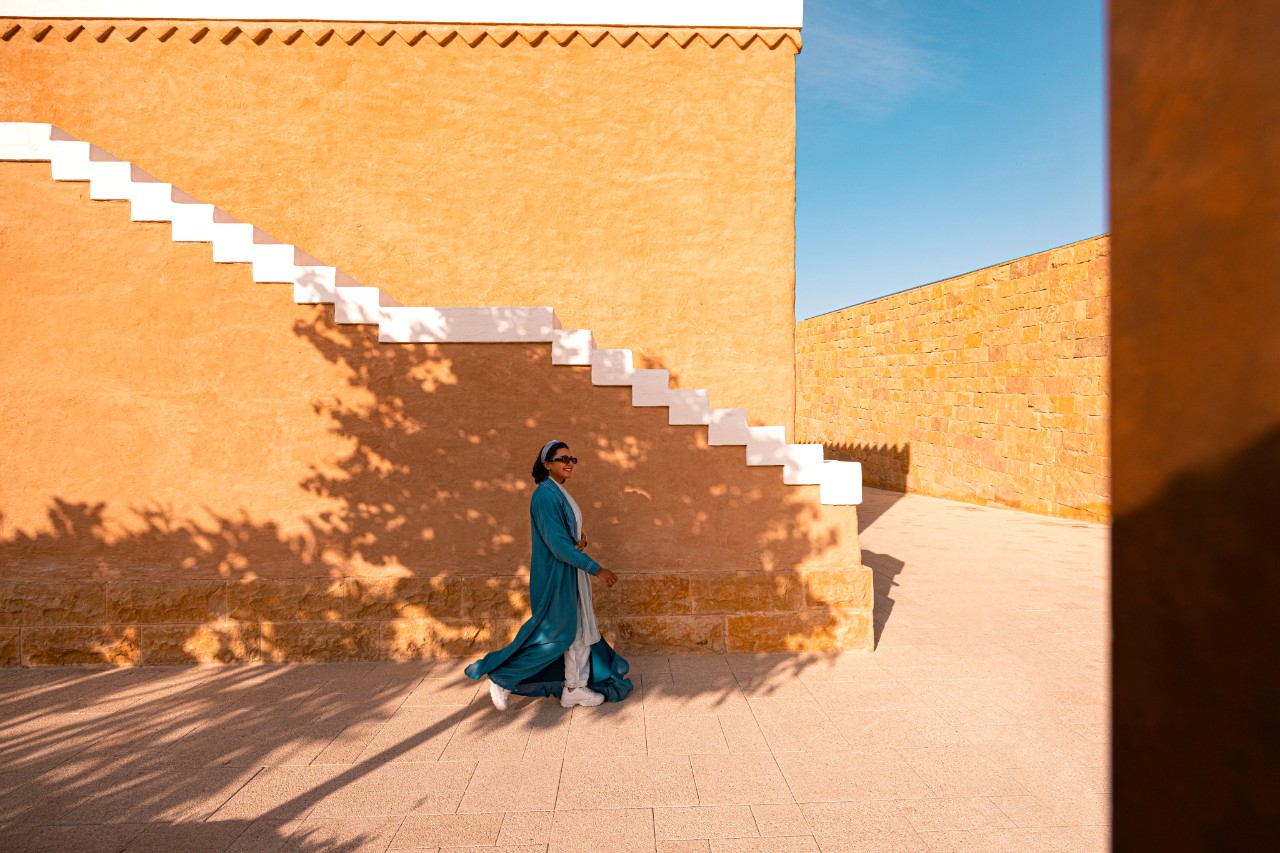
Sicherheitsleitfaden für Frauen, die 2026 nach Saudi-Arabien reisen. Tipps zu Kleiderordnung, Alleinreisen, Notfallkontakten und kulturellen Normen.
Das Wichtigste in Kürze
- Für Touristinnen ist kein männlicher Vormund, keine Erlaubnis und keine Begleitperson erforderlich; Sie können mit Ihrem eigenen Reisepass ein Auto mieten, in ein Hotel einchecken und Zugtickets buchen.
- Die Abaya ist für ausländische Frauen seit 2019 nicht mehr vorgeschrieben - dezente Kleidung, die Schultern und Knie bedeckt, ist der praktische Standard. In Medina und in jeder Moschee sind Abaya und Kopftuch eine starke soziale Erwartung und Voraussetzung für den Zutritt zu Moscheen - keine gesetzliche Pflicht für ausländische Besucherinnen. Packen Sie beides ein und tragen Sie es dort.
- Nicht-Muslime dürfen Mekka nicht betreten, und auch der zentrale Bereich Medinas rund um die Prophetenmoschee ist Muslimen vorbehalten.
- Die 'Family'-Wagen der Riyadh Metro schließen unbegleitete Männer aus und sind die komfortabelste Art, sich in der Hauptstadt fortzubewegen: SAR 4 für zwei Stunden, SAR 20 für drei Tage über die Darb-Karte.
- Speichern Sie 999 - Polizei, funktioniert landesweit, die Nummer, die Sie im Zweifel wählen - sowie 930 (Touristen-Hotline, englischsprachig). Eine einheitliche 911-Leitung ist außerdem in mehreren Regionen in Betrieb, darunter Riyadh, die Region Mekka und die Ostprovinz.
- Alkohol ist in ganz Saudi-Arabien illegal, auch in Hotels, ohne Ausnahme für Touristen.
Vor meiner ersten Reise nach Riyadh packte ich drei Abayas ein, löschte meine Social-Media-Apps und ging davon aus, dass ich die meiste Zeit der Woche in einem Hotelzimmer verbringen würde. Das war das Bild, das ich mir aus einem Jahrzehnt von Schlagzeilen zusammengereimt hatte.
Was tatsächlich passierte: Ich nahm an meinem ersten Abend die Riyadh Metro, ging in weiten Hosen und einem Leinenhemd zu einer Galerieeröffnung im JAX District und verbrachte eine Stunde damit, mit einer saudischen Softwareingenieurin zu sprechen, die selbst dorthin gefahren war.
Saudi-Arabien hat sich schneller verändert, als die meisten Reisehinweise mithalten konnten. Die rechtlichen Hürden, die früher eine Reise für Frauen hier bestimmten, sind verschwunden. Die sozialen sind es nicht, und sie unterscheiden sich enorm zwischen einem Resort in AlUla und einem Nachbarschaftsmarkt im Zentrum Riyadhs. In diesem Guide geht es darum, diese beiden Dinge auseinanderzuhalten.
Die Rechtslage 2026
Die größte Sorge lässt sich am leichtesten ausräumen: Sie brauchen keinen männlichen Vormund, keine Begleitperson und kein Schreiben von irgendjemandem.
- Visum: Staatsangehörige von 66 Ländern können das Touristen-eVisum online beantragen. Es kostet SAR 535 inklusive obligatorischer Krankenversicherung, oder SAR 480, wenn Sie berechtigt sind, es bei Ankunft zu kaufen. Es ist ein Jahr lang gültig, mit mehrfacher Einreise und bis zu 90 Tagen pro Aufenthalt.
- Ankunft: Die Einwanderungsbehörde nimmt Fingerabdrücke und ein Foto auf. Niemand fragt, mit wem Sie reisen.
- Bewegungsfreiheit: Sie können ein Auto mieten und selbst fahren, sich mit Ihrem eigenen Reisepass in ein Hotel einchecken und Inlandsflüge sowie den Haramain-Hochgeschwindigkeitszug buchen, ganz ohne männliche Beteiligung.
Wohin Sie dürfen und wohin nicht
Eine Regel ist absolut und hat nichts mit dem Geschlecht zu tun: Nicht-Muslime dürfen Mekka nicht betreten, und auch der Zugang zum zentralen Bereich Medinas rund um die Prophetenmoschee ist Muslimen vorbehalten. Dies wird durch Kontrollpunkte auf den Zufahrtsstraßen durchgesetzt. Wenn Sie nicht Muslimin sind, planen Sie Ihre Route entsprechend, statt darauf zu hoffen, dass es schon gut geht. Überall sonst im Land - Riyadh, Jeddah, AlUla, die Rotmeerküste, die Ostprovinz - steht Ihnen offen.
Kleiderordnung, Region für Region
Die Abaya ist für ausländische Frauen seit 2019 gesetzlich nicht mehr vorgeschrieben. Was überall weiterhin erwartet wird, ist dezente, lockere Kleidung, die Schultern und Knie bedeckt. Über diesen Grundstandard hinaus ändert sich die praktische Antwort je nachdem, wo Sie gerade sind.
| Wo | Wie es sich anfühlt | Was bei mir funktioniert hat |
|---|---|---|
| Riyadh, öffentliche Bereiche | Konservativ, wandelt sich schnell | Weite Hosen und ein langes Leinenhemd. Für traditionelle Märkte hatte ich eine leichte, vorne offene Abaya in der Tasche. |
| Jeddah, Al-Balad | Spürbar entspannter, feucht | Ein Maxikleid mit einer leichten Jacke. Kein Kopftuch. Ärmellose Oberteile vermeiden. |
| AlUla-Resorts und Wanderwege | International, outdoor-orientiert | Leggings, oversized Shirts, richtige Wanderschuhe. Auf dem Resortgelände ist Badebekleidung am Pool normal. |
| Medina (muslimische Besucherinnen) | Streng religiös | Abaya und Kopftuch. Hier gibt es keinen Graubereich. |
| Jede Moschee | Bedeckt, ruhig | Haare, Arme und Beine bedeckt. Führen Sie einen Schal mit, damit Sie nie unvorbereitet sind. |
Ich hörte auf, die Abaya als Pflicht zu betrachten, und begann, sie als Werkzeug zu nutzen. In einem traditionellen Souq reduziert sie die Aufmerksamkeit, die man auf sich zieht, auf nahezu null. Sie hält Wüstenstaub von der Kleidung darunter fern. Und ältere Saudis schätzen sie sichtlich. Sie brauchen keine schwarze - meine war salbeigrün und vorne offen. Mehr zu den weiteren sozialen Regeln in unserem Guide zur kulturellen Etikette in Saudi-Arabien.
Sicherheit: Was das tatsächliche Risiko ist
Gewaltverbrechen und Diebstahl sind in Saudi-Arabien nach jedem internationalen Vergleich selten. Ich bin in Riyadh um 23 Uhr allein zu meinem Hotel zurückgelaufen und fühlte mich dabei weniger exponiert als in den meisten europäischen Städten, die ich gut kenne.
Die realistischen Risiken sind geringer und eher sozialer Natur: angestarrt zu werden, ohne Zustimmung fotografiert zu werden, oder ein unerwünschtes Gespräch, das nicht endet, wenn Sie es möchten. Zwei Dinge helfen dabei.
- Die App Kollona Amn ("Wir sind alle Sicherheit") ermöglicht es Ihnen, Belästigung direkt bei der Polizei zu melden, mit angehängten Foto- oder Videobeweisen. Einheimische wissen, dass es sie gibt, und genau darin liegt ihr größter Wert.
- Notrufnummern: 999 (Polizei) funktioniert im gesamten Königreich - im Zweifel wählen Sie 999. Eine einheitliche 911-Leitung ist außerdem in mehreren Regionen in Betrieb, darunter Riyadh, die Region Mekka und die Ostprovinz. 930 ist die Touristen-Hotline, auf Englisch besetzt, und wirklich hilfreich bei Nicht-Notfällen - verlorene Buchungen, geschlossene Sehenswürdigkeiten, Streitigkeiten mit einem Fahrer.
Unser umfassenderer Saudi-Arabien-Sicherheitsguide behandelt Hitze, Fahrbedingungen und Wüstenverhältnisse, die statistisch gesehen eher Probleme verursachen als irgendeine Person.
Allein unterwegs
Riyadh Metro
Seit Januar 2025 auf allen sechs Linien in Betrieb und die größte Veränderung für alle, die hier ohne Auto unterwegs sind. Die Fahrpreise laufen über die Darb-Karte: SAR 4 für ein Zwei-Stunden-Ticket in der Standardklasse, SAR 20 für drei Tage, SAR 40 für sieben Tage. Die Karte selbst kostet SAR 10 an jedem Automaten.
Achten Sie auf Wagen mit der Aufschrift Family. Sie sind nicht ausschließlich für Frauen - Ehemänner und Väter fahren dort ebenfalls mit -, aber unbegleitete Männer dürfen sie nicht betreten. Für eine Alleinreisende bedeutet das kein Gedränge und keine Aufmerksamkeit. Ich habe sie jedes Mal genutzt.
Fahrdienste
Uber und Careem funktionieren beide gut. Careem hat in saudischen Städten tendenziell eine bessere Adressierung. Careem bietet eine Option für weibliche Fahrerinnen an, aber das Angebot ist gering, also planen Sie Ihren Zeitplan nicht darauf aufbauend. Setzen Sie sich nach hinten, teilen Sie Ihre Fahrt, und verzichten Sie ganz auf unmarkierte Straßentaxis.
Autofahren
Frauen dürfen hier seit 2018 Auto fahren, und an den Mietwagenschaltern wird eine alleinige Buchung durch eine Frau nicht mit der Wimper wahrgenommen. Der Stadtverkehr ist schnell und forsch; die offenen Wüstenstraßen sind der einfache Teil. Details in unserem Mietwagenguide.
Alleine einchecken
Ich habe in drei Städten mit meinem eigenen Reisepass in Hotels eingecheckt, ohne dass Fragen gestellt wurden. Ausländische Paare werden nicht nach einer Heiratsurkunde gefragt, was im Vergleich zu vor ein paar Jahren eine echte Veränderung ist.
Zwei praktische Hinweise. Erstens: Buchen Sie eher zentral als billig-und-weit-draußen - Fußläufigkeit zählt hier mehr als der Preis pro Nacht, denn ein Taxi von der Straße winken sollten Sie nicht als Rückfalloption einplanen. Zweitens: In Jeddah bringen Sie die Gegenden Al-Hamra und Corniche in Gehdistanz zu den meisten Dingen, wegen derer Sie gekommen sind; unser Jeddah-Hotelguide schlüsselt die Stadtteile auf.
Nur-Frauen-Bereiche, die man kennen sollte
Saudi-Arabien hat eine ungewöhnliche Kategorie von Orten, die es anderswo kaum gibt: hochwertige Bereiche, die ausschließlich Frauen vorbehalten sind, wo die Kleiderordnung komplett wegfällt.
- Nur-Frauen-Strandclubs in Jeddah - Badebekleidung, kein Überwurf nötig, und Kamera-Sticker werden an der Tür angebracht, damit niemand fotografiert wird. Für Wochenenden im Voraus buchen.
- Luthan Hotel & Spa, Riyadh - ein seit Langem bestehendes Nur-Frauen-Hotel. Wenn eine Woche als einzige Frau im Raum Sie erschöpft hat, sorgt eine Nacht hier für einen Neustart.
- Familienbereiche in Restaurants - eine Trennung ist nicht mehr vorgeschrieben, aber die Architektur ist geblieben. Als alleinreisende Frau ist der Familienbereich meist ruhiger, hat oft abgetrennte Sitznischen und lässt Sie ohne Publikum essen.
Praktische Ausrüstung
- Lokale Daten: STC, Mobily und Zain verkaufen alle Besucher-SIM-Pakete bei der Ankunft in Riyadh und Jeddah. STC hat die weiteste Abdeckung, sobald Sie in der Nähe von AlUla oder in der Wüste unterwegs sind.
- Zu Hause anrufen: Sprach- und Videoanrufe über Messaging-Apps waren in Saudi-Arabien zeitweise eingeschränkt. Testen Sie es bei Ankunft, statt es einfach anzunehmen, und vereinbaren Sie eine Rückfalllösung mit denjenigen, die von Ihnen hören möchten.
- Geld: Karten funktionieren fast überall, auch in Taxis und den meisten Cafés. Führen Sie etwas Bargeld für Altstadtmärkte mit. Siehe Bargeld oder Karte in Saudi-Arabien.
- Alkohol: Er ist im gesamten Land illegal, auch in Hotels. Es gibt keine Ausnahme für Touristen und keinen diskreten Umweg, den es zu versuchen lohnt.
- Zeitpunkt: Oktober bis März ist das Zeitfenster, in dem ein Spaziergang durch eine Stadt am Mittag angenehm statt anstrengend ist. Details unter beste Reisezeit für Saudi-Arabien.
- Kein Vormund, keine Erlaubnis, keine Heiratsurkunde. Die rechtlichen Hürden sind verschwunden.
- Abaya nicht erforderlich; dezente Kleidung, die Schultern und Knie bedeckt, ist der praktische Standard.
- Nicht-Muslime dürfen weder Mekka noch den zentralen Bereich Medinas betreten.
- Die Family-Wagen der Riyadh Metro und Careem sind die beiden Transportmittel, die Sie tatsächlich nutzen werden.
- Alkohol ist überall illegal, ohne Ausnahme für Touristen oder Hotels.
Das ehrliche Fazit
Ja, es ist sicher - mit der Einschränkung, dass Sicherheit hier nicht dasselbe ist wie Vertrautheit. Sie besuchen eine Gesellschaft mitten im Wandel. Manche Menschen, die Sie treffen, leben im Jahr 2026: offen, neugierig, wechseln ins Englische, bevor Sie fragen. Manche leben im Jahr 1995. Sie werden beiden am selben Nachmittag begegnen.
Der praktikable Ansatz ist, sich für die konservativere Hälfte zu kleiden und die Infrastruktur der anderen Hälfte zu nutzen. Nehmen Sie die Metro. Speichern Sie die Nummer 930. Fahren Sie nach AlUla. Wenn Sie diese Reise für sich allein abwägen, behandelt unser Guide zum Alleinreisen in Saudi-Arabien die Aspekte, die für alle gelten, die hier allein reisen, nicht nur für Frauen.
Überlegen Sie, ob eine Solo-Reise hierher zu Ihren Terminen passt?
Die Teile, die wirklich Planung erfordern, kann dieser Guide nur skizzieren: welche Städte in welcher Reihenfolge, wie viele Nächte AlUla wirklich braucht, und wo Sie in jeder Stadt übernachten. Planen Sie es mit dem Trip Planner, und wählen Sie dann Ihre Standorte aus unserem Hotelguide - Lage bringt bei einer Solo-Reise hier mehr als die Sternebewertung.
Hinweis: Diese Seite enthält allgemeine Informationen, keine Rechtsberatung. Gesetze in Saudi-Arabien - und wie streng sie durchgesetzt werden - können sich ändern. Prüfen Sie vor Ihrer Reise die aktuellen Regelungen bei offiziellen Quellen: den Reisehinweisen Ihrer eigenen Regierung und den zuständigen saudischen Behörden. Zuletzt geprüft: 9. August 2026.
Häufig gestellte Fragen
- Do women need a male guardian to travel in Saudi Arabia?
- No. Guardianship requirements for travel were removed in 2019, and they never applied to foreign visitors in the way many travellers assume. As a tourist you can enter on your own eVisa, check into a hotel on your own passport, rent and drive a car, and travel domestically without any male involvement or permission.
- Do I have to wear an abaya in Saudi Arabia?
- Not as a foreign visitor. The abaya has not been legally required since 2019. The expectation is modest, loose clothing covering shoulders and knees. In Madinah an abaya and headscarf are a strong social expectation rather than a legal requirement, and covering hair, arms and legs is the condition of entry to any mosque. Many women choose to carry a light abaya for traditional markets simply because it reduces unwanted attention.
- Is Saudi Arabia safe for solo female travellers?
- Violent crime and theft rates are low by international comparison, and most solo female travellers report feeling secure walking in cities at night. The realistic risks are lower-grade — staring, being photographed without consent, or persistent conversation. The Kollona Amn app lets you report harassment with photo evidence, and the tourism call centre on 930 is staffed in English.
- How much does the Saudi tourist visa cost and who is eligible?
- Citizens of 66 countries can apply for the tourist eVisa. It costs SAR 535 online including mandatory medical insurance, or SAR 480 where purchase on arrival is available. The visa is valid for one year with multiple entries and allows stays of up to 90 days.
- Can women travel alone on the Riyadh Metro?
- Yes. Fares run through the Darb card at SAR 4 for a two-hour standard pass, SAR 20 for three days and SAR 40 for seven days, with the card itself costing SAR 10. Carriages marked 'Family' cannot be boarded by unaccompanied men, which many solo travellers find more comfortable, though women can travel in any carriage.
- Can non-Muslim women visit Makkah and Madinah?
- Non-Muslims cannot enter Makkah at all, and the central area of Madinah around the Prophet's Mosque is also restricted to Muslims. This applies regardless of gender and is enforced at checkpoints on the approach roads. All other destinations — Riyadh, Jeddah, AlUla, the Red Sea coast and the Eastern Province — are open to all visitors.