أُملُج والوجه: خلجان خفية على ساحل البحر الأحمر
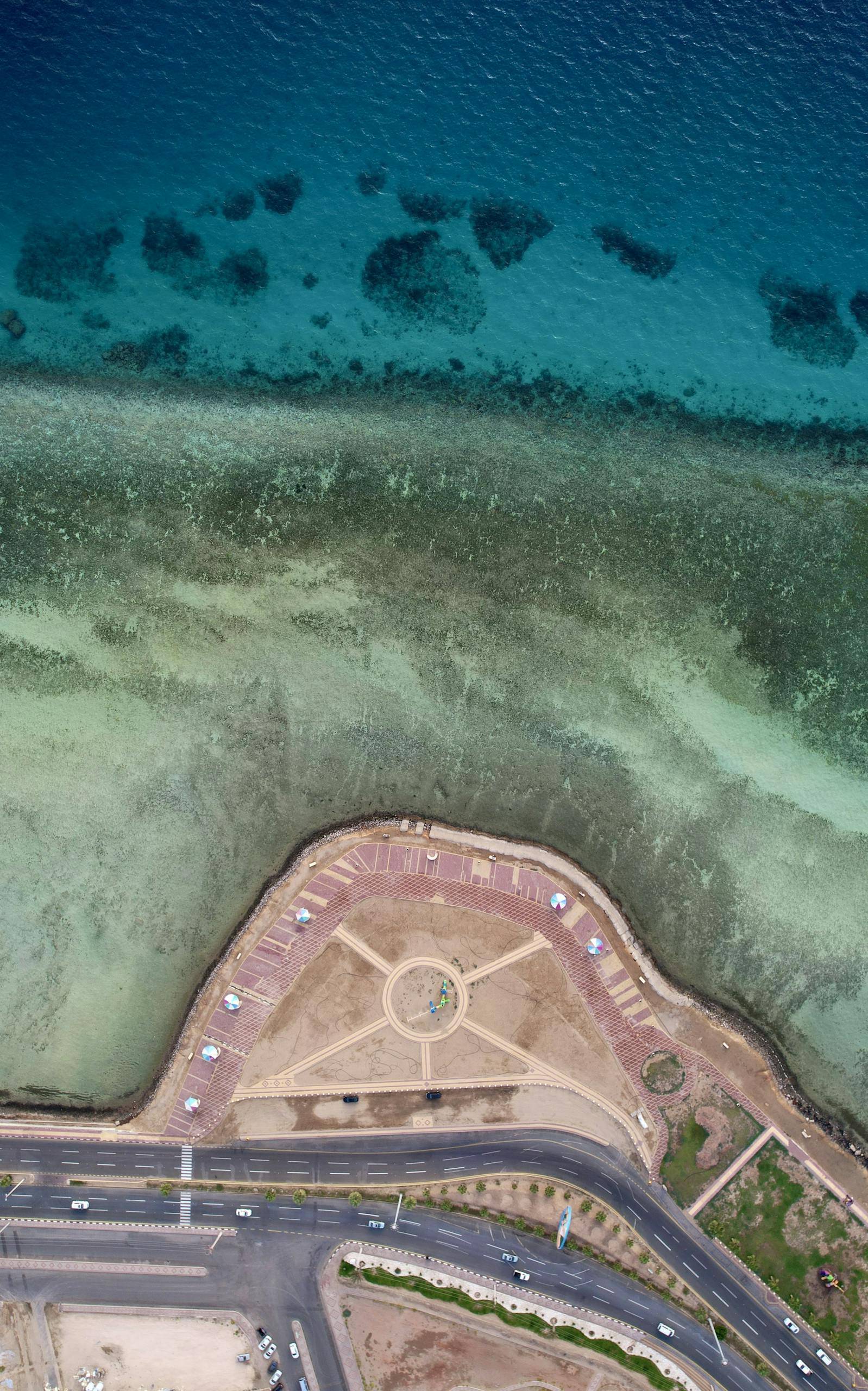
اكتشف أملج والوجه، كنوز البحر الأحمر الخفية في Saudi Arabia. شواطئ بكر، شعاب مرجانية خلابة، ومغامرات غطس لا تُنسى.
أبرز النقاط
- تشتهر أُملُج بأكثر من 100 جزيرة صغيرة برمال بيضاء ومياه ضحلة صافية؛ وتوفر الوجه غوصًا أعمق في حطام السفن وقلعة تاريخية من الحقبة العثمانية
- تكلف الجولات المشتركة بالقارب والغطس بالأنبوب لنصف يوم نحو 100–200 ريال للشخص؛ وتكلف القوارب الخاصة نحو 500–800 ريال
- تقع أُملُج على بُعد نحو 130 كيلومترًا جنوب الوجه في منطقة تبوك، على رحلة برية تستغرق 5–6 ساعات شمال جدة
- الإقامة محدودة بنُزل بوتيك وفنادق متوسطة (250–500 ريال لليلة) — لا توجد سلاسل منتجعات دولية في أي من البلدتين بعد
- أفضل وقت للزيارة من أكتوبر إلى أبريل لبحار أهدأ ودرجات حرارة أكثر اعتدالًا؛ أحضر معدات الغطس الخاصة بك إن توفرت لديك
أُملُج والوجه: خلجان خفية على ساحل البحر الأحمر
على طول الساحل الشمالي الغربي للبحر الأحمر في السعودية، تقع بلدتا الصيد أُملُج والوجه على شريط ساحلي تميّزه الرمال الفاتحة والمياه الفيروزية الصافية والشعاب المرجانية التي لا تستقبل سوى قلة من الزوار. كثيرًا ما يصف المرشدون المحليون أُملُج بـ"جزر المالديف السعودية" بسبب جزرها المتناثرة وبحيراتها الضحلة — وهو وصف لا ينصف مدى اختلاف التجربة الفعلية: لا سلاسل منتجعات، لا زحام، فقط قوارب صغيرة، ومجتمعات صيد عاملة، وشعاب مرجانية ما تزال سليمة إلى حد كبير.
تقع البلدتان في منطقة تبوك، على بُعد رحلة برية تستغرق نحو خمس إلى ست ساعات شمال جدة. البنية التحتية أساسية مقارنة بالعلا أو منتجعات البحر الأحمر الضخمة قيد التطوير قريبًا منها، وهذا جزء من جاذبيتها — فهي لا تزال مكانًا تقل فيه تكلفة رحلة بحرية عن ثمن فنجان قهوة في الرياض، وأعلى صوت على الشاطئ هو صوت المد.
معلومات سريعة لعام 2026
- الموقع: الساحل الشمالي الغربي للبحر الأحمر، منطقة تبوك. تبعد أُملُج نحو 130 كيلومترًا جنوب الوجه براً.
- أفضل وقت للزيارة: من أكتوبر إلى أبريل لدرجات حرارة أكثر اعتدالًا وبحار أهدأ؛ الفترة من مايو إلى سبتمبر حارة لكنها لا تزال مناسبة للأنشطة المائية في الصباح الباكر أو أواخر بعد الظهر.
- العملة: الريال السعودي (SAR)، مربوط بسعر نحو 3.75 ريال مقابل الدولار الأمريكي.
- الدخول: يحتاج معظم الجنسيات إلى تأشيرة إلكترونية سعودية (535 ريالًا عبر الإنترنت، تشمل التأمين الطبي الإلزامي؛ متعددة الدخول، صالحة لسنة، بإقامات تصل إلى 90 يومًا). راجع دليل التأشيرات لدينا لمعرفة الأهلية.
- اللغة: العربية؛ الإنجليزية مستخدمة في الفنادق ولدى مشغلي القوارب المعتادين على السياح.
- قواعد اللباس: لباس محتشم بعيدًا عن الشاطئ؛ ملابس السباحة مقبولة في القوارب وعلى الشاطئ.
لمن تناسب هذه الرحلة
تناسب هذه الوجهة الغواصين وهواة السباحة بالأنبوب الباحثين عن شعاب مرجانية بلا زحام، والمسافرين الذين يمدّون رحلة البحر الأحمر شمالًا من ينبع أو جدة، والمسافرين الذين لا يمانعون بنية تحتية أساسية مقابل شواطئ خالية من الزحام حقًا. أما إن كنت تريد مرافق منتجعات، أو أيام سبا، أو خيارات واسعة من المطاعم، فهذه الوجهة أقل ملاءمة — في تلك الحالة، منتجعات مشروع البحر الأحمر جنوبًا، أو جدة نفسها، خيار أنسب.
أُملُج: جزر وشعاب مرجانية ووتيرة أهدأ
يتناثر على طول ساحل أُملُج أكثر من مئة جزيرة صغيرة، معظمها غير مأهول، برمال بيضاء ومياه ضحلة صافية. المرجان المحيط بها هو الجاذب الحقيقي — تكشف الغطس بالأنبوب هنا بانتظام عن سلاحف بحرية وأسماك شعاب بأعداد نادرًا ما تراها قرب السواحل المأهولة، وفي يوم موفق، خراف بحر (دوجونج).
البلدة نفسها مجتمع صيد عامل أكثر منها منتجعًا — وهذا يتغير تدريجيًا مع تطور مشروع البحر الأحمر على الساحل جنوبًا، لكن أُملُج تظل حاليًا هادئة بلا صخب. وهذه ميزة للمسافرين الراغبين في الاستئثار بالساحل تقريبًا لأنفسهم.
ماذا تفعل في أُملُج
- التنقل بين الجزر: ينظم الصيادون المحليون رحلات بالقوارب إلى جزر مثل جزيرة ضبعة (الملقبة بجزيرة الفلامنغو لزوارها الموسميين). يكلف استئجار قارب خاص لنصف يوم نحو 500–800 ريال؛ أما الجولة المشتركة فتقترب من 100–200 ريال للشخص.
- الغطس بالأنبوب والغوص: أحضر قناعك الخاص إن كان لديك — معدات القوارب مشتركة وليست دائمًا ملائمة المقاس جيدًا. على الغواصين المعتمدين سؤال المشغلين عن رحلات الشعاب الأعمق؛ مراكز الغوص الرسمية لا تزال محدودة لكنها في توسع.
- كورنيش أُملُج عند الغروب: يمتلئ الممشى الساحلي بالعائلات المحلية مساءً — مكان جيد لمشاهدة الغروب ورؤية الحياة اليومية للبلدة.
- سوق السمك: الصباح الباكر هو أفضل وقت لمشاهدة صيد اليوم وهو يصل، وستشوي لك عدة أكشاك قريبة صيدك على الفور.
الوجه: تاريخ وغوص أعمق
على بُعد رحلة برية قصيرة شمالًا، كانت الوجه تاريخيًا ميناءً مهمًا على البحر الأحمر، وما زالت بلدتها القديمة تحمل آثار ذلك — بيوت من الحجر المرجاني، وشرفات خشبية منحوتة، وقلعة مرممة من الحقبة العثمانية (قلعة الوجه) تطل على المرفأ. رسوم دخول القلعة رمزية تتراوح بين 10 و20 ريالًا.
الغوص هو الجاذب الرئيسي للزوار الذين يخوضون عناء القيادة الإضافية: تضم الوجه عدة حطام سفن يسهل الوصول إليها، وأبرزها حطام مرجل معروف يناسب الغواصين المتقدمين. تكلف غطسة بخزانين مع المعدات عادة بين 400 و700 ريال. شاطئ البلدة نفسه أقل إثارة من جزر أُملُج لكنه هادئ ونظيف للسباحة، وتتوفر رحلات صيد بأسعار مشابهة لأُملُج، نحو 400–700 ريال لنصف يوم.
ما وراء الساحل: وادي الديسة وتبوك
إن كان لديك يوم إضافي، يستحق وادي الديسة الانعطافة — واد داخلي من الساحل بجدران صخرية رملية وبساتين نخيل ونقوش صخرية من العصر النبطي، ويُفضّل الوصول إليه بسيارة دفع رباعي. يشكّل تباينًا لافتًا مع المشهد الساحلي ويصلح جيدًا كرحلة يوم واحد من أي من البلدتين.
مدينة تبوك، عاصمة المنطقة، نقطة انطلاق عملية للسفر لاحقًا، وتضم قلعة تبوك، ومحطة سكة حديد الحجاز القديمة، ومرافق مدينة تقليدية أوسع — مراكز تسوق ومطاعم وخيارات فنادق أوسع مما تستطيع أُملُج أو الوجه تقديمه.
الوصول ومكان الإقامة
السيارة المستأجرة هي الطريقة الأعملية لرؤية كلتا البلدتين والساحل بينهما. يوفر مطار ينبع (YNB)، على بُعد نحو 150 كيلومترًا جنوب أُملُج، رحلات داخلية من جدة والرياض؛ ويخدم مطار الوجه المحلي الصغير (EJH) الوجه مباشرة، غالبًا عبر جدة. تستغرق القيادة من جدة نحو 5–6 ساعات على طرق جيدة الصيانة. هذه ليست رحلة يوم واحد من أي مكان — خطط لليلة واحدة على الأقل، ويُفضل ليلتين.
الإقامة محدودة وبسيطة: نُزل بوتيك وفنادق متوسطة من نحو 250 إلى 500 ريال لليلة، مع عدد أصغر من الشقق الفندقية للإقامات الأطول. لا توجد سلاسل منتجعات دولية في البلدتين نفسيهما — فتلك تتركز في تطوير مشروع البحر الأحمر المجاور. احجز مسبقًا خلال موسم أكتوبر–أبريل، حين يرتفع الطلب المحلي.
الطعام والآداب المحلية
توقع سمكًا طازجًا جدًا يُشوى ببساطة — الهامور والنجل (الشعري الأحمر) والشاري (سمك الإمبراطور) من الصيد الشائع، وغالبًا ما يُختار مباشرة من صيد اليوم بنحو 50–100 ريال للوجبة. الصيادية، طبق الأرز والسمك المتبل، طعام إقليمي أساسي، إلى جانب أطباق القمح الأدسم مثل الهريس والجريش، إضافة إلى التمر المعتاد والقهوة المتبلة بالهيل.
البس بلباس محتشم بعيدًا عن الشاطئ، واطلب الإذن قبل تصوير الأشخاص، وتوقع توقف المحال لفترة وجيزة خلال أوقات الصلوات الخمس. في الماء: لا تلمس المرجان أو تقف عليه، وأعد معك كل ما تحمله، واستخدم واقي شمس آمنًا للشعاب — تظل هذه الشعاب سليمة اليوم إلى حد كبير لأنها ترى حركة قليلة جدًا.
خطة بسيطة ليومين
يتخذ معظم الزوار أُملُج قاعدة لهم ويجعلون الوجه رحلة يوم واحد، أو العكس. تبدو نسخة عملية ليومين على النحو التالي:
- اليوم 1: اصل عبر ينبع أو بالسيارة من جدة، وسجّل دخولك في نُزل في أُملُج، واقضِ بعد الظهر في الكورنيش وسوق السمك. احجز قارب تنقل بين الجزر لنصف يوم في الصباح التالي.
- اليوم 2: رحلة بحرية صباحية إلى جزيرة ضبعة للغطس بالأنبوب، ثم قيادة بعد الظهر شمالًا إلى الوجه لتجول في البلدة القديمة وزيارة القلعة، ثم إما المبيت في الوجه أو القيادة عائدًا إلى أُملُج قبل حلول الظلام.
- مع يوم إضافي: أضف رحلة يوم بسيارة دفع رباعي إلى وادي الديسة، أو يوم غوص ثانٍ انطلاقًا من الوجه لمواقع حطام السفن.
السلامة والسفر المسؤول
نقاط عملية تستحق معرفتها قبل السفر: حافظ على ترطيب جسمك واستخدم واقي شمس عالي الحماية، لأن الظل محدود على القوارب والشواطئ؛ توخَّ الحذر مع عادات القيادة المحلية إن قدت ليلًا بنفسك؛ ولاحظ أن أرقام الطوارئ هي 997 (الإسعاف)، 998 (الإطفاء)، و999 (الشرطة) — يغطي خط 911 الموحد الرياض ومكة المكرمة والمدينة المنورة والمنطقة الشرقية، لكن ليس هذه المنطقة بعد.
من الناحية البيئية، لا تقف على المرجان أو تلمسه، واستخدم واقي شمس آمنًا للشعاب، ولا تُطعم الحياة البحرية. تظل هذه الشعاب سليمة لأن عدد القوارب التي تزورها يوميًا قليل جدًا — أمور بسيطة مثل إعادة نفاياتك معك تُحدث فرقًا حقيقيًا في مكان بهذا القدر من قلة التطور.
مواضيع ذات صلة
تخطط لرحلة إلى البحر الأحمر؟
تعمل أُملُج والوجه بشكل أفضل كجزء من مسار أوسع في الشمال الغربي — اقرنهما بالعلا أو ينبع. يمكن لـمخطط الرحلات لدينا المساعدة في رسم أوقات القيادة والمحطات، ويغطي دليل الفنادق لدينا أماكن الإقامة على طول الطريق.
الأسئلة الشائعة
- What makes Umluj and Al Wajh worth visiting?
- Both towns offer Red Sea coastline with very little tourist development - over 100 islands and healthy coral reefs near Umluj, and historic architecture plus deeper wreck diving at Al Wajh.
- What activities are available?
- Island-hopping boat trips, snorkeling and diving, visiting Al Wajh's Ottoman-era fort, and browsing the morning fish market in Umluj. A day trip to Wadi as-Disah canyon is a good add-on.
- How far are Umluj and Al Wajh from major cities?
- Umluj is about 5-6 hours by car from Jeddah, or a shorter transfer from Yanbu Airport (roughly 150 km away). Al Wajh has its own small domestic airport served mainly from Jeddah.
- When is the best time to visit?
- October to April offers the most comfortable temperatures and calmest seas for boat trips and snorkeling. Summer (May-September) is hot but still workable early or late in the day.