الطائف: مدينة الورود — دليلك السياحي الشامل 2026
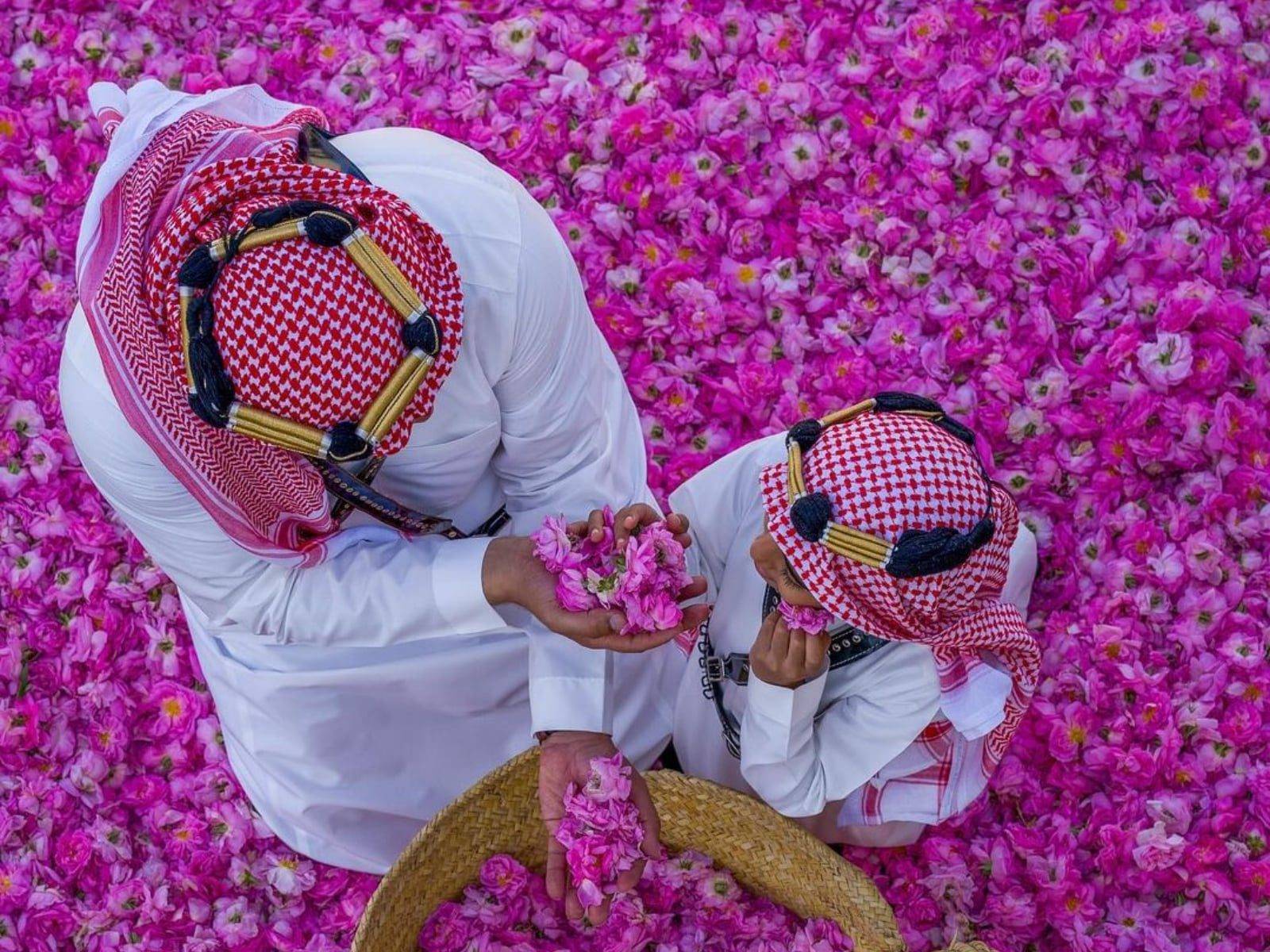
اكتشف الطائف، مدينة الورود السعودية. دليل شامل لعام 2026 يغطي مزارع الورد، جبال الهدا، الأسواق، التلفريك، وأفضل الفنادق لوجهتك الصيفية.
أبرز النقاط
- تُعد الطائف العاصمة الصيفية للمملكة العربية السعودية عند ارتفاع 1,800 متر — تتميز بحدائق الورد وأجوائها المعتدلة وإطلالاتها الجبلية الخلابة.
- يتضمن مهرجان ورد الطائف الذي يُقام في أبريل عروضًا لتقطير الورد وحقولًا من الورد الدمشقي الوردي.
- توفر طرق جبال الشفا والهدا مسارات جبلية متعرجة مثيرة مع إطلالات بانورامية على الأودية.
- لا تبعد الطائف سوى 90 دقيقة بالسيارة عن جدة عبر طريق درج الحجاز الجبلي الخلاب.
- سوق عكاظ سوق عربي قديم أُعيد بناؤه، ويستضيف مهرجانات ثقافية ومسابقات شعرية.
الطائف: مدينة الورود — دليل السفر الشامل 2026
تقع الطائف، التي يشار إليها غالبًا بمودة باسم "مدينة الورود" أو "عاصمة السعودية الصيفية"، على ارتفاع عالٍ في جبال السروات، وتقدم ملاذًا منعشًا من حرارة الصحراء. بفضل مناخها المعتدل، ومزارع الورود العطرة، والمناظر الطبيعية الزراعية الخضراء، ونسيجها الغني من التاريخ والثقافة، تعد الطائف وجهة تأسر الحواس وتجدد الروح. للمسافرين الذين يخططون لرحلة إلى السعودية في عام 2026، تقدم الطائف مزيجًا فريدًا من الجمال الطبيعي والمغامرة والتجارب العربية الأصيلة. سيزودك دليل السفر الشامل هذا إلى الطائف بكل ما تحتاجه لاستكشاف هذه المدينة الساحرة.
بالإضافة إلى ورودها الشهيرة، تفتخر الطائف بسوق نابض بالحياة، وحصون قديمة، ومدن ملاهي حديثة، ومناظر جبلية خلابة يمكن الوصول إليها بالتلفريك. إنها مدينة تزدهر فيها التقاليد جنبًا إلى جنب مع التطور المعاصر، وتقدم شيئًا لكل نوع من المسافرين – من عشاق التاريخ إلى محبي الطبيعة، والعائلات الباحثة عن المغامرة. بينما تواصل السعودية فتح أبوابها للعالم، تبرز الطائف كجوهرة، واعدة برحلة لا تُنسى إلى قلب التراث الثقافي والطبيعي للمملكة.
حقائق سريعة ومعلومات أساسية لزيارتك للطائف في عام 2026
- الموقع: جبال السروات، منطقة مكة المكرمة، غرب السعودية.
- الارتفاع: حوالي 1,879 مترًا (6,165 قدمًا) فوق مستوى سطح البحر.
- المناخ: معتدل، أكثر برودة بكثير من المدن السعودية الأخرى، خاصة في الصيف. توقع أيامًا دافئة وأمسيات باردة.
- أفضل وقت للزيارة: الربيع (مارس-مايو) لموسم الورود، والصيف (يونيو-أغسطس) لدرجات الحرارة الأكثر برودة. الخريف (سبتمبر-نوفمبر) لطيف أيضًا.
- العملة: الريال السعودي (SAR). اعتبارًا من أوائل عام 2026، تقريبًا 1 دولار أمريكي = 3.75 ريال سعودي.
- اللغة: العربية (الرسمية). الإنجليزية مفهومة على نطاق واسع في المناطق السياحية والفنادق ومن قبل الأجيال الشابة.
- التأشيرة: تأكد من حصولك على تأشيرة سياحية سعودية مناسبة. نظام التأشيرة الإلكترونية مبسط للعديد من الجنسيات.
- قواعد اللباس: يوصى باللباس المحتشم، خاصة للنساء. يجب تغطية الأكتاف والركبتين.
- التنقل: سيارات الأجرة، وتطبيقات مشاركة الرحلات (كريم، أوبر)، وتأجير السيارات متوفرة. النقل العام محدود.
جاذبية الطائف: لماذا تزورها في عام 2026؟
تكمن جاذبية الطائف الدائمة في طابعها المميز. على عكس المدن الكبرى الصاخبة مثل الرياض أو جدة، تقدم الطائف تجربة هادئة وممتعة في نفس الوقت. يمنحها ارتفاعها في الجبال مناخًا محليًا فريدًا، مما يجعلها ملاذًا مفضلاً خلال أشهر الصيف الحارة عندما يمكن أن تكون درجات الحرارة في أماكن أخرى من المملكة شديدة. وقد شكلت هذه الميزة الطبيعية تاريخها وثقافتها، مما عزز تقليدًا زراعيًا غنيًا، تشتهر بشكل خاص بزهورها وعنبها ورمانها وعسلها.
بالنسبة للزوار في عام 2026، تمثل الطائف فرصة لمشاهدة قطاع السياحة المزدهر في السعودية بشكل مباشر، مع الاستمرار في تجربة الحياة المحلية الأصيلة. التحسينات في البنية التحتية، بما في ذلك شبكات الطرق المحسنة والعدد المتزايد من أماكن الإقامة عالية الجودة، تجعل الطائف أكثر سهولة وراحة من أي وقت مضى. إنها فرصة للتعمق في منطقة غارقة في التاريخ، حيث تتشابك الحكايات القديمة مع الحياة العصرية النابضة بالحياة، وكل ذلك يقع على خلفية من الجمال الطبيعي الخلاب.
استكشاف القلب العطر: مزارع ورود الطائف
لن يكتمل أي دليل سفر للطائف دون تسليط الضوء على أبرز ميزاتها: الورود. ورود الطائف مشهورة عالميًا برائحتها القوية وتستخدم في العطور وماء الورد وزيت الورد – وهي سلع ذات قيمة عالية. أفضل وقت لمشاهدة حصاد الورود وعملية التقطير هو خلال الربيع، عادة من مارس إلى مايو، عندما تكون الحقول مليئة بالزهور الوردية الزاهية.
ترحب العديد من مزارع الورود حول الطائف بالزوار. يمكنك القيام بجولة إرشادية لفهم العملية الدقيقة لزراعة وحصاد هذه الزهور الرقيقة. إن مشاهدة طرق التقطير التقليدية، حيث يتم تبخير البتلات بلطف لاستخراج جوهرها الثمين، هي تجربة آسرة حقًا. تحتوي العديد من المزارع أيضًا على متاجر حيث يمكنك شراء منتجات ورود الطائف الأصيلة، من زيت الورد النقي (توقع أن تدفع حوالي 100-300 ريال سعودي / 27-80 دولارًا لزجاجة صغيرة، حسب النقاء) إلى ماء الورد والصابون والعطور. إنها تذكار مثالي يجسد جوهر الطائف.
ما وراء الزهور: الجواهر التاريخية والثقافية
متحف قصر شبرا
كان قصر شبرا في السابق مقر إقامة ملكي، وهو تحفة معمارية تعرض تأثيرات حجازية ورومانية. بُني في أوائل القرن العشرين، وهو الآن بمثابة متحف، يضم قطعًا أثرية رائعة تحكي قصة الطائف والمنطقة الأوسع. استكشف تصميماته الداخلية المزخرفة، وشرفاته الخشبية المعقدة، والمعروضات التاريخية. خصص 1-2 ساعة للزيارة. رسوم الدخول عادة ما تكون رمزية، حوالي 10-20 ريال سعودي (3-5 دولارات).
سوق الطائف القديم (سوق عكاظ)
بينما سوق عكاظ التاريخي، المشهور بمسابقاته الشعرية القديمة والتجارة، هو الآن موقع مهرجان ثقافي سنوي (عادة في فبراير/مارس)، يقدم سوق الطائف القديم الحديث في وسط المدينة لمحة حيوية عن التجارة المحلية. تجول في أزقته الصاخبة، حيث يمكنك العثور على الملابس التقليدية، والتوابل، والعسل المحلي، والمنتجات الطازجة، وبالطبع منتجات الورود. إنه مكان ممتاز لممارسة مهاراتك في المساومة والانغماس في الأجواء المحلية. الأمسيات تكون حيوية بشكل خاص.
منتزه الردف
منتزه حضري مترامي الأطراف يجمع بين الطبيعة والترفيه بشكل مثالي. يضم الردف بحيرات صناعية وشلالات ونباتات متنوعة ومناطق لعب للأطفال وحتى حديقة حيوان صغيرة. إنه مكان شهير للعائلات والسكان المحليين للاسترخاء والتنزه والاستمتاع بأمسيات الطائف الباردة. الدخول مجاني، ويمكن الوصول إليه بسهولة من وسط المدينة.
مغامرات جبلية ومناظر طبيعية خلابة
طريق جبل الهدا وتلفريك الهدا
يُعد طريق جبل الهدا المتعرج أعجوبة هندسية، ويؤدي إلى منطقة منتجع الهدا. توفر القيادة نفسها مناظر بانورامية خلابة للوديان أدناه. أبرز ما يميز هذا المكان هو تلفريك الطائف، الذي ينحدر من هضبة الهدا إلى قاع الوادي، ويوفر مناظر جوية خلابة للمناظر الطبيعية الوعرة. الرحلة التي يبلغ طولها 4 كيلومترات مبهجة ويجب القيام بها لأي زائر. تبلغ أسعار تذاكر الذهاب والإياب حوالي 90-120 ريال سعودي (24-32 دولارًا أمريكيًا) للشخص الواحد. في الأعلى، ستجد العديد من المقاهي والمتنزهات الترفيهية الصغيرة مثل مدينة الهدا الترفيهية.
جبال الشفا
أعلى من الهدا، تعد الشفا أعلى قمة في الطائف، وتوفر مناظر طبيعية أكثر إثارة ودرجات حرارة أكثر برودة. إنه مكان شهير للمشي لمسافات طويلة والتنزه والاستمتاع بغروب الشمس الخلاب. القيادة إلى الأعلى ذات مناظر طبيعية خلابة، مروراً ببساتين الفاكهة والقرى الصغيرة. ستجد بائعين محليين يبيعون العسل والمنتجات الطازجة على طول الطريق. فكر في إحضار سترة خفيفة، حتى في الصيف، حيث يمكن أن تنخفض درجات الحرارة بشكل كبير.
المأكولات الشهية: ماذا تأكل في الطائف
تُترجم الثروة الزراعية في الطائف إلى مشهد طهي مبهج. لا تغادر دون تجربة هذه الأطباق المحلية:
- عسل الطائف: يشتهر بنقائه ونكهته المميزة، وغالبًا ما يكون غنيًا بخلاصة الزهور المحلية.
- عنب ورمان الطائف: موسمي وحلو بشكل لا يصدق. ابحث عن الأكشاك على جانب الطريق التي تبيع المنتجات الطازجة.
- السليق: طبق سعودي تقليدي، يحظى بشعبية خاصة في منطقة الحجاز، مصنوع من الأرز الأبيض المطبوخ في الحليب أو المرق، وغالبًا ما يقدم مع الدجاج أو اللحم المشوي. إنه طبق دسم ومريح.
- المنسف/المدفون: لحم مطبوخ ببطء (لحم ضأن أو دجاج) مع أرز عطري، مطبوخ في فرن تقليدي تحت الأرض. عنصر أساسي في المطبخ السعودي.
- العصيدة: عصيدة غنية وسميكة غالبًا ما تصنع من دقيق القمح، وتقدم مع العسل أو التمر.
- المقاهي المحلية: استمتع بالقهوة العربية التقليدية (القهوة) مع التمر، أو جرب عصائر الفاكهة الطازجة.
نصائح عملية لتخطيط رحلتك إلى الطائف عام 2026
الإقامة
تقدم الطائف مجموعة من خيارات الإقامة، من الفنادق ذات الميزانية المحدودة إلى المنتجعات الفاخرة، خاصة في منطقة الهدا.
- الفاخرة: فكر في فنادق مثل إنتركونتيننتال الطائف أو فندق راديسون بلو الطائف، التي تقدم وسائل راحة وخدمات ممتازة (500-1000+ ريال سعودي / 130-270+ دولارًا أمريكيًا في الليلة).
- متوسطة المدى: تقدم العديد من الفنادق المريحة قيمة جيدة، مثل فندق أواليف الدولي أو سويس سبريت هوتيل آند سويتس الطائف (250-500 ريال سعودي / 65-130 دولارًا أمريكيًا في الليلة).
- الميزانية المحدودة: توفر الفنادق الصغيرة وبيوت الضيافة خيارات اقتصادية أكثر (100-250 ريال سعودي / 27-65 دولارًا أمريكيًا في الليلة).
المواصلات
- الوصول بالطائرة: يمتلك مطار الطائف الإقليمي (TIF) رحلات داخلية وبعض الرحلات الدولية. مطار الملك عبد العزيز الدولي (JED) في جدة هو مركز دولي رئيسي، على بعد حوالي ساعتين بالسيارة من الطائف.
- بالسيارة: يوفر استئجار سيارة أكبر قدر من المرونة لاستكشاف الطائف وجبالها المحيطة. تعمل وكالات تأجير السيارات الدولية الكبرى في المملكة العربية السعودية. تأكد من حصولك على رخصة قيادة دولية.
- سيارات الأجرة وخدمات مشاركة الركوب: متوفرة بسهولة في المدينة. اتفق على الأجرة مسبقًا لسيارات الأجرة، أو استخدم كريم/أوبر للحصول على أسعار شفافة.
- حافلات النقل بين المدن: تدير شركة سابتكو خدمات حافلات موثوقة تربط الطائف بالمدن السعودية الكبرى الأخرى.
الاتصال والأساسيات
- بطاقة SIM: اشترِ بطاقة SIM محلية عند الوصول إلى المطار أو من مزودي الخدمة الرئيسيين مثل STC أو موبايلي أو زين لسهولة الوصول إلى الإنترنت والمكالمات.
- محولات الطاقة: تستخدم المملكة العربية السعودية مقابس طاقة من النوع G (مثل المملكة المتحدة) بجهد 230 فولت و 60 هرتز. أحضر محولًا عالميًا.
- الصحة والسلامة: الطائف آمنة بشكل عام. حافظ على رطوبة جسمك، خاصة إذا لم تكن معتادًا على المناخ. الحماية من الشمس (قبعة، واقي شمسي) ضرورية. احمل أي أدوية شخصية ضرورية.
الآداب والعادات المحلية
- احترم العادات المحلية: ارتدِ ملابس محتشمة، خاصة عند زيارة المواقع الدينية أو المناطق التقليدية.
- التحية: "السلام عليكم" البسيطة هي تحية مهذبة.
- التصوير الفوتوغرافي: اطلب دائمًا الإذن قبل تصوير الأشخاص، وخاصة النساء. كن حذرًا.
- رمضان: إذا كنت تسافر خلال شهر رمضان المبارك، فاعلم أن معظم المطاعم ستكون مغلقة خلال ساعات الصيام (من شروق الشمس إلى غروبها). يحظر عمومًا الأكل والشرب والتدخين في الأماكن العامة خلال ساعات الصيام.
ما وراء الطائف: رحلات اليوم الواحد والمعالم القريبة
بينما تقدم الطائف الكثير لإبقائك مشغولاً، فإن موقعها الاستراتيجي يجعلها قاعدة ممتازة لاستكشاف مواقع أخرى مهمة في المنطقة.
مكة المكرمة
مكة المكرمة، أقدس المدن في الإسلام، تبعد حوالي ساعة بالسيارة عن الطائف. يقتصر الدخول إلى الحرم المكي الشريف ووسط المدينة على المسلمين. إذا كنت مسلماً، يمكن بسهولة الجمع بين زيارة لأداء العمرة ورحلتك إلى الطائف. يجب على غير المسلمين الانتباه إلى هذه القيود والتخطيط وفقاً لذلك.
جدة
تبعد مدينة جدة الساحلية النابضة بالحياة على البحر الأحمر حوالي ساعتين بالسيارة عن الطائف. تقدم تجربة متناقضة مع منطقتها التاريخية "البلد"، وواجهتها البحرية الحديثة، ومشهدها الفني الصاخب. يمكن أن تكمل رحلة ليوم واحد أو إقامة لليلة واحدة في جدة ملاذك الجبلي.
الباحة
جنوباً في جبال السروات، تقدم الباحة مناظر جبلية أكثر إثارة، وقرى قديمة (مثل ذي عين)، ودرجات حرارة أكثر برودة. إنها رحلة أطول ولكنها مجزية لأولئك الذين يبحثون عن استكشاف أعمق لمرتفعات جنوب غرب المملكة العربية السعودية.
الخلاصة: رحلتك التي لا تُنسى إلى الطائف تنتظرك
الطائف، مدينة الورد، هي أكثر من مجرد ملاذ صيفي؛ إنها وجهة تزخر بالثراء الثقافي والجمال الطبيعي وكرم الضيافة السعودي الأصيل. من العطر الفواح لمزارع الورد إلى الارتفاعات المبهجة لقطاراتها الجبلية المعلقة، والسحر الخالد لأسواقها، تعد الطائف بتجربة ستبقى في الذاكرة طويلاً بعد زيارتك.
بينما تواصل المملكة العربية السعودية رحلتها التحولية وترحب بالعالم، تقف الطائف على أهبة الاستعداد لسحر المسافرين بمزيجها الفريد من التقاليد والتقدم. خطط لمغامرتك لعام 2026 إلى هذه المدينة الجبلية الآسرة، واكتشف لماذا تعد الطائف حقاً جوهرة في تاج السياحة السعودية. انغمس في تاريخها، وتذوق نكهاتها، واستنشق هواء الجبل المنعش – رحلتك التي لا تُنسى تنتظرك.
💡 نصائح داخلية
- قم بالزيارة في الصباح الباكر لتجنب الازدحام والاستمتاع بدرجات حرارة مريحة.
- قم بتنزيل تطبيق السياحة السعودية للحصول على تحديثات فورية حول الفعاليات والمعالم السياحية.
- احمل نقوداً للباعة الصغار، على الرغم من أن معظم الأماكن تقبل البطاقات.
- ارتدِ ملابس محتشمة في الأماكن العامة — الملابس الخفيفة والفضفاضة هي الأفضل في الحرارة.
أدلة وتجارب ذات صلة
واصل استكشاف مرتفعات الحجاز:
- الصيف: المملكة العربية السعودية في الصيف — الطائف هي أفضل وجهة صيفية
- الفنادق: فنادق بوتيك أبها وعسير — إقامات مرتفعة قريبة
- جدة: دليل السفر إلى جدة — على بعد ساعتين فقط
- التصوير الفوتوغرافي: دليل التصوير الفوتوغرافي — لقطات لمزارع الورد والجبال
- العائلات: السفر العائلي في السعودية
- خطط لرحلتك: مخطط الرحلات التفاعلي
استكشف التجارب عبر جميع الوجهات.
الأسئلة الشائعة
ما هو أفضل وقت للزيارة؟
تقدم الفترة من أكتوبر إلى مارس ألطف طقس. تكون درجات الحرارة معتدلة ومثالية لمشاهدة المعالم السياحية. تجنب الفترة من يونيو إلى أغسطس ما لم تكن تزور المناطق الساحلية.
هل أحتاج إلى تأشيرة؟
يمكن لمواطني أكثر من 49 دولة الحصول على تأشيرة سياحية إلكترونية عبر الإنترنت في دقائق. العملية مباشرة من خلال بوابة التأشيرات السعودية الرسمية.
هل الطائف: مدينة الورد — دليل السفر الشامل 2026 مناسب للعائلات؟
نعم! استثمرت المملكة العربية السعودية بكثافة في الترفيه العائلي والحدائق والتجارب الثقافية المناسبة لجميع الأعمار.
ماذا يجب أن أرتدي؟
يُتوقع ارتداء ملابس محتشمة في الأماكن العامة. الأقمشة الخفيفة والمسامية هي الأفضل. لم تعد النساء بحاجة إلى ارتداء العباءة، ولكن يجب تغطية الأكتاف والركبتين.
هل زرت المملكة العربية السعودية؟ شارك تجربتك، وأماكنك المفضلة، ونصائح السفر في التعليقات أدناه — رؤيتك تساعد المسافرين الآخرين على التخطيط لرحلات أفضل!
الأسئلة الشائعة
- Why is Taif called the Rose City?
- Taif earned its nickname due to its famous damascene roses, which have been cultivated in the region for centuries and thrive in the citys elevated, cooler climate. The rose harvest season from April to May is celebrated with traditional perfume production using these prized flowers.
- What is the best time to visit Taif?
- The ideal season is from April to October when temperatures range from 15-25C, making outdoor activities comfortable. The spring months are particularly special for witnessing the rose harvest and enjoying the regions natural beauty without extreme heat.
- How far is Taif from Riyadh and Makkah?
- Taif is approximately 240 kilometers from Riyadh (about 3.5 hours by car) and 70 kilometers from Makkah (approximately 1.5 hours by car). Its proximity to both major cities makes it an accessible mountain retreat for visitors.
- What are the main attractions in Taif?
- Major attractions include the Al-Rudaydah Waterfall, the historic Shubra Palace, traditional rose gardens and perfume factories, and the scenic Wadi Waj. The Taif National Park offers hiking trails and panoramic views of the surrounding mountains and valleys.