فنادق تبوك والحجاز
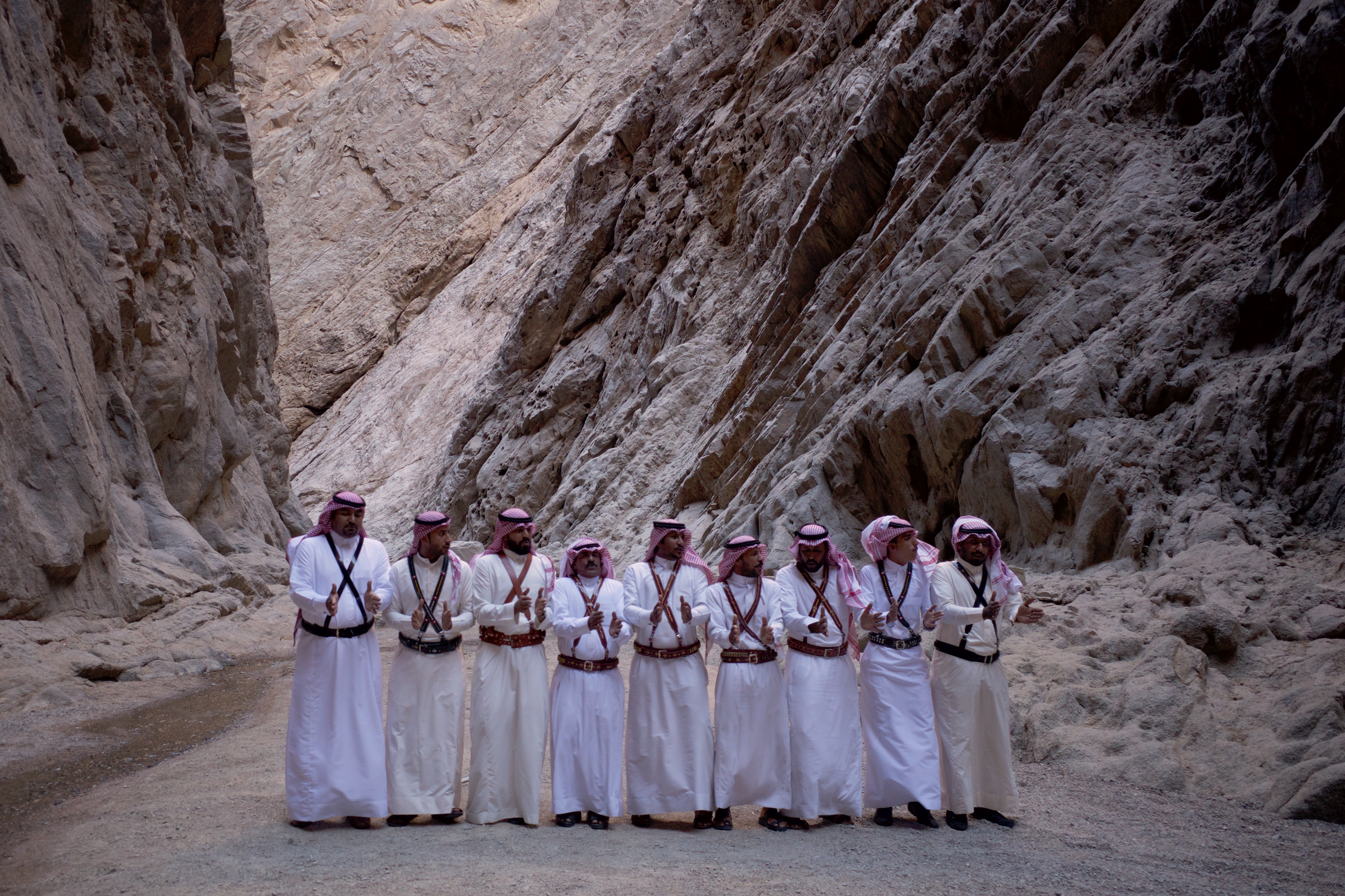
اكتشف أفضل الفنادق في تبوك والحجاز، من المنتجعات الصحراوية الفاخرة إلى الإقامات الساحلية المذهلة. خطط لرحلتك إلى شمال غرب السعودية.
أبرز النقاط
- تُعدّ مدينة تبوك البوابة الرئيسية إلى نيوم وشرما أقابا ومنطقة الحجاز؛ وتبدأ أسعار الفنادق الاقتصادية بالقرب من طريق الملك فيصل من 200 ريال سعودي لليلة، بينما تبدأ أسعار المنتجعات القريبة من نيوم في شرما من 800 ريال سعودي لليلة.
- يستقبل مطار تبوك الإقليمي رحلات مباشرة من الرياض (90 دقيقة، بأسعار تبدأ من 180 ريالاً سعودياً للاتجاه الواحد) ومن جدة (75 دقيقة، بأسعار تبدأ من 160 ريالاً سعودياً للاتجاه الواحد)؛ ويُعدّ خيار الطيران ثم استئجار سيارة الأكثر عملية، إذ تتراوح المسافات إلى أهم المواقع بين 50 و200 كم.
- تقع آثار سكة حديد الحجاز قرب تبوك (بدخول مجاني) على بُعد 15 كم شرق وسط المدينة؛ ويمكن لمعظم الفنادق ترتيب جولات إرشادية نصف نهارية بسيارات الدفع الرباعي مقابل 300 إلى 450 ريالاً سعودياً للمركبة.
- يمثّل فصل الربيع (مارس-أبريل) موسم الذروة في تبوك، إذ تتراوح درجات الحرارة بين 22 و28 درجة مئوية وتزهر الأزهار البرية في وادي ضاح؛ وتنخفض الغرف الفندقية المتاحة بشكل ملحوظ وترتفع الأسعار بنسبة 40 إلى 60%، لذا يُنصح بالحجز قبل ستة أسابيع على الأقل.
- تقع العُلا، الوجهة الفاخرة في المنطقة، على بُعد 320 كم جنوب تبوك؛ ويجب حجز تذاكر الحِجر (بين 95 و195 ريالاً سعودياً للفرد حسب نوع الجولة) مسبقاً عبر تطبيق Experience AlUla، إذ نادراً ما تتوفر تذاكر الحضور المباشر في اليوم نفسه.
فنادق تبوك والحجاز: دليلك الشامل لعام 2026
مرحباً بكم في شمال غرب المملكة العربية السعودية الساحر، وهي منطقة يلتقي فيها التاريخ العريق بالجمال الطبيعي الخلاب. بينما تخطط لمغامرتك في عام 2026، فإن اكتشاف فنادق تبوك الحجاز المثالية أمر بالغ الأهمية لرحلة لا تُنسى. من المناظر الطبيعية الصحراوية الوعرة المتاخمة للأردن إلى المياه الفيروزية النقية لخليج العقبة، سيرشدك هذا الدليل عبر أفضل خيارات الإقامة، مما يضمن أن تكون إقامتك مريحة وجذابة مثل المنطقة نفسها.
تشهد منطقتا تبوك والحجاز نمواً وتطوراً غير مسبوقين، لا سيما مع تشكيل مشروع NEOM الطموح. وهذا يعني ظهور مجموعة متزايدة من الفنادق العالمية والنزل البيئية والإقامات الفريدة، التي تلبي احتياجات كل أنواع المسافرين – سواء كنت تبحث عن الرفاهية الفاخرة، أو الانغماس في المغامرة، أو ملاذاً هادئاً. استعد للإلهام بينما نكشف عن أفضل الخيارات والنصائح العملية والرؤى الأساسية لزيارتك في عام 2026.
حقائق سريعة لإقامتك في عام 2026
- العملة: الريال السعودي (SAR). اعتباراً من عام 2026، توقع أسعار صرف حوالي 1 دولار أمريكي = 3.75 ريال سعودي (عرضة لتقلبات طفيفة).
- التأشيرة: التأشيرة الإلكترونية متاحة على نطاق واسع للسياح من العديد من البلدان. تقدم بطلبك قبل وقت كافٍ.
- أفضل وقت للزيارة: من أكتوبر إلى أبريل لدرجات حرارة مريحة. يمكن أن تكون أشهر الصيف (مايو-سبتمبر) شديدة الحرارة، خاصة في المناطق الداخلية.
- اللغة: العربية هي اللغة الرسمية. الإنجليزية مفهومة على نطاق واسع في الفنادق والمناطق السياحية.
- الاتصال: تغطية ممتازة لشبكة الهاتف المحمول (5G في المناطق الحضرية) وخدمة Wi-Fi متاحة بسهولة في معظم الفنادق.
- قواعد اللباس: يوصى باللباس المحتشم، خاصة خارج مناطق المنتجعات. لا يُطلب من النساء ارتداء العباءة كسائحات، ولكن اللباس المحترم محل تقدير.
مدينة تبوك: بوابة الشمال
تعتبر مدينة تبوك، عاصمة المنطقة، مركزاً حيوياً لاستكشاف شمال الحجاز وما وراءه. إنها مدينة حديثة ذات تاريخ غني، توفر قاعدة مريحة للرحلات اليومية إلى المواقع الأثرية، والمغامرات الصحراوية، وحتى مدينة NEOM العملاقة المستقبلية. تتراوح أماكن الإقامة هنا من سلاسل الفنادق المعترف بها دولياً إلى المؤسسات المحلية المريحة، مما يوفر جميع وسائل الراحة التي تتوقعها.
بالنسبة لأولئك الذين يبحثون عن الراحة والخدمة الموثوقة، تعد العلامات التجارية العالمية الكبرى مثل جراند ميلينيوم تبوك (تقدر بـ 600-900 ريال سعودي / 160-240 دولار أمريكي في الليلة) و هوليداي إن تبوك (تقدر بـ 450-700 ريال سعودي / 120-190 دولار أمريكي في الليلة) خيارات ممتازة. تقدم هذه الفنادق عادةً غرفاً مجهزة جيداً، وحمامات سباحة، ومراكز لياقة بدنية، وخيارات متعددة لتناول الطعام. إنها مثالية للمسافرين من رجال الأعمال أو العائلات التي تبحث عن تجربة مألوفة وخالية من المتاعب. توقع وسائل راحة حديثة، وخدمة Wi-Fi قوية، وخدمة مهذبة.
بدأت الخيارات الفندقية البوتيكية أيضاً في الظهور، وتقدم نكهة محلية أكثر. على الرغم من أنها ليست بنفس العدد كما هو الحال في المدن الكبرى، ابحث عن الفنادق أو بيوت الضيافة الصغيرة المملوكة بشكل مستقل والتي قد توفر تجربة ضيافة سعودية أصيلة أكثر. غالباً ما تأتي هذه الخيارات مع خدمة شخصية أكثر ورؤى حول الثقافة المحلية. تحقق دائماً من المراجعات الحديثة ومنصات الحجز للحصول على أحدث العروض بالقرب من تواريخ سفرك في عام 2026.
سحر السواحل: خليج العقبة والبحر الأحمر
تتميز الحافة الغربية لمنطقة تبوك بساحل خلاب على طول خليج العقبة، وهي وجهة سياحية ناشئة تعد بشواطئ بكر، وشعاب مرجانية نابضة بالحياة، وخلفيات جبلية خلابة. هذه المنطقة مهيأة لتنمية كبيرة، لا سيما مع مشروع NEOM، مما يجعلها موقعاً رئيسياً للمنتجعات الفاخرة المستقبلية.
اعتباراً من عام 2026، لا تزال المناطق الساحلية غير مطورة نسبياً مقارنة بالوجهات الشاطئية العالمية الأخرى، مما يوفر إحساساً بالجمال البكر. ومع ذلك، يجري حالياً بناء منتجعات جديدة راقية وقد يكون بعضها قيد التشغيل جزئياً. ترقب المراحل الأولية لمشاريع مثل تلك الموجودة ضمن مناطق NEOM المختلفة، مثل سندالة، التي يُتوقع أن تكون وجهة منتجع جزيرة فاخرة. بينما لا تزال أسماء الفنادق المحددة وأسعارها لعام 2026 غير معلنة للعديد من مكونات NEOM، توقع عروضاً فاخرة للغاية بأسعار تبدأ على الأرجح من 3,000 ريال سعودي / 800 دولار أمريكي في الليلة وما فوق.
لتجربة ساحلية أكثر فورية وسهولة، فكر في المناطق المحيطة بمدينة ضباء الساحلية. على الرغم من أنها ليست بعد مركزاً للمنتجعات الفاخرة، إلا أن ضباء تقدم فنادق وبيوت ضيافة أكثر تواضعاً تلبي احتياجات السياحة المحلية. يمكن أن تكون هذه قاعدة رائعة لاستكشاف الساحل، والاستمتاع بالمأكولات البحرية الطازجة، وتجربة الحياة المحلية. الأسعار هنا أقل بكثير، وتتراوح من 200-400 ريال سعودي / 50-100 دولار أمريكي في الليلة لإقامة مريحة. يمكن غالباً ترتيب رحلات الغوص والغطس من خلال المشغلين المحليين أو فندقك.
رحلات صحراوية: وادي الديسة وما وراءه
تعد المناظر الطبيعية الصحراوية المهيبة في تبوك نقطة جذب لا يمكن إنكارها، وتوفر الإقامة في هذه البيئة تجربة فريدة حقاً. وادي الديسة، الذي غالباً ما يشار إليه باسم "جراند كانيون" السعودية، هو مثال رئيسي على روعة المنطقة الطبيعية، مع منحدرات صخرية شاهقة، وواحات خضراء، ونقوش ثمودية قديمة.
تكون أماكن الإقامة داخل وادي الديسة أو حوله مباشرةً عادةً أكثر ريفية وتركز على المغامرة. توقع نزل بيئية أو تجارب تخييم فاخرة (Glamping) بدلاً من الفنادق التقليدية. تعطي هذه الخيارات الأولوية للتواصل مع الطبيعة وغالباً ما تشمل جولات إرشادية، ومراقبة النجوم، ووجبات تقليدية. يمكن أن تتراوح أسعار النزل البيئية أو خيام التخييم الفاخرة مع وسائل الراحة من 800-1,500 ريال سعودي / 210-400 دولار أمريكي في الليلة، وغالباً ما تشمل الوجبات وبعض الأنشطة.
لتجربة صحراوية أصيلة حقًا، فكر في الإقامة في مخيم على الطراز البدوي. توفر هذه المخيمات لمحة عن الحياة البدوية التقليدية، حيث توفر خيامًا مريحة، وعشاءً جماعيًا حول نار المخيم، وإطلالات لا مثيل لها على سماء الليل. بينما تكون المرافق عادةً أساسية (حمامات مشتركة، كهرباء محدودة)، فإن الانغماس الثقافي لا يقدر بثمن. قد تتراوح أسعار هذه التجارب حوالي 300-600 ريال سعودي / 80-160 دولارًا أمريكيًا في الليلة، اعتمادًا على مستوى الراحة والخدمات المتضمنة. احجز هذه المخيمات مسبقًا بوقت كافٍ، خاصة خلال موسم الذروة، حيث يمكن أن يكون التوفر محدودًا.
العلا: جوهرة اليونسكو (المجاورة للحجاز)
بينما تقع العلا تقنيًا في منطقة المدينة المنورة، إلا أنها جزء أساسي من أي مسار رحلة إلى الحجاز وتستحق الإدراج نظرًا لقربها وأهميتها. هذه المدينة الواحات القديمة هي موطن لـ Hegra (مدائن صالح)، أول موقع سعودي للتراث العالمي لليونسكو، وتقدم مجموعة متزايدة من أماكن الإقامة الفاخرة ذات المستوى العالمي.
تم تصميم مشهد الإقامة في العلا ليكمل سياحتها الثقافية الراقية. توفر المنتجعات مثل Habitas AlUla (تقدر بـ 2,500-5,000 ريال سعودي / 670-1,330 دولارًا أمريكيًا في الليلة) و Banyan Tree AlUla (تقدر بـ 3,000-6,000 ريال سعودي / 800-1,600 دولارًا أمريكيًا في الليلة) فيلات رائعة مستوحاة من الصحراء، ومسابح خاصة، وخدمة استثنائية. تندمج هذه العقارات بسلاسة في المناظر الطبيعية الخلابة، مما يوفر قاعدة هادئة وفاخرة لاستكشاف العجائب القديمة.
لأولئك الذين يبحثون عن تجربة فريدة، يقدم Shaden Resort AlUla (تقدر بـ 1,200-2,500 ريال سعودي / 320-670 دولارًا أمريكيًا في الليلة) فيلات خيام فاخرة وهندسة معمارية تقليدية، مما يوفر مزيجًا من الراحة والانغماس الثقافي. الخيارات الصديقة للميزانية أقل شيوعًا في العلا نفسها، على الرغم من أن بيوت الضيافة والفنادق الصغيرة بدأت تظهر ببطء في وسط المدينة. من الضروري حجز أماكن الإقامة في العلا قبل وقت طويل، خاصة خلال الفعاليات الشهيرة مثل مهرجان شتاء طنطورة، حيث يكون الطلب مرتفعًا بشكل لا يصدق.
إقامات مستقبلية: NEOM وما بعدها
يعمل مشروع NEOM الطموح على تحويل أجزاء من منطقتي تبوك والحجاز بسرعة، واعدًا بمستقبل من السياحة المبتكرة والمستدامة. بينما لا تزال العديد من مكوناته قيد الإنشاء، بحلول عام 2026، قد تتاح للمسافرين فرصة تجربة المراحل الأولية لبعض وجهاته الرائدة.
راقب عن كثب الإعلانات المتعلقة بـ Trojena، المنتجع الجبلي الذي سيوفر رياضات خارجية على مدار العام وضيافة فاخرة؛ و Oxagon، المدينة الصناعية العائمة التي قد تضم أماكن إقامة حضرية فريدة؛ و The Line، المدينة الخطية التي تعيد تعريف الحياة الحضرية. بينما لا تزال أسماء الفنادق المحددة وتفاصيل الحجز لهذه المشاريع في طور الظهور، توقع أن تكون هذه في طليعة الفخامة المستدامة والتصميم المتطور. ستتطلب هذه بلا شك أسعارًا مميزة، مما يعكس طبيعتها المبتكرة وتجاربها الحصرية.
بالإضافة إلى NEOM، تتضمن الخطة الأوسع لقطاع السياحة في Saudi Arabia العديد من التطورات الأخرى عبر مشروع البحر الأحمر و Amaala. بينما تقع هذه المناطق إلى الجنوب قليلاً، سيكون تأثيرها على الجودة والتنوع العام لأماكن الإقامة في المنطقة كبيرًا. يمكن للمسافرين في عام 2026 أن يتوقعوا مشهدًا فندقيًا ديناميكيًا ومتطورًا، مع توفر خيارات جديدة ومثيرة باستمرار.
نصائح التخطيط لفنادق تبوك والحجاز في عام 2026
يتطلب التنقل في المشهد المتنوع لأماكن الإقامة في تبوك والحجاز بعض التبصر والتخطيط الاستراتيجي. فيما يلي نصائح أساسية لضمان تجربة سلسة وممتعة:
- احجز مبكرًا: خاصة للوجهات الشهيرة مثل العلا، وخلال موسم الذروة (أكتوبر-أبريل) أو الفعاليات الكبرى، يمكن أن تمتلئ الفنادق بسرعة. احجز مكان إقامتك المفضل قبل أشهر.
- ضع في اعتبارك الموقع: فكر في أنشطتك الأساسية. إذا كنت تركز على مغامرات الصحراء، فإن الإقامة بالقرب من وادي الديسة أو حجز مخيم صحراوي أمر منطقي. للأنشطة الساحلية، يعد الفندق بالقرب من ضبا أو ساحل NEOM النامي مثاليًا. مدينة تبوك هي مركز رئيسي للعديد من الرحلات.
- اقرأ التقييمات: تحقق دائمًا من التقييمات الحديثة على منصات الحجز الموثوقة. انتبه إلى التعليقات المتعلقة بالخدمة والنظافة والمرافق ودقة الموقع.
- فهم ما هو متضمن: قد تتضمن بعض المخيمات الصحراوية أو النزل البيئية وجبات الطعام أو الجولات المصحوبة بمرشدين أو خدمات النقل في أسعارها. وضح ما هو متضمن لتجنب المفاجآت.
- المواصلات: فكر في كيفية وصولك إلى فندقك ومغادرته. قد توفر بعض المخيمات الصحراوية النائية خدمات النقل، بينما بالنسبة لفنادق المدينة، تتوفر سيارات الأجرة وتطبيقات مشاركة الرحلات (مثل Uber أو Careem) بسهولة. يوفر استئجار سيارة أكبر قدر من المرونة لاستكشاف المنطقة.
- الواي فاي والاتصال: بينما يكون الاتصال جيدًا بشكل عام، يمكن أن يكون متقطعًا في المناطق الصحراوية النائية جدًا. إذا كان البقاء على اتصال أمرًا بالغ الأهمية، فتأكد من توفر الواي فاي وموثوقيته مع مكان الإقامة الذي اخترته.
- الدفع: تقبل بطاقات الائتمان الرئيسية على نطاق واسع في معظم الفنادق. ومع ذلك، من الحكمة دائمًا حمل بعض الريالات السعودية (SAR) للمشتريات الصغيرة أو في المناطق النائية.
- الطلبات الخاصة: إذا كان لديك احتياجات غذائية محددة، أو متطلبات وصول، أو طلبات خاصة أخرى، فأبلغ الفندق بها مسبقًا بوقت كافٍ.
احتضن المغامرة
تقدم منطقتا تبوك والحجاز نسيجًا من التجارب، من العجائب القديمة والمناظر الطبيعية الخلابة إلى الفخامة المزدهرة والسياحة المستدامة. سواء اخترت فندقًا راقيًا في مدينة تبوك، أو نزلًا بيئيًا هادئًا في قلب الصحراء، أو منتجعًا فخمًا يطل على البحر الأحمر، ستكون إقامتك جزءًا لا يتجزأ من مغامرتك.
بينما تواصل المملكة العربية السعودية رحلتها الطموحة نحو التحول، يتصدر قطاع الضيافة في حدودها الشمالية الغربية طليعة الابتكار. باختيارك الفنادق المناسبة في تبوك الحجاز، فإنك لا تحجز مجرد غرفة؛ بل تؤمن لنفسك بوابة للاكتشاف والراحة والذكريات التي لا تُنسى في واحدة من أكثر وجهات السفر الناشئة إثارة في العالم. استعد لتأسرك دفء الضيافة السعودية وعظمة هذه الأرض الرائعة.
المزيد من أدلة الفنادق في جميع أنحاء المملكة العربية السعودية
ابحث عن الإقامة المثالية في كل وجهة سعودية:
- أفضل الفنادق الفاخرة في الرياض 2026 — إقامات خمس نجوم في العاصمة
- أفضل الفنادق في جدة 2026 — فخامة على واجهة البحر الأحمر
- أفضل الفنادق في العلا 2026 — منتجعات صحراوية بالقرب من Hegra
- أفضل الفنادق في مكة 2026 — إقامة بإطلالة على الحرم
- أفضل الفنادق في المدينة 2026 — فنادق بالقرب من المسجد النبوي
- منتجعات NEOM والبحر الأحمر الفاخرة — إقامات ساحلية فائقة الفخامة
- فنادق بوتيك أبها وعسير — منتجعات المرتفعات
- فنادق في الدمام والخبر — إقامة في المنطقة الشرقية
- إقامة في الأحساء — إقامات في واحة التراث العالمي لليونسكو
الأسئلة الشائعة
- What are the main hotel options in Tabuk?
- Tabuk offers Al-Khaleej Hotel, Al-Amir Hotel, and several mid-range properties catering to business and leisure travelers. The city has fewer luxury options compared to major hubs, but accommodations are clean and service-oriented. Many hotels are located in the city center near commercial districts.
- How far is Tabuk from the Hejaz Mountains and major attractions?
- Tabuk is an excellent base for Hejaz exploration, with Jebel Dibagh mountain and Wadi Rum (across the Jordan border) approximately 1-2 hours away by car. The city's location in northwestern Saudi Arabia makes it ideal for desert trekking and heritage site visits.
- Are there hotels with desert or mountain views in the Tabuk-Hejaz region?
- Several Tabuk hotels offer desert-facing rooms with views of surrounding landscapes. For authentic mountain experiences, consider eco-lodges and desert camps around Jebel Dibagh. These provide closer connections to nature but fewer amenities than city hotels.
- What is the best time to visit Tabuk and stay in the region?
- October through March offers ideal weather (15-25°C) for exploring Tabuk and the Hejaz region. Summer temperatures exceed 38°C, making outdoor activities uncomfortable. Spring (March-May) provides pleasant conditions with occasional wildflower blooms in the desert.