

Useful Tools
guides.etiquette.body.culturalOrigins
Saudi Arabia's social customs are shaped by three interwoven forces: Islam, which provides the spiritual and legal framework; Bedouin tribal traditions, which emphasize honor, generosity, and communal bonds; and the modern Vision 2030 transformation, which is opening the Kingdom to the world while preserving its identity.
Islam is not simply a religion in Saudi Arabia. It is the organizing principle of daily life. The five daily prayers (salat) structure the rhythm of the day. The call to prayer (adhan) echoes from minarets across every city. Shops and restaurants pause. This is not an inconvenience: it is the heartbeat of Saudi society, and understanding it transforms your visit from tourism into genuine cultural immersion.
Bedouin hospitality (known as diyafa) predates Islam by centuries. In the harsh desert environment, offering shelter, food, and protection to travelers was not just courtesy but survival. This deep tradition means that Saudi hosts will often insist on generosity that can surprise Western visitors: refusing a cup of Arabic coffee or declining an invitation to dinner can be perceived as a social rebuff. The key principle is simple: accept with gratitude, reciprocate with warmth.
التحيات والأعراف الاجتماعية
The Arabic greeting "As-salamu alaykum" (peace be upon you) is rooted in the Quran and has been the standard salutation across the Arabian Peninsula for over 1,400 years. It carries genuine spiritual weight: you are wishing peace upon the other person as a sacred act.
- "السلام عليكم" هي التحية المعتادة. والرد الصحيح عليها: "وعليكم السلام".
- يُحيّي الرجال بعضهم بالمصافحة، وأحياناً يتبعها لمس الخدين الأيمن. وقد يتبادل الأصدقاء المقربون عناقاً خفيفاً.
- ينبغي تجنب الاتصال الجسدي بين الرجال والنساء من غير المحارم عند التحية، إلا إذا بادر الطرف الآخر. وضع اليد على القلب مع إيماءة خفيفة بالرأس بديل محترم.
- استخدم اليد اليمنى في التحية والأكل وتسليم الأشياء أو استلامها — إذ تُعدّ اليد اليسرى غير نظيفة.
- للألقاب أهمية بالغة. استخدم "الشيخ" أو "الدكتور" أو الاسم الأول مع "أبو" (والد فلان) إن كنت تعرفه.
- الضيافة ركيزة أساسية في الثقافة السعودية. إذا قُدِّم إليك القهوة العربية (القهوة) أو الشاي، فقبولها أدب. وعند الاكتفاء، حرّك فنجانك برفق من جانب إلى آخر.
guides.etiquette.body.whyRightHand
guides.etiquette.body.rightHandExplanation

آداب الطعام
Saudi dining culture reflects both Islamic dietary law (halal) and centuries of Bedouin communal eating traditions. The communal meal, where food is shared from large platters, symbolizes equality and brotherhood. The most famous communal dish, kabsa (spiced rice with meat), originates from the Najd region and is considered the national dish.
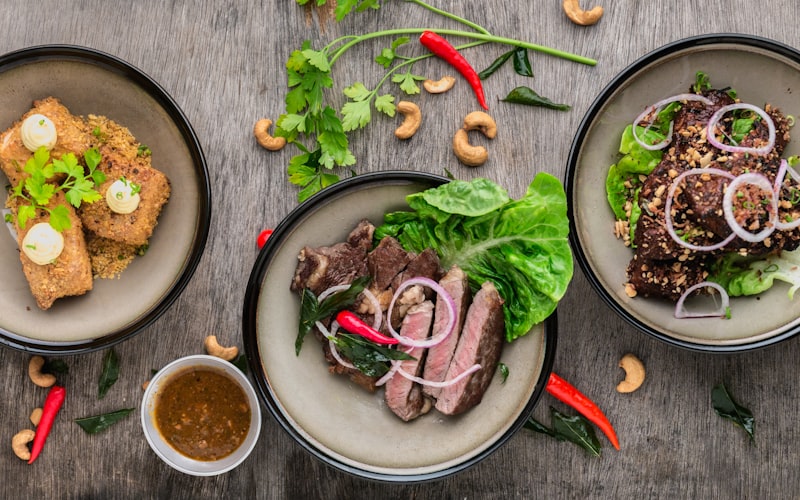
في المطاعم
- تضم كثير من المطاعم أقساماً منفصلة للعائلات وللأفراد (الرجال فقط)، وإن كان هذا الفصل في تراجع في المدن الكبرى.
- الكحول محظور في جميع أنحاء المملكة العربية السعودية. تقدم المطاعم العصائر والقهوة العربية والشاي والمشروبات غير الكحولية.
- قد تُغلق المطاعم لفترة وجيزة خلال أوقات الصلاة (خمس مرات يومياً، من 15 إلى 30 دقيقة في كل مرة).
- خلال شهر رمضان، يُحظر تناول الطعام والشراب والتدخين في الأماكن العامة خلال ساعات النهار.
تناول الطعام التقليدي
- قد تُقدَّم الوجبات التقليدية على الأرض على حصير مشترك (سفرة).
- تناول الطعام باليد اليمنى فقط. تتوفر أدوات المائدة في المطاعم الحديثة.
- قبول الأصناف الإضافية من الطعام من الأدب — فرفض الطعام مراراً قد يُعدّ قلة احترام.
- امدح الطعام والمضيف. عبارة "الله يبارك" تعبّر عن الامتنان.
guides.etiquette.body.coffeeRitual
guides.etiquette.body.coffeeRitualDescription

آداب المساجد
المساجد أماكن عبادة ينبغي التعامل معها باحترام. تُرحّب بعض المساجد بالزوار غير المسلمين خارج أوقات الصلاة. The tradition of removing shoes stems from the Quranic verse where Moses was commanded to remove his sandals at the sacred valley of Tuwa (Surah Ta-Ha, 20:12). Mosques are considered extensions of sacred ground, and cleanliness (tahara) is a fundamental aspect of Islamic worship.
- انزع حذاءك قبل الدخول. تتوفر عادةً رفوف أو أكياس للأحذية.
- الزم اللباس المحتشم: غطِّ الذراعين والساقين، وللمرأة غطّي الشعر. تقدم بعض المساجد العباءات عند المدخل.
- اجعل هاتفك صامتاً وتحدث بصوت هادئ.
- لا تمشِ أمام من يصلي.
- استأذن قبل التصوير داخل المسجد.
- لا يُسمح لغير المسلمين بدخول المسجد الحرام في مكة المكرمة والمسجد النبوي في المدينة المنورة.
guides.etiquette.body.fivePrayersHeading
guides.etiquette.body.prayerTimesDescription
guides.etiquette.body.ramadanReligious
Ramadan is the ninth month of the Islamic lunar calendar, during which Muslims fast from dawn to sunset. The fast commemorates the revelation of the Quran to the Prophet Muhammad and is one of the five pillars of Islam. For visitors, Ramadan transforms the rhythm of Saudi life in profound ways.
guides.etiquette.body.duringDay
- guides.etiquette.body.duringDayDetail
guides.etiquette.body.afterSunset
- guides.etiquette.body.afterSunsetDetail
For a complete guide to visiting during Ramadan, see our Ramadan travel guide.
guides.etiquette.body.genderNorms
Saudi Arabia has undergone significant social transformation since 2016. Women now drive, attend sporting events, work across all sectors, and travel independently. However, traditional values of modesty and respect between genders remain culturally important.
- guides.etiquette.body.physicalContact
- guides.etiquette.body.eyeContact
- guides.etiquette.body.mixedGatherings
- guides.etiquette.body.photoGenderNote
Women travelers should consult our solo female travel guide for detailed advice.
قواعد التصوير
أصبحت المملكة العربية السعودية أكثر انفتاحاً على التصوير، لكن بعض القواعد لا تزال مهمة. Under Vision 2030, Saudi Arabia actively encourages tourism photography and social media sharing. However, privacy and security sensitivities remain, rooted in both Islamic values of personal privacy (the concept of satr) and national security considerations.
- اطلب دائماً الإذن قبل تصوير الأشخاص، ولا سيما النساء والعائلات.
- يُحظر تصوير المنشآت العسكرية والمباني الحكومية وبعض القصور الملكية.
- قد تفرض بعض المتاحف والمواقع التراثية قيوداً على التصوير — تحقق من اللافتات.
- التصوير في الشوارع والأسواق والأماكن العامة مقبول عموماً، لكن كن محترماً.
- تجنب تصوير حوادث السيارات أو مشاهد الطوارئ.
- تستلزم الطائرات المسيّرة (الدرونز) تصريحاً من الهيئة العامة للطيران المدني (GACA).
For detailed photography advice, see our photography guide.


الأعراف التجارية
Saudi business culture is built on personal trust. Unlike Western transactional norms, Saudis invest heavily in relationship-building (wasta, meaning connections and influence) before discussing business specifics. This is not inefficiency: it reflects the Bedouin principle that a person's word and character matter more than a contract.
- يمتد أسبوع العمل السعودي من الأحد إلى الخميس. أما الجمعة والسبت فهما عطلة نهاية الأسبوع.
- قد تبدأ الاجتماعات متأخرة عن موعدها — الصبر قيمة مُقدَّرة في السياقات الاجتماعية أكثر من الدقة في المواعيد.
- تُتبادل بطاقات العمل باليد اليمنى. وجود العربية على أحد جانبيها لفتة مدروسة.
- بناء العلاقات أمر مهم. توقع تمهيداً اجتماعياً (قهوة وأحاديث جانبية) قبل الدخول في صلب الأعمال.
- قد تستغرق القرارات وقتاً — تجنب الضغط للحصول على إجابات فورية.
- تقديم الهدايا شائع في الأعمال. تجنب الكحول والمنتجات المشتقة من لحم الخنزير.
guides.etiquette.body.quickReference
guides.etiquette.body.doTitle
- • guides.etiquette.body.do.do1
- • guides.etiquette.body.do.do2
- • guides.etiquette.body.do.do3
- • guides.etiquette.body.do.do4
- • guides.etiquette.body.do.do5
- • guides.etiquette.body.do.do6
- • guides.etiquette.body.do.do7
- • guides.etiquette.body.do.do8
guides.etiquette.body.dontTitle
- • guides.etiquette.body.dont.dont1
- • guides.etiquette.body.dont.dont2
- • guides.etiquette.body.dont.dont3
- • guides.etiquette.body.dont.dont4
- • guides.etiquette.body.dont.dont5
- • guides.etiquette.body.dont.dont6
- • guides.etiquette.body.dont.dont7
- • guides.etiquette.body.dont.dont8
trust.sourcesReferences
- [1]
- [2]Saudi Tourism Authority — Visitor Information — Saudi Tourism Authority (trust.accessed 15 مارس 2026)
- [3]Saudi Ministry of Islamic Affairs — Mosque Visitor Guidelines — Ministry of Islamic Affairs (trust.accessed 15 مارس 2026)
common.faq
هل الكحول محظور فعلاً بالكامل؟
نعم. بيع الكحول وشراؤه واستهلاكه غير قانوني في جميع أنحاء المملكة العربية السعودية. ينطبق هذا على جميع الزوار بصرف النظر عن الجنسية أو الدين. العقوبات صارمة. تقدم كثير من الفنادق والمطاعم بدائل غير كحولية إبداعية.
ماذا يحدث خلال أوقات الصلاة؟
تُغلق كثير من المحلات التجارية والمطاعم لفترة وجيزة خلال أوقات الصلاة الخمسة اليومية، عادةً من 15 إلى 30 دقيقة. قد تُغلق المجمعات التجارية مداخلها لكنها تسمح لمن في الداخل بالبقاء. هذا التقليد في تراجع في المدن الكبرى والمناطق السياحية، لكن كن مستعداً لتوقفات قصيرة في يومك.
هل يُسمح بإظهار المودة علناً؟
ينبغي تقليص إظهار المودة في الأماكن العامة. مسك الأيدي بين الزوجين مقبول في معظم المناطق الحضرية، أما التقبيل أو التعانق في الأماكن العامة فيُعدّ غير لائق. الأعراف الاجتماعية في هذا الشأن تتطور، لا سيما في مدن كالرياض وجدة.
كيف يجب أن أتصرف خلال رمضان؟
لا يُلزَم غير المسلمين بالصيام، لكن تناول الطعام والشراب والتدخين في الأماكن العامة خلال ساعات النهار محظور. قد تُغلق المطاعم خلال النهار؛ وتقدم بعضها وجبات للمنزل أو غرف طعام خاصة. بعد غروب الشمس (الإفطار)، يسود جو احتفالي وتُقام فعاليات خاصة كثيرة.
هل البقشيش متوقع في المملكة العربية السعودية؟
البقشيش ليس إلزامياً لكنه موضع تقدير. في المطاعم، يشيع تقديم 10-15% إذا لم تُشمل رسوم الخدمة. لموظفي الفندق والسائقين، يُعدّ بقشيش من 10 إلى 20 ريالاً لفتةً طيبة. في البيئات الأكثر تقليدية، يُقدَّر الكرم لكنه لا يُطلب أبداً.
هل يمكن لغير المسلمين زيارة المساجد في المملكة العربية السعودية؟
ترحّب كثير من المساجد في المملكة العربية السعودية بالزوار غير المسلمين خارج أوقات الصلاة، لا سيما في المناطق السياحية كمسجد الرحمة في جدة. أما المسجدان الحرامان في مكة المكرمة والمدينة المنورة فيظلان حكراً على المسلمين. احرص دائماً على ارتداء ملابس محتشمة وخلع حذائك قبل الدخول.
guides.etiquette.body.relatedGuidesHeading
guides.etiquette.body.relatedGuidesIntro guides.etiquette.body.dressCodeGuideLink guides.etiquette.body.relatedGuides1 guides.etiquette.body.culinaryTraditionsLink guides.etiquette.body.relatedGuides2 guides.etiquette.body.artCultureLink guides.etiquette.body.relatedGuides3 guides.etiquette.body.ramadanGuideLink guides.etiquette.body.relatedGuides4 guides.etiquette.body.soloFemaleLink guides.etiquette.body.relatedGuides5 guides.etiquette.body.photographyEtiquetteLink guides.etiquette.body.relatedGuides6 guides.etiquette.body.bedouinHospitalityLink.