الدرعية: مهد المملكة العربية السعودية — دليل التراث 2026
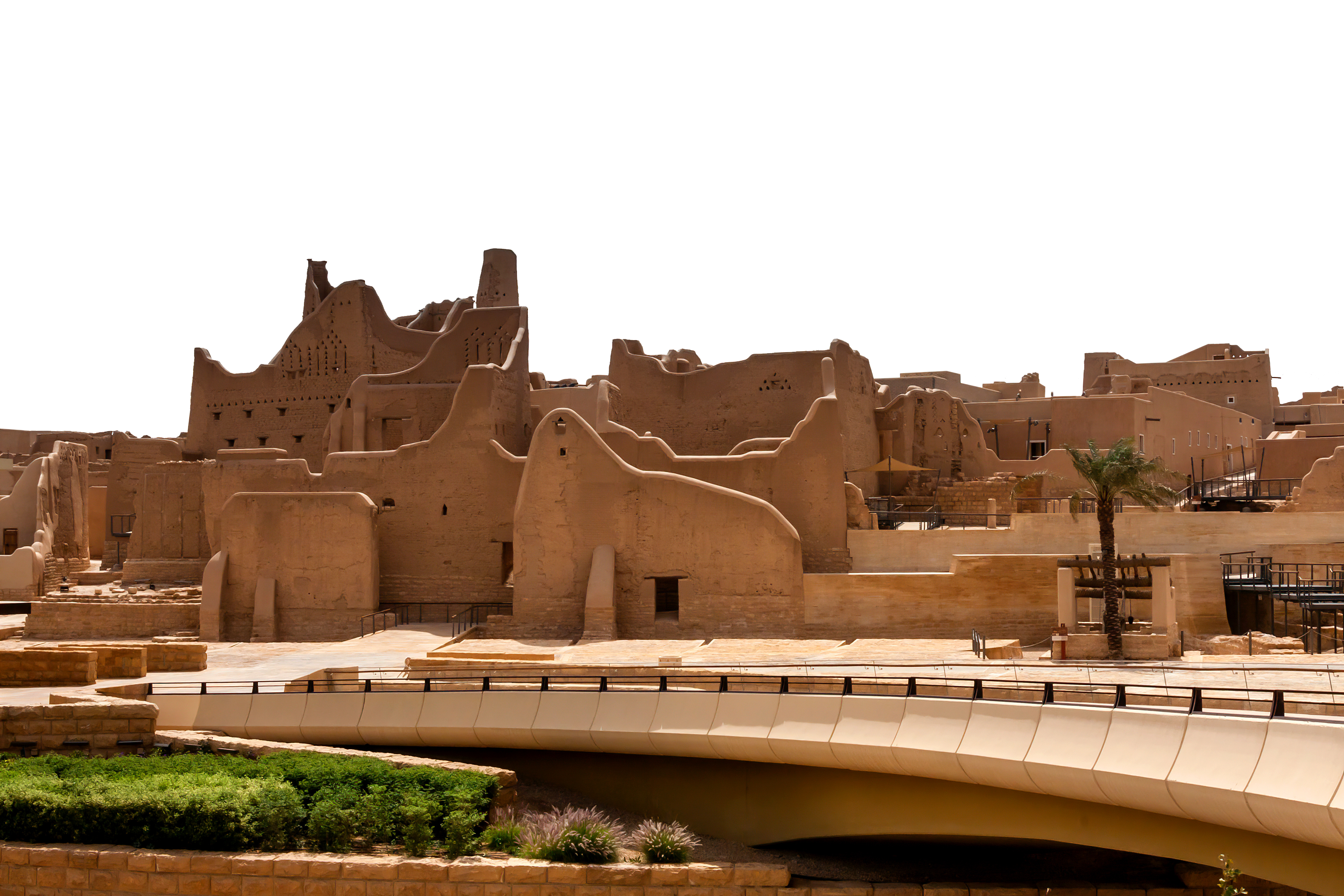
استكشف الدرعية، مهد المملكة العربية السعودية. حي الطريف المدرج في اليونسكو، مطل البجيري، والمتاحف. دليلك السياحي لعام 2026.
أبرز النقاط
- يمثّل حي الطريف (المُدرَج على قائمة اليونسكو للتراث العالمي منذ عام 2010) القلب التاريخي لمدينة الدرعية، وتبلغ تكلفة الدخول 50 ريالاً سعودياً للفرد البالغ، بينما تضيف الجولات الإرشادية (120 ريالاً سعودياً) بُعداً معرفياً أساسياً لفهم العمارة النجدية المبنية من الطين.
- تقع الدرعية على بُعد 15 كم شمال غرب وسط الرياض؛ يمكن الوصول إليها عبر الخط الرابع لقطار مترو الرياض حتى محطة الجامعة، ثم استقلال سيارة أجرة لمدة 10 دقائق (15-20 ريالاً سعودياً)، أو القيادة الذاتية والاستفادة من مواقف السيارات المجانية في موقف بوجيري تراس الجديد.
- تقع منطقة بوجيري تراس للمطاعم مباشرة على الضفة المقابلة لوادي حنيفة من حي الطريف، وتضم أكثر من 30 مطعماً تتراوح أسعارها من 60 ريالاً سعودياً لوجبات الغداء غير الرسمية إلى أكثر من 400 ريال سعودي للمطاعم الفاخرة المطلة على المعالم التراثية المضاءة ليلاً؛ يُنصح بالحجز المسبق في عطلات نهاية الأسبوع.
- أفضل وقت للزيارة هو الفترة من أكتوبر إلى مارس، إذ يجعل حرّ الصيف (40-45 درجة مئوية) زيارة الموقع الأثري المكشوف من الطين أمراً شاقاً؛ أما أمسيات الشتاء فتشهد فعاليات موسم الدرعية (حفلات موسيقية وأسواق وعروض إضاءة) التي تستقطب أكثر من 100 ألف زائر شهرياً.
- يتيح مركز الدرعية لفنون المستقبل ومتاحف هيئة تطوير الدرعية الجديدة الدخول المجاني أيام الثلاثاء؛ يُستحسن تنظيم الزيارة بحيث تُخصَّص ساعات الصباح (قبل الساعة 11:00) للموقع التراثي، وفترة بعد الظهر للمعارض الثقافية.
الدرعية: مهد المملكة العربية السعودية — دليل التراث 2026
أهلاً بكم في الدرعية، الموطن المهيب لميلاد المملكة العربية السعودية. بينما تخططون لرحلاتكم لعام 2026، فإن زيارة هذا الموقع المدرج ضمن قائمة اليونسكو للتراث العالمي ليست مجرد بند في جدول الرحلة؛ بل هي رحلة عميقة إلى روح الأمة. تقدم الدرعية مزيجًا لا مثيل له من التاريخ العريق، والهندسة المعمارية المذهلة، والتجارب الثقافية المعاصرة، مما يجعلها وجهة أساسية لأي مسافر مميز.
بعد استكشاف هذه المنطقة بشكل مباشر، يمكنني القول بثقة أن الدرعية: مهد المملكة العربية السعودية — دليل التراث 2026 هي إحدى تلك الوجهات التي تتجاوز التوقعات حقًا. إن مزيج التراث والحداثة هنا شيء يجب أن تراه لتصدقه.
كانت الدرعية في السابق الموطن الأصلي للعائلة المالكة السعودية والدولة السعودية الأولى، وقد تم ترميمها وإعادة تصورها بدقة، داعية الزوار للسير عبر قرون من التاريخ بينما يستمتعون بوسائل الراحة العالمية. من قلعة الطين المترامية الأطراف في حي الطريف إلى المشهد الطهوي النابض بالحياة في مطل البجيري، تعد الدرعية شهادة على ماضي المملكة العربية السعودية الغني ومستقبلها الطموح.
سيزودكم هذا الدليل الشامل بكل ما تحتاجونه لتجربة الدرعية في عام 2026، مما يضمن زيارة لا تُنسى ومثرية لأحد أهم المعالم الثقافية في المملكة.
حقائق سريعة: معلومات أساسية لزيارتكم في 2026
- الموقع: شمال غرب الرياض، على بعد حوالي 20-30 دقيقة بالسيارة من وسط المدينة.
- الجاذبية الرئيسية: حي الطريف (موقع اليونسكو للتراث العالمي).
- العملة: الريال السعودي (SAR). اعتبارًا من عام 2026، 1 دولار أمريكي ≈ 3.75 ريال سعودي (سعر صرف تقريبي).
- أفضل وقت للزيارة: من أكتوبر إلى أبريل، عندما تكون درجات الحرارة معتدلة وممتعة.
- قواعد اللباس: يوصى بالملابس المحتشمة لكل من الرجال والنساء، خاصة عند زيارة المواقع التاريخية. يجب تغطية الأكتاف والركبتين.
- متطلبات التأشيرة: سيحتاج معظم المسافرين الدوليين إلى تأشيرة إلكترونية أو تأشيرة عند الوصول. تحقق من بوابة التأشيرات الإلكترونية السعودية الرسمية لأحدث المتطلبات الخاصة بجنسيتك.
- إمكانية الوصول: المناطق الرئيسية في الدرعية، بما في ذلك مطل البجيري وأجزاء من الطريف، يمكن الوصول إليها بشكل عام بواسطة الكراسي المتحركة.
- اللغة: العربية هي اللغة الرسمية، ولكن الإنجليزية منتشرة على نطاق واسع في المناطق السياحية.
حي الطريف: قلب الدرعية
عد بالزمن إلى الوراء عندما تدخل حي الطريف، الموطن الأجدادي لأسرة آل سعود وموقع تأسيس الدولة السعودية الأولى في منتصف القرن الثامن عشر. هذه المدينة الطينية المترامية الأطراف، المعترف بها كموقع للتراث العالمي لليونسكو، هي شهادة ضخمة على العمارة النجدية التقليدية والإرث الدائم للأمة السعودية. في عام 2026، يمكن للزوار توقع تجربة غامرة بالكامل، مع مراكز تفسيرية حديثة وآثار محفوظة بدقة.
أثناء تجولك في الأزقة الضيقة والساحات الكبرى في حي الطريف، ستصادف العديد من القصور والمتاحف المميزة، كل منها يروي جزءًا حيويًا من التاريخ السعودي. قصر سلوى، وهو هيكل رائع حقًا، كان بمثابة مقر إقامة الأئمة والمركز الإداري للدولة السعودية الأولى. تتحدث جدرانه متعددة الطوابق وعناصره الزخرفية المعقدة عن براعة بنائيه. كما يقدم قصر الإمام عبد الله بن سعود وقصر سعد بن سعود رؤى رائعة في حياة الأسرة الحاكمة.
لقد كانت جهود الترميم واسعة النطاق، مما يضمن الحفاظ على سلامة الهياكل الأصلية مع دمج مرافق الزوار الحديثة. توقع مسارات جيدة الصيانة، ولافتات إعلامية باللغتين العربية والإنجليزية، ومرشدين مطلعين يمكنهم إحياء التاريخ. تم تصميم التجربة لتكون تعليمية ومؤثرة بعمق، تربط الزوار بجذور المملكة.
استكشاف حي الطريف: ما تراه وتفعله
- قصر سلوى: أكبر وأهم هيكل، يقدم لمحة عن حياة الحكام.
- متحف الدرعية: يقع داخل الأسوار القديمة، ويعرض هذا المتحف قطعًا أثرية ومعروضات تفصل تاريخ الدولة السعودية الأولى.
- متحف الحياة السعودية: يصور الحياة اليومية والعادات والتقاليد لسكان الدرعية قبل قرون.
- المتحف العسكري: يركز على المعارك واستراتيجيات الدفاع التي شكلت المنطقة.
- متحف الخيل: يحتفل بالأهمية الثقافية العميقة للخيول في التاريخ العربي.
- الأسواق التقليدية (الأسواق): بينما توجد وسائل راحة حديثة، توقع العثور على أكشاك حرف يدوية تقليدية منسقة تعكس السياق التاريخي.
مطل البجيري: المأكولات الشهية والأناقة العصرية
مباشرة قبالة حي الطريف التاريخي، ويفصلهما وادي حنيفة، يقع مطل البجيري – مركز الدرعية النابض بالحياة للمأكولات وأسلوب الحياة. يمزج هذا الحي المصمم بشكل جميل بين العمارة النجدية التقليدية والرفاهية المعاصرة بسلاسة، مقدمًا تباينًا ديناميكيًا للآثار القديمة التي يواجهها. في عام 2026، يواصل مطل البجيري ترسيخ سمعته كوجهة طعام رئيسية، حيث يضم مجموعة رائعة من المطاعم والمقاهي العالمية.
من الطهاة الحائزين على نجمة ميشلان إلى المطاعم المحلية المحبوبة، تلبي خيارات الطعام في مطل البجيري جميع الأذواق. تخيل الاستمتاع بوجبة فاخرة مع إطلالات خلابة على حي الطريف المضاء عند غروب الشمس – إنها تجربة لا تُنسى. بالإضافة إلى عروض الطهي، يضم مطل البجيري أيضًا متاجر راقية ومعارض فنية ومساحات ثقافية، مما يجعله مكانًا مثاليًا للتنزه المسائي أو التسوق أو مجرد الاستمتاع بالجو الراقي.
عادةً ما يكون الدخول إلى مطل البجيري منفصلاً عن تذاكر الدخول إلى حي الطريف، ويوصى بشدة بالحجز المسبق للمطاعم الشهيرة، خاصةً خلال مواسم الذروة وعطلات نهاية الأسبوع. تم تصميم المنطقة للاستمتاع بالمشاة، مع توفر مرافق واسعة لوقوف السيارات في مكان قريب. إنه مكان مثالي للاسترخاء بعد يوم من الاستكشاف التاريخي، ويقدم لمحة عن الذوق السعودي الحديث.
تناول الطعام والترفيه في مطل البجيري
- المأكولات العالمية: اكتشف مجموعة متنوعة من المطاعم التي تقدم كل شيء من الأطباق الإيطالية والفرنسية إلى اليابانية والمأكولات السعودية المعاصرة. توقع أن تتراوح أسعار الطبق الرئيسي من 80 إلى 250 ريال سعودي (حوالي 21-67 دولار أمريكي).
- النكهات المحلية: تركز العديد من المؤسسات على الأطباق السعودية التقليدية الراقية، مما يوفر تجربة طعام أصيلة ومميزة.
- المقاهي والصالات: مثالية لتناول قهوة الصباح أو وجبة خفيفة بعد الظهر أو حلوى مسائية.
- التسوق: استكشف المتاجر الفريدة التي تقدم الحرف اليدوية المحلية والأزياء والهدايا التذكارية.
- الفعاليات الثقافية: تابع تقويم موسم الدرعية للتعرف على الحفلات الموسيقية والمعارض الفنية والعروض التي تقام في مطل البجيري.
التخطيط لزيارتك إلى الدرعية في عام 2026: الخدمات اللوجستية والنصائح
تضمن الزيارة المخطط لها جيدًا تحقيق أقصى استفادة من وقتك في الدرعية. نظرًا لكونها وجهة ثقافية سريعة التطور، قد تتغير بعض جوانب رحلتك، لكن الخدمات اللوجستية الأساسية تظل ثابتة. الحجز المسبق، خاصة لحي الطريف والمطاعم الشهيرة، هو دائمًا قرار حكيم.
يعد النقل إلى الدرعية من الرياض أمرًا سهلاً. تتوفر سيارات الأجرة وخدمات مشاركة الركوب مثل Uber و Careem وتأجير السيارات الخاصة بسهولة. تستغرق الرحلة عادةً من 20 إلى 30 دقيقة حسب حركة المرور. تتوسع خيارات النقل العام في الرياض، لذا تحقق من أي مسارات حافلات جديدة تخدم الدرعية بالقرب من تاريخ سفرك.
عندما يتعلق الأمر بالتذاكر، يعمل حي الطريف عادةً بنظام دخول محدد بوقت لإدارة تدفق الزوار والحفاظ على الموقع. تحقق من الموقع الرسمي لهيئة تطوير بوابة الدرعية (DGDA) للحصول على أحدث معلومات التذاكر ولشراء تذكرتك مسبقًا. من المتوقع أن يتراوح سعر دخول البالغين إلى حي الطريف حوالي 100-150 ريال سعودي (حوالي 27-40 دولار أمريكي) في عام 2026، مع خصومات محتملة للأطفال وكبار السن. قد تكون لبعض التجارب داخل حي الطريف، مثل دخول متاحف معينة أو الجولات المصحوبة بمرشدين، رسوم منفصلة.
نصائح عملية لتجربة سلسة في الدرعية
- الحجز المسبق: احجز تذاكر دخولك إلى حي الطريف وحجوزات المطاعم الشهيرة قبل وقت كافٍ، خاصة خلال عطلات نهاية الأسبوع والعطلات الرسمية.
- اللباس المحتشم: احترم العادات المحلية بارتداء ملابس تغطي الكتفين والركبتين. ينطبق هذا على الرجال والنساء على حد سواء.
- أحذية مريحة: ستقوم بالكثير من المشي، خاصة داخل حي الطريف، لذا فإن الأحذية المريحة ضرورية.
- حافظ على رطوبة جسمك: يمكن أن يكون مناخ المملكة العربية السعودية دافئًا. احمل زجاجة ماء، خاصة إذا كنت تزور خلال النهار.
- الحماية من الشمس: يُنصح بارتداء قبعة ونظارات شمسية واستخدام واقي الشمس، حتى خلال الأشهر الباردة.
- التصوير الفوتوغرافي: يُسمح بالتصوير الفوتوغرافي بشكل عام في معظم الأماكن العامة، ولكن كن محترمًا دائمًا واطلب الإذن قبل تصوير الأفراد.
- الجولات المصحوبة بمرشدين: فكر في استئجار مرشد محلي لحي الطريف للحصول على رؤى أعمق حول تاريخه وأهميته. يمكن غالبًا ترتيب ذلك عند الوصول أو الحجز عبر الموقع الرسمي للدرعية.
- الزيارة المسائية: بينما يوفر النهار سياقًا تاريخيًا، يوصى بشدة بزيارة مسائية لحي الطريف مع إضاءاته المذهلة، تليها عشاء في مطل البجيري.
ما وراء حي الطريف والبجيري: استكشاف مشروع بوابة الدرعية
الدرعية هي أكثر من مجرد حي الطريف ومطل البجيري؛ إنها محور مشروع بوابة الدرعية الطموح، وهو مشروع بمليارات الدولارات يهدف إلى تحويل المنطقة إلى وجهة ثقافية وعصرية عالمية. بينما ستظل بعض العناصر قيد التطوير في عام 2026، يمكن للزوار بالفعل مشاهدة النطاق المذهل لهذه الرؤية وتجربة المعالم السياحية المفتوحة حديثًا.
تشمل خطط التطوير العديد من الفنادق الفاخرة والمناطق السكنية والمؤسسات الثقافية الإضافية. ترقب الإعلانات المتعلقة بالمتاحف الجديدة والمنشآت الفنية وأماكن الأداء التي قد تفتح أبوابها للجمهور بحلول عام 2026. الهدف هو إنشاء مدينة نابضة بالحياة يمكن المشي فيها تحتفي بالتراث السعودي مع توفير وسائل الراحة المعاصرة.
يعد وادي حنيفة، الذي يفصل حي الطريف عن البجيري، أيضًا محورًا للتطوير. تشمل الخطط مساحات خضراء معززة ومسارات للمشي ومناطق ترفيهية ستوفر ملاذًا هادئًا وتربط بين الأحياء المختلفة. بينما قد تكون بعض هذه المشاريع الكبرى مستمرة، توفر البنية التحتية الحالية حول حي الطريف ومطل البجيري تجربة كاملة ومثرية.
لمحات مستقبلية لعام 2026 وما بعده
- الفنادق الفاخرة: تعمل العديد من العلامات التجارية الفندقية الفاخرة العالمية على تأسيس وجود لها في الدرعية. وبينما قد لا يزال بعضها قيد الإنشاء، قد يكون عدد قليل منها جاهزًا للعمل بحلول عام 2026، مما يوفر خيارات إقامة حصرية.
- المواقع الثقافية الإضافية: توقع افتتاح المزيد من المتاحف والمعارض، مع التركيز على جوانب مختلفة من الفن والتاريخ والثقافة السعودية.
- التجزئة ونمط الحياة: بالإضافة إلى تراس البجيري، يجري تطوير مناطق تجارية جديدة تضم علامات تجارية عالمية ومحلية.
- المساحات الخضراء والحدائق: يركز مشروع بوابة الدرعية على التنمية المستدامة، مع تخطيط واسع للمناظر الطبيعية والحدائق العامة.
الآداب الثقافية والسفر باحترام
السفر إلى المملكة العربية السعودية في عام 2026 يعني احتضان ثقافة غنية بالتقاليد وكرم الضيافة. وبينما تنفتح المملكة على السياحة، فإن احترام العادات والآداب المحلية أمر بالغ الأهمية لضمان تجربة ممتعة لكل من الزوار والمقيمين.
لا يُشجع عمومًا على إظهار المودة علنًا. عند التفاعل مع السكان المحليين، فإن التحية المهذبة والسلوك المحترم يقطعان شوطًا طويلاً. إذا كنت غير متأكد من عادة معينة، فإن مراقبة ما يفعله الآخرون أو طلب التوجيه بلباقة هو دائمًا نهج جيد. يشتهر الشعب السعودي بكرمه وطبيعته الترحيبية، ويقدرون الزوار الذين يُظهرون اهتمامًا واحترامًا لتراثهم.
خلال أوقات الصلاة، قد تلاحظ إغلاق المتاجر مؤقتًا أو توجه الناس إلى المساجد. إنها لحظة للتأمل والاحترام. بينما لا يُتوقع منك المشاركة، فإن مراعاة هذه الأوقات يمكن أن يعزز فهمك للحياة اليومية في المملكة العربية السعودية.
اعتبارات ثقافية رئيسية
- التحية: المصافحة شائعة بين الرجال. بالنسبة للنساء، الإيماءة أو التحية اللفظية مناسبة. انتظر دائمًا أن تمد المرأة يدها أولاً.
- التصوير الفوتوغرافي: اطلب الإذن دائمًا قبل التقاط صور للأشخاص، وخاصة النساء. من المحترم عمومًا تجنب تصوير النساء المحليات تمامًا.
- رمضان: إذا تزامنت زيارتك مع شهر رمضان، فاعلم أن الأكل والشرب والتدخين في الأماكن العامة خلال ساعات الصيام (من شروق الشمس إلى غروبها) محظور. ستعمل العديد من المطاعم بساعات عمل معدلة.
- الاحتشام: أعد التأكيد على أهمية اللباس المحتشم، خاصة في المواقع الدينية والتاريخية.
- الضيافة: إذا قُدمت لك القهوة أو التمر، فمن الأدب قبولها.
لماذا الدرعية وجهة لا بد من زيارتها في عام 2026
الدرعية ليست مجرد مجموعة من الآثار التاريخية؛ إنها تجسيد حي لقصة نشأة المملكة العربية السعودية. إنها توفر نافذة فريدة على ماضي المملكة وحاضرها ومستقبلها، مما يجعلها وجهة لا غنى عنها لأي مسافر يبحث عن تجربة أصيلة ومثرية في عام 2026.
إن الترميم الدقيق لحي الطريف، جنبًا إلى جنب مع الحيوية المعاصرة لتراس البجيري، يخلقان سردًا مقنعًا للاستمرارية والتقدم. هنا، لا يُروى التاريخ فحسب؛ بل يُشعر به في الجدران الطينية القديمة، ويُسمع في قصص المرشدين، ويُرى في وجوه الناس الذين يعتبرون هذه الأرض وطنًا لهم. الدرعية مكان يمكنك من خلاله التواصل مع العناصر التأسيسية لأمة، وفهم رحلتها، ومشاهدة تطلعاتها.
سواء كنت من عشاق التاريخ، أو من عشاق الطعام، أو مجرد مسافر فضولي، تعد الدرعية بمغامرة لا تُنسى. إنها وجهة ستترك لك تقديرًا أعمق لتراث المملكة العربية السعودية العريق ومسارها المثير على الساحة العالمية. خطط لزيارتك إلى الدرعية في عام 2026 وانطلق في رحلة إلى قلب المملكة.
💡 نصائح من الداخل
- قم بالزيارة في الصباح الباكر لتجنب الزحام والاستمتاع بدرجات حرارة مريحة.
- قم بتنزيل تطبيق السياحة السعودية للحصول على تحديثات فورية حول الفعاليات والمعالم السياحية.
- احمل النقود للباعة الصغار، على الرغم من أن معظم الأماكن تقبل البطاقات.
- ارتدِ ملابس محتشمة في الأماكن العامة — الملابس الخفيفة والفضفاضة هي الأفضل في الحرارة.
أدلة وتجارب ذات صلة
استكشف المزيد من تراث الرياض وما وراءها:
- الرياض: دليل السفر إلى الرياض 2026 — الدرعية تبعد 20 دقيقة عن وسط المدينة
- الفنادق: أفضل الفنادق في الرياض
- الرحلات اليومية: رحلات يومية من الرياض
- الطعام: دليل الطعام السعودي — تناول الطعام في تراس البجيري
- التصوير الفوتوغرافي: دليل التصوير الفوتوغرافي
- خطط لرحلتك: مخطط الرحلات التفاعلي
تصفح التجارب الثقافية عبر جميع الوجهات.
أفكار أخيرة
الدرعية: مهد المملكة العربية السعودية — دليل التراث 2026 هو شهادة على التحول الملحوظ للمملكة العربية السعودية في إطار رؤية 2030. سواء كنت تبحث عن التاريخ القديم، أو المغامرات المليئة بالإثارة، أو الضيافة العالمية، فإن هذه الوجهة تقدم كل ذلك. لا تنتظر — المملكة تتطور بسرعة، ولم يكن هناك وقت أفضل للزيارة.
الأسئلة الشائعة
ما هو أفضل وقت للزيارة؟
توفر الفترة من أكتوبر إلى مارس الطقس الأكثر اعتدالاً، حيث تكون درجات الحرارة لطيفة ومثالية لمشاهدة المعالم السياحية. تجنب الفترة من يونيو إلى أغسطس ما لم تكن تزور المناطق الساحلية.
هل أحتاج إلى تأشيرة؟
يمكن لمواطني أكثر من 49 دولة الحصول على تأشيرة سياحية إلكترونية عبر الإنترنت في دقائق. العملية مباشرة من خلال بوابة التأشيرات السعودية الرسمية.
هل Diriyah: Cradle of Saudi Arabia — Heritage Guide 2026 مناسب للعائلات؟
نعم! استثمرت المملكة العربية السعودية بكثافة في الترفيه العائلي، والحدائق، والتجارب الثقافية المناسبة لجميع الأعمار.
ماذا يجب أن أرتدي؟
يُتوقع ارتداء ملابس محتشمة في الأماكن العامة. الأقمشة الخفيفة والمسامية هي الأفضل. لم تعد النساء بحاجة إلى ارتداء العباية، ولكن يجب تغطية الأكتاف والركبتين.
هل زرت المملكة العربية السعودية؟ شارك تجربتك، وأماكنك المفضلة، ونصائح السفر في التعليقات أدناه — فآراؤك تساعد المسافرين الآخرين على التخطيط لرحلات أفضل!
الأسئلة الشائعة
- What is Diriyah's historical significance?
- Diriyah is the birthplace of the House of Saud and capital of the first Saudi state (1744-1818). It was an Islamic learning center. UNESCO recognition celebrates authentic Najdi architecture.
- What can visitors do at Diriyah?
- Explore At-Turaif district with restored palaces and mosques displaying Najdi architecture. Diriyah Gate includes museums and cultural venues. Guided tours provide royal history insights.
- How long should I spend at Diriyah?
- Full-day visits (6-8 hours) allow thorough exploration. Half-day visits (3-4 hours) focus on main heritage buildings. Diriyah is worthwhile for history enthusiasts.
- What are the best visiting tips for Diriyah?
- Visit October-April for comfortable weather. Wear modest clothing and sturdy shoes. Arrive early morning to avoid crowds and heat. Check Diriyah Gate's website for closures.