دليل العُلا القديمة: استكشاف أعجوبة السعودية الخفية
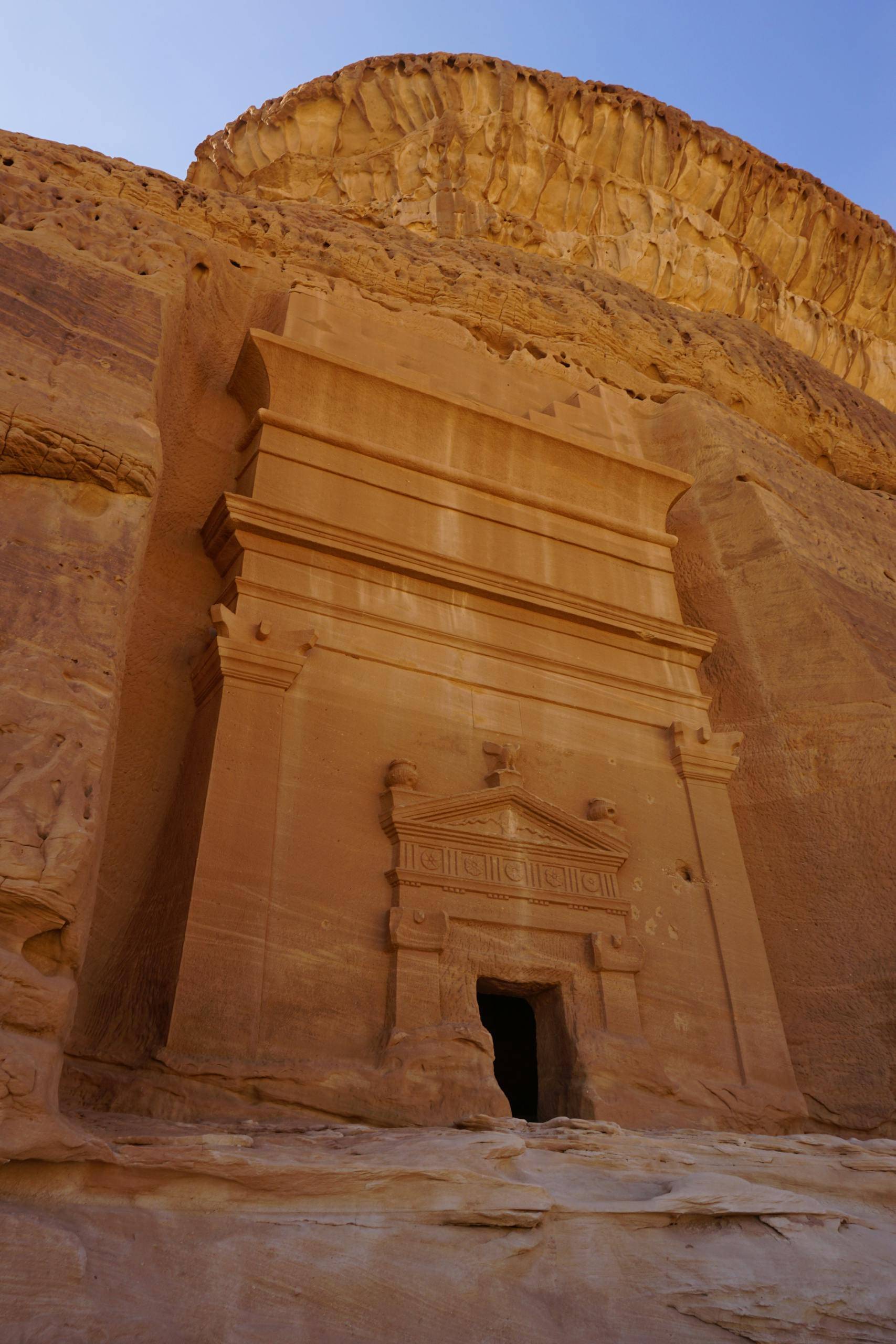
استكشف العلا القديمة: مقابر Hegra، نقوش الدادانيين، ومسارات الواحات الخفية. نصائح الخبراء لمغامرة صحراوية آمنة في السعودية.
أبرز النقاط
- يضم الحِجر 111 مقبرة نبطية ضخمة، ولا يمكن زيارته إلا بجولة مصحوبة بمرشد - تبدأ الجولات من SAR 95 للشخص الواحد، وتستغرق نحو ساعتين، وتُحجز عبر experiencealula.com.
- قصر الفريد، مقبرة لحيان بن كوزا، يبلغ ارتفاعه نحو 22 متراً ولم يكتمل قط؛ ويُظهر الجزء السفلي غير المكتمل كيفية نحت المقابر النبطية من الأعلى إلى الأسفل.
- تحمل جدران وادي جبل إكمة مئات النقوش بالخطوط الدادانية والثمودية والمعينية والآرامية، وأُضيفت المجموعة إلى سجل ذاكرة العالم لليونسكو عام 2023.
- تشمل التأشيرة السياحية السعودية الإلكترونية 66 جنسية وتكلف SAR 535 (SAR 395 رسوم التأشيرة إضافة إلى SAR 140 تأميناً صحياً إلزامياً)، وهي صالحة لعام واحد بدخول متعدد لمدة تصل إلى 90 يوماً في كل دخول.
- الفترة من أكتوبر إلى أوائل أبريل هي الموسم المناسب، بدرجات حرارة نهارية بين 15 و25 مئوية؛ ومن يونيو إلى أغسطس تتجاوز الحرارة عادة 40 مئوية وتنحصر جولات المواقع الخارجية في الصباح الباكر.
- تبعد المواقع 10-25 كم عن بعضها ولا توجد وسيلة نقل عام - إما استئجار سيارة من مطار العُلا الدولي أو استخدام الحافلة المجانية "إكسبيرينس العُلا" بين البلدة القديمة والفنادق والمواقع التراثية.
ما هي العُلا فعلياً
العُلا واحة صحراوية تقع شمال غرب المملكة العربية السعودية، ضمن منطقة المدينة المنورة، على بعد نحو 300 كم من ساحل البحر الأحمر باتجاه الداخل. تقع على طريق البخور القديم الذي كان ينقل اللبان والمُر من جنوب الجزيرة العربية إلى البحر الأبيض المتوسط، وقد بنت الممالك المتعاقبة حضورها هنا لأن الوادي كان يمتلك المياه وكان الطريق يشهد حركة تجارية نشطة. وما تبقى منها اليوم يتسم بتراكم طبقات تاريخية غير معتاد: بقايا دادانية ولحيانية تعود إلى الألفية الأولى قبل الميلاد، ومدينة نبطية من حوالي مطلع العصر الميلادي، وبلدة من الطوب اللبن يعود تاريخها إلى العصر الإسلامي وظلت مأهولة حتى ثمانينيات القرن الماضي، ونقوش صخرية تمتد عبر آلاف السنين بين تلك الحقب.
منذ عام 2019، تدير الهيئة الملكية لمحافظة العُلا الوادي بوصفه وجهة سياحية واحدة مُدارة بالكامل. وهذا يعني عملياً أن معظم المواقع الأثرية تتطلب تذاكر، وأن عدداً منها لا يمكن الوصول إليه إلا بصحبة مرشد، وأن كل شيء تقريباً يُحجز عبر منصة واحدة بدلاً من الحجز عند البوابة. والتخطيط المسبق هنا ليس خياراً بل ضرورة، بخلاف معظم الوجهات الأخرى. ويمكن الاطلاع على نظرة أوسع حول المنطقة في صفحة وجهة العُلا.
الوصول والتنقل
يقع مطار العُلا الدولي (ULH) على بعد 35 كم جنوب شرق مركز البلدة، ويستقبل رحلات داخلية من الرياض وجدة، مع توسّع شبكة الخطوط في الشتاء وتقلصها في الصيف. تحقق من الجداول الحالية بدلاً من افتراض وجود رحلة في الشهر الذي تخطط للسفر فيه. وتستغرق الرحلة من الرياض أقل قليلاً من ساعتين؛ ومن جدة نحو ساعة و20 دقيقة.
تتراوح المسافات داخل الوادي بين 10 و25 كم بين المواقع الرئيسية، ولا توجد وسيلة نقل عام اعتيادية. ويوجد خياران عمليان: استئجار سيارة من المطار، وهو ما يمنحك حرية التواجد عند صخرة الفيل وقت الغروب وعند الحِجر وقت الافتتاح، أو استخدام الحافلة المجانية "إكسبيرينس العُلا" التي تدور بين البلدة القديمة، ومجمع الفنادق الرئيسي، والمواقع التراثية وفق جدول زمني ثابت. وتكفي الحافلة إذا كنت تقيم ليلتين وتتبع المسار المعتاد؛ أما السيارة فتستحق تكلفتها إذا رغبت في زيارة نقاط المشاهدة النائية.
تُباع تذاكر المواقع التراثية عبر experiencealula.com، والطاقة الاستيعابية اليومية محدودة. بين أكتوبر ومارس، احجز قبل أسبوعين على الأقل؛ وخلال العطلات الرسمية وعطلات نهاية الأسبوع في مواسم المهرجانات، احجز قبل ذلك بوقت أطول.
الحِجر: المدينة النبطية
أصبح الحِجر، المعروف أيضاً باسم مدائن صالح، أول موقع تراث عالمي لليونسكو في المملكة العربية السعودية عام 2008. وكان المدينة الجنوبية للمملكة النبطية، الحضارة ذاتها التي نحتت البتراء على بعد نحو 500 كم إلى الشمال، وكان مستخدَماً تقريباً من القرن الأول قبل الميلاد إلى القرن الأول الميلادي. ويضم الموقع 111 مقبرة ضخمة منحوتة في تكوينات صخرية رملية منتشرة عبر الصحراء المفتوحة، ومعظمها مزيّن بنقوش النسور وأبي الهول والأواني والشرفات المُدرَّجة، ويحمل كثير منها نقوشاً تذكر اسم صاحب المقبرة وعقوبة إعادة استخدامها.
وأكثر المعالم التي يتم تصويرها هي مقبرة لحيان بن كوزا، المعروفة باسم قصر الفريد، أي "القصر الوحيد". وتقف منفردة على صخرتها الخاصة، بارتفاع نحو 22 متراً، ولم تكتمل قط — إذ تتوقف آثار الإزميل في منتصف الطريق تقريباً، وهذا بالتحديد ما يجعلها مفيدة: إذ يمكنك قراءة تسلسل عملية النحت، من الأعلى إلى الأسفل، في واجهة واحدة.
لا يمكن الدخول إلا بجولة مصحوبة بمرشد. وتبدأ أسعار الجولات من SAR 95 للشخص الواحد، وتستغرق نحو ساعتين، سواء بحافلة أو بمركبة دفع رباعي خاصة، مع توقفات عند جبل إثلب وجبل البنات والجبل الأحمر ومقبرة لحيان. كما تتوفر جولات بسيارات لاند روفر كلاسيكية بسعر أعلى. والرحلات الصباحية أكثر برودة، وتلتقط واجهات المقابر المطلة شرقاً الإضاءة بشكل أفضل قبل منتصف النهار.
دادان وجبل إكمة
كانت دادان عاصمة المملكتين الدادانية ثم اللحيانية، قبل عدة قرون من وصول الأنباط، وكانت تسيطر على طريق التجارة نفسه. ويقع الموقع عند سفح الجرف الصخري الأحمر، والمعلم الذي يقصده الزوار هو صف المقابر المنحوتة في أعالي الصخر مع أسود منحوتة تحرس المداخل — وهي مدافن للنخبة، وُضعت في مكان يمكن للوادي بأكمله رؤيتها منه.
وعلى بعد بضع دقائق، يُعد جبل إكمة وادياً ضيقاً تحمل جدرانه مئات النقوش بالخطوط الدادانية والثمودية والمعينية والآرامية. وتوثق هذه النقوش نذوراً وقوانين وأسماء وطقوساً، وقد أُضيفت المجموعة إلى سجل ذاكرة العالم لليونسكو عام 2023. وتكفي ساعة واحدة لزيارته. وهو أهدأ المواقع الرئيسية، والموقع الذي يغيّر أكثر من غيره طريقة فهمك لبقية الوادي: فقد كان هذا مكاناً يعرف الكتابة ولديه إدارة فاعلة قبل وقت طويل من نحت مقابر الحِجر.
وعادةً ما تُباع جولتا دادان وجبل إكمة معاً كجولة واحدة مصحوبة بمرشد. وهما، مثل الحِجر، ليسا موقعين يمكن الدخول إليهما دون حجز مسبق.
بلدة العُلا القديمة
البلدة القديمة عبارة عن تجمّع كثيف من نحو 900 منزل من الطوب اللبن، بُنيت عند سفح الجرف، وظلت مأهولة باستمرار حتى انتقل سكانها إلى مساكن حديثة في ثمانينيات القرن الماضي. ويمر الآن ممر مُرمَّم عبر وسطها يضم مقاهٍ وورش حرفية ومحامص قهوة؛ أما الحي غير المُرمَّم خلفه فمفتوح للتجول، ويمنح فهماً أعمق لطريقة عمل البلدة، بجدرانه المشتركة وأزقته الضيقة المظللة ومدخله الدفاعي الوحيد.
تقع قلعة موسى بن نصير على الصخرة المرتفعة أعلى البلدة، وتتطلب تسلقاً قصيراً وشديد الانحدار للوصول إليها، مقابل أفضل إطلالة على بساتين النخيل والوادي. وأفضل وقت للزيارة هو أواخر بعد الظهر، سواء لجودة الإضاءة أو لأن الطوب اللبن يظل يشع حرارة حتى ذلك الوقت.
صخرة الفيل والمشهد الطبيعي الأوسع
جبل الفيل، أو صخرة الفيل، كتلة صخرية رملية واحدة نحتتها الرياح، وتقع على بعد نحو 11 كم شمال شرق البلدة، وتتخذ بوضوح شكل فيل بخرطومه ممتداً نحو الأرض. وقد حُفرت الرمال المحيطة بها لتشكل مناطق جلوس مع حفر نار، ويوجد كشك لبيع المشروبات. ويكون الموقع مزدحماً وقت الغروب، لكنه يستحق التوقيت لأجل ذلك رغم الازدحام.
وأبعد من ذلك، يقع حقل صخور الغرامیل حيث تنطلق جولات مراقبة النجوم: وهو مجموعة متناثرة من الأعمدة الصخرية الرملية النحيلة وسط صحراء مفتوحة بعيدة تماماً عن أضواء البلدة. وتتميز العُلا بتلوث ضوئي شبه معدوم، وتكون سماء الشتاء مظلمة فعلياً، ولهذا يقام برنامج المرصد والجولات الليلية المصحوبة بمرشدين هناك بدلاً من داخل الوادي. وتمنحك حرة عويرض، الهضبة البركانية عند الحافة الغربية، إطلالة علوية على الواحة بأكملها، ويمكن الوصول إليها عبر الطريق.
ومرايا، قاعة الحفلات المكسوة بالمرايا في وادي عشار، ليست موقعاً أثرياً لكنها تستحق المعرفة بها: فهي تحمل رقماً قياسياً في موسوعة غينيس بوصفها أكبر مبنى مغطى بالمرايا، وبرنامج الفعاليات فيها يرفع أسعار الفنادق في أنحاء الوادي خلال تلك التواريخ.
أين تقيم
تنقسم أماكن الإقامة إلى ثلاث فئات. المنتجعات في واديي عشار والشيخة تمثل الفئة الأعلى سعراً، وهي السبب في سمعة العُلا كوجهة مكلفة؛ وتُحجز بالكامل قبل أشهر من موسم الشتاء. أما البلدة القديمة فتضم عدداً صغيراً من المباني التراثية المحوَّلة داخل النسيج المبني من الطوب اللبن نفسه. وهناك أيضاً فنادق وبيوت ضيافة بسيطة في البلدة الحديثة وما حولها بأسعار تقل كثيراً عن أسعار المنتجعات.
أياً كانت الفئة التي تختارها، تُعد الإقامة أكبر بند إنفاق منفرد في رحلة العُلا، وأكثرها تأثراً بتوقيت الحجز. احجزها قبل أي شيء آخر. ويوضح دليل فنادق ومنتجعات العُلا الخيارات المتاحة للحجز حالياً في كل فئة، بينما يغطي دليل الفنادق بقية أنحاء البلاد.
متطلبات الدخول
يمكن لمواطني 66 دولة التقدم بطلب التأشيرة السياحية الإلكترونية السعودية عبر الإنترنت من خلال visa.visitsaudi.com. وتبلغ الرسوم SAR 535، وتتكون من SAR 395 لرسوم التأشيرة وSAR 140 للتأمين الصحي الإلزامي. وهي صالحة لمدة عام واحد، وتتيح دخولاً متعدداً لمدة تصل إلى 90 يوماً في كل دخول، ويتم البت في معظم الطلبات خلال 24 إلى 72 ساعة. تقدم بالطلب مع ترك وقت كافٍ بدلاً من الليلة السابقة للسفر.
أما حاملو تأشيرة سياحية أو تجارية سابقة الاستخدام من الولايات المتحدة أو المملكة المتحدة أو منطقة شنغن، وكذلك المقيمون في تلك المناطق، فقد يكونون مؤهلين بدلاً من ذلك للحصول على تأشيرة عند الوصول في المطارات الدولية الرئيسية، تُصدر برسوم أقل. وقواعد الأهلية أضيق مما تبدو عليه، وهي موضحة في دليل التأشيرة عند الوصول. ويجب أن يكون جواز سفرك سارياً لمدة ستة أشهر على الأقل في جميع الأحوال.
أفضل وقت للذهاب، وما الذي يتغيّر بذلك
الفترة من أكتوبر إلى أوائل أبريل هي النافذة المثالية. وتتراوح درجات الحرارة نهاراً في هذه الفترة عادة بين 15 و25 درجة مئوية، وهو ما تتطلبه زيارة المواقع الأثرية المفتوحة. أما درجات الحرارة مساءً من نوفمبر إلى مارس فتنخفض إلى نحو 8-15 درجة مئوية، لذا تحتاج إلى طبقة دافئة لأي نشاط بعد حلول الظلام — كزيارة صخرة الفيل، أو جولة مراقبة النجوم في الغرامیل، أو تناول العشاء في الهواء الطلق.
وفي الفترة من يونيو إلى أغسطس، تتجاوز درجات الحرارة عادة 40 درجة مئوية، والظل في هذه المواقع شحيح للغاية. وتستمر الجولات لكن جداولها تنحصر في الصباح الباكر، وتكون التجربة أقل جودة بشكل ملحوظ. أما أكتوبر وأبريل فهما شهرا الفترة المتوسطة المفيدان: عدد أقل من الزوار، وأيام أكثر دفئاً، ونفس صفاء السماء.
إذا صادفت مواعيد رحلتك شهر رمضان، فستتغير ساعات عمل المطاعم بشكل كبير وتكون الخدمة النهارية محدودة؛ ويحل الإقامة في فندق يقدم نظام "نصف الإقامة" هذه المشكلة. وللاطلاع على برنامج يومي مفصل لزيارة قصيرة، راجع برنامج رحلة العُلا لثلاثة أيام.
ماذا تحزم في حقيبتك
ملابس طويلة الأكمام واقية من الأشعة فوق البنفسجية بدلاً من القطن العادي، وأحذية مغلقة ذات قبضة جيدة لأن الرمال الصخرية السائبة في الحِجر ودادان قد تكون زلقة، وما لا يقل عن لترين من الماء للشخص الواحد يومياً، وبطارية محمولة — إذ لا توجد إمكانية للشحن في جبل إكمة أو الغرامیل. والمناظير هنا أكثر فائدة منها في معظم المواقع الأخرى: فكثير من التفاصيل في الحِجر، بما في ذلك نقوش النسور، تقع في أعلى الواجهات ويصعب قراءتها من الأرض.
قواعد مهمة أثناء الزيارة
لا تلمس النقوش أو الزخارف؛ فزيوت الجلد تُتلف الحجر الرملي، ويُطبَّق البقاء خلف الحواجز بصرامة. واستخدام الطائرات المسيّرة منظّم ويتطلب تصريحاً من الهيئة العامة للطيران المدني، وهو أمر يجب ترتيبه قبل السفر — فالمواقع التراثية ليست مكاناً لاختبار مدى تطبيق القاعدة. ويحتاج التصوير التجاري والاحترافي إلى موافقة مسبقة من الهيئة الملكية؛ أما تصوير الزوار العادي فلا يحتاج إلى ذلك.
أما بخصوص اللباس، فتغطية الكتفين والركبتين هي التوقع العام للجميع. ولم تعد العباءة أو غطاء الرأس إلزاميين للنساء منذ عام 2019، والطبقات الخفيفة الطويلة هي الخيار العملي في هذا المناخ على أي حال.
الهواء الجاف هو الأمر الذي يستهين به معظم الناس. فهو يُذهب العرق قبل أن تلاحظه، لذا يصل شعور العطش متأخراً. احمل ماءً أكثر مما تظن أنك بحاجة إليه، وتعامل مع إغلاق المواقع الخارجية عند منتصف النهار في الصيف كمعلومة مفيدة لا كإزعاج.
إدراج العُلا ضمن مسار رحلة أطول
تكفي ليلتان لتغطية الحِجر ودادان وجبل إكمة والبلدة القديمة دون تسرع، ما يجعل العُلا محطة وسطى طبيعية بين الرياض وجدة. أدخل تواريخك في مخطط الرحلات لمعرفة كيفية ترتيب ذلك مع رحلات الطيران، وتحقق مما هو متاح للحجز في الوادي خلال أسبوعك من دليل الفنادق.
الأسئلة الشائعة
- Can I visit Hegra on my own?
- No. Hegra is accessible by guided tour only, on a coach or in a private 4x4, with daily capacity capped. Tours start from SAR 95 per person and last about two hours. Book on experiencealula.com at least two weeks ahead for travel between October and March.
- How many tombs are there at Hegra?
- 111 monumental tombs, cut into sandstone outcrops across an open desert plain and dating roughly from the 1st century BCE to the 1st century CE. Many carry inscriptions naming the owner and the penalty for reusing the tomb.
- What visa do I need for AlUla?
- The Saudi tourist eVisa, available online at visa.visitsaudi.com to citizens of 66 countries. It costs SAR 535 - SAR 395 for the visa plus SAR 140 of mandatory medical insurance - and is valid one year for multiple entries of up to 90 days each, capped at 180 days per year. Most applications are decided in 24 to 72 hours.
- When is the best time to visit AlUla?
- October to early April, when daytime temperatures sit between 15 C and 25 C. Evenings from November to March fall to roughly 8-15 C, so bring a warm layer for stargazing or Elephant Rock after dark. June to August regularly exceeds 40 C and most outdoor touring shifts to the first hours after sunrise.
- How many days does AlUla need?
- Two full days covers Hegra, Dadan, Jabal Ikmah and the Old Town at a reasonable pace. A third day adds Gharameel stargazing, the Harrat Uwayrid overlook or a hike in Sharaan Nature Reserve.
- Can I fly a drone at the heritage sites?
- Not without a permit. Drone use in Saudi Arabia is regulated by the General Authority of Civil Aviation and approval must be arranged before you travel. Commercial and professional photography also requires advance approval from the Royal Commission for AlUla; ordinary visitor photography does not.