沙特阿拉伯租车指南:2026年完整版
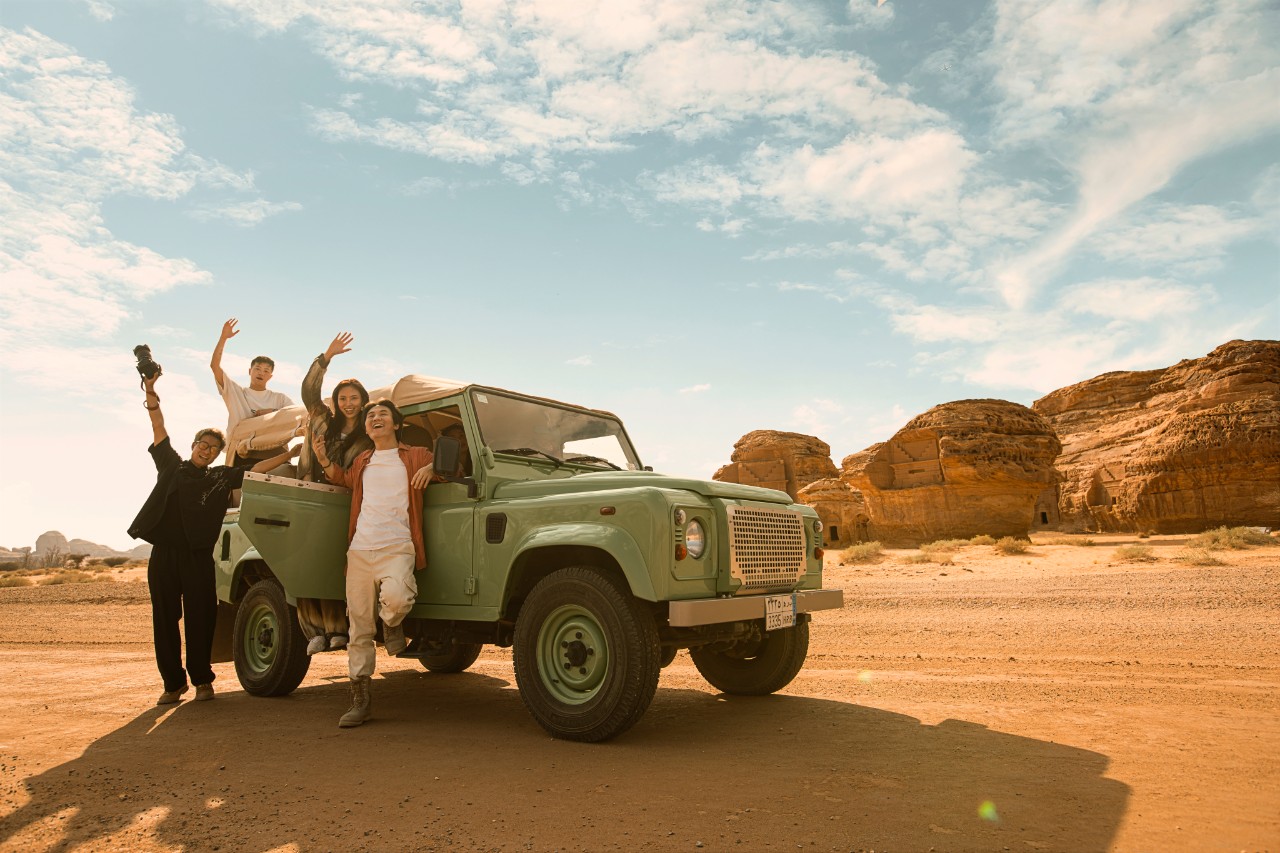
2026年沙特阿拉伯租车完整指南:了解驾照要求、最佳租车公司、道路规则、保险提示及王国热门自驾路线,轻松探索沙特。
要点速览
- 持旅游签证者可使用国际驾照,但必须随身携带护照原件和实体国际驾驶许可证 (IDP)——租车柜台不接受电子版复印件。
- 本地租车公司(如Lumi、Theeb)的紧凑型轿车每天80至120沙特里亚尔起;赫兹 (Hertz) 或百捷 (Budget) 等国际品牌每天150至250沙特里亚尔。建议在线预订,以避免机场额外收取的50至80沙特里亚尔附加费。
- 汽油价格受到大幅补贴:91号汽油约每升0.67沙特里亚尔,95号汽油约每升0.83沙特里亚尔——在进入偏远地区前请务必加满油,那里的加油站之间可能相距200公里。
- 所有主要高速公路上都密布测速摄像头;高速公路限速为120公里/小时,罚款起步价为150沙特里亚尔——租车公司会将摄像头罚单直接扣款至你的信用卡。
- 利雅得的环城公路(第一至第四环)在部分匝道上设有与Absher系统关联、类似Salik的收费闸门;如果经常在城内穿行,请预留每天20至40沙特里亚尔的过路费预算。
沙特阿拉伯租车指南:2026年完整版
沙特阿拉伯是一个为汽车而生的国家。虽然像利雅得地铁这样的公共交通项目正在改变这座首都,但真正探索这个王国的魅力——从红海海岸到阿西尔 (Asir) 山脉,再到鲁卜哈利沙漠 (Empty Quarter)——都离不开四个车轮带来的自由。2026年,租车比以往任何时候都更容易,但在选择租车公司、了解驾照要求和驾驶文化方面,仍然需要一些本地知识。
对2026年的国际旅行者而言,租车既安全、价格也出乎意料地实惠,而且整个流程已完全数字化。不过,这里也有一套独特的规则,从自动化的"Saher"罚单系统到具体的保险条款,都需要提前了解。
本指南提供最新的价格、法律要求和本地实用信息,确保你的公路旅行顺利进行、不吃罚单。
- 强烈建议办理国际驾驶许可证 (IDP),即使你本国的驾照本身也被接受。
- 信用卡是支付押金的必备工具;借记卡很少被接受。
- 务必选择"零自付额"保险,以避免高额免赔额。
- 请留意自动化的"Saher"交通摄像头系统及其严格的执法力度。
- 中国汽车品牌在租车车队中占据主导地位,性价比出色。
1. "我能开车吗?"自查清单
预订之前,你必须先确认自己是否符合资格。针对游客的规定已经简化,但对某些特定签证类型仍有严格执行的限制。
驾照有效性
- 游客(英国、美国、欧盟、海合会、澳大利亚、新西兰):你可以凭本国有效驾照驾驶最长3个月(或以你的签证有效期为准,以两者中较短者为准)。
- "黄金法则"(国际驾驶许可证 IDP):虽然利雅得或吉达的主要租车公司会接受英国或美国驾照,我们仍强烈建议办理一份国际驾驶许可证 (IDP)。如果你在偏远地区(比如通往迪萨谷 Wadi Disah 的路上)被警察拦下,IDP能帮你跨越语言障碍,而且在发生事故时申请保险理赔也往往需要用到它。
- 非拉丁字母驾照:如果你的驾照使用的不是拉丁字母(例如中文、俄文、日文),则必须办理IDP。
签证限制
- 旅游电子签证:完全符合租车和驾驶资格。
- 副朝签证:请务必谨慎。部分租车公司(尤其是沙特阿维斯 Avis Saudi Arabia)出于圣城以外地区保险限制的考虑,对副朝签证持有者的租车资格设有限制政策。如果你持此类签证出行,请务必事先向具体门店确认相关政策。
年龄要求
- 标准最低年龄:21岁。
- 豪华车/SUV最低年龄:通常为23岁或25岁。
- 年轻驾驶员附加费:如果你的年龄在21至24岁之间,预计每天需额外支付约30至56沙特里亚尔(约合8至15美元)的附加费。
2. 预订策略:车队、支付方式与"中国车"趋势
选择租车公司
- 国际品牌(安飞士 Avis、百捷 Budget、西克斯特 Sixt、欧洲汽车 Europcar):最适合首次到访的游客。这些公司车队更新、员工可用英语沟通、合同条款透明,不过每日租金相对略高。
- 本地大牌(Yelo、Key、Lumi):非常不错的替代选择。它们分布广泛,通常比国际品牌便宜15%到20%,而且在哈伊勒或塔布克等较小城市也有大量门店。
- 应用型颠覆者(eZhire):这款应用允许你无需押金即可租车,且常常接受借记卡付款。不过关于交车时间和车况的用户评价参差不齐,因此仅建议在你无法提供信用卡的情况下使用。
"中国车"的优势
在2025/2026年,你会发现吉利(Geely,包括Coolray、Tugella车型)和长安(Changan,包括CS35、Uni-K车型)等中国品牌在租车车队中占据主导地位。
押金与支付规则
- 信用卡为王:你几乎肯定需要一张带有凸字卡号的信用卡来支付押金。
- 借记卡:大多数柜台都不接受借记卡作为押金支付方式。
- 72小时退款新规(2025年新规):沙特交通总局的一项新规定要求,租车公司必须在车辆归还后的72个工作小时内退还押金。如果对方拖延,你可以向交通总局 (TGA) 投诉。
- 押金金额:预计信用卡上会被冻结1,000至3,000沙特里亚尔(约合266至800美元)。
3. 费用详情:租金、燃油与保险
租车费用(2026年预估)
| 车型 | 每日租金(沙特里亚尔) | 每日租金(美元) |
|---|---|---|
| 经济型(丰田雅力士/吉利帝豪) | 90 – 120 | ~24–32 |
| 紧凑型SUV(现代Creta/吉利Coolray) | 160 – 220 | ~42–58 |
| 大型四驱车(丰田Fortuner/雪佛兰Tahoe) | 400+ | ~106+ |
燃油价格(2026年1月)
沙特阿拉伯的燃油价格在全球范围内仍属最低之列。
- 91号汽油(绿色油枪):约每升2.18沙特里亚尔(约合0.58美元/升)。适合大多数租赁车辆使用。
- 95号汽油(红色油枪):约每升2.33沙特里亚尔(约合0.62美元/升)。
- 柴油(蓝色/黄色油枪):约每升1.79沙特里亚尔。
保险:推荐选择"零自付额"
标准租车保险(碰撞险 CDW)通常附带较高的"自付额"(免赔额),常见范围为1,500至5,000沙特里亚尔。
4. 上路须知:Saher系统生存指南
沙特的道路由Saher系统监控,这是一套自动化交通摄像头系统。它高效、不留情面,而且完全数字化。
主要违规行为与罚款(2025/2026年)
- 超速:罚款从150沙特里亚尔到2,000沙特里亚尔以上不等。
- 容差范围:通常有10公里/小时的超速容差,但一旦超过这个范围,Saher摄像头会立即拍照记录。
- 使用手机:驾驶时手持手机(即使是在红灯前停车时)也会被AI摄像头识别。罚款:500至900沙特里亚尔。
- 安全带:驾驶员和乘客均须系安全带。罚款:150至300沙特里亚尔。
- 闯红灯:闯红灯属于严重违规行为。罚款:3,000至6,000沙特里亚尔。
停车
在利雅得和吉达等城市,付费停车通过Mawgif应用程序或蓝色/黑色路缘标识来管理执行。硬币支付已基本被淘汰。
5. 精选行程:公路旅行与"隐藏瑰宝"
沙特阿拉伯发达的高速公路网络让史诗级的公路旅行变得轻而易举。2026年两条不容错过的路线分别是沿古老希贾兹之路 (Hejaz Road) 从吉达前往欧拉 (AlUla) 的旅程,以及从塔伊夫 (Taif) 到阿布哈 (Abha) 的壮观云端公路。
路线一:历史之旅(经希贾兹之路从利雅得前往欧拉)
吉达前往欧拉 沿线以及传奇的希贾兹之路,依然是沙特阿拉伯最受欢迎的公路旅行路线。无论你是从利雅得向西北出发,还是从吉达接上这条历史悠久的希贾兹之路,沿途都将穿越壮丽的沙漠景观,追溯古代贸易和朝觐路线的足迹。
- 距离:沿65号公路(希贾兹之路走向)约1,000公里。
- 路况:穿越沙漠的优质铺装公路。北段路线沿着旧汉志铁路走廊延伸。
- 隐藏瑰宝停靠点:乌沙盖尔 (Ushaiqer) 文化遗产村。位于利雅得以外约200公里处,是一座令人惊叹的、仍有人居住的内志泥砖建筑活态博物馆。是打破长途驾驶单调、享用午餐的绝佳歇脚点。
- 哈伊勒美食贴士:在哈伊勒市(路程中点)稍作停留,前往Al Turathi用餐。这是一家坐落在传统泥砖建筑内的餐厅,供应正宗的曼迪 (Mandi,香料肉饭) 和骆驼肉料理。
路线二:云端公路(塔伊夫至阿布哈)
- 距离:约600公里(15号公路)。
- 路况:这是一条山路。建议使用发动机排量较大的车辆(推荐2.0升以上)。
- 注意事项:沿途会遇到路边的狒狒。请勿投喂它们;它们可能具有攻击性,并会损坏汽车雨刷。
- 必看景点:里加勒阿尔马 (Rijal Almaa),一座被列入联合国教科文组织名录的石英石建造遗产村,位于阿布哈附近的山脚下。
6. 紧急情况处理流程
在沙特阿拉伯,警方通常不处理轻微的剐蹭事故。你需要了解Najm(纳吉姆)和Muroor(交通警察)之间的区别。
情形A:轻微事故(无人员受伤)
情形B:重大事故(有人员受伤/无保险)
道路救援
这可以说是"道路救援界的Uber"。如果你在利雅得市中心遇到爆胎、电瓶没电或没油的情况,可以通过该应用程序叫一辆救援车。该服务可靠,价格透明。
常见问题
最佳出行时间是什么时候?
10月至次年3月的天气最为宜人。气温温和,非常适合观光。除非你要前往沿海地区,否则应避开6月至8月出行。
我需要签证吗?
符合资格的66个国家的公民可以在线申请旅游电子签证,费用为535沙特里亚尔,含医疗保险。整个流程通过沙特官方签证门户网站办理,非常简便。
沙特阿拉伯适合家庭出行吗?
非常适合!沙特阿拉伯在家庭娱乐设施、公园以及适合各年龄段的文化体验项目上投入了大量资源。
应该穿什么?
公共场合应着装得体。轻便透气的面料是最佳选择。女性已不再需要穿罩袍 (abaya),但仍应遮住肩膀和膝盖。
规划你的沙特之旅
准备好探索这个王国了吗?我们的AI智能行程规划工具会根据你的兴趣、预算和出行日期,为你打造个性化行程。从利雅得的天际线到欧拉的古老陵墓——让我们助你以自己的方式发现沙特阿拉伯。
常见问题
- What documents do I need to rent a car in Saudi Arabia?
- You must have a valid International Driving Permit (IDP) along with your home country driving license, a passport, and a valid visa or residency document. Most rental companies require you to be at least 21 years old and provide a credit card for the security deposit.
- Is driving in Saudi Arabia safe for tourists?
- Yes, driving in Saudi Arabia is generally safe for tourists on main highways and city roads. The kingdom has improved road infrastructure significantly, and traffic rules are well-enforced. Always follow speed limits, wear seatbelts, and avoid driving in sandstorms or at night if unfamiliar with the roads.
- What is the average cost of renting a car for a week in Saudi Arabia?
- Weekly car rental rates in Saudi Arabia typically range from SAR 800-2,500 depending on the vehicle type and rental company. Economy cars are cheaper, while SUVs suitable for desert driving cost more. Always book in advance through established companies for better rates and vehicle quality.
- Can I drive across borders from Saudi Arabia in a rental car?
- Most rental car agreements restrict driving outside Saudi Arabia, though some companies allow travel to the UAE with additional permits and insurance. Always check the rental contract carefully and inform the rental company of your travel plans before confirming the booking.