

Useful Tools
guides.etiquette.body.culturalOrigins
Saudi Arabia's social customs are shaped by three interwoven forces: Islam, which provides the spiritual and legal framework; Bedouin tribal traditions, which emphasize honor, generosity, and communal bonds; and the modern Vision 2030 transformation, which is opening the Kingdom to the world while preserving its identity.
Islam is not simply a religion in Saudi Arabia. It is the organizing principle of daily life. The five daily prayers (salat) structure the rhythm of the day. The call to prayer (adhan) echoes from minarets across every city. Shops and restaurants pause. This is not an inconvenience: it is the heartbeat of Saudi society, and understanding it transforms your visit from tourism into genuine cultural immersion.
Bedouin hospitality (known as diyafa) predates Islam by centuries. In the harsh desert environment, offering shelter, food, and protection to travelers was not just courtesy but survival. This deep tradition means that Saudi hosts will often insist on generosity that can surprise Western visitors: refusing a cup of Arabic coffee or declining an invitation to dinner can be perceived as a social rebuff. The key principle is simple: accept with gratitude, reciprocate with warmth.
问候与社交礼仪
The Arabic greeting "As-salamu alaykum" (peace be upon you) is rooted in the Quran and has been the standard salutation across the Arabian Peninsula for over 1,400 years. It carries genuine spiritual weight: you are wishing peace upon the other person as a sacred act.
- 「As-salamu alaykum」(愿平安与你同在)是标准问候语,回应时说「Wa alaykum as-salam」。
- 男性之间以握手问候,有时会轻触右脸颊,关系亲密者可能互相轻抱。
- 非亲属男女之间问候时应避免肢体接触,除非对方主动。右手放在心口处并微微点头是一种尊重的替代方式。
- 问候、用餐及递接物品时使用右手——左手被认为是不洁的。
- 称谓很重要。可使用「Sheikh」、「Doctor」,或在对方名字前加「Abu」(某人之父)。
- 热情好客是沙特文化的核心。若被邀请喝阿拉伯咖啡(qahwa)或茶,接受是礼貌的表现。喝够时轻轻左右摇晃杯子即可。
guides.etiquette.body.whyRightHand
guides.etiquette.body.rightHandExplanation

餐桌礼仪
Saudi dining culture reflects both Islamic dietary law (halal) and centuries of Bedouin communal eating traditions. The communal meal, where food is shared from large platters, symbolizes equality and brotherhood. The most famous communal dish, kabsa (spiced rice with meat), originates from the Najd region and is considered the national dish.
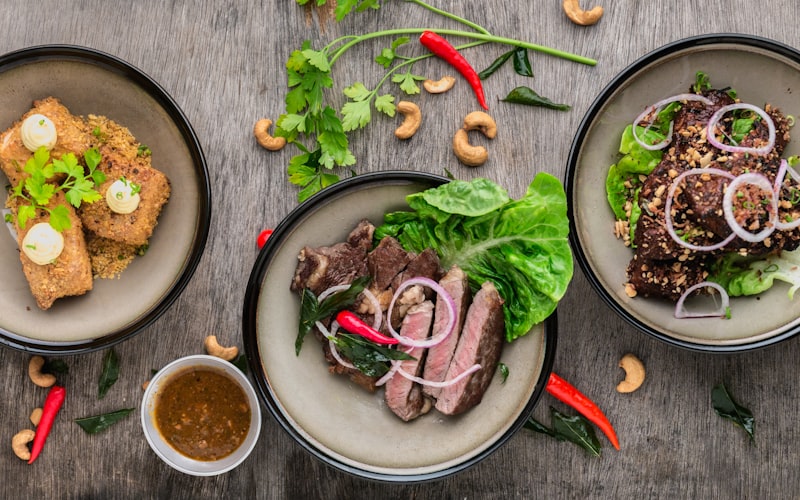
在餐厅
- 许多餐厅设有「家庭区」和「单身区」(仅限男性),但这一规定在主要城市已逐渐放开。
- 沙特阿拉伯全国禁止饮酒。餐厅供应果汁、阿拉伯咖啡、茶及无酒精鸡尾酒。
- 餐厅在每日五次礼拜时段(每次约15至30分钟)可能短暂关闭。
- 斋月期间,白天在公共场所饮食或吸烟均属违规。
传统用餐
- 传统餐食可能铺设在地面的公共餐垫(苏弗拉)上享用。
- 用餐时请只使用右手。现代餐厅通常提供餐具。
- 接受主人再次盛食是礼貌之举——多次婉拒食物可能显得失礼。
- 请赞美食物和主人。阿拉伯语“Allah yibarek”(愿主赐福)表达感激之情。
guides.etiquette.body.coffeeRitual
guides.etiquette.body.coffeeRitualDescription

清真寺礼仪
清真寺是礼拜场所,应当受到尊重。部分清真寺在礼拜时间以外欢迎非穆斯林参观。 The tradition of removing shoes stems from the Quranic verse where Moses was commanded to remove his sandals at the sacred valley of Tuwa (Surah Ta-Ha, 20:12). Mosques are considered extensions of sacred ground, and cleanliness (tahara) is a fundamental aspect of Islamic worship.
- 进入前请脱鞋。通常设有鞋架或提供鞋袋。
- 着装要端庄:遮盖手臂、双腿,女性须遮盖头部。部分清真寺在入口处提供阿拉伯长袍。
- 请将手机静音,保持低声交谈。
- 请勿从正在礼拜的人面前走过。
- 在清真寺内拍照前请先征得许可。
- 非穆斯林不得进入麦加和麦地那的两座圣寺。
guides.etiquette.body.fivePrayersHeading
guides.etiquette.body.prayerTimesDescription
guides.etiquette.body.ramadanReligious
Ramadan is the ninth month of the Islamic lunar calendar, during which Muslims fast from dawn to sunset. The fast commemorates the revelation of the Quran to the Prophet Muhammad and is one of the five pillars of Islam. For visitors, Ramadan transforms the rhythm of Saudi life in profound ways.
guides.etiquette.body.duringDay
- guides.etiquette.body.duringDayDetail
guides.etiquette.body.afterSunset
- guides.etiquette.body.afterSunsetDetail
For a complete guide to visiting during Ramadan, see our Ramadan travel guide.
guides.etiquette.body.genderNorms
Saudi Arabia has undergone significant social transformation since 2016. Women now drive, attend sporting events, work across all sectors, and travel independently. However, traditional values of modesty and respect between genders remain culturally important.
- guides.etiquette.body.physicalContact
- guides.etiquette.body.eyeContact
- guides.etiquette.body.mixedGatherings
- guides.etiquette.body.photoGenderNote
Women travelers should consult our solo female travel guide for detailed advice.
摄影规则
沙特阿拉伯对拍照的态度已越来越开放,但部分规定仍需遵守。 Under Vision 2030, Saudi Arabia actively encourages tourism photography and social media sharing. However, privacy and security sensitivities remain, rooted in both Islamic values of personal privacy (the concept of satr) and national security considerations.
- 拍摄他人照片前务必征得同意,尤其是女性和家庭。
- 严禁拍摄军事设施、政府建筑及部分王宫。
- 部分博物馆和遗址可能限制拍照——请留意相关告示。
- 在集市和公共场所进行街头摄影通常可以接受,但请保持尊重。
- 避免拍摄交通事故或紧急场景。
- 无人机须向民航总局(GACA)申请许可。
For detailed photography advice, see our photography guide.


商务礼仪
Saudi business culture is built on personal trust. Unlike Western transactional norms, Saudis invest heavily in relationship-building (wasta, meaning connections and influence) before discussing business specifics. This is not inefficiency: it reflects the Bedouin principle that a person's word and character matter more than a contract.
- 沙特工作周为周日至周四,周五和周六为休息日。
- 会议可能晚于预定时间开始——在社交场合中,耐心比守时更受重视。
- 名片用右手递交。若名片一面印有阿拉伯文,将是周到的细节。
- 建立关系至关重要。请预期在正式商谈前会有一段寒暄时间(喝咖啡、闲聊)。
- 决策可能需要时间,避免催促对方立即给出答案。
- 商务馈赠较为普遍,请避免赠送含酒精或猪源成分的产品。
guides.etiquette.body.quickReference
guides.etiquette.body.doTitle
- • guides.etiquette.body.do.do1
- • guides.etiquette.body.do.do2
- • guides.etiquette.body.do.do3
- • guides.etiquette.body.do.do4
- • guides.etiquette.body.do.do5
- • guides.etiquette.body.do.do6
- • guides.etiquette.body.do.do7
- • guides.etiquette.body.do.do8
guides.etiquette.body.dontTitle
- • guides.etiquette.body.dont.dont1
- • guides.etiquette.body.dont.dont2
- • guides.etiquette.body.dont.dont3
- • guides.etiquette.body.dont.dont4
- • guides.etiquette.body.dont.dont5
- • guides.etiquette.body.dont.dont6
- • guides.etiquette.body.dont.dont7
- • guides.etiquette.body.dont.dont8
trust.sourcesReferences
- [1]
- [2]
- [3]Saudi Ministry of Islamic Affairs — Mosque Visitor Guidelines — Ministry of Islamic Affairs (trust.accessed 2026年3月15日)
common.faq
酒精真的被完全禁止吗?
是的。在沙特阿拉伯,无论国籍或宗教信仰,出售、购买和饮用酒精均属违法,且处罚严厉。许多酒店和餐厅提供多样化的无酒精饮品。
礼拜时间期间会发生什么?
许多商店和餐厅在每日五次礼拜时段会短暂关闭,通常持续15至30分钟。购物中心可能关闭入口,但已在内的顾客可留在原地。这一传统在主要城市和旅游区已逐渐放开,但请做好行程中短暂停顿的准备。
可以在公共场所表达亲密行为吗?
公共场所的亲密举止应保持克制。在大多数城市地区,已婚伴侣牵手是可以接受的,但在公共场所接吻或拥抱被视为不妥当。相关社会规范正在逐步开放,尤其是在利雅得和吉达等城市。
斋月期间应如何表现?
非穆斯林无需封斋,但白天在公共场所饮食或吸烟属于违规行为。白天餐厅可能关门,部分提供外卖或私密包厢用餐。日落后(开斋时),气氛喜庆,并有许多特别活动。
在沙特阿拉伯需要给小费吗?
小费并非强制,但受欢迎。在餐厅,若账单未含服务费,给10-15%的小费较为常见。对酒店员工和司机,10-20里亚尔是友好的心意。在较传统的场合,慷慨大方受人赞赏,但绝无强制要求。
非穆斯林可以参观沙特阿拉伯的清真寺吗?
沙特阿拉伯许多清真寺现已在礼拜时间以外欢迎非穆斯林参观,尤其是吉达阿拉赫马清真寺等旅游区的清真寺。麦加和麦地那的两座圣寺仍仅限穆斯林进入。参观时请务必着装端庄,并在入内前脱鞋。
guides.etiquette.body.relatedGuidesHeading
guides.etiquette.body.relatedGuidesIntro guides.etiquette.body.dressCodeGuideLink guides.etiquette.body.relatedGuides1 guides.etiquette.body.culinaryTraditionsLink guides.etiquette.body.relatedGuides2 guides.etiquette.body.artCultureLink guides.etiquette.body.relatedGuides3 guides.etiquette.body.ramadanGuideLink guides.etiquette.body.relatedGuides4 guides.etiquette.body.soloFemaleLink guides.etiquette.body.relatedGuides5 guides.etiquette.body.photographyEtiquetteLink guides.etiquette.body.relatedGuides6 guides.etiquette.body.bedouinHospitalityLink.