Yanbu Heritage: Lawrence of Arabia & Red Sea Diving
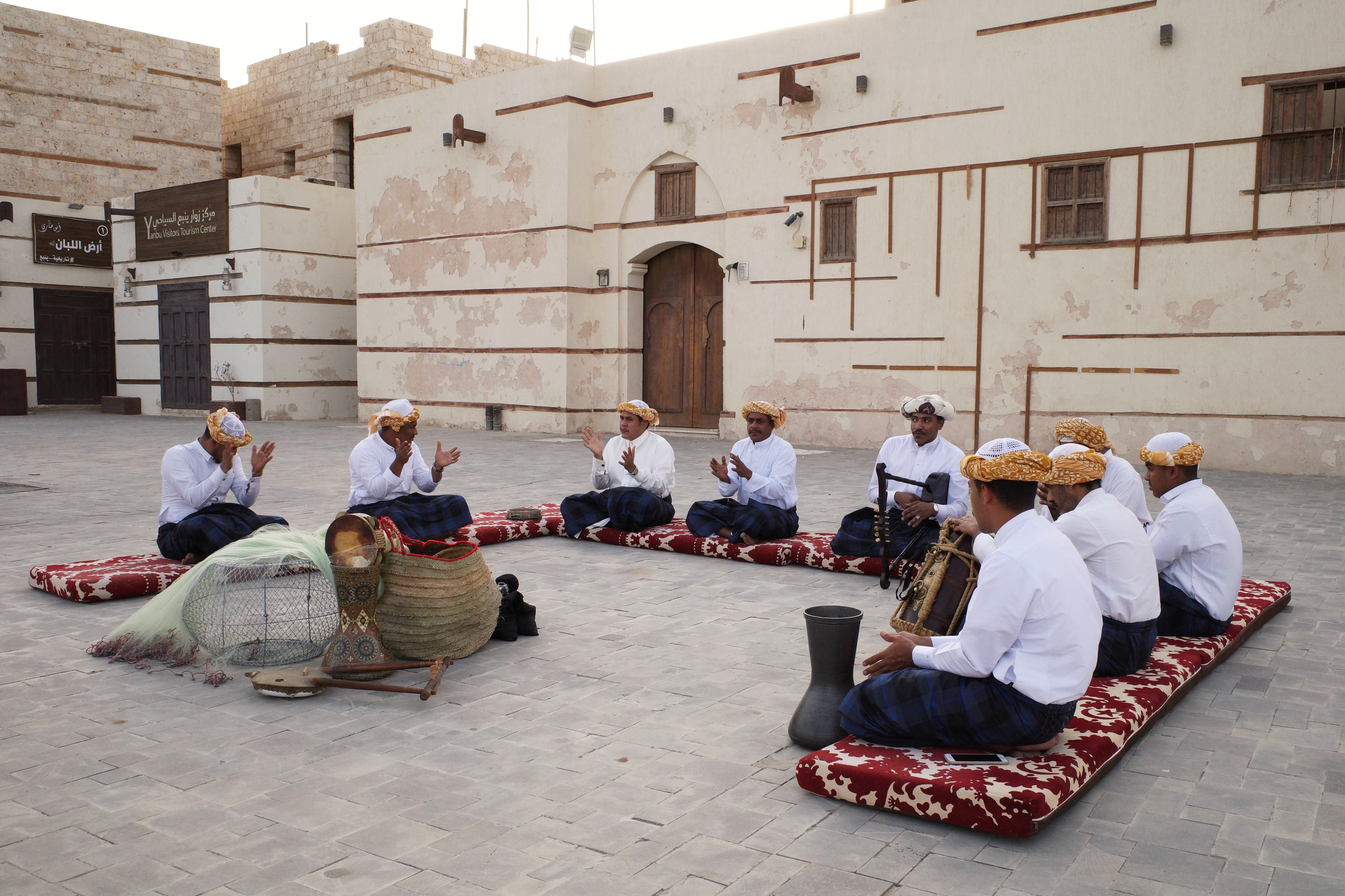
Discover Yanbu heritage: restored Old Town, T.E. Lawrence history, Red Sea diving & best time to visit this Saudi coastal gem.
Key Takeaways
- Lawrence of Arabia used Yanbu as his base during the Arab Revolt of 1916 — the old port area preserves this history
- The Ottoman-era houses in Yanbu Al-Bahr (old town) have distinctive Hejazi coral stone and wooden lattice work
- Yanbu diving highlights: SS Iona wreck at 18m depth, Seven Sisters reef, and the coral gardens at Abu Galawa
- The Yanbu Flower Festival in March transforms the Corniche with 2 million flowers and cultural events
- Combine Yanbu with a drive to Umluj (3 hours north) for the complete Red Sea coastal experience
Two Cities in One: Industrial Yanbu vs. Old Yanbu
Yanbu exists as two distinct worlds separated by just 15 kilometers of coastal highway. Yanbu Al-Sinaiyah (Industrial Yanbu) is one of Saudi Arabia's largest petrochemical hubs — a planned city of refineries, desalination plants, and wide boulevards built in the 1970s under the Royal Commission. It's modern, functional, and surprisingly green, with over 2 million planted trees softening its industrial edges.
Then there is Yanbu Al-Bahr — Old Yanbu — a port town that has witnessed over 2,500 years of maritime history. This is where Nabataean traders loaded frankincense, where Ottoman garrisons defended the Hejaz coast, and where a young British intelligence officer named T.E. Lawrence first set foot in Arabia in 1916. The contrast between these two Yanbus is one of the most fascinating urban stories on the Saudi coastline.
What Makes Yanbu Different
- Scale: Much quieter than Jeddah — you can explore the Old Town without crowds
- Authenticity: The heritage restoration is ongoing, not a finished museum
- Red Sea access: Some of Saudi Arabia's best-preserved coral reefs lie just offshore
- Strategic location: A natural stopover on the Jeddah–Medina road trip
The Restored Heritage District
Saudi Arabia's Heritage Commission has been quietly transforming Yanbu Al-Bahr's Old Town into one of the kingdom's most authentic heritage experiences. Unlike the polished restoration of Jeddah's Al-Balad, Yanbu's approach feels more raw and honest — traditional Hejazi coral-stone houses are being stabilized and restored while keeping their weathered character.
Key Heritage Sites
The Ottoman Souq: A warren of narrow lanes lined with restored merchant houses, many featuring the distinctive roshan (wooden lattice balconies) that define Hejazi architecture. Several have been converted into small museums and artisan workshops, including a traditional perfume house and a rope-maker still using centuries-old techniques.
Lawrence House (Bayt Lawrence): The restored Ottoman-era house where T.E. Lawrence reportedly stayed during his time in Yanbu in late 1916. Now a small museum, it displays period photographs, maps of the Arab Revolt campaign, and reproductions of Lawrence's own writings about the port. The rooftop terrace offers a panoramic view of the harbor that has changed remarkably little since Lawrence described it.
The Waterfront Promenade: The restored corniche connects the heritage quarter to the fishing harbor, where traditional dhow boats still operate alongside modern fishing vessels. At sunset, the waterfront comes alive with families, fishermen selling the day's catch, and the call to prayer echoing from the quarter's restored mosque.
Restoration Philosophy
- Original coral-stone walls preserved rather than replastered
- Traditional building techniques used for structural repairs
- Adaptive reuse: houses become cafés, galleries, and guesthouses
- Community involvement: local families participate in restoration decisions
T.E. Lawrence and Yanbu's Role in the Arab Revolt
In December 1916, Yanbu was a turning point in the Arab Revolt against the Ottoman Empire. T.E. Lawrence arrived here as a British liaison officer and found a strategic port that could supply Emir Faisal's forces moving northward. Lawrence described Yanbu in Seven Pillars of Wisdom as "a village of six streets" with a harbor "like a broken mirror."
The town's significance lay in its geography: it was the last major Red Sea port before Wejh to the north, making it essential for naval supply lines. Lawrence helped organize the defense of Yanbu when Ottoman forces threatened in early 1917, a crisis that nearly ended the revolt before it gained momentum. British naval ships anchored offshore provided the firepower that held the town.
Today, this history is woven into the heritage district's identity. Walking tours trace Lawrence's movements from the port to the house where he planned operations, past the old Ottoman garrison buildings, and along the waterfront where British warships once anchored. For history enthusiasts, Yanbu offers something that the more famous sites of AlUla and Hegra do not — a living, inhabited heritage town where the 20th century's most dramatic Middle Eastern conflict left its mark.
Red Sea Coast: Diving & Marine Life
Yanbu's offshore reefs are considered among the healthiest in the entire Red Sea. The industrial zone's desalination outflows are carefully managed away from the coral systems, leaving the nearshore marine environment remarkably pristine.
Top Dive & Snorkel Sites
- Seven Sisters: A cluster of coral pinnacles teeming with barracuda, tuna, and occasional reef sharks — suitable for intermediate divers
- Abu Galawa: Shallow reef perfect for snorkeling, with dense staghorn coral gardens and parrotfish
- The Canyon: A dramatic underwater fissure descending to 25 meters, popular with advanced divers
- Barracuda Reef: Named for the resident schools, this site also features large table corals and moray eels
Several PADI-certified dive centers operate from the Yanbu waterfront, offering day trips, equipment rental, and certification courses. Prices are significantly lower than comparable Red Sea diving in Jeddah or NEOM, typically SAR 300–500 for a two-dive day trip.
Practical Travel Tips
Where to Stay
Accommodation in Yanbu ranges from budget-friendly hotels in the industrial city (SAR 200–400/night) to boutique options near the heritage quarter. The Holiday Inn Yanbu offers reliable mid-range comfort, while the recently opened heritage guesthouses in Old Yanbu provide a more atmospheric — if basic — experience.
Where to Eat
- Fish Market restaurants: Choose your catch and have it grilled on the spot — the freshest seafood in the Hejaz region
- Al-Nakheel Restaurant: Traditional Hejazi cuisine including saleeg (rice in milk broth) and grilled hammour
- Heritage Quarter cafés: Simple but atmospheric spots for Arabic coffee and fresh juice
Budget Estimate (Per Day)
- Budget: SAR 250–400 (basic hotel, street food, self-guided exploration)
- Mid-range: SAR 500–800 (comfortable hotel, restaurant meals, guided heritage tour)
- With diving: Add SAR 300–500 per dive day
Best Time to Visit Yanbu
Yanbu's coastal location moderates the extreme heat found inland, but timing still matters:
- October–March (Best): Daytime temperatures of 22–28°C, comfortable for walking tours and diving. December–February is peak season — book accommodation early.
- April–May: Warming to 30–35°C but still manageable. Fewer tourists, better hotel rates. Excellent diving visibility.
- June–September (Avoid): Temperatures exceed 40°C with high humidity. The heritage district is too hot for comfortable exploration, though early morning diving remains viable.
The annual Yanbu Flowers Festival (typically March) transforms the industrial city's gardens into a spectacular display and draws domestic tourists. If your visit coincides, it's worth an evening visit — but book accommodation well in advance.
Getting There & Getting Around
By Air: Yanbu Airport (YNB) receives domestic flights from Riyadh (1.5 hours) and Jeddah (45 minutes) via Saudia and flynas. Fares start at SAR 200 one-way.
By Road: Yanbu is 300 km north of Jeddah on the coastal highway (roughly 3 hours). The drive is scenic, passing through the Hejaz mountain foothills. It also sits 240 km west of Medina, making it an excellent day trip or overnight extension. For those on a broader road trip, see our Jeddah to Medina road trip guide.
Local Transport: Old Yanbu is walkable. For the 15 km between the industrial city and heritage quarter, use ride-hailing apps (Careem/Uber) or rent a car. Heritage walking tours depart from the Ottoman Souq entrance — look for signs at the main gate or ask at your hotel.
For more on navigating Saudi Arabia, consult our car rental guide and money guide for payment tips.
Editorial Note: Yanbu's heritage restoration is an ongoing project. Some sites described may have limited access during active restoration work. We recommend checking with the local tourism office upon arrival for the latest opening hours. Last reviewed: February 2026.
Plan Your Saudi Adventure
Ready to experience the Kingdom? Our AI-powered Trip Planner creates personalized itineraries based on your interests, budget, and travel dates. From Riyadh's skyline to AlUla's ancient tombs — let us help you discover Saudi Arabia your way.
Frequently Asked Questions
- What is the connection between Yanbu and Lawrence of Arabia?
- Yanbu served as a crucial port during the Arab Revolt (1916-1918) when T.E. Lawrence and Arab forces operated from the Red Sea coast to disrupt Ottoman supply lines. The city's strategic location made it a key logistical hub, and visitors can explore sites related to this pivotal WWI chapter at the Yanbu Heritage Museum and Old Town.
- What historical sites can I visit in Yanbu Old Town?
- Yanbu Old Town features preserved 17th-19th century Ottoman architecture including traditional merchant houses, the Al-Samak Mosque, defensive fortifications, and narrow winding streets that transport visitors back centuries. The neighborhood has been carefully restored and now functions as a cultural center with galleries, cafes, and heritage exhibits.
- How does Yanbu's heritage relate to Red Sea maritime trade?
- Yanbu was a vital Red Sea port for pilgrims traveling to Mecca and for spice trade with India and beyond, accumulating wealth and architectural influence from its cosmopolitan maritime connections. The city's heritage reflects this Silk Road importance through its diverse architectural styles, merchant quarter layouts, and the preserved buildings that showcase centuries of cross-cultural exchange.
- Can I combine heritage tours with diving activities in Yanbu?
- Yes, Yanbu's compact size makes it easy to combine morning heritage exploration of the Old Town and museums with afternoon diving or snorkeling trips. Many tour operators offer combined packages that give visitors a full experience of both the city's historical significance and its underwater attractions in a single day trip.