AlUla: A Three-Day Journey Through the Living Museum
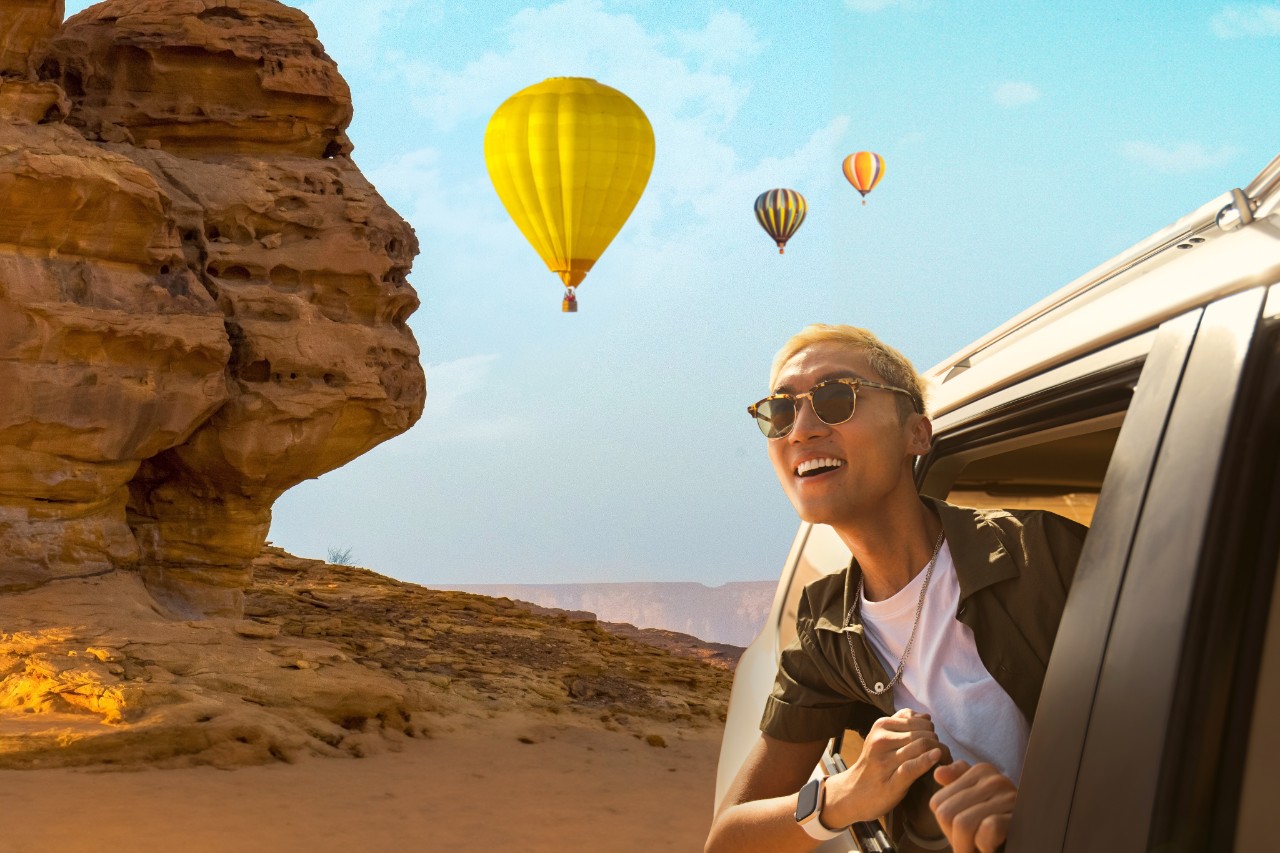
Three days in AlUla, Saudi Arabia's living museum. Explore Hegra, Dedan, the Old Town, and Harrat Uwayrid on this curated 2026 itinerary.
Key Takeaways
- Day 1 priority: Hegra (Madain Salih) — book the SAR 95/person Royal Commission ticket online at least 48 hours ahead; on-site ticket sales are limited and often sell out.
- Day 2 allocate 3 hours minimum for Dadan and Jabal Ikmah (the open-air library of rock inscriptions) — the combined site pass is SAR 75 and includes a buggy shuttle between the two.
- Day 3: Elephant Rock (Jabal AlFil) is free to visit and best photographed at sunset around 5:30–6 PM in winter — arrive 45 minutes early for parking.
- AlUla Old Town restoration is ongoing; the mud-brick labyrinth covers 900 years of history and entry is free — allow 90 minutes to walk the full circuit.
- The drive between Hegra and AlUla town is 22 km on Highway 70 — rent a car (SAR 180–250/day) rather than relying on taxis for a flexible three-day itinerary.
AlUla is not a destination you simply visit; it is a landscape you experience with a sense of hushed reverence. As the sister city to Jordan's Petra, it offers a rare luxury in the modern world: the chance to stand before 2,000-year-old Nabataean tombs without the distraction of mass-market tourism.
Planning where to base yourself? See our guide to the best hotels and resorts in AlUla, from heritage Old Town stays to residence-style bungalows.
The Ground Truth: Non-Negotiables
- The Booking Window: AlUla operates on a "limited capacity" model. Entry to Hegra, Dadan, and even certain restaurants must be booked weeks in advance via the Experience AlUla app. Do not show up expecting to buy a ticket at the gate.
- The Layout: AlUla is larger than it looks. The distance between the Old Town and Hegra is significant. Renting a car is highly recommended for freedom, though high-end resorts offer shuttle services.
- The "Maraya" Rule: You cannot access the world's largest mirrored building for photos unless you have a concert ticket or a reservation at the rooftop restaurant (Social). Security is strict.
- The Thermal Shift: Desert physics apply here. Even in the warmer months, temperatures in the canyons can drop sharply after sunset, and the wind through the sandstone "chimneys" can be biting. Always carry a high-quality light layer.
- Timing the Light: AlUla is a photographer's paradise, but the sun is harsh. Plan your outdoor exploration for the "Golden Hours" – the first and last two hours of daylight.
Your 3-Day AlUla Itinerary
Begin at the Kingdom's first UNESCO World Heritage site. Hegra contains 111 monumental tombs carved directly into sandstone outcrops by the Nabataean civilization over 2,000 years ago.
The Insider Edge: Skip the standard bus tour. Book the Vintage Land Rover Tour. It provides a private, open-air perspective that is essential for capturing the scale of the Lihyan Son of Kuza (the lonely castle) without other tourists in your frame.
Ground Truth: There is virtually no shade in Hegra. Bring a hat and water, even in winter.
Sunset: Elephant Rock (Jabal AlFil)
As the sun begins to dip, head to this iconic geomorphological wonder. The area around the rock has been transformed into a chic lounge with sunken seating and fire pits.
Pro Tip: It is free to enter, but the seating fills up fast. Arrive 90 minutes before sunset to secure a spot. Try the salt-crusted fries from the local kiosks – a cult favorite among visitors.
"},{"number":2,"title":"Day 2: Ancient Civilizations & The Mirror in the Desert","content":"Morning: Dadan & Jabal Ikmah
Before the Nabataeans, there were the Lihyanite and Dadanite kingdoms. Visit the \"Open Library\" of Jabal Ikmah to see thousands of pre-Arabic inscriptions carved into the canyon walls over millennia.
Why It Matters: This provides the historical DNA of the region that makes Hegra even more impressive – you're witnessing the evolution of Arabian civilization.
Afternoon: Maraya Concert Hall
Visit Maraya, the architectural marvel that holds the Guinness World Record for the largest mirrored building. It reflects the surrounding Ashar Valley in a stunning display of contemporary design meeting ancient landscape.
The Insider Edge: Book a \"Social Afternoon Tea.\" It's the most cost-effective way to gain entry to the grounds and experience the building's interior without concert tickets.
Late Afternoon: Heritage Oasis Trail
Walk the 3km shaded path under 2 million date palms. It offers a cooling, sensory break from the desert heat and connects you to the agricultural heritage that has sustained AlUla for millennia.
"},{"number":3,"title":"Day 3: Old Town Labyrinth & The View from Above","content":"Morning: AlUla Old Town
Explore the maze of 900 mud-brick houses that were inhabited until the 1980s. The narrow alleyways, ancient markets, and crumbling facades tell the story of a community that lived in harmony with the desert.
The Experience: Book the \"Old Town Tour\" with a local Rawi (storyteller). It's essential to understand the communal history and hidden stories of the valley.
Shopping: This is the place to buy high-quality local crafts, premium dates, and citrus-based perfumes unique to AlUla.
Afternoon: Harrat Viewpoint
Drive up to the volcanic plateau of Harrat Uwayrid. From here, you can see the entire AlUla valley, the lush oasis, and the distant tombs from a bird's-eye perspective.
The Closing Ceremony: Stay for dinner at OKTO, a high-end Greek restaurant located at the very edge of the cliff. Watching the stars come out over the valley is the definitive AlUla experience.
"}]'>Where to Stay: Curated Sanctuaries
In AlUla, your accommodation is an extension of the landscape. Choose your "sanctuary" based on the vibe of your journey:
The Vibe: Creative, sustainable, and communal. Think "Burning Man meets five-star luxury."
The Experience: Located in the Ashar Valley, the villas are designed to disappear into the canyon walls. Famous for its infinity pool, sound baths, and outdoor cinema under the stars.
Best For: Wellness seekers, design enthusiasts, and creative travelers.
The Vibe: Ultra-exclusive, tented luxury. Each villa is a standalone sanctuary with its own private pool.
The Experience: Home to the famous rock pool tucked between sandstone cliffs – one of the most photographed hotel features in Saudi Arabia.
Best For: Honeymooners, privacy seekers, and those wanting the ultimate splurge.
The Vibe: Retro-glamping and nostalgic adventure.
The Experience: Stay in luxury Airstream trailers gathered in a canyon. Perfect for those who want style with a side of wanderlust.
Best For: Road-trip romantics and Instagram-savvy travelers.
The Vibe: Authentic, mud-brick intimacy.
The Experience: Located directly within the Old Town, this eco-hotel uses traditional building methods and materials. Wake up to the call to prayer from the historic mosque.
Best For: Heritage lovers and those seeking authentic cultural immersion.
Getting to AlUla
- By Air: AlUla International Airport (ULH) receives direct flights from Riyadh, Jeddah, and Dubai. Flight time from Riyadh is approximately 1.5 hours.
- By Road: The Jeddah to AlUla road trip is a stunning 4-day adventure through the Hejaz mountains.
- Within AlUla: Rent a car through the Experience AlUla app. Premium resorts offer complimentary shuttle services to major sites.
The Perspective
AlUla is proof that some of the world's greatest treasures are worth the wait. It is a place where the silence is as heavy as the stone, and where the transition from ancient history to futuristic luxury is seamless.
An AlUla travel guide can tell you where to go, but only the desert air can tell you how it feels to stand in the shadow of giants. You will leave AlUla not just with photos, but with a recalibrated sense of time.
Frequently Asked Questions
Continue Your Journey
- AlUla 3-Day Complete Itinerary – Detailed day-by-day planning guide
- Jeddah to AlUla: The 4-Day Hejaz Road Expedition – Epic road trip through the mountains
- AlUla Destination Guide – Complete overview of the region
Dining in AlUla: From Street Food to Cliff-Top Fine Dining
AlUla's food scene has evolved rapidly from a handful of roadside grills to a genuine dining destination. At the top end, OKTO — perched on the Harrat volcanic plateau — serves modern Greek-Mediterranean dishes with a view that stretches across the entire valley floor. Expect charred octopus, slow-roasted lamb shoulder, and local herb salads priced between SAR 180 and SAR 350 per person. Reservations are mandatory and typically release two weeks in advance through the Experience AlUla app.
Inside the Ashar Valley, Harrat offers a more relaxed atmosphere with Saudi-fusion plates that draw on Hejazi and Levantine traditions. The spiced camel burger here has become something of a local legend. For a different kind of indulgence, Social at Maraya — the rooftop lounge above the mirrored concert hall — pairs craft cocktails (non-alcoholic) with mezze platters against a backdrop of reflected sandstone. Afternoon tea sittings run SAR 200 per person and double as your entry ticket to the Maraya grounds.
Away from the resort circuit, the real flavour of AlUla lives in its date shops and morning stalls. The town is famous for Barni dates — a golden, semi-dry variety with a caramel finish that is noticeably different from the Medjool dates found elsewhere in the Gulf. Buy them fresh from roadside vendors near the Old Town for SAR 40-80 per kilogram depending on grade. Suhail, a family-run restaurant on the main road, serves honest plates of mutton mandi and chicken mathbi cooked over open flames — a full meal for under SAR 60. In the early morning, flatbread stalls near the Old Town mosque bake thin, crisp rounds of tannour bread that locals eat with cream cheese and honey. Arrive before 8:00 AM, because once the dough runs out, the shutters come down.
Getting to AlUla: Transport Options
AlUla International Airport (IATA: ULH) is the primary gateway and receives direct flights from Riyadh (1 hour 40 minutes), Jeddah (1 hour 15 minutes), and Dubai (approximately 3 hours). Saudia and flynas operate the domestic routes, with fares ranging from SAR 400 to SAR 900 return depending on season. International connections from Paris (via Saudia seasonal service) have opened AlUla to European visitors without a Saudi hub stopover. The airport is compact and well-organised — expect to be through arrivals within 20 minutes.
If you prefer the overland approach, the most common driving route runs from Medina via Route 375, covering roughly 325 kilometres in about 3.5 hours. The road is well-maintained dual carriageway for most of the journey, with petrol stations spaced every 80-100 kilometres. From Jeddah, the drive is around 800 kilometres (7-8 hours) and better split across two days with a stop in Medina.
Once in AlUla, a rental car is essential. There is no public transport connecting the heritage sites, and the distances between Hegra, Old Town, and the Harrat viewpoint make walking impractical. Hertz and local agencies operate from the airport, with daily rates starting around SAR 200 for a compact SUV. Uber and Careem do not operate in AlUla. Premium resorts — Habitas, Banyan Tree, and Dar Tantora — provide complimentary shuttle services to major attractions for guests, but these run on fixed schedules that limit flexibility. For independent travellers, having your own vehicle is the only practical option.
Plan Your Saudi Adventure
Ready to experience the Kingdom? Our AI-powered Trip Planner creates personalized itineraries based on your interests, budget, and travel dates. From Riyadh's skyline to AlUla's ancient tombs — let us help you discover Saudi Arabia your way.
Frequently Asked Questions
- What can you see in AlUla in 3 days?
- A 3-day itinerary covers Hegra (UNESCO Nabatean tombs), Dadan (ancient oasis city), AlUla Old Town, and Sharaan Valley rock formations combined with guided tours and pottery workshops.
- How far is AlUla from major Saudi cities?
- AlUla is approximately 1,100 km northwest of Riyadh (2.5-3 hour flights) and 400 km from Medina (5-6 hour drive), accessible by flights from Jeddah and Dammam.
- What is the Hegra UNESCO site in AlUla?
- Hegra is a 1st-century BC Nabatean trading settlement with 111 carved sandstone tombs reflecting Nabatean, Greek, and Roman styles. Saudi Arabia's first UNESCO World Heritage Site in 2008.
- Is there public transport to AlUla's archaeological sites?
- No, self-driving or guided tours are necessary. Visitors rent 4WD vehicles or book hotel tours (SAR 400-800 per person) for full-day excursions including guide and lunch.