Saudi Arabia in Summer: What to Do & Where to Go
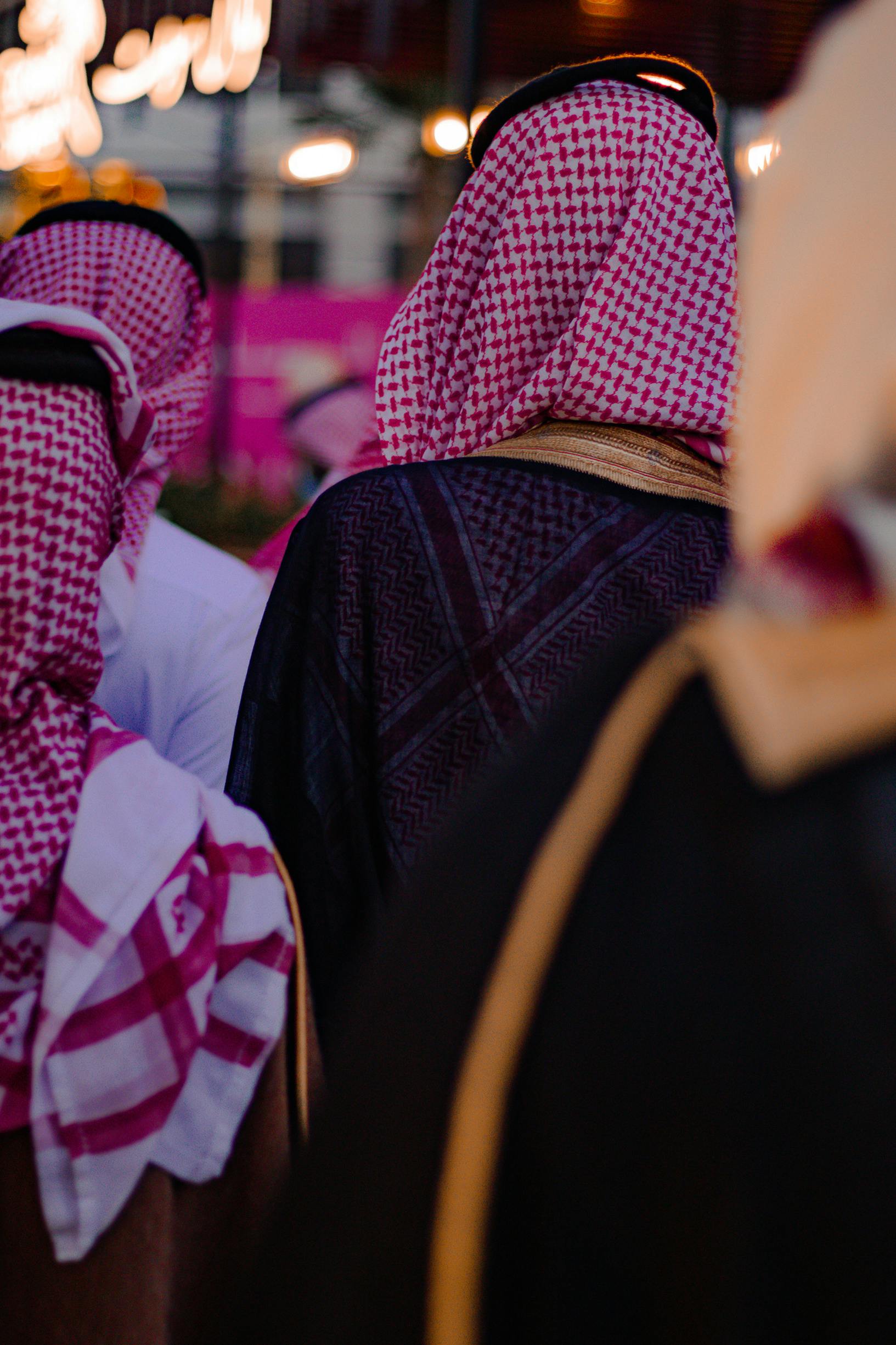
Riyadh hits 43-47C from June to September, while the highlands near Taif stay around 20-28C. Where to go, what to skip, and the Asir advisory.
Key Takeaways
- Summer (June-September) is hot in the lowlands - Riyadh is often 43-47C - but the highlands above 1,800m stay a mild 20-28C.
- The Asir highlands around Abha are the classic Saudi summer escape, but Abha, Khamis Mushayt, Jizan and Najran are named under Level 4 'Do Not Travel' in the current U.S. State Department advisory, along with Abha airport. Check your own government's advice, and your insurance, before booking.
- Taif (about 1,880m, 90 minutes up from Jeddah) and Al Baha are the cool-air options that are not on that named-cities list.
- The Red Sea at Jeddah stays around 30C in summer - good for early-morning diving and snorkelling, though coastal humidity is high.
- Hotel rates in Riyadh and Jeddah are frequently lower in summer, so the big cities are good value if you plan around the heat.
- Plan outdoor sightseeing before 9am or after 6pm and use the air-conditioned museums, malls and aquariums in the middle of the day. Makkah is closed to non-Muslims year-round - the whole city, not only the mosque.
Saudi Arabia in Summer: Where to Go and What to Do
Summer in Saudi Arabia runs from June to September, and it splits the country in two. The desert interior and the coasts are genuinely hot, but the southwestern mountains stay mild and green. Plan around that contrast and a summer trip works well, often at lower prices than the busy winter season. This guide covers where to find cooler air, what the current travel advisory says about the southwest, what to do when the midday sun is fierce, and how to stay comfortable. For month-by-month detail across the year, see the best time to visit Saudi Arabia.
What summer actually feels like
Temperature varies sharply by region and altitude:
- Riyadh and the interior: dry heat, with daytime highs usually 43-47°C and occasionally close to 50°C. Nights stay warm.
- Jeddah and the Red Sea coast: lower air temperatures, around 35-40°C, but high humidity that makes it feel heavier.
- The highlands above 1,800m (Taif, Al Baha, Abha, Khamis Mushait): a mild 20-28°C by day, sometimes cooler.
- The open desert and Empty Quarter: extreme daytime heat, best left to organised tours with the right vehicles and plenty of water.
The takeaway is that the country is not one climate in summer. Choose your base by altitude and you change the whole trip.
Before you plan the southwest: check the travel advisory
The southwestern highlands are the obvious answer to Saudi summer heat, and they are also the part of the country that carries the strongest travel warnings. The current U.S. State Department advisory places Saudi Arabia as a whole at Level 3, “Reconsider Travel”, citing the threat of missile and drone attacks on civilian facilities. Within that, a Level 4 “Do Not Travel” category covers everywhere within 50 miles (about 80 km) of the Saudi-Yemen border, and it names four cities explicitly: Abha, Khamis Mushayt, Jizan and Najran. Abha airport is listed separately, as is Qatif and its suburbs, including Awamiyah, in the Eastern Province.
That matters for a summer trip in a very practical way. Abha airport is the main air access to the Asir highlands, and Abha and Khamis Mushayt are where the region’s hotels, restaurants and tour operators are concentrated. Soudah, Rijal Almaa and Al-Habala are all reached through them.
We are not in a position to tell you whether any particular trip is safe, and advisories are revised without much notice. Before you book: read the current advisory issued by your own government, not ours or anyone else’s, and check whether your travel insurance still pays out for a destination under a “do not travel” notice — many policies do not. The U.S. State Department advisory index is one starting point; most governments publish an equivalent. Our Saudi Arabia safety guide covers the general picture. Treat the description of Asir below as background, not as a recommendation.
Where to find cool air: Taif, Al Baha and the Asir highlands
Taif is the most straightforward option. Reached by a switchback road up from the Red Sea plain, roughly 90 minutes to two hours from Jeddah, it sits at about 1,880m and has been the country’s informal summer capital for generations — rose farms, terraced fruit orchards, cool evenings and an airport of its own. It is not among the cities named in the current advisory.
Al Baha, further south along the escarpment at roughly 2,000m, is quieter and greener still: juniper forest, stone watchtowers and terraced villages built into the slope. It is also not on the named-cities list, though it lies closer to the restricted zone than Taif does, so check the current advisory against your actual route rather than against the province name.
Abha and the wider Asir region are where Saudi families themselves head in July and August. Abha sits at about 2,270m, and the nearby Soudah area is the highest ground in the country, close to 3,000m, with cable-car views over terraced green mountains that drop away into cloud. A seasonal southwest airflow brings mist and light rain through the summer, which is why the region is green when the rest of the country is not. Abha and Khamis Mushayt are both named in the Level 4 section of the current U.S. advisory, and Abha airport with them — so this is the part of the plan to weigh against your own government’s advice before anything is booked.
Getting to the highlands
Taif is easiest as a drive or a day trip up from Jeddah, about 90 minutes to two hours by road; it also has an airport. Al Baha is a further few hours south along the escarpment road and has its own airport. Abha is served by short domestic flights of roughly an hour from Riyadh and Jeddah — but Abha airport is one of the locations named under Level 4 in the current advisory, which is the first thing to weigh rather than the fare. Wherever you land, July and August are the peak domestic holiday months in the southwest, so hotels and flights book out well ahead.
Summer festivals in the highlands
The hot months are the liveliest part of the highland calendar. Taif runs a seasonal summer programme, and Asir and Abha run their own through July and August, with open-air markets, food stalls and cultural shows aimed at the domestic holiday crowd. Exact dates shift year to year, so check locally when you arrive rather than planning a whole trip around a single event — and, for the Asir events, against the advisory note above.
The Red Sea coast
The coast is humid, but the water is the payoff. At Jeddah, the Red Sea stays around 30°C in summer, and the reefs north of the city at Obhur are good for diving and snorkelling early in the day, before the heat builds. Dive centres run trips and courses, boat excursions reach quieter stretches of coast, and resort day-passes buy you shade and a pool alongside the sea. Evenings on the Corniche, once the sun is down, are when the city comes out to walk and eat.
Indoor escapes for the middle of the day
Saudi cities are built for the heat, and the air-conditioned indoors is a genuine part of the experience rather than a fallback. Large malls double as social spaces with dining, cinemas and entertainment. Museums and aquariums, in Riyadh and Jeddah especially, are cool, quiet and worth a couple of hours from late morning to mid-afternoon. Indoor theme parks and entertainment complexes have expanded quickly under the country’s tourism push. Booking timed tickets online saves queuing in the sun.
When to be outside
The rhythm of a summer day is simple: be out early or late, and rest in the middle. Aim to do outdoor sightseeing before 9am or after 6pm. Carry a refillable water bottle and drink more than you think you need, because the dry interior dehydrates you without obvious sweating. Sunscreen, a hat and sunglasses are essentials, not extras. In the highlands the rules relax, because daytime there is genuinely pleasant. Emergency numbers: 999 works nationwide and is the number to use if you are unsure; 997 reaches the ambulance service. A unified 911 line also serves Riyadh, Makkah, Madinah and the Eastern Province.
What to pack
Bring lightweight, loose, modest clothing that covers shoulders and knees, in breathable fabrics. Add a light jacket or shawl for two situations: strongly air-conditioned malls, and cooler highland evenings. Modest dress remains expected in public, though the abaya has not been required for foreign women since 2019. See what to wear in Saudi Arabia for a full list.
What the Asir highlands hold
Read this alongside the advisory note above. Beyond simply being cooler, the Asir mountains reward a few days of exploring. Around Abha you can ride the cable cars down toward the valleys, walk the old stone paths and visit heritage villages built for mountain life. Rijal Almaa, a short drive from Abha, is a striking village of tall stone-and-mud houses, now a museum and one of the region’s best-known sights. Al-Habala, once reached only by rope down the cliff face, sits on a dramatic ledge and is a popular cable-car trip. Jabal Soudah, the high ground above Abha, gives long views when the cloud lifts and cooler air even at the height of summer. Local markets sell the honey the region is known for, alongside produce grown on the terraced slopes.
Riyadh and the interior in summer
The capital does not empty out in summer; it shifts to a night rhythm. Days are for indoor plans — Riyadh’s museums, galleries and large malls — while the city comes alive after dark, when families head out to eat and walk in the cooler evening air. The mud-brick old town at Diriyah is far more pleasant in the late afternoon and evening. Build the day around this and the interior is perfectly doable, even in July. If you want a short trip out of the city, our guide to short trips from Riyadh explains which ones survive the heat and which do not.
A simple summer day plan
A workable rhythm looks like this: an early start for the one outdoor thing you most want to do, back indoors by late morning as the heat peaks, a long lunch and rest through the afternoon, then out again from early evening for sightseeing, shopping and dinner. It mirrors how locals live through the summer, and it turns the heat from an obstacle into a timetable.
A note on Hajj timing
The Hajj pilgrimage follows the Islamic lunar calendar and through the mid-2020s falls in late spring and early summer. During that period the area around Makkah is reserved for pilgrims and extremely busy. This does not change most tourist plans, since Makkah is closed to non-Muslims in any case, but it is worth knowing if you are travelling in the wider Makkah region around June or booking accommodation on the nearby Red Sea coast.
Costs, timing and a note on Makkah
Summer is shoulder season in the big cities, so hotel rates in Riyadh and Jeddah are frequently lower than in the cooler months — good value if you plan around the heat. The highland resorts are the exception; they fill with domestic visitors in July and August, so book ahead. The riyal is fixed near SAR 3.75 to the US dollar, keeping prices predictable. One rule holds in every season: Makkah is closed to non-Muslims — the whole city, not only the mosque, and checkpoints on the approach roads enforce it. Madinah city is open to non-Muslims, but the Haram zone around the Prophet’s Mosque is not. Non-Muslim travellers heading for the southwest usually base themselves in Jeddah or Taif. For the wider planning picture, the Saudi Arabia travel guide pulls the practicalities together.
Approached with a little planning, summer is an underrated time to see Saudi Arabia: the mountains are at their greenest, the coast is warm, the cities are quieter and cheaper, and the long evenings are made for being outdoors once the heat lifts. The one thing not to skip is the advisory check above — it decides which half of this guide applies to you.
Sources and Verification
This guide was last checked on 22 August 2026 against the official sources below. Seasonal figures describe long-run patterns, not a forecast — check the current forecast and any active warnings before you travel.
- National Center for Meteorology — the Saudi meteorological authority: forecasts for all thirteen regions, marine forecasts, seasonal and quarterly climate outlooks, and the national severe-weather alert list.
- Saudi Ministry of Health — official guidance on heat, including hydration and exposure.
- Visit Saudi — Saudi Tourism Authority, for seasonal events and destination access.
Reviewed by the Explore Saudi Editorial Team, 22 August 2026.
Building a summer trip around the heat?
In July and August the timing is the plan: which base you pick, which hours you spend outdoors, and which regions you leave for another season. Our Trip Planner works the route through with you, and the hotel guide covers where to stay in Jeddah, Riyadh and Taif when the highland resorts are full.
Frequently Asked Questions
- Is it too hot to visit Saudi Arabia in summer?
- The desert interior and the coast are very hot - Riyadh is often 43-47C and can approach 50C - but the highlands above 1,800m stay a comfortable 20-28C. With early-morning sightseeing, air-conditioned attractions in the middle of the day and a highland base, summer travel is realistic.
- Where is coolest in Saudi Arabia in summer?
- The southwestern highlands. Taif (about 1,880m), Al Baha (roughly 2,000m), Abha (about 2,270m) and Soudah, the highest ground in the country at close to 3,000m, all run 10-15C cooler than the lowlands. Important: the current U.S. State Department advisory names Abha, Khamis Mushayt, Jizan and Najran - and Abha airport - under Level 4, 'Do Not Travel'. Taif and Al Baha are not on that list. Check the advisory your own government publishes, and your insurance cover, before you book.
- Is it safe to travel to Abha and the Asir mountains?
- We cannot answer that for you, and we will not try. What we can tell you is what the official notices say: Saudi Arabia is at Level 3, 'Reconsider Travel', in the current U.S. State Department advisory, and Abha, Khamis Mushayt, Jizan, Najran and Abha airport are listed under Level 4, 'Do Not Travel', because of missile and drone attacks and terrorism. Qatif and Awamiyah in the Eastern Province are listed too. Advisories change; read the current one from your own government and check whether your travel insurance still covers a destination under such a notice.
- What is there to do in the heat of the day?
- Indoor attractions are the answer: large air-conditioned malls, museums, aquariums and entertainment centres in Riyadh and Jeddah. The Red Sea coast is also good for early-morning diving and snorkelling in warm water, around 30C at Jeddah, before the heat builds.
- Is summer a cheaper time to visit?
- Often, yes. Outside the popular highland resorts, hotel rates in cities such as Riyadh and Jeddah are frequently lower in summer than in the peak cooler months, so it can be good value if you plan around the heat. The riyal is fixed near SAR 3.75 to the US dollar, so prices stay predictable.
- What should I pack for a Saudi summer?
- Lightweight, loose, modest clothing that covers shoulders and knees, plus a hat, sunglasses, high-SPF sunscreen and a refillable water bottle. Bring a light layer for strongly air-conditioned indoor spaces and for cooler highland evenings. The abaya has not been required for foreign women since 2019, but modest dress is expected in public.