Jizan & Farasan Islands: Tropical Saudi Arabia Guide 2026
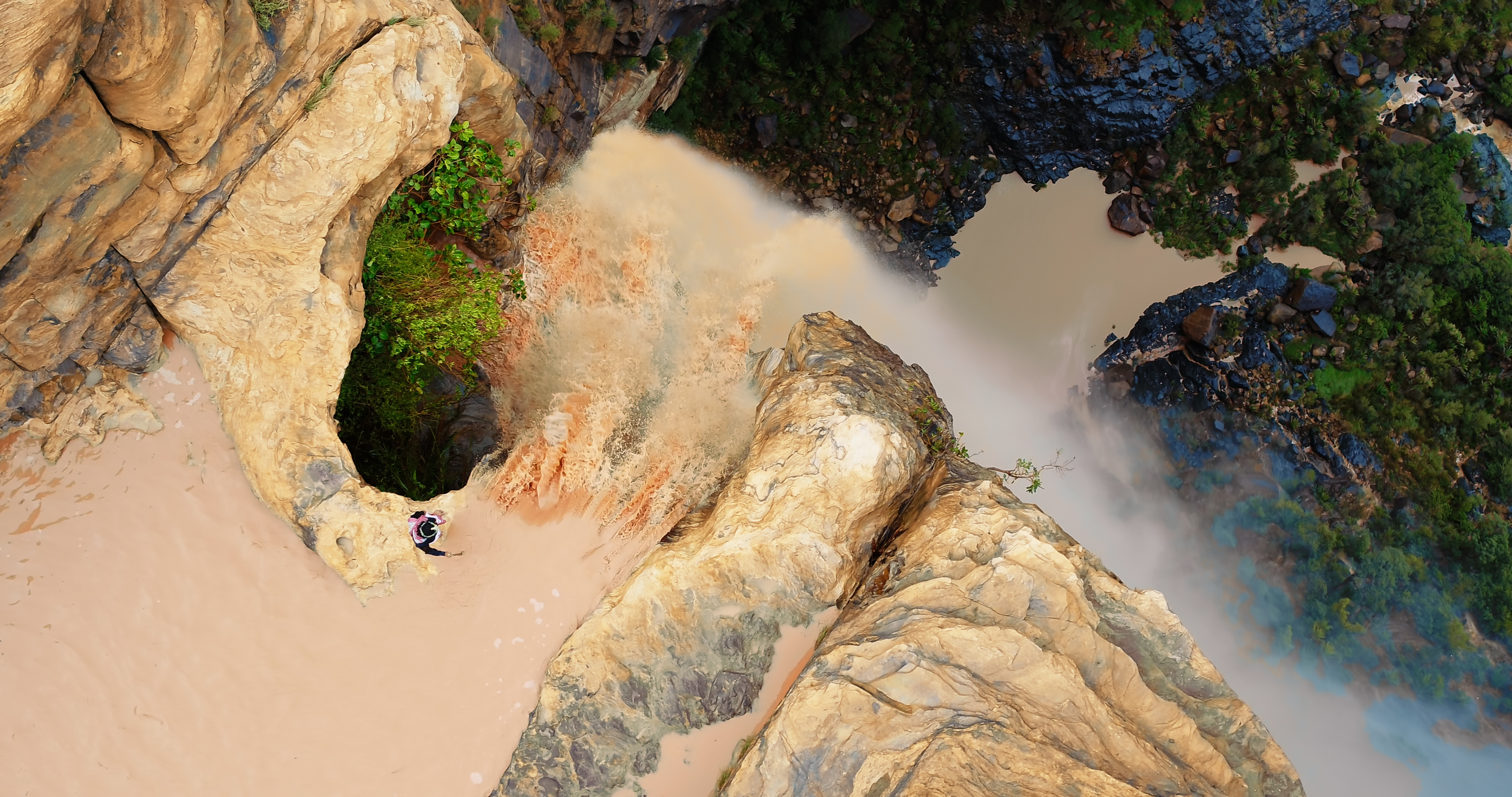
Jizan and Farasan Islands guide 2026. Tropical beaches, mangrove tours, pearl heritage, wildlife, and how to reach Saudi Arabia's southernmost paradise.
Key Takeaways
- Farasan Islands are reached by a 45-minute government ferry from Jizan port; round-trip tickets cost SAR 22 per adult — buy at the port window, no online booking available.
- The archipelago's 84 islands host the Arabian gazelle and migratory birds; the best wildlife viewing is October–March when temperatures drop to 22–28°C.
- Jizan city sits at 17°N, Saudi Arabia's most tropical latitude — average annual temperature is 31°C with humidity above 70%; early-morning diving (6–9 AM) is most comfortable.
- Coral reef visibility around the Farasan Islands averages 15–20 m; a full-day dive package with local operators costs SAR 450–600 including tanks and guide.
- Jizan is a 10-hour drive or 1.5-hour flight from Riyadh; Flynas and Saudia operate daily routes with one-way fares from SAR 180 when booked 3+ weeks ahead.
Read This First: The Jazan Travel Advisory
Jizan and the Farasan Islands lie in Jazan province in Saudi Arabia's southwest, along the Red Sea and close to the Yemeni border — and honest travel advice has to start there, not with the scenery. As of 2026 the US State Department rates Saudi Arabia overall at Level 3 — Reconsider Travel (advisory reissued 13 March 2026), and applies Level 4 — Do Not Travel to the area within 20 miles of the Yemen border, citing the risk of drone and missile attacks. Jazan province extends to that border, and the ferry to Farasan departs from Jizan city. The UK and Canada take a comparable line, and these advisories tightened over spring 2026.
What that means in practice: check your own government's current guidance before making any plans — advisories move in both directions — and be aware that travel insurance is usually void in areas under a do-not-travel advisory. Domestic flights and daily life in the region continue, and Saudi and GCC travellers do visit. But for most international visitors right now, treat this guide as preparation and background rather than an itinerary. Our Saudi Arabia safety guide explains how to read and monitor the advisory system.
Unveiling Jizan & The Farasan Islands: Saudi Arabia's Tropical Paradise in 2026
Imagine a Saudi Arabia you never knew existed – a land of emerald mangroves, coral-rich waters, and a vibrant culture deeply rooted in the Red Sea's embrace. Welcome to Jizan and the enchanting Farasan Islands, the Kingdom's southernmost jewels, offering an unparalleled tropical escape in 2026. Often overlooked by those seeking Riyadh's modernity or AlUla's ancient wonders, this region presents a compelling blend of natural beauty, historical intrigue, and authentic Arabian hospitality. As Saudi Arabia continues its ambitious tourism development, Jizan and the Farasan Islands are emerging as a premier destination for eco-tourism, marine adventures, and cultural immersion, promising an unforgettable journey.
This comprehensive guide, crafted by the experts at Explore Saudi, will navigate you through everything you need to know for a remarkable trip to Jizan and the Farasan Islands in 2026. From the best time to visit to must-see attractions, practical logistics, and local insights, prepare to discover the vibrant heart of tropical Saudi Arabia.
Quick Facts: Jizan & Farasan Islands 2026
- Location: Southwest Saudi Arabia, bordering Yemen and the Red Sea.
- Climate: Tropical monsoon, hot and humid year-round. Cooler months (October-April) are ideal.
- Primary Airport: Jizan Regional Airport (GIZ).
- Currency: Saudi Riyal (SAR). As of 2026, expect approximate conversion rates around 1 USD = 3.75 SAR.
- Visa Requirements: E-Visa or Visa on Arrival for many nationalities. Check the official Saudi eVisa portal for 2026 regulations.
- Main Attractions: Farasan Islands (diving, snorkeling, beaches, mangroves), Jizan Corniche, traditional souqs, Heritage Village.
- Local Language: Arabic (Hijazi dialect). English is understood in tourist-facing establishments.
- Connectivity: Good mobile network coverage in Jizan and on Farasan Al-Kabir. Limited in remote Farasan islands. Wi-Fi available in hotels.
The Allure of Jizan City: Gateway to the South
Jizan city, often pronounced 'Jazan', serves as the vibrant capital of the Jizan Province and the primary gateway to the Farasan Islands. While many travelers rush through, a day or two exploring Jizan itself reveals a city steeped in history and modern development. Its strategic location on the Red Sea has made it a significant port for centuries, fostering a unique cultural mosaic influenced by its proximity to Yemen and East Africa.
Start your Jizan exploration at the Jizan Corniche, a beautifully landscaped waterfront promenade perfect for evening strolls, enjoying sea breezes, and sampling local street food. The Corniche is a hub of family activity, especially after sunset. Nearby, the Jizan Heritage Village offers a fascinating glimpse into the region's diverse architectural styles and traditional crafts, showcasing homes from the mountains, plains, and coastal areas. Don't miss the chance to wander through the bustling Jizan Old Souq, where you can find aromatic spices, traditional clothing, local honey, and intricate handicrafts – a true sensory experience.
For those interested in the region's agricultural bounty, a visit to the Jizan Fish Market is a must, especially in the early morning, to witness the day's fresh catch brought in by local fishermen. The city's relatively flat terrain also makes it suitable for cycling along designated paths, offering a different perspective of its evolving urban landscape. Jizan’s charm lies in its authenticity, providing a genuine taste of everyday life in tropical Saudi Arabia before you embark on the island adventures.
Farasan Islands: Saudi Arabia's Untouched Marine Wonderland
The Farasan Islands archipelago, a UNESCO-nominated biosphere reserve, is the undisputed crown jewel of the Jizan region. Comprising over 170 islands and islets, only a handful are inhabited, with Farasan Al-Kabir (Big Farasan) being the largest and most developed. This pristine marine environment is a diver's and nature lover's paradise, boasting vibrant coral reefs, shipwrecks, extensive mangrove forests, and a remarkable array of wildlife, both above and below the water.
Getting to Farasan Al-Kabir typically involves a free public ferry from Jizan's ferry terminal. In 2026, expect multiple daily departures, but booking in advance, especially during peak seasons and holidays, is highly recommended. The journey itself is an adventure, offering stunning views of the Red Sea. Upon arrival, you'll immediately sense the slower pace of island life, a refreshing contrast to the mainland. The island is small enough to explore independently by renting a car or hiring a local driver for a day.
Diving and Snorkeling Paradise
The waters surrounding the Farasan Islands are teeming with marine life, making them a world-class destination for diving and snorkeling. Expect to encounter diverse coral species, colorful reef fish, playful dolphins, majestic dugongs (sea cows), and even whale sharks during certain seasons. Several dive operators, based on Farasan Al-Kabir, offer guided trips to various sites, catering to all experience levels, from beginner snorkelers to advanced divers. Popular dive sites include the wrecks of the SS Iona and the Dona Marika, offering thrilling explorations of historical artifacts intertwined with vibrant marine ecosystems. Snorkeling around the countless smaller islets reveals crystal-clear waters and abundant marine life just beneath the surface.
Exploring Farasan's Natural Wonders
Beyond the underwater realm, Farasan Al-Kabir offers captivating terrestrial experiences. The island is renowned for its extensive mangrove forests, particularly around the Ghadir Bay area. Kayaking or paddleboarding through these serene waterways is an unforgettable experience, allowing you to observe migratory birds and unique flora up close. The island is also home to the endemic Farasan gazelle, which can sometimes be spotted grazing in the sparse scrublands. For birdwatchers, the islands are a vital stopover for numerous migratory species, especially during spring and autumn.
Don't miss a visit to the Farasan Heritage Village on Farasan Al-Kabir, which showcases traditional coral stone houses and the islanders' rich history tied to pearl diving and fishing. A short drive will take you to some of the island's most beautiful beaches, such as Qassar Beach (known for its white sands and calm waters) and Al-Husseini Beach, perfect for swimming and relaxation. The unique geology of the islands also features intriguing limestone formations and small caves, adding to their natural allure.
Cultural Immersion & Local Experiences
The Jizan region and the Farasan Islands offer a rich tapestry of cultural experiences distinct from other parts of Saudi Arabia. The people here are known for their warmth, hospitality, and deep connection to their maritime heritage.
The Legacy of Pearl Diving
For centuries, the Farasan Islands were a significant center for pearl diving, a dangerous yet lucrative trade that shaped the islanders' way of life. While modern pearl farming has largely replaced traditional diving, the legacy lives on in the stories, songs, and architecture of the islands. Visit the Farasan Heritage Village to see preserved pearl diver houses and learn about the tools and techniques used. Engage with local elders, and you might hear captivating tales of the sea and its treasures.
Traditional Cuisine: A Taste of the Red Sea
Jizan's cuisine is a delightful fusion of Arabian and East African influences, with fresh seafood taking center stage. Must-try dishes include Mandi Sayyadia (rice cooked with fish and spices), Samak Mashwi (grilled fish, often marinated with local herbs), and various seafood stews. Don't forget to sample Areekah, a hearty bread-like dish often served with honey or ghee, and Masoub, a sweet and filling banana and bread pudding. On Farasan, fresh catch of the day is a given, often simply grilled and served with rice and local salads. Look for small, family-run restaurants for the most authentic flavors.
Festivals and Events
If your visit coincides with local festivals, you're in for a treat. The annual Farasan Festival, usually held in spring, celebrates the island's unique culture with traditional music, dance, and craft demonstrations. The Mango Festival in Jizan, typically in summer, highlights the region's agricultural abundance. These events offer an incredible opportunity to witness local traditions firsthand and interact with the community.
Planning Your Trip to Jizan & Farasan Islands in 2026
A well-planned itinerary ensures a smooth and enjoyable experience in this unique part of Saudi Arabia.
Best Time to Visit
The ideal time to visit Jizan and the Farasan Islands is during the cooler months, from October to April. Temperatures are more moderate (averaging 25-30°C / 77-86°F), and humidity is lower, making outdoor activities more comfortable. The summer months (May-September) are intensely hot and humid, with temperatures often exceeding 40°C (104°F), which can make sightseeing challenging.
Getting There
- By Air: Jizan Regional Airport (GIZ) is well-connected with daily flights from major Saudi cities like Riyadh (RUH), Jeddah (JED), and Dammam (DMM). Saudi Arabian Airlines (Saudia) and Flynas operate these routes. Book domestic flights in advance, especially during peak season.
- To Farasan Islands: From Jizan, take the free public ferry to Farasan Al-Kabir. The ferry terminal is located south of Jizan city. Ferries depart multiple times daily (e.g., 07:30, 12:30, 15:30, 19:30, 23:30 – check updated 2026 schedules as they can change). The journey takes approximately 1.5 to 2 hours.
- Booking: While free, seats must be reserved in advance, especially for vehicles. Visit the ferry terminal a day or two before, or check online booking options (if available in 2026) for the Ministry of Transport's ferry service. Arrive at least an hour before departure.
- Private Boats: Faster, but more expensive, private speedboats can be arranged from Jizan. Prices vary but expect SAR 800 - 1500 (approx. USD 215 - 400) for a round trip, depending on boat size and negotiation.
Accommodation in 2026
- Jizan City: Offers a range of hotels from budget to mid-range. Options include international chains like Novotel and Holiday Inn, as well as local hotels. Expect prices from SAR 250 (USD 65) for a decent room.
- Farasan Islands: Accommodation options are more limited on Farasan Al-Kabir, primarily consisting of guesthouses and a few boutique hotels. Early booking is essential, especially during weekends and holidays. Expect prices from SAR 200 (USD 50) for a guesthouse. Camping is also an option for adventurous travelers, with designated areas being developed.
Getting Around
- Jizan: Taxis and ride-sharing apps (Uber, Careem) are readily available. Car rental is also an excellent option for exploring the city and surrounding areas at your own pace.
- Farasan Al-Kabir: Renting a car (from Jizan or on the island, though options are limited) is highly recommended for exploring the island independently. Alternatively, local drivers with 4x4 vehicles can be hired for daily excursions (negotiate prices, typically SAR 300-500 / USD 80-130 for a full day).
Practical Tips for Travelers in 2026
To ensure a smooth and respectful journey through Jizan and the Farasan Islands, keep these practical tips in mind:
- Dress Code: Saudi Arabia is a conservative country. While Jizan and Farasan are more relaxed than some other regions, modest dress is recommended, especially for women. Loose-fitting clothing that covers shoulders and knees is advisable. A headscarf is not mandatory for women but can be useful for entering mosques or showing respect in certain contexts.
- Hydration: The climate is hot and humid. Drink plenty of water to stay hydrated, especially when engaging in outdoor activities.
- Sun Protection: Sunscreen, hats, and sunglasses are essential.
- Cash: While credit cards are accepted in major hotels and stores, carry some Saudi Riyals (SAR) for smaller purchases, local markets, and remote areas, especially on Farasan. ATMs are available in Jizan and on Farasan Al-Kabir.
- Photography: Be respectful when taking photos. Always ask for permission before photographing individuals, especially women. Avoid photographing government buildings or military installations.
- Language: Learn a few basic Arabic phrases (e.g., "Assalamu Alaikum" - hello, "Shukran" - thank you) – it goes a long way with locals.
- Environmental Awareness: The Farasan Islands are a protected marine environment. Please practice responsible tourism: do not litter, do not touch or remove coral, and respect wildlife.
- Connectivity: Purchase a local SIM card (STC, Mobily, Zain) upon arrival at the airport in Jizan for reliable internet access.
- Alcohol: Alcohol is prohibited throughout Saudi Arabia.
Embrace the Unexpected: Why Jizan & Farasan Islands?
In a Kingdom rapidly transforming, Jizan and the Farasan Islands offer a refreshing counterpoint to the glittering megaprojects and ancient desert landscapes. This region is for the traveler seeking authentic experiences, pristine natural beauty, and a deep dive into a unique segment of Saudi Arabian culture. It's for those who dream of untouched coral gardens, the tranquility of mangrove estuaries, and the warmth of a community whose life is intrinsically linked to the sea.
As Saudi Arabia continues to open its doors to the world, Jizan and the Farasan Islands are poised to become a sought-after destination for eco-tourism and marine adventure. By visiting in 2026, you'll be among the pioneers exploring this tropical secret, contributing to sustainable tourism, and creating memories that few others have yet discovered. Prepare to be enchanted by the vibrant hues, rich history, and generous spirit of Saudi Arabia's southernmost paradise.
Related Guides & Experiences
Discover more of Saudi Arabia's tropical south:
- Abha: Boutique Hotels Abha & Asir — Nearby highland stays
- Winter: Saudi Arabia in Winter — Best season for Jizan
- Beaches: Best Beaches Saudi Arabia
- Photography: Photography Guide — Mangroves and island shots
- Budget: Budget Travel Guide
- Plan Your Trip: Interactive Trip Planner
Explore tropical experiences across all destinations.
Sources and Verification
This guide was last checked on 21 August 2026 against the official sources below. Ferry schedules, permits and protected-area rules change; confirm with the operator or managing authority before you travel.
- National Center for Wildlife — Protected Areas — the managing authority for the Farasan archipelago, listed as Juzur Farasan at 5,772 km2.
- Visit Saudi — Saudi Tourism Authority, for destination access and seasonal events.
- National Center for Meteorology — official regional and marine forecasts.
For how Saudi Arabia protected areas are organised, see our guide to wildlife and nature reserves in Saudi Arabia.
Reviewed by the Explore Saudi Editorial Team, 21 August 2026.
Elsewhere on the Red Sea
- Yanbu and its dive sites — further north on the same coast.
Frequently Asked Questions
- Are the Farasan Islands accessible to tourists?
- Yes, the Farasan Islands are open to tourists and accessible by boat from Jizan port. The islands are best visited between October and April when the Red Sea weather is calm and ideal for island exploration.
- What marine life can you see at Farasan Islands?
- Farasan Islands host diverse marine ecosystems including coral reefs, sea turtles, dolphins, and over 20 species of fish. The waters are protected as a nature reserve, making it a prime destination for snorkeling and diving.
- Is Jizan suitable for a tropical beach vacation?
- Yes, Jizan offers pristine tropical beaches with clear waters, white sand, and lush coastal vegetation. The region warm climate and beach resorts make it perfect for water activities like swimming, diving, and island hopping.
- What is the best time to visit Jizan and Farasan?
- The ideal season is October through April when temperatures are moderate (20-28�C) and humidity is lower. Avoid May to September when temperatures exceed 40�C and can be uncomfortable for outdoor activities.