Jeddah to Medina Road Trip: Best Stops 2026
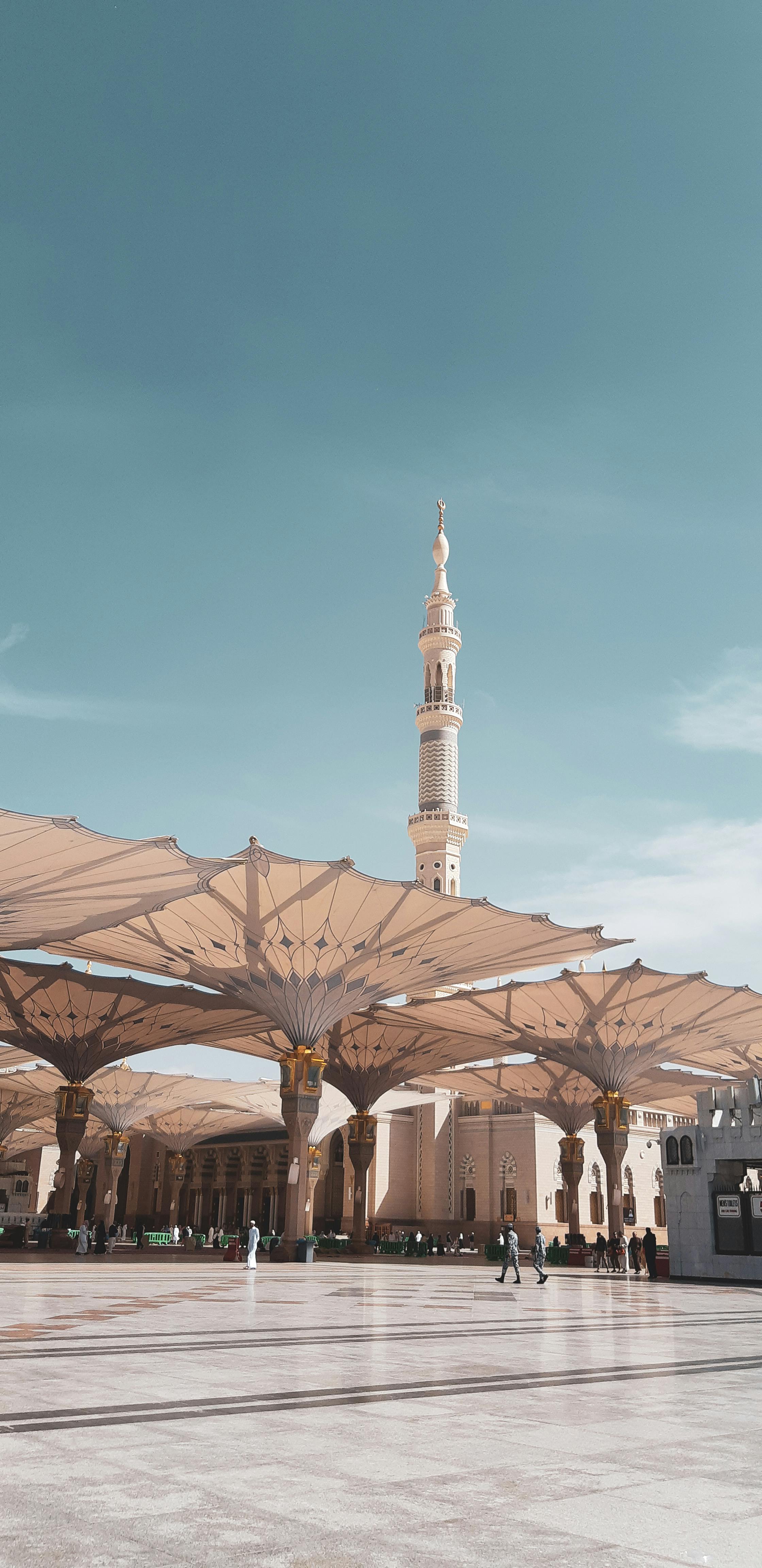
Jeddah to Medina is 420 km, 4.5-5 hours via KAEC, Rabigh and Masturah's fish restaurants, then Badr. Route, stops, fuel costs and driving tips for 2026.
Key Takeaways
- The Jeddah-Medina drive covers ~420 km in 4.5-5 hours: coastal Route 5 past KAEC, Rabigh and Masturah, then inland via Badr - two days is the comfortable pace
- Stop order from Jeddah: KAEC at km 100 (marina, golf, Juman Park), Rabigh at km 150 (fuel, corniche), Masturah at km 205 (fish lunch), Badr about 150 km before Medina
- Masturah is the route's institution: fresh Red Sea hammour or sayadiyah for SAR 60-120 per person, priced by weight
- Badr preserves the site of the Battle of Badr (624 CE) and the Martyrs' Cemetery - dress modestly and keep a respectful quiet
- Petrol costs SAR 2.18/litre (91 octane) in 2026; fill up in Rabigh or Masturah as stations thin out inland, and avoid night driving (camels)
- Medina city is open to non-Muslims, but the central haram zone around the Prophet's Mosque is reserved for Muslims - boundary signage is clear
The drive from Jeddah to Medina covers about 420 kilometres and takes 4.5 to 5 hours non-stop: north along the Red Sea coastal expressway (Route 5) past King Abdullah Economic City, Rabigh and Masturah, then inland through the Hejaz foothills to the Prophet's City. Driven straight through, it is an easy half day. Taken as a proper road trip with the stops below, it becomes one of western Saudi Arabia's best short itineraries — modern marina town, legendary fish restaurants and one of the most significant historical sites in early Islam, all on one route.
Before you set off, two useful companions: our Jeddah travel guide for the starting point and the car rental guide if you still need wheels.
Route at a Glance
- Distance: ~420 km (260 miles)
- Non-stop driving time: 4.5-5 hours
- Recommended duration: 2 days (overnight in KAEC or Masturah area)
- Route: Route 5 coastal expressway north, turning inland after Masturah towards Badr and Medina
- Stops in order: KAEC (km 100) → Rabigh (km 150) → Masturah (km 205) → Badr (about 150 road-km before Medina) → Medina
- Fuel prices 2026: SAR 2.18/litre for 91 octane, SAR 2.33 for 95
- Best months: October-April; in summer, start before 7 AM
- Road quality: excellent dual carriageway on the coast; good sealed roads inland
Stop 1 — King Abdullah Economic City (KAEC), km 100
An hour north of Jeddah, KAEC is the planned city rising around King Abdullah Port — wide boulevards, a marina and some of the region's best-kept greens. As a road-trip stop it works because everything sits close together: coffee on the waterfront, a stroll through Juman Park, and back on the highway within two hours if that is all the time you have.
- Juman Park: waterfront paths, playgrounds and Red Sea views — a good leg-stretcher for families.
- Royal Greens Golf & Country Club: the championship course that hosts professional tournaments; visitor green fees typically run SAR 700-1,200.
- Bay La Sun Hotel & Marina: the obvious overnight option, with rooms from around SAR 800 and restaurants on the water.
- Eating: cafes and mid-range restaurants around the marina charge SAR 70-150 per person.
Trivia for the drive: just south of KAEC lies Thuwal, home to KAUST (King Abdullah University of Science and Technology), the graduate research university whose campus transformed this stretch of coast.
Worth knowing if you are driving this in winter: KAEC is the start and finish of the 2027 Dakar Rally (1–15 January), and the start bivouac sits near the city centre on the coast.
Stop 2 — Rabigh, km 150
Rabigh is a working town — port, refinery, industry — rather than a sight in itself, but it earns its place on the itinerary for two practical reasons. First, fuel: fill the tank here or in Masturah, because stations thin out on the inland stretch towards Badr. Second, the corniche: a quiet stretch of Red Sea shoreline that makes a good picnic or sunset stop without the crowds of Jeddah's waterfront.
Rabigh also has deep history: it sits near the ancient miqat point of Al-Juhfah, where pilgrims travelling from the north have entered the state of ihram for centuries. If you are timing prayers, the town's highway mosques are convenient.
Stop 3 — Masturah, km 205: The Fish Lunch
Ask any Saudi road-tripper about the Jeddah-Medina drive and the answer starts with fish in Masturah. This small coastal town, roughly the halfway mark, is famous for exactly one thing: no-frills restaurants where the day's Red Sea catch goes straight from ice to grill.
The routine: pick your fish from the display — hammour (grouper), najil (coral trout), snapper or kingfish — choose the preparation, and wait. Grilled with spices, deep-fried, or cooked into sayadiyah, the Hejazi fish-and-rice dish. Platters come with rice, flatbread, salad and sauces.
- Cost: SAR 60-120 per person for a generous meal, priced by fish weight.
- Timing: arrive before 1 PM or after 3 PM to skip the lunch rush.
- Payment: most places take cards now, but small denominations of cash never hurt.
- Picking a place: the fish restaurants cluster along the main road; the busiest car park is the local vote of confidence.
Shortly after Masturah, the Medina road leaves the coast and climbs gently inland — the landscape shifts from coastal plain to black basalt fields and granite hills.
Stop 4 — Badr: Where Early Islamic History Turned
About 150 road-kilometres before Medina, the small town of Badr surrounds the site of the Battle of Badr (624 CE / 2 AH), the first major battle of early Islam and a turning point in its history. For Muslim travellers this is a place of deep significance; for everyone, it is a sobering, quiet site that rewards reading the history before arrival.
- The battlefield area is marked with explanatory panels in Arabic and English.
- The Martyrs' Cemetery (Shuhada Badr) holds the graves of fourteen companions who fell in the battle — a simple, walled site befitting its solemnity.
- Conduct: dress modestly, keep voices low and photograph respectfully.
- Amenities: Badr has fuel stations, small restaurants and shops; it works as a late-afternoon stop before the final 90 minutes to Medina.
Between Masturah and Badr you pass through the wadi country of the old pilgrim and trade route — in season, date-palm groves line parts of Wadi Safra, and roadside stalls sell dates and honey from local farms.
Arriving in Medina
The final stretch descends into the oasis basin of Medina, the second holiest city in Islam. An important practical note for mixed groups: Medina city is open to non-Muslim visitors, but the central haram zone immediately around Al-Masjid an-Nabawi (the Prophet's Mosque) is reserved for Muslims. Signage marks the boundary clearly. (Makkah, by contrast, is entirely closed to non-Muslims — it is not on this route, but worth knowing if you continue your journey.)
Highlights once you arrive:
- Al-Masjid an-Nabawi: the Prophet's Mosque and its green dome, the spiritual heart of the city (Muslims only within the central zone).
- Quba Mosque: the first mosque of Islam, rebuilt in gleaming white on the city's southern edge.
- Mount Uhud and the Uhud battlefield: north of the centre, with views over the oasis.
- Hejaz Railway Museum: the restored Ottoman station, open to all visitors.
Plan your city time with our Madinah travel guide or the focused 48 hours in Medina itinerary. Hotel prices near the mosque spike during Ramadan and Hajj season — book well ahead in those windows.
What the Trip Costs
This is one of Saudi Arabia's cheapest road trips per kilometre. Fuel for the full 420 km runs roughly SAR 70-90 in a typical SUV at 2026 pump prices — less than a single restaurant meal for two. A two-day rental adds SAR 300-700 depending on vehicle class. Budget SAR 60-120 per person for the Masturah fish lunch and SAR 30-60 for coffee and snack stops along the way. The biggest variable is the overnight: Bay La Sun in KAEC from around SAR 800, or simple hotels in Rabigh from SAR 150-250. All in, two people can do the trip comfortably for SAR 700-2,000 excluding the Medina hotel.
Practical Planning
Car and Road
- Check tyres, brakes and air conditioning before leaving Jeddah; summer heat is merciless on neglected cars.
- Keep the tank above half after Rabigh; fill again in Badr for flexibility around Medina.
- Google Maps and Waze both work well; download offline maps for the inland stretch, where signal can drop between towns.
- Watch for camels near the road after dusk on the inland section — a genuine hazard, and the reason to plan daylight driving.
- Speed cameras (Saher) operate on the whole route; limits are typically 120-140 km/h on the expressway.
- Emergency numbers: 999 police, 997 ambulance, 993 traffic accidents (911 also works as a unified line across the Jeddah/Makkah and Madinah regions). More in our safety guide.
What to Pack
- Water — more than you think — plus sunscreen, sunglasses and a hat.
- Modest clothing; for women a headscarf for mosque visits (the abaya is not mandatory for tourists but many women find it practical in Medina).
- Snacks, power bank and a basic first-aid kit.
Timing
- October to April offers 20-30C driving weather; summer demands a pre-dawn start and midday breaks.
- Friday mornings are quiet on the road but restaurants open late; Masturah's fish places fill after Friday prayers.
- During Ramadan, daytime dining options between cities are minimal — plan around iftar.
Related Reading
- Red Sea Coast Road Trip: 14-Day Saudi Itinerary
- 5-Day Red Sea Road Trip
- 48 Hours in Medina: The 2026 Spiritual & Cultural Itinerary
Driving Jeddah to Medina?
Use the Trip Planner to fit this route into a longer Hejaz itinerary, or check our hotel guide for places to stay in KAEC, Rabigh or Medina along the way.
Not driving? The same corridor is served by the Haramain High-Speed Railway, which covers it in a fraction of the time.
Frequently Asked Questions
- What is the best route from Jeddah to Medina?
- Take the Route 5 coastal expressway north past King Abdullah Economic City, Rabigh and Masturah, then follow the signed Medina highway inland via Badr. The drive covers about 420 km and takes 4.5-5 hours non-stop on excellent dual carriageway.
- What are the best stops between Jeddah and Medina?
- Four stops define the route: KAEC at km 100 for the marina and waterfront, Rabigh at km 150 for fuel and a quiet corniche, Masturah at km 205 for its famous fish restaurants, and Badr - site of the 624 CE battle and the Martyrs' Cemetery - about 150 km before Medina.
- What is the best time to drive from Jeddah to Medina?
- October through April offers comfortable 20-30C conditions. In summer, when temperatures exceed 40C, start before 7 AM and rest at midday. Avoid driving the inland section after dark - camels near the road are a real hazard.
- Are there fuel stations and rest areas on the route?
- The coastal stretch has fuel stations with mosques and mini-markets at regular intervals. After the road turns inland beyond Masturah, stations become sparser - fill up in Rabigh or Masturah. Petrol costs SAR 2.18/litre for 91 octane in 2026.
- Can non-Muslims drive to Medina?
- Yes. Medina city is open to non-Muslim visitors, including hotels, the Hejaz Railway Museum and the outer districts. Only the central haram zone immediately around the Prophet's Mosque is reserved for Muslims, with clear boundary signage. Makkah, however, is entirely closed to non-Muslims.