Farasan Islands: Pearls, Gazelles and the Ferry Challenge
How to reach Saudi Arabia's Farasan Islands: free Jizan ferry times and tickets, gazelle spotting, Al Qassar pearl houses, and what the Jazan travel advisory means for your trip.
Key Takeaways
- The Jizan–Farasan car ferry is free: normally two sailings daily each way (around 7:00 and 15:30), crossing in roughly 1–1.5 hours. Foreign visitors collect tickets at Jizan port a day ahead with their passport; vehicle slots fill weeks ahead around holidays.
- Check advisories before booking: the US State Department lists Saudi Arabia at Level 3 and names Jizan city — the ferry port — among its do-not-travel areas. Read your own government's current advice and your insurance terms first.
- Farasan al-Kabir shelters an endemic gazelle population; sightings are most likely in the island's interior scrubland at dawn and in the late afternoon, ideally with a local driver or guide.
- The archipelago became Saudi Arabia's first UNESCO biosphere reserve in 2021 — its reefs, mangroves and seagrass beds support dugongs, sea turtles and major bird migrations.
- Accommodation is limited to guesthouses and small hotels (roughly SAR 150–500/night); many visitors day-trip from Jizan instead. Book well ahead for weekends.
- November to March is the comfortable season at 20–30°C; summer regularly exceeds 40°C with high humidity.
Farasan Islands: Pearls, Gazelles and the Ferry Challenge
Roughly 40 kilometres off the coast of Jazan in Saudi Arabia's far southwest, the Farasan Islands are an archipelago of more than 80 low coral islands scattered across the southern Red Sea. The largest, Farasan al-Kabir, holds a small town, the country's best-known wild gazelle population, and streets of carved coral-stone houses built on pearl money a century ago. In 2021 the archipelago became Saudi Arabia's first UNESCO biosphere reserve — recognition for reefs, mangroves and seagrass beds that still support dugongs, sea turtles and large flocks of migratory birds.
Getting there is the filter. There is no bridge and no scheduled flight for visitors — access is a free government car ferry from Jizan port, and the ticket ritual around it decides who makes it across. This guide covers the ferry in detail, what to see once you land, where the gazelles actually are, and the security context you should read before planning a trip to this corner of the Kingdom. For the mainland side of the trip, see our Jizan and Farasan guide.
Farasan at a Glance
- Location: southern Red Sea, about 40 km off Jazan
- Main island: Farasan al-Kabir, linked by a causeway bridge to neighbouring Sajid
- Status: protected area and, since 2021, Saudi Arabia's first UNESCO biosphere reserve
- Access: free car ferry from Jizan port, roughly 1 to 1.5 hours each way
- Best months: November to March, with daytime temperatures around 20–30°C
- Entry: standard Saudi eVisa — open to citizens of 66 countries at around SAR 535
Read This First: The Jazan Travel Advisory
Farasan sits in Jazan province, close to the Yemeni border, and honest travel advice has to start there. As of 2026 the US State Department rates Saudi Arabia overall at Level 3 ("Reconsider Travel") and specifically lists the city of Jizan — the ferry port every visitor must pass through — among its do-not-travel areas, citing the risk of drone and missile attacks near the border.
What this means in practice: the islands themselves are quiet, ordinary places, but your route runs through a city under an active advisory, and many travel insurance policies exclude claims from regions a government has advised against visiting. Read your own foreign ministry's current guidance, check your policy wording, and decide with up-to-date information — the situation can change in either direction. If you set the far south aside this year, the Kingdom's other lesser-known corners offer plenty of alternatives without the caveat.
The Ferry: Free, but You Have to Earn It
The only public access to Farasan al-Kabir is the state-run passenger and car ferry from Jizan port. It costs nothing — but tickets are mandatory, capacity is finite, and the allocation process rewards preparation over spontaneity.
There are normally two sailings a day in each direction: one in the early morning around 7:00 and one in the afternoon around 15:30. The crossing takes roughly 1 to 1.5 hours depending on sea conditions. Schedules do shift, so confirm departure times locally the day before you sail rather than trusting anything printed online.
How to actually get on board
- Foot passengers: collect your free tickets at the Jizan port terminal, ideally one day in advance. Bring your passport — foreign visitors are registered by name.
- Vehicles: car slots are the bottleneck. Around public holidays and long weekends they are claimed weeks ahead. Plan early, or leave the car in Jizan and rely on taxis on the island.
- Timing: be at the terminal at least an hour before departure, and earlier if you are shipping a vehicle.
- Buffer day: weather and operational changes can cancel a sailing. Build a spare day into your plan on either side of the crossing.
- Reaching Jizan: King Abdullah bin Abdulaziz Airport has direct domestic flights from Riyadh and Jeddah; the port is a short taxi ride away.
The Farasan Gazelle
The archipelago's most famous residents are its gazelles — an endemic island population that has survived here long after most mainland herds disappeared. They graze the flat acacia scrub of Farasan al-Kabir's interior, and seeing them is a matter of timing rather than luck: dawn and the last two hours before sunset are when they move and feed. In the heat of midday they bed down in shade and are nearly invisible.
Drive slowly along the inland roads away from town and scan the plains; a local driver or guide who knows the current grazing areas will raise your chances considerably. Keep a respectful distance and use a zoom lens rather than approaching — the population is protected and skittish. Never feed or chase the animals, and stay on existing tracks so the habitat is not carved up further. Sightings are a highlight of any wildlife trip in the Kingdom, and patience at the right hour is usually rewarded.
Pearl Money: Al Qassar and the Merchant Houses
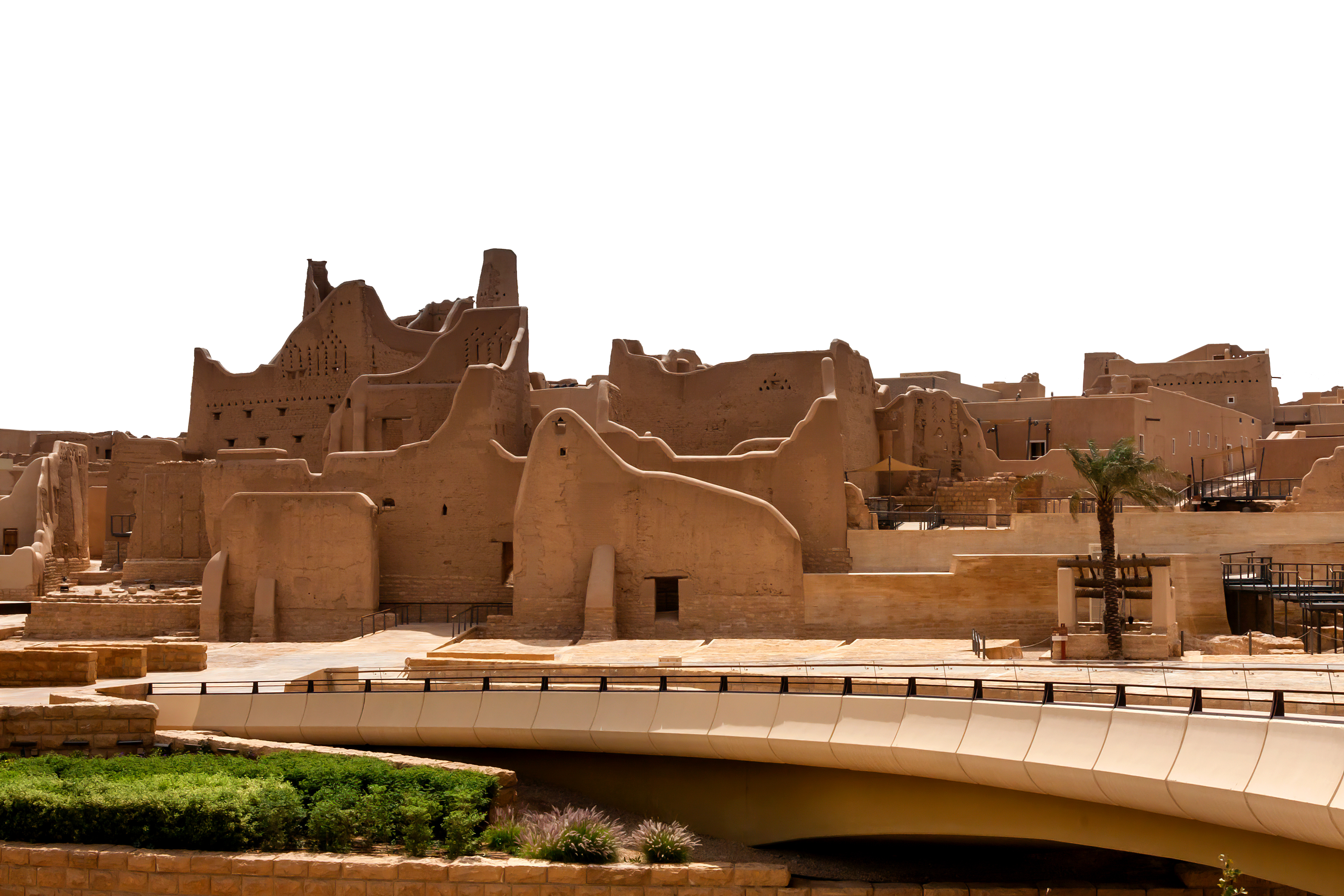
Before oil, this archipelago ran on pearls. For centuries Farasan's divers worked the oyster beds of the southern Red Sea, and the trade's profits are still standing in stone. The best single place to see them is Al Qassar, a heritage village of coral-block houses whose walls were cut from the reef itself — thick, cool and built to shrug off the coastal humidity.
In Farasan town, look for the houses of the pearl merchants themselves, famous for doorways and interior walls of intricately carved gypsum — geometric and floral patterns worked by craftsmen at the height of the trade in the early 20th century. The most ornate belonged to the wealthiest trading families, and a short walk between them, the old Najdi Mosque and the small Ottoman-era fort above the town covers most of the island's built history in an unhurried morning. The pearl economy collapsed when cultured pearls flooded the market, but the architecture it paid for remains the most distinctive in this part of Saudi Arabia.
Reefs, Dugongs and the Hareed Festival
The waters around Farasan are the other half of the story, and the reason UNESCO put the archipelago on its biosphere list. Coral gardens begin within swimming distance of shore in places like Ghadeer Bay, where gentle, shallow reefs make easy snorkelling straight off the beach. Further out, boat trips reach outer reefs with turtles, reef fish in large numbers and — for the fortunate — dugongs, which graze the seagrass meadows between the islands.
Practicalities matter here more than at established dive destinations: equipment rental on the island is thin and unreliable, so bring your own mask, snorkel and fins. Local boat owners in Farasan town arrange trips to the outer islands and reefs; agree the route and price before you leave the jetty. If you time your visit for spring, ask about the Hareed Festival — an annual local celebration of the parrotfish shoals that mass along the coast, and the islands' biggest cultural event. For more ways to get wet and sandy across the country, our Saudi adventure guide covers diving, hiking and desert trips nationwide.
The mangrove channels are worth an hour as well: at high tide a small boat can slip between the roots, where juvenile fish shelter and herons, ospreys, pelicans and — in season — flamingos work the shallows. The islands are a significant stopover for migratory birds crossing the Red Sea, and birdwatchers should pack binoculars even for a beach-focused trip.
Where to Stay and Getting Around
Accommodation is the islands' weakest point. Options are limited to guesthouses and a handful of small hotels, mostly around Farasan town, at roughly SAR 150–500 per night depending on standard and season. Rooms disappear fast on weekends and public holidays, so book as far ahead as you can — and note that many visitors sidestep the problem entirely by day-tripping from Jizan on the morning ferry and returning in the afternoon. That works, but it compresses the island into six hours and rules out the dawn gazelle window.
On the island itself, your own car (brought over on the ferry) gives the most freedom, including the causeway crossing to quieter Sajid island. Without one, taxis and local drivers in Farasan town can be hired by the trip or by the half day — agree the fare before setting off. Distances are small; nothing on the main island is more than about half an hour's drive from town.
When to Go, What to Pack, and Local Rules
November to March is the comfortable window, with daytime temperatures around 20–30°C and cooler evenings. From late spring through early autumn the islands are seriously hot — regularly above 40°C with heavy humidity — and extended sightseeing becomes a chore. Whatever the season, the sun is intense: high-SPF sunscreen, a hat and sunglasses are not optional.
Pack light, breathable clothing, comfortable walking shoes for the heritage sites, insect repellent for evenings near the mangroves, your own snorkelling gear, and some cash — there are ATMs in Farasan town, but smaller vendors and boat owners deal in riyals, not cards. A basic first-aid kit is sensible given the distance from mainland hospitals.
The usual national rules apply: alcohol is prohibited throughout Saudi Arabia, and dress should be modest — since 2019 the abaya has not been required for foreign women, but shoulders and knees covered is the sensible baseline, with more conservative dress appreciated in the villages and around mosques. Farasan is a small, traditional community; a little restraint goes a long way, and the welcome you get in return is one of the best reasons to make the crossing.
Related Reading
- Jizan and Farasan: The Complete Regional Guide
- Best Kept Secrets of Saudi Arabia
- Adventure Activities in Saudi Arabia
Weighing a Farasan detour against the advisory?
If the southern Red Sea stays on your list, slot the ferry day and a buffer night into a realistic route with our Trip Planner, and compare island guesthouses with a mainland base in our hotel guide before you lock in dates.
Frequently Asked Questions
- How much does the ferry to the Farasan Islands cost?
- Nothing — the state-run car ferry from Jizan port is free. There are normally two sailings a day in each direction, around 7:00 and 15:30, and the crossing takes roughly 1 to 1.5 hours. Foreign visitors should collect tickets at the port a day in advance and bring their passport for registration.
- Are the Farasan Islands safe to visit right now?
- The islands themselves are quiet, but access runs through Jizan city, which the US State Department currently lists as a do-not-travel area within its Level 3 advisory for Saudi Arabia, citing drone and missile risk near the Yemen border. Check your own government's current advice and your travel insurance terms before booking, as the situation can change.
- What is the best way to see the Farasan gazelle?
- Drive the inland roads of Farasan al-Kabir at dawn or in the last two hours before sunset, when the gazelles feed in the open scrubland. Keep your distance, stay quiet, and consider hiring a local driver or guide who knows the current grazing areas — it markedly improves your chances.
- Can I stay overnight on the Farasan Islands?
- Yes, but options are limited to guesthouses and a few small hotels around Farasan town, roughly SAR 150–500 per night. Rooms fill quickly on weekends and holidays, so book well ahead. Many travellers visit as a day trip from Jizan on the morning ferry instead.
- When is the best time to visit Farasan?
- November to March, when daytime temperatures sit around 20–30°C. Summer regularly exceeds 40°C with high humidity. If you travel in spring, ask about the Hareed parrotfish festival, the islands' biggest annual event.
- Do I need a car on the Farasan Islands?
- It helps. The free ferry carries vehicles, and your own car makes the gazelle areas, Al Qassar and the beaches easy to reach, including the causeway to Sajid island. Without one, hire taxis or local drivers in Farasan town and agree the fare in advance — distances are short.