Best Kept Secrets of Saudi Arabia: Hidden Guide
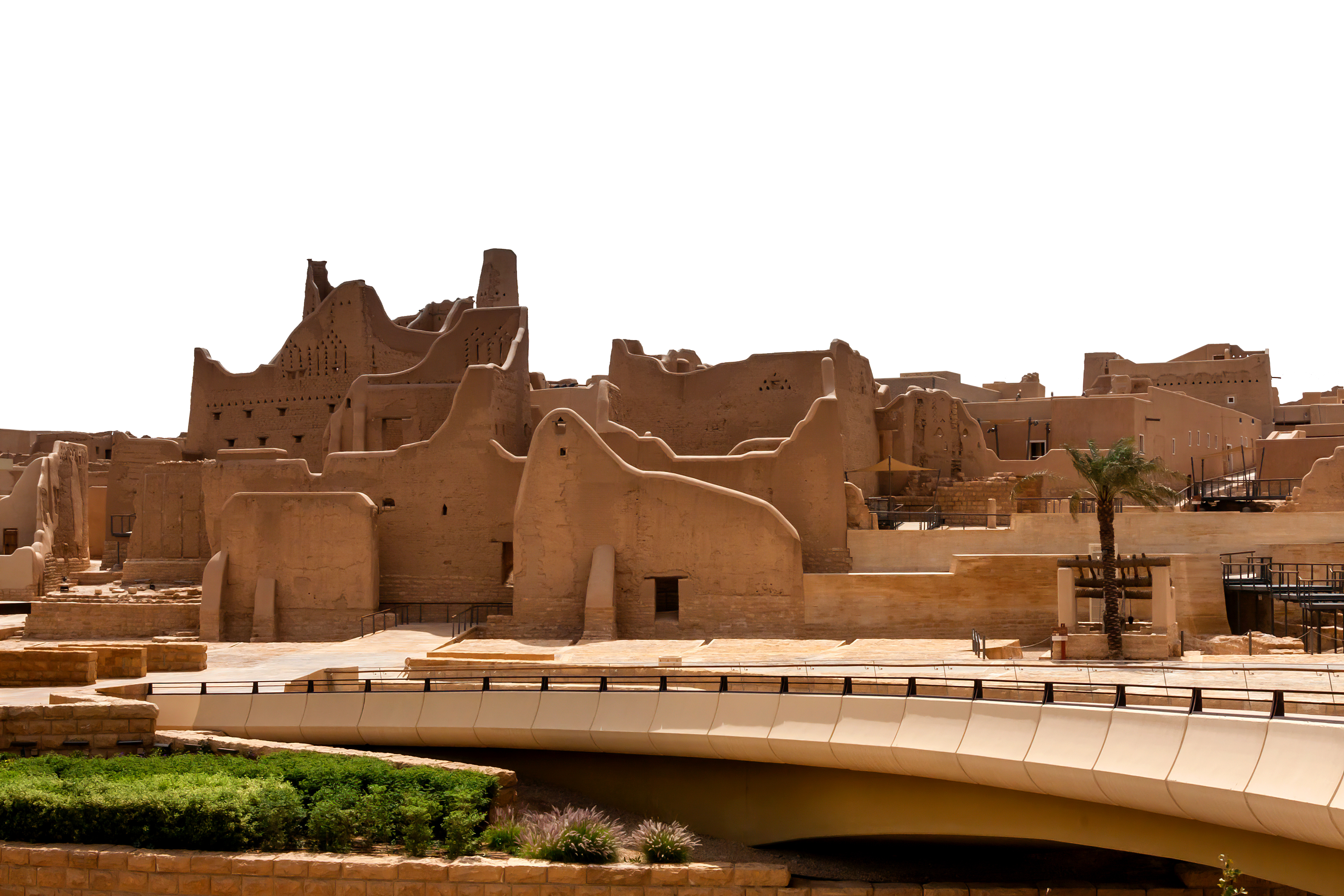
Five places most visitors miss: 10,000-year-old Jubbah rock art, the marble village of Thee Ain, empty Red Sea coves, and the Rub' al Khali desert.
Key Takeaways
- Jubbah, 90 km northwest of Ha'il, is a UNESCO World Heritage site with petroglyphs over 10,000 years old showing ibex, gazelles, lions and long-horned cattle -- evidence the now-arid plain was once green.
- Shuwaymis, further south of Jubbah, holds an even larger rock art collection but needs a 4x4 and, usually, a local guide -- unlike Jubbah, which a standard car can reach.
- Thee Ain Dhi Ain, about 24 km southwest of Al-Baha city, is a 400-year-old village built directly onto a white marble outcrop; entry is a small fee (around SAR 20 / $5) and a half-day covers it.
- The Red Sea coast north of Umluj and south of Al Wajh is still largely undeveloped; a full-day boat charter from either town runs roughly SAR 1,000-2,500 ($260-$670).
- A guided multi-day expedition into the Rub' al Khali (Empty Quarter) starts around SAR 5,000 ($1,330) per person and should be avoided May-September due to extreme heat.
- Harrat Khaybar, a black lava field about 150 km northeast of Madinah, needs a 4x4 and a local guide; its White Volcanoes and lava tubes are the main draw for hikers and photographers.
Travel advisory note: parts of this guide cover Saudi Arabia's far south — Jazan province, the Farasan Islands and Najran — which lie close to the Yemeni border. As of 2026 the US State Department rates Saudi Arabia overall at Level 3 — Reconsider Travel (reissued 13 March 2026) and applies Level 4 — Do Not Travel to the area within 20 miles of the Yemen border; the UK and Canada take a comparable line. Check your own government's current guidance before planning any trip to these areas, and note that travel insurance is usually void in do-not-travel zones. See our Saudi Arabia safety guide. The rest of the country is not covered by these border restrictions.
Five places most first-time visitors miss
Riyadh's skyline and AlUla's carved tombs get most of the attention, and rightly so — but Saudi Arabia has a second layer of sites that see a fraction of the visitors. This guide covers five of them: a 10,000-year-old rock art gallery in the northern desert, a marble village on a cliff in the southwest, undeveloped coves on the Red Sea coast, the world's largest sand desert, and a black lava field north of Madinah. None of them require anything beyond a standard e-Visa; most need a 4x4 and some planning.
- Best Time to Visit: October to April, when daytime temperatures are milder.
- Currency: Saudi Riyal (SAR), roughly 3.75 SAR to 1 USD.
- Visa: E-Visa available online for eligible nationalities; check the official Saudi e-Visa portal for current requirements.
- Language: Arabic is official; English is widely understood in cities and tourist areas.
- Connectivity: 4G/5G coverage is solid in populated areas; an eSIM covers most of this itinerary, though remote desert stretches will drop signal.
- Dress Code: Modest dress is expected outside resorts, more so in rural villages than in cities. A headscarf is not legally required for female tourists but is appreciated at religious sites.
- Transport: Domestic flights connect the regional hub cities; a rental car works for Thee Ain and Jubbah, but the Empty Quarter and Harrat Khaybar need a 4x4 and, for the Empty Quarter, a guide.
Jubbah and Shuwaymis: rock art older than the pyramids
North of Ha'il, in the sandstone outcrops of Jabal Umm Sinman, the Jubbah petroglyphs are a UNESCO World Heritage site carved more than 10,000 years ago. The panels show human figures, ibex, gazelles, lions and long-horned cattle — evidence that this now-arid plain was once green enough to support them. Further south, Shuwaymis holds an even larger collection: hunting scenes, animal migrations and symbols whose meaning archaeologists still debate. A local guide adds real context here; without one, the carvings are easy to walk past.
- Logistics: Jubbah is about 90 km northwest of Ha'il and reachable by standard car. Shuwaymis is further south and needs a 4x4, usually with a local guide.
- Where to stay: There's no accommodation at either site — base yourself in Ha'il, where mid-range hotels start around SAR 300 ($80) a night.
- Permits: Both sites are generally open, but it's worth checking with Ha'il's local tourism office for any current access rules.
- Best light: Early morning or late afternoon, both for photography and to avoid the midday heat.
Thee Ain: the marble village above the valley
In the Al-Baha highlands, Thee Ain Dhi Ain is a 400-year-old village built directly onto a white marble outcrop, overlooking a valley of banana and palm terraces. The stone houses have thick walls and slate roofs designed for the climate, and the narrow paths between them are still walked by descendants of the original residents. It's a half-day visit, not a detour that needs an overnight stay.
- Getting there: About 24 km southwest of Al-Baha city; a standard car is enough, no 4x4 needed.
- Entry fee: A small charge, typically around SAR 20 ($5), goes toward village upkeep.
- Time needed: Half a day covers the village and the valley viewpoints.
- Nearby: Al-Baha's forested highlands are worth an extra day if you have one — noticeably cooler than the coast.
The Red Sea coast north of Umluj
The Red Sea Project and NEOM are reshaping long stretches of this coastline, but the water north of Umluj and south of Al Wajh is still largely undeveloped. Chartering a boat from either town gets you to coral gardens, sea turtles and, occasionally, dugongs — without the crowds you'd find at a resort dive site.
- Access: Charter a boat directly with local operators in Umluj or Al Wajh; agree the price before you board.
- Cost: A full-day charter runs roughly SAR 1,000–2,500 ($260–$670) depending on boat size and duration.
- Gear: Bring your own snorkel gear if you can — rental options are limited this far from the cities.
- Ground rule: Don't touch the coral, and take everything you bring back out with you.
Rub' al Khali: into the Empty Quarter
The Rub' al Khali is one of the largest sand deserts on earth, covering roughly a quarter of Saudi Arabia. It is not a casual day trip — this is a genuine expedition and should be planned as one. Done properly, with an experienced operator, it means dunes that shift with the wind, extended silence, and camping under a sky with no light pollution for hundreds of kilometres.
- Safety: Never go in without multiple 4x4 vehicles, satellite communication, spare fuel and water, and an experienced guide.
- Cost: Multi-day guided expeditions start around SAR 5,000 ($1,330) per person through specialized operators.
- Timing: Avoid May–September; the heat at that time of year is genuinely dangerous.
Harrat Khaybar: the volcanic field north of Madinah
About 150 km northeast of Madinah, Harrat Khaybar is a field of black lava, volcanic cones and craters — a landscape that looks almost nothing like the red-sand deserts most visitors picture. The White Volcanoes (Jabal Abyad and Jabal Bayda) stand out against the surrounding dark rock, and the area includes lava tubes that experienced spelunkers explore with proper equipment.
- Access: A 4x4 is necessary, and a local guide is strongly recommended given the terrain.
- Activities: Hiking, photography, and — for those equipped for it — lava tube exploration.
- Permits: Some areas fall under environmental protection; check current access rules before you go.
- Bring: Plenty of water, sun protection and proper hiking boots — there's no shade out here.
Planning the trip
Infrastructure outside the main cities is still developing, which is part of what keeps these places quiet. A few practical points before you go:
- Visa: Apply for the e-Visa well ahead of travel and check current entry requirements for your nationality.
- Transport: Domestic flights (Saudia, flynas) connect Riyadh, Jeddah, Dammam, Abha and Ha'il. A rental car covers Jubbah and Thee Ain; the Empty Quarter and Harrat Khaybar call for a 4x4 and, in the Empty Quarter's case, a licensed operator.
- Accommodation: Wide choice in the cities — book ahead in the October–April high season. In remote areas, expect basic guesthouses or camping; there isn't a hotel near any of the five sites above.
- Dress: Modest clothing throughout — long trousers and shirts for men, loose clothing covering shoulders and knees for women. A headscarf is respectful in traditional areas and at religious sites, though not a legal requirement for tourists.
- Health and safety: Carry water, sun protection and comprehensive travel insurance. Dial 997 for ambulance or 999 for police; a unified 911 line also covers Riyadh, Makkah, Madinah and the Eastern Province.
- Budget: A daily budget of SAR 500–1,500 ($130–$400) covers most itineraries; specialized tours (the Empty Quarter especially) add to that.
- Connectivity: A local SIM (STC, Mobily, Zain) is worth buying on arrival for data outside the eSIM's coverage.
None of these five places require anything beyond a normal Saudi e-Visa, some planning around 4x4 access, and — for the Empty Quarter — a licensed operator. What they offer in return is a version of Saudi Arabia that most itineraries skip entirely.
Related Reading
- Discover the Top Saudi Arabia Beaches for Swimming and More
- Ancient AlUla Guide: Exploring Saudi Arabia's Hidden Wonder
Ready to go off the beaten path?
Rock art at Jubbah, the marble village of Thee Ain, or a multi-day Empty Quarter expedition each need a different base and a different level of planning. Build your route with our Trip Planner, or check our hotel guide for where to stay in Ha'il, Al-Baha and Jeddah before you head out.
Frequently Asked Questions
- What are Saudi Arabia's best hidden natural and historical sites?
- Beyond Riyadh and AlUla, standouts include the 10,000-year-old Jubbah and Shuwaymis rock art sites near Ha'il, the marble village of Thee Ain in Al-Baha, undeveloped Red Sea coves north of Umluj, and the volcanic Harrat Khaybar field north of Madinah.
- Do I need a 4x4 to visit these places?
- For Shuwaymis, the Rub' al Khali (Empty Quarter) and Harrat Khaybar, yes -- a 4x4 is necessary, and the Empty Quarter also requires an experienced guide. Jubbah and Thee Ain are reachable by a standard car on marked roads.
- How much does an Empty Quarter expedition cost?
- Multi-day guided expeditions into the Rub' al Khali start around SAR 5,000 (about $1,330) per person through specialized tour operators. Avoid the May-September months, when the heat becomes genuinely dangerous.
- What's the best time of year to visit these remote sites?
- October to April, when temperatures are milder across the country. Boat trips and diving on the Red Sea coast are best from October to May, when visibility is highest.