AlUla 2026: The Strategic Economic Engine of Vision 2030
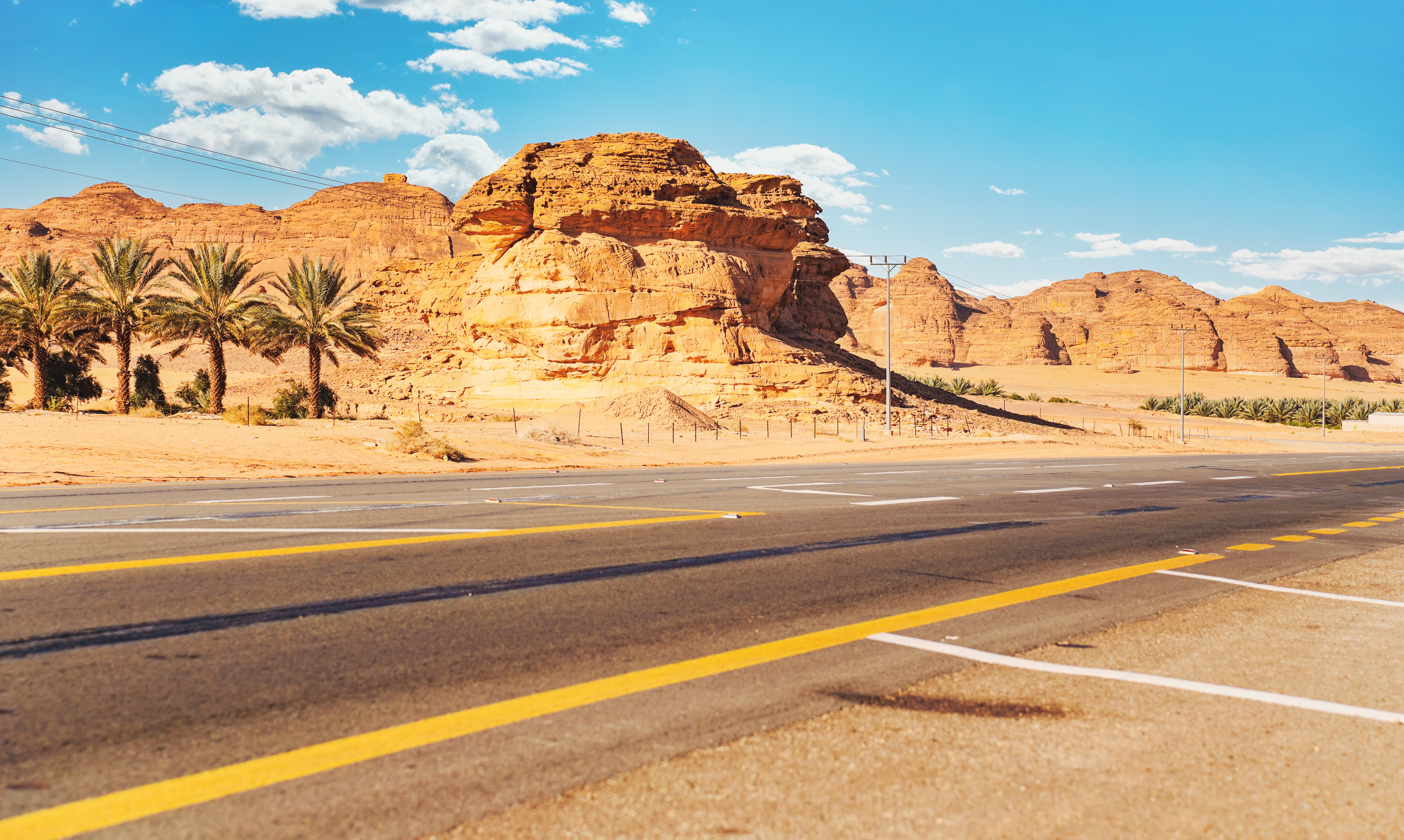
Discover how AlUla drives Saudi Vision 2030 through SAR 41B investments, sustainable tourism, the Arabian Leopard Initiative, and the innovative Rawi program.
Key Takeaways
- AlUla County covers 22,561 km² — larger than Kuwait — and Vision 2030 has designated it a priority giga-project with USD 15 billion in planned investment through 2035.
- Tourism is targeted to contribute SAR 2.5 billion annually to AlUla's GDP by 2030, up from near-zero in 2017 when the region first opened to international visitors.
- The Royal Commission for AlUla (RCU) has created over 10,000 direct jobs locally since 2018 — look for locally owned tour operators when booking excursions to keep spending in the community.
- Hegra's development as a UNESCO site is the centrepiece: visitor capacity is intentionally capped to preserve the tombs, which is why advance booking is mandatory rather than optional.
- Air connectivity is a key Vision 2030 metric — ULH airport is slated for 2 million passengers/year capacity by 2030, compared to under 200,000 currently.
- Phase 2 Investment: SAR 41 billion in private-sector opportunities
- Tourism Jobs Created: 1+ million nationwide
- GDP Contribution: 5% (2025) → 10% target by 2030
- Protected Area: 22,000+ km²
- Arabian Leopard Fund: $20 million commitment
- 2024 Visitors: 116 million (national target exceeded 7 years early)
The Macroeconomic Imperative: From Oil to Experience
The Kingdom of Saudi Arabia is currently navigating the most significant economic transformation in its history. At the heart of this metamorphosis lies the "Vision 2030" strategic framework, a blueprint designed to reduce the nation's dependence on hydrocarbons and diversify its economic portfolio. While the vision encompasses various sectors, tourism has emerged as a primary vanguard for this shift, with the ancient oasis of AlUla positioned as its crown jewel.
Planning where to base yourself? See our guide to the best hotels and resorts in AlUla, from heritage Old Town stays to residence-style bungalows.
Tourism as a Fiscal Pillar
The data emerging from the Kingdom's economic reports indicates a historic boom in the tourism sector, validating the aggressive investment strategies employed by the Public Investment Fund (PIF) and the Royal Commission for AlUla (RCU). As of late 2025, the tourism sector has successfully generated over one million jobs, a critical milestone that serves both economic and social stability goals. This figure is not merely a statistic; it represents a fundamental shift in the Saudi labor market, moving a significant portion of the workforce into the service, hospitality, and cultural heritage sectors.
The fiscal contributions of tourism are equally telling. The sector now accounts for approximately 5% of the nation's Gross Domestic Product (GDP). The strategic trajectory aims to double this contribution to 10% by the year 2030. This shift is monumental for an economy historically tethered to the volatility of oil prices. In 2024, the Kingdom surpassed its tourism targets seven years ahead of schedule, welcoming 116 million visitors—a figure comprising both domestic explorers and international tourists. This surge facilitated a tourism spend of SAR 284 billion, injecting substantial liquidity into the non-oil economy and creating a ripple effect across ancillary industries such as construction, transportation, and retail.
The "Quality over Quantity" Paradigm in AlUla
While the national strategy celebrates high visitor volumes, AlUla's specific economic mandate is nuanced. The development strategy for AlUla distinguishes itself through a focus on "economic depth" rather than sheer scale. Phillip J. Jones, the Chief Tourism Officer at the Royal Commission for AlUla (RCU), has articulated a strategy for 2026 and beyond that prioritizes the quality of the visitor experience and high revenue per available room (RevPAR) over mass tourism.
This strategic positioning is evident in the Phase Two development plans. As the region moves from initial infrastructure setup to a more complex phase of tourism maturity, the focus shifts to ensuring that private investment aligns with the destination's "low-density" ethos. Phase Two has opened approximately SAR 41 billion in private-sector opportunities, with a specific allocation of SAR 6.5 billion dedicated to tourism infrastructure. This capital allocation is not designed to flood the market with hotel rooms but to curate a portfolio of high-end assets that drive long-term economic and social value. The goal is to scale the destination without diluting its identity, a common pitfall in rapid tourism development.
Infrastructure and Urban Planning: The "Journey Through Time" Masterplan
The physical transformation of AlUla is governed by the "Journey Through Time" Masterplan, a sophisticated urban planning framework that treats the entire 22,000+ square kilometer region as a living museum.
Aviation Connectivity: The Global Gateway
For a remote desert destination, aviation connectivity is the single most critical determinant of success. The AlUla International Airport (ULH) has undergone rapid expansion to meet the demands of an international clientele.
- Riyadh (RUH): Daily flights, approximately 1 hour 45 minutes. Airlines: Saudia, Flynas. Prices: $54–$900+ depending on season and class.
- Jeddah (JED): Daily flights, roughly 1 hour 15 minutes.
- Dammam (DMM): Seasonal and regular connections from the Eastern Province.
- International: Direct flights from Dubai and Doha allow long-haul travelers to bypass Riyadh or Jeddah, positioning AlUla as a standalone destination.
Terrestrial Mobility and the AlUla Tram
While aviation brings visitors to the region, internal mobility remains a complex challenge being addressed through significant capital projects.
The AlUla Experiential Tram: A cornerstone of the masterplan is the development of a low-carbon tramway. Once fully operational, this network will connect the International Airport to the five key heritage districts, including Hegra and the Old Town. This project serves a dual purpose: providing efficient transit and reducing the carbon footprint associated with individual vehicular movement, aligning with the sustainability goals of Vision 2030.
Road Networks and Car Rental Dynamics: In the interim period before full public transit maturity, the region relies heavily on road transport. Reports from travelers in 2025 highlight a shortage of on-demand ride-hailing services. While Uber is present, local applications like Kaiian have gained traction, offering more reliable service in secondary cities. Consequently, the car rental market is thriving, with agencies at the airport seeing high demand. The RCU is actively encouraging the deployment of electric vehicle (EV) fleets to align with the destination's green credentials.
Sustainable Urban Development and Capacity Management
The RCU operates under a strict mandate to protect the natural skyline. Development codes prohibit high-rise structures, ensuring that no building competes with the grandeur of the sandstone canyons. This "invisible architecture" approach, exemplified by the Maraya Concert Hall, dictates that infrastructure must blend into or reflect the environment.
Low-Density Lodging: The accommodation strategy caps the number of keys (rooms) to prevent over-tourism. This scarcity drives high occupancy rates and premium pricing, attracting a demographic of traveler that is less price-sensitive and more value-oriented.
Waste and Water Management: In an arid desert environment, water conservation is existential. Infrastructure projects include advanced wastewater treatment facilities and the rehabilitation of ancient oasis irrigation channels (qanats) to support sustainable agriculture and landscaping without depleting fossil water aquifers.
Socio-Economic Integration and Human Capital
The sustainability of AlUla's transformation relies on the buy-in of the local population. Vision 2030 emphasizes "National Identity" and "Thriving Economy," both of which are operationalized in AlUla through rigorous community engagement.
The "Rawi" Program and Localization
One of the most successful initiatives has been the formalization of the "Rawi" (storyteller) role. Rather than importing foreign guides, the RCU has invested in training young men and women from the AlUla community to serve as the primary interpreters of their heritage.
Economic Empowerment: This program provides high-quality employment in a region that previously offered limited opportunities outside of agriculture and the public sector.
Cultural Guardianship: By empowering locals to tell their own story, the RCU ensures that the narrative of AlUla remains authentic and rooted in oral history. It mitigates the "Disneyfication" of the site, creating genuine human connections between visitors and residents.
Women in the Workforce
The tourism boom has been a catalyst for female employment in Saudi Arabia, a key metric of Vision 2030. In AlUla, women are visible across the value chain, from hospitality management and culinary arts to heritage preservation and guiding. The "Madrasat Addeera" vocational school trains local women in traditional crafts, such as weaving and pottery, connecting them directly to the global luxury retail market through the sale of artisanal products. This integration of women into the economy is not just symbolic; it is a structural change driving household income growth and social progress.
Environmental Stewardship and Rewilding
AlUla's development is inextricably linked to environmental conservation. The "Green Saudi Initiative" finds its most ambitious expression in the desert canyons of the Sharaan Nature Reserve.
The Arabian Leopard Initiative
The most high-profile component of AlUla's environmental strategy is the commitment to save the Critically Endangered Arabian Leopard (Panthera pardus nimr).
- Investment: The RCU has committed $20 million to this cause, partnering with Panthera, the global wild cat conservation organization.
- Implementation: The strategy involves a captive breeding center in Taif and the preparation of the Sharaan Nature Reserve for eventual reintroduction. This "rewilding" effort requires restoring the entire food chain, including the reintroduction of prey species like the Nubian Ibex and Idmi Gazelles, and the restoration of native vegetation.
- Tourism Value: Beyond its ecological importance, the potential for leopard tourism (safaris) positions AlUla to compete with high-end African wildlife destinations in the future, adding a "nature" pillar to its "culture" foundation.
Dark Sky Conservation
In an era of increasing light pollution, AlUla has identified its pristine night skies as a strategic asset. The Manara and Gharameel reserves have been designated as Dark Sky parks. This policy involves strict regulations on artificial lighting in new developments to minimize light spill.
Astrotourism: This designation supports a growing niche market of astrotourists. Events like the AlUla Skies Festival capitalize on this asset, offering stargazing experiences that are impossible in most developed world destinations.
Future Outlook: The Road to 2030
As AlUla moves through 2025 and 2026, the region is transitioning from a "launch phase" to a "growth and maturity phase." The successes are evident: surpassing visitor targets and establishing a global brand. However, challenges remain.
Balancing Growth and Preservation: As private investment flows in, maintaining strict adherence to environmental and heritage guidelines will require robust regulatory oversight.
Regional Competition: With the opening of the Red Sea Project, NEOM, and Diriyah Gate, AlUla must continuously differentiate its offering. Its positioning as a "cultural landscape" rather than a "beach resort" or "futuristic city" is its primary competitive moat.
Geopolitical Stability: As with any tourism strategy in the Middle East, perceptions of regional stability are crucial. Saudi Arabia's broader diplomatic efforts to position itself as a hub of trade and tourism are essential for maintaining visitor confidence.
AlUla is not merely a tourism project; it is a microcosm of the new Saudi economy—diversified, sustainable, open to the world, and deeply rooted in its own heritage.
AlUla serves as a flagship tourism destination within Vision 2030's economic diversification strategy. It exemplifies the shift from oil dependency to experience-based revenue, with Phase 2 opening SAR 41 billion in private investment opportunities. The destination's success validates the strategy of developing heritage tourism as a sustainable economic pillar.
Unlike mass-tourism destinations, AlUla prioritizes "economic depth" over visitor volume. The strategy focuses on high Revenue Per Available Room (RevPAR), low-density development, and curated luxury experiences. This approach protects the heritage sites while attracting high-value travelers who contribute more to the local economy per visit.
The Arabian Leopard Initiative is a $20 million conservation program in partnership with Panthera to save the Critically Endangered Arabian Leopard. It includes a breeding center in Taif and the preparation of Sharaan Nature Reserve for eventual reintroduction, requiring restoration of the entire food chain including prey species like Nubian Ibex and Idmi Gazelles.
AlUla's "Journey Through Time" Masterplan includes a low-carbon experiential tram connecting heritage sites, strict building codes that prohibit high-rises, advanced wastewater treatment facilities, rehabilitation of ancient qanat irrigation systems, and encouragement of EV fleets. The "invisible architecture" approach ensures infrastructure blends with the natural environment.
The Rawi (storyteller) program trains local AlUla residents to serve as heritage guides rather than importing foreign interpreters. This initiative provides high-quality employment, ensures cultural authenticity, and creates genuine connections between visitors and the community—avoiding the "Disneyfication" common in rapid tourism development.
Plan Your Saudi Adventure
Ready to experience the Kingdom? Our AI-powered Trip Planner creates personalized itineraries based on your interests, budget, and travel dates. From Riyadh's skyline to AlUla's ancient tombs — let us help you discover Saudi Arabia your way.
Related Reading
More on Saudi Tourism Strategy
Frequently Asked Questions
- What is AlUla's role in Saudi Arabia's Vision 2030 plan?
- AlUla serves as a flagship economic diversification project under Vision 2030, targeting tourism and heritage preservation. The Royal Commission for AlUla (RCU) aims to develop the region into a global tourism destination while protecting its archaeological significance, with projected investments exceeding SAR 100 billion through 2030.
- How many tourists does AlUla expect to attract by 2030?
- Saudi Arabia's Vision 2030 targets bringing 100 million visitors annually to the Kingdom, with AlUla positioned to capture a significant portion as a major heritage and cultural hub. AlUla alone expects to draw millions of international visitors through flagship events like Desert X AlUla and expanded hotel developments.
- What archaeological sites are in AlUla?
- AlUla contains Hegra (Al-Hijr), a UNESCO World Heritage Site with 131 monumental Nabatean tombs dating to the 1st century AD. The region also features the ancient oasis settlements, rock art sites, and the historic Al-Ula Old Town, making it one of the Middle East's richest archaeological regions.
- How will AlUla's development impact Saudi Arabia's GDP?
- Tourism and heritage-focused development in AlUla is expected to contribute significantly to non-oil revenues, supporting Saudi Arabia's transition to a diversified economy. The sector is projected to create thousands of jobs and attract foreign investment, with AlUla serving as a model for cultural tourism within Vision 2030's broader economic strategy.